

1 Week, 3 Parks: The Smarter Way to See the US National Parks
A week sounds like plenty of time until you try to turn it into a U.S. national parks trip. The distances are bigger than they look, the roads are slower than you expect, and every park takes more time on the ground than it does on a map. The usual mistake isn’t choosing the wrong parks. It’s trying to connect too many of them.
If you want this to work, you don’t build a list. You build a route. And the cleanest route for a one-week trip is in southern Utah.
✍️ Sophia · April 20, 2026

Why 3 Parks Is the Sweet Spot
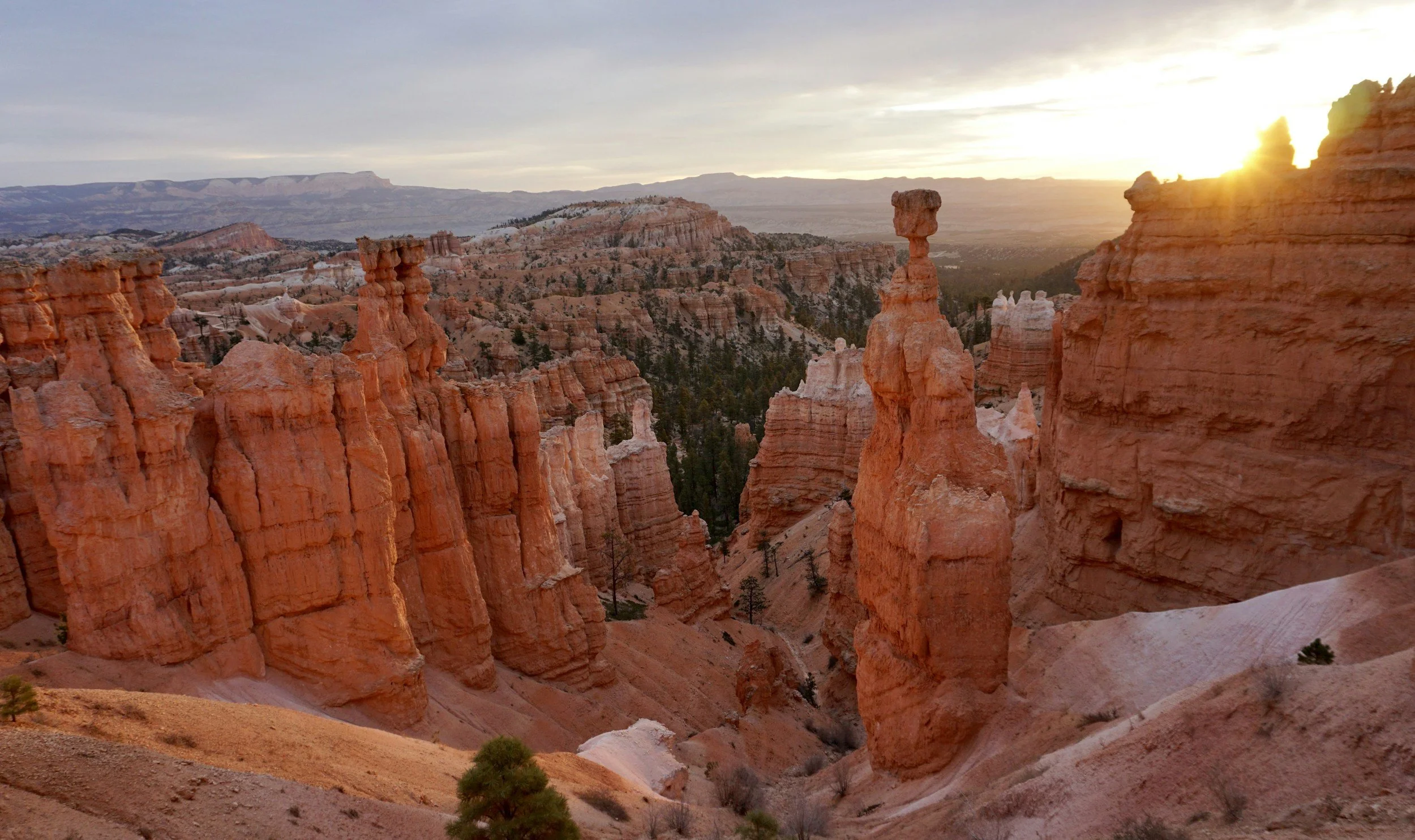
Utah gives you something rare: scale without wasted movement. Within a few hours, the landscape shifts completely, but you’re not spending your entire trip in the car getting there.
The combination that actually fits into a week without turning into a rushed loop is
Zion National Park,
Bryce Canyon National Park, and
Arches National Park.
These three don’t overlap in how they feel, but they connect cleanly enough that you don’t lose time moving between them.
Day 1 — Get In and Move Immediately
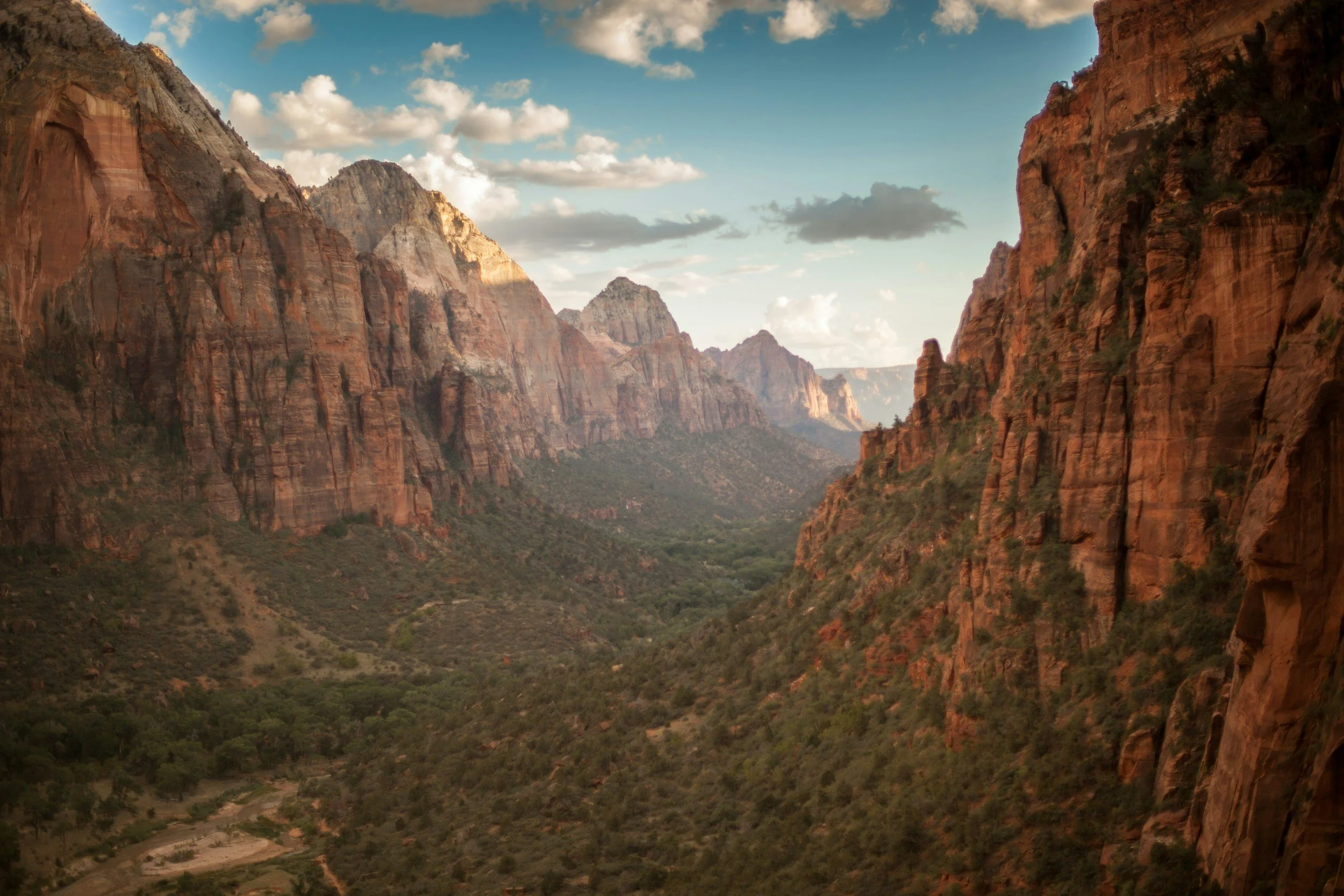
Fly into Las Vegas. It’s the most practical entry point, even if it doesn’t look like it on paper. Flights are easier, prices are better, and you’re already within driving distance of Zion.
Pick up the car and drive straight to Springdale, the town at the edge of Zion. It’s a few hours, but it’s the longest uninterrupted drive you’ll do. Getting it out of the way on day one changes the entire rhythm of the trip.
Where you stay matters here. Being close to the park entrance saves time every morning, and in a place like Zion, time is the difference between calm and chaos.
Day 2 and 3 — Zion Needs Time
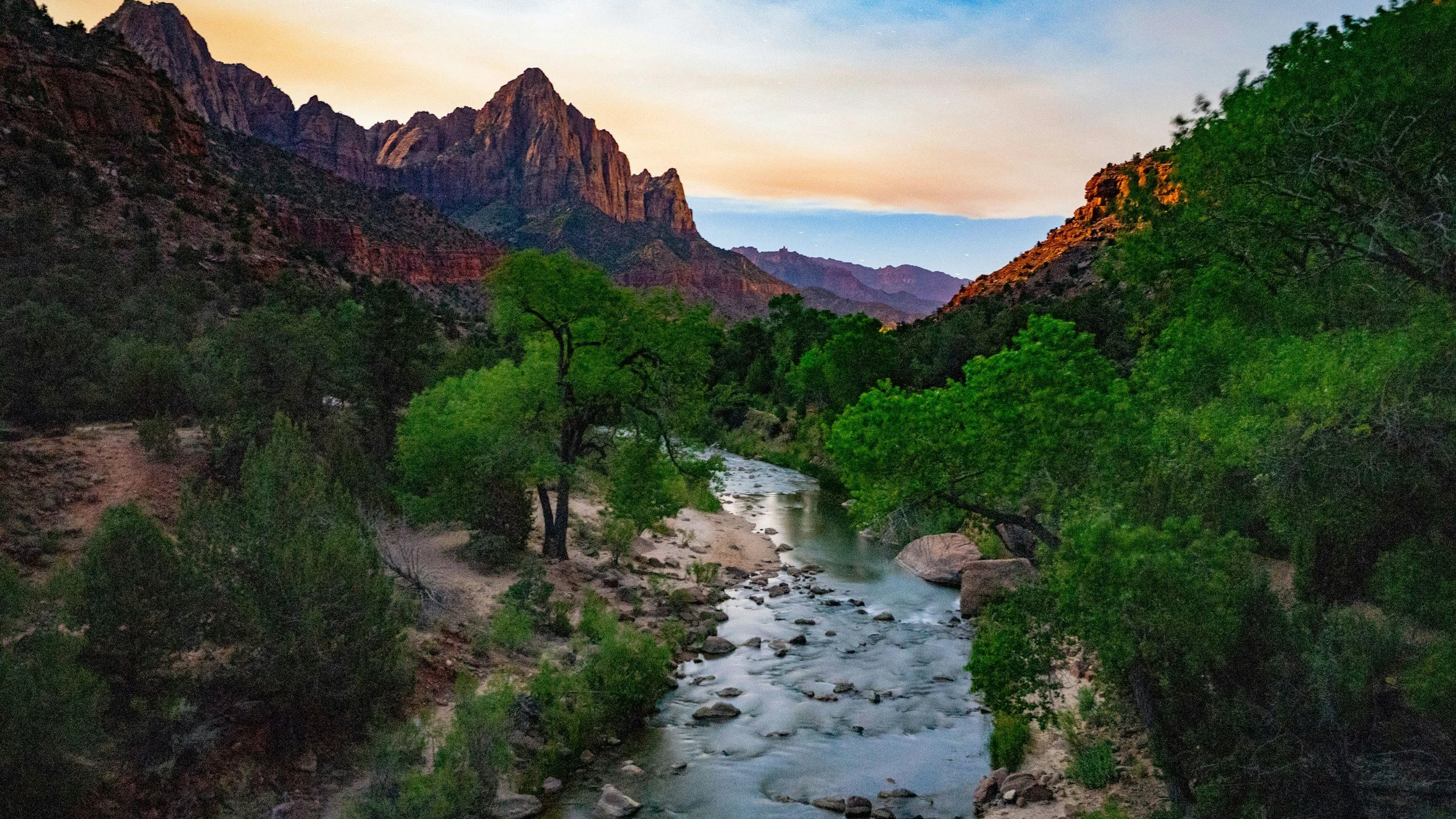
Zion National Park doesn’t work as a quick stop. It’s one of the few parks where rushing actively makes the experience worse.
The first day is about understanding how the park moves. The shuttle system, the flow of people, the spacing between stops. It’s not complicated, but it’s not something you want to figure out late in the day.
The second day is where you go further. That might mean hiking deeper into the canyon or choosing one of the more demanding trails, depending on how prepared you are. The point isn’t to cover as much ground as possible. It’s to give yourself enough time to experience one part of the park properly.
Day 4 — Bryce Canyon Changes the Pace
The drive to Bryce Canyon National Park is short enough that you arrive without feeling like you’ve lost a day.
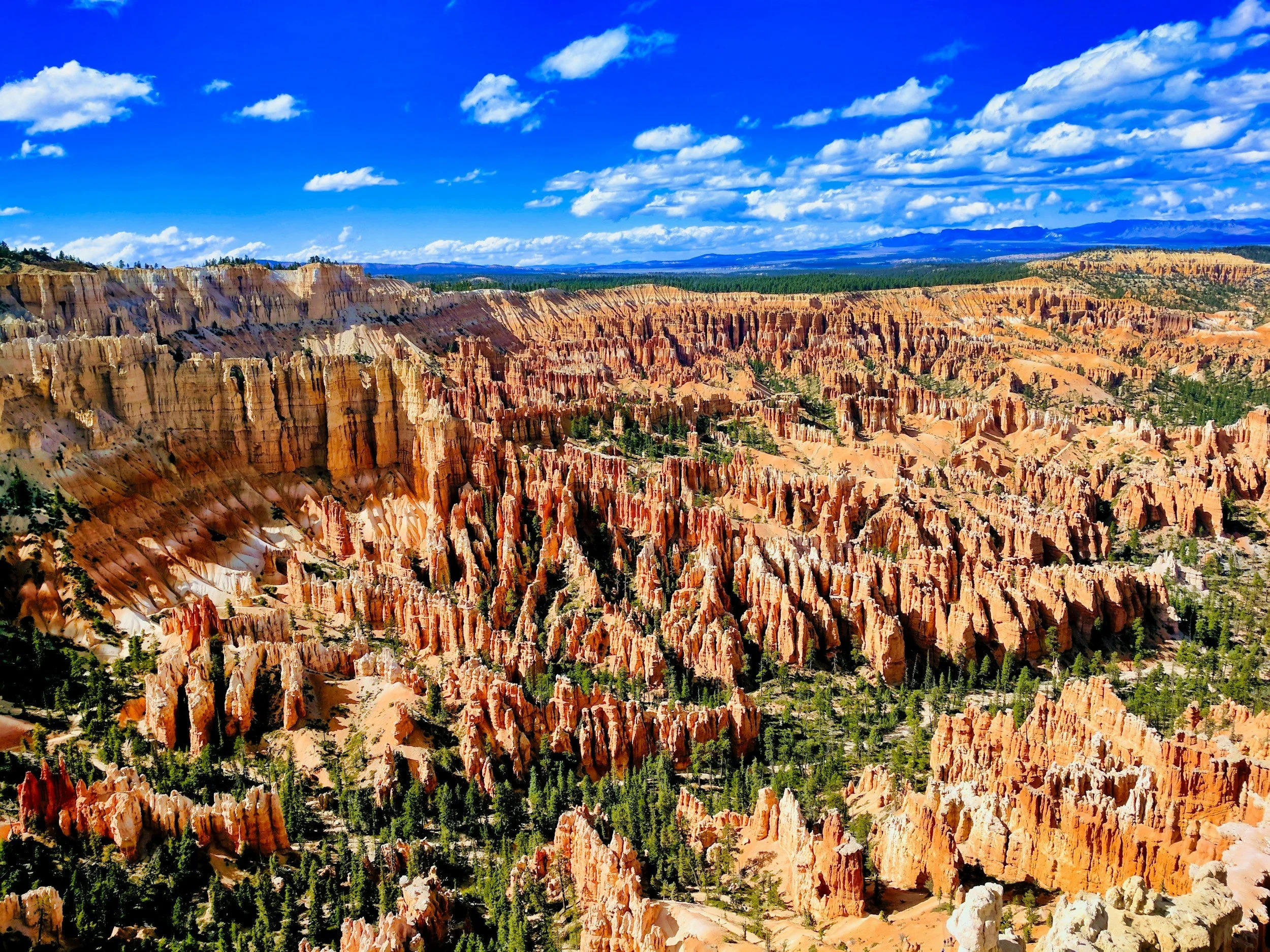
Bryce doesn’t feel like Zion. The scale is different, the light behaves differently, and the way you move through it changes. You’re not navigating a valley anymore. You’re looking out over formations that stretch across the horizon.
A full day is enough here, but only if you use it well. Early morning makes a difference. The park feels quieter, the light is cleaner, and you’re not competing for space at every viewpoint.
Day 5 and 6 — Arches Slows You Down in a Different Way
The drive to Arches National Park is longer, but still manageable. You end up near Moab, which becomes your base for the final part of the trip.
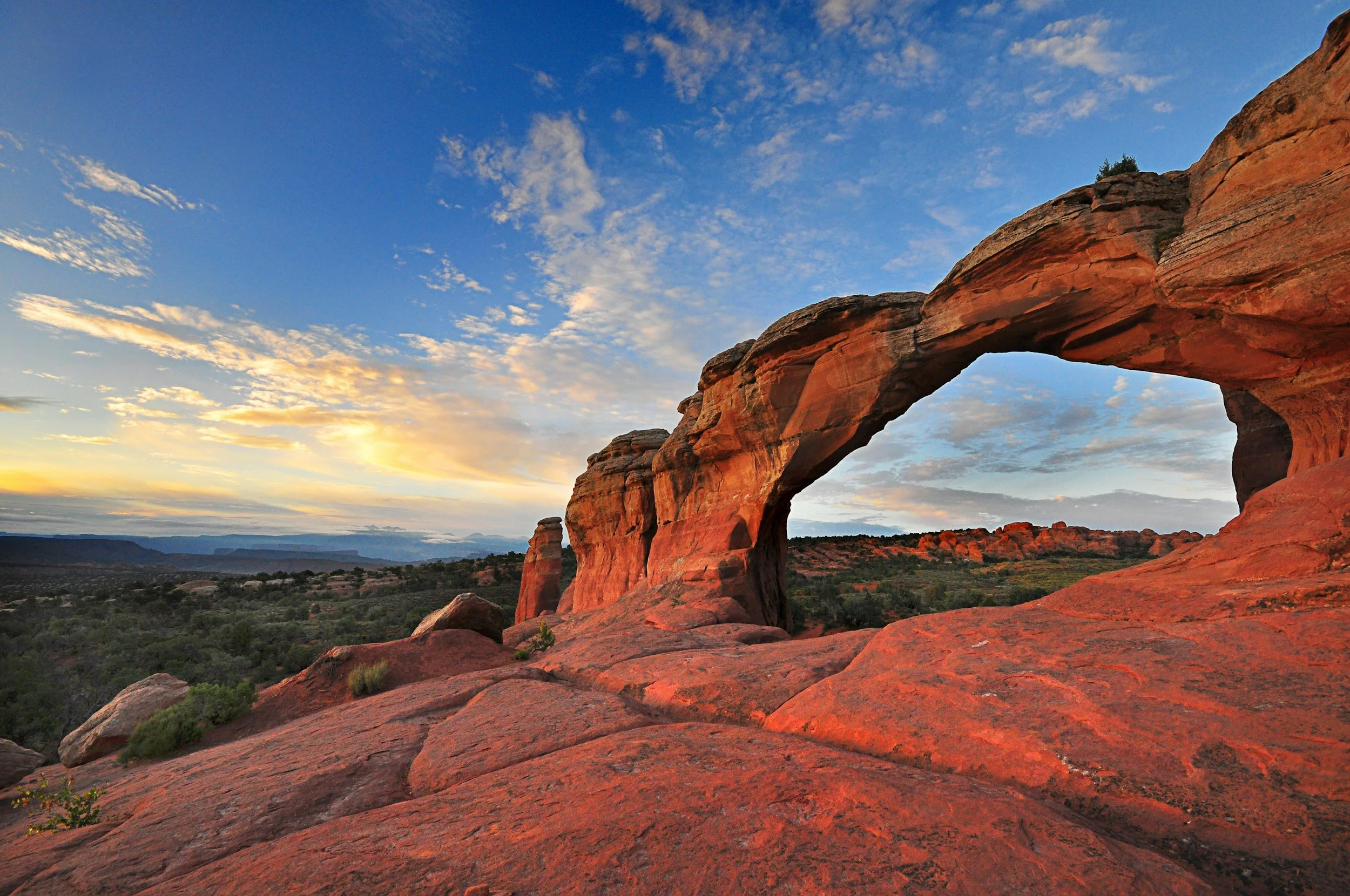
Arches looks simple at first. Open space, scattered formations, clear roads. But the conditions change how you move. Heat builds quickly, distances between stops add up, and timing becomes more important than effort.
Spreading this over two days gives you room to adjust. You don’t have to force everything into one stretch. You can move earlier, pause longer, and let the park feel less like a checklist.
Day 7 — Leave Without Forcing One More Stop
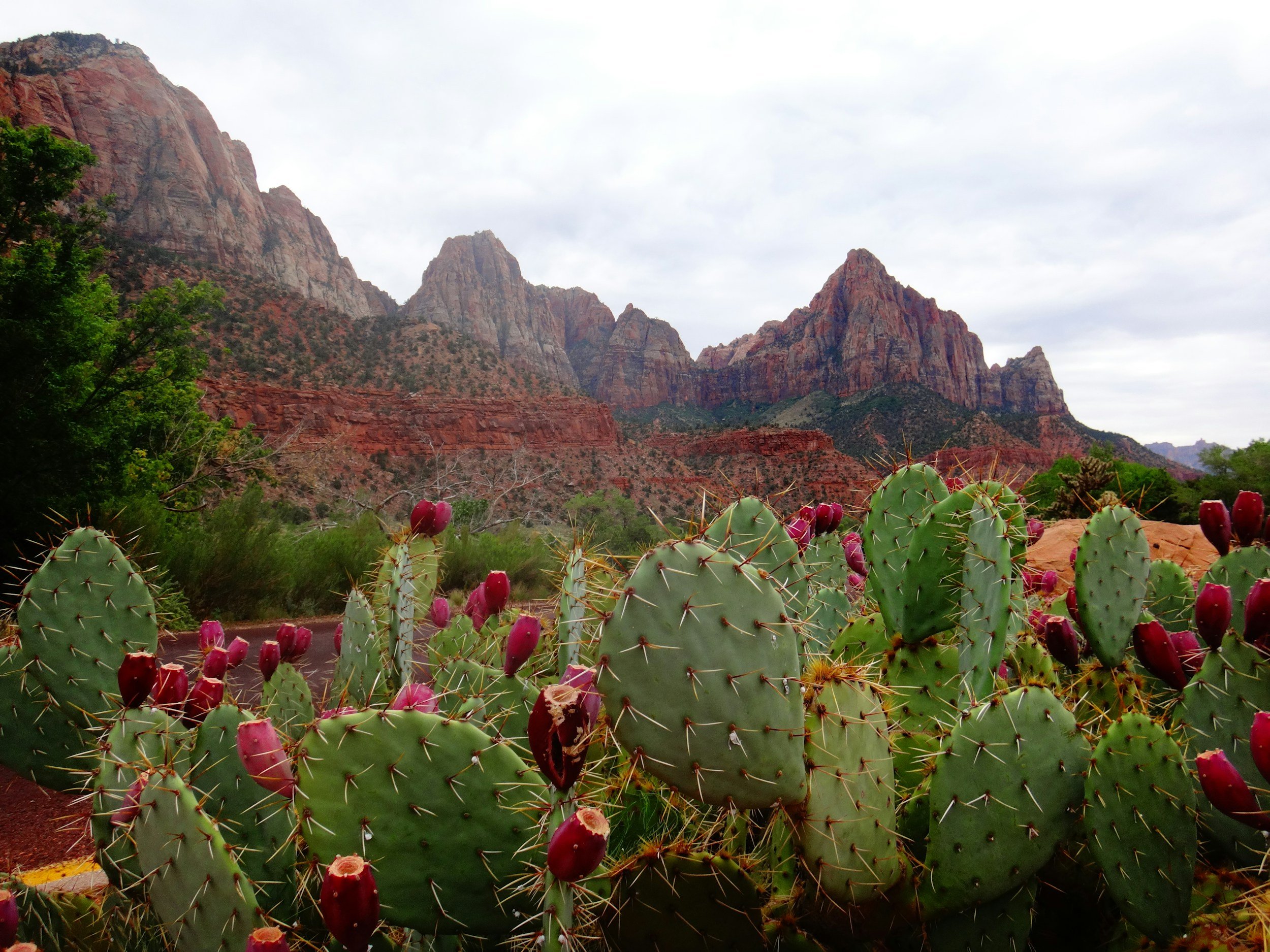
The last day is where trips usually get messy. There’s always a temptation to add one more place, one more detour, one more stop before heading back.
It doesn’t improve anything.
From Moab, you either make your way back toward Las Vegas or route toward a different departure city depending on your plan. What matters is keeping this day clean. The trip has already done what it needed to do.
What This Approach Changes
This route works because it respects how these parks actually function.
You’re not trying to compress them into short visits. You’re not spending your time recovering from long drives. You’re not moving in circles.
You’re moving in one direction, with enough time at each stop to understand where you are.
That’s the difference.
✍️ This blog was written by Sophia.
