

A September Wildlife Route Through Belgium’s Ardennes During Red-Deer Rutting Season
In September, the forests of southern Belgium begin to sound different.
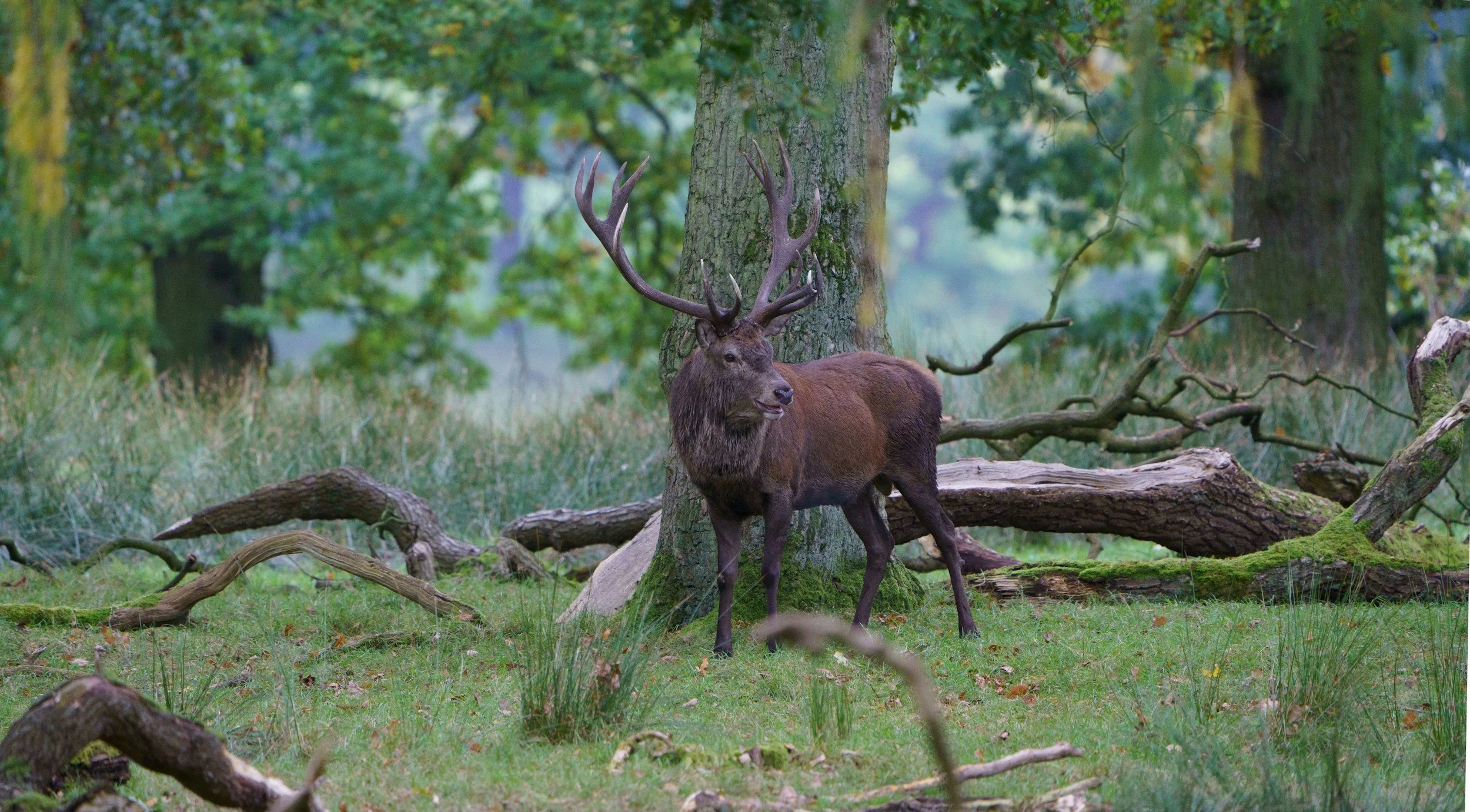
After sunset, the low calls of male red deer travel between the trees as they compete for access to females. This is the rut, known locally as le brame du cerf, and Belgium’s Ardennes is one of the most accessible places in Western Europe to experience it.
But this is a listening trip before it is a photography trip. Deer are unpredictable, forest access is restricted in several areas and approaching the animals can disrupt an important stage in their reproductive cycle.
This four-day route combines two guided listening opportunities with forest walks, small Ardennes towns and enough flexibility to work even if the deer remain hidden.
✍️ Sophia · September 6, 2026

When Should You Go?
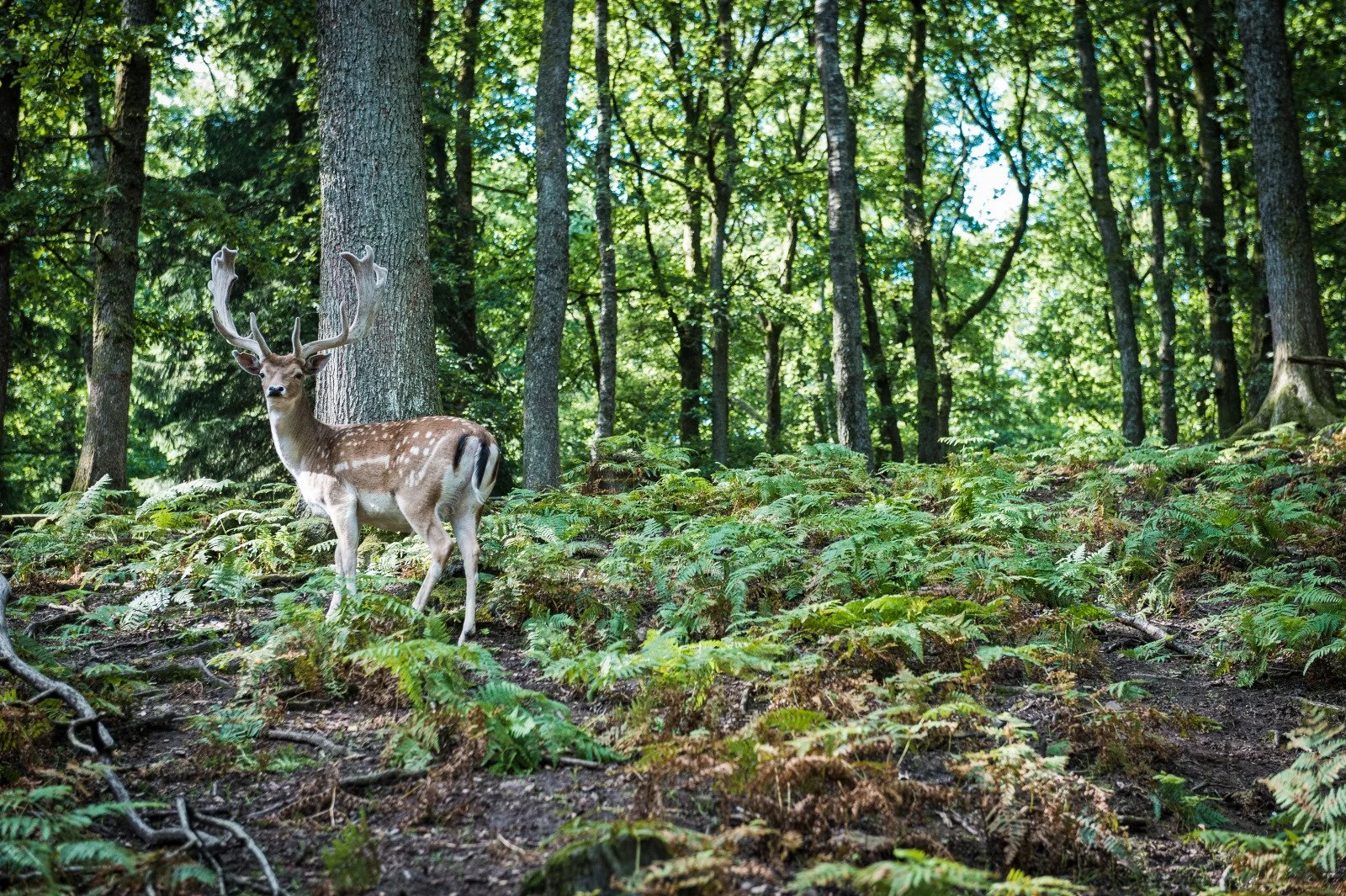
The rut in the Saint-Hubert forest usually takes place between mid-September and mid-October, although temperature, weather and animal behaviour influence its timing.
The second half of September is generally the safest period around which to plan. Even then, hearing or seeing deer is never guaranteed. A warm, windy or unusually quiet evening can produce very little activity.
Plan at least two listening opportunities on separate days. Treat every sighting as a bonus rather than the condition that determines whether the trip was successful.
Day 1: Begin at Han-sur-Lesse
Start in Han-sur-Lesse, a small village on the edge of the Ardennes and home to the Domain of the Caves of Han.
Its wildlife reserve organises special dawn and dusk visits during the rut. These take place in a managed reserve rather than an entirely open forest, but they provide a useful introduction to red-deer behaviour. A guide can explain the calls, competition between males and the reason observers must keep their distance.
The 2026 rutting programme includes dedicated visits between 18 and 20 September. Dates change each year, so confirm the schedule before arranging the rest of the route.
Use the afternoon to explore the village or follow a marked walking trail through the surrounding limestone landscape. Do not schedule a strenuous hike immediately before an evening excursion; rutting visits can involve standing quietly in cold, damp conditions for longer than expected.
Stay in Han-sur-Lesse or nearby Rochefort.
Day 2: Continue to Saint-Hubert
Travel towards Saint-Hubert, the route’s main base. The surrounding forest extends across a large section of Luxembourg province and is particularly associated with red-deer listening.
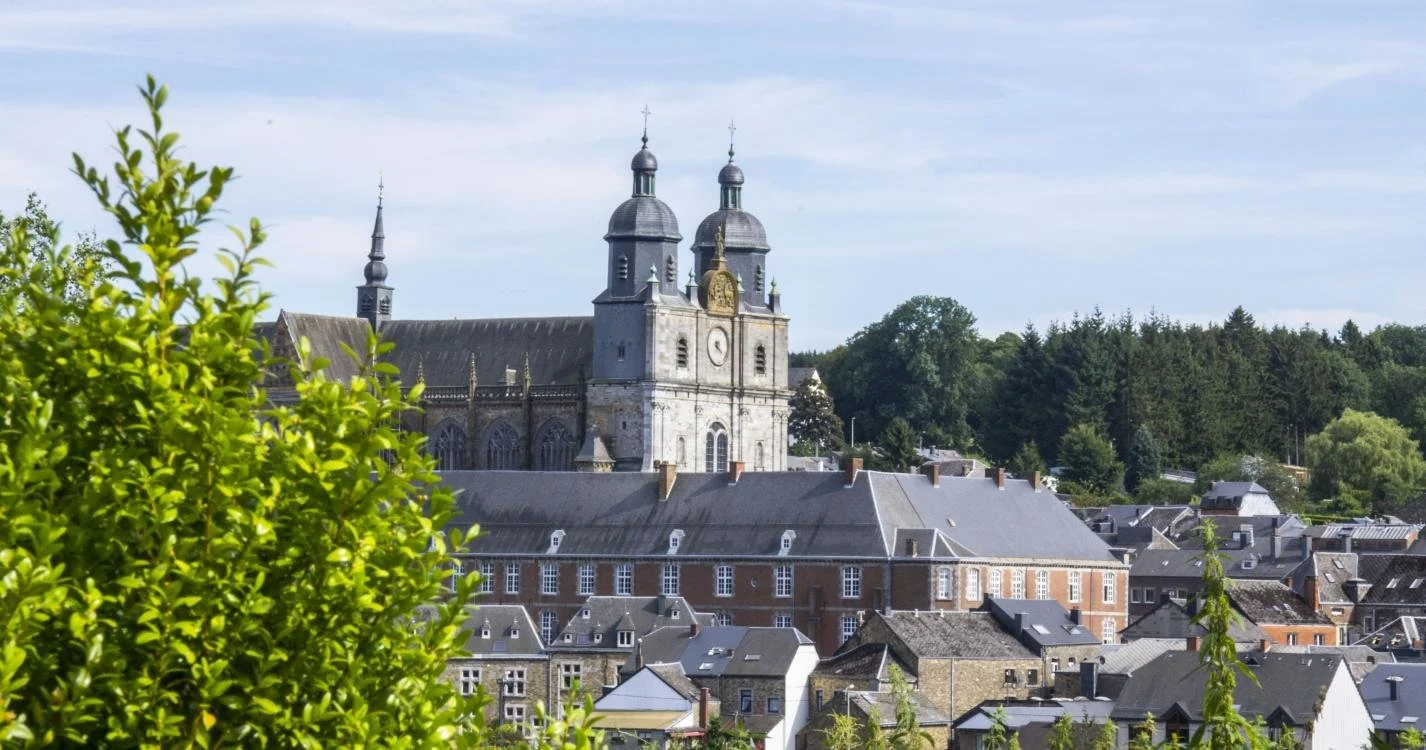
Spend the daylight hours exploring Saint-Hubert itself. The basilica and compact town centre make a useful break between forest excursions, especially if September rain arrives.
Before entering the forest, visit or contact the local tourist office for the current access map. During the rut, sections of the Saint-Hubert massif are normally closed from the evening until the following morning. Specific listening points and permitted routes may remain accessible, but these can change from year to year.
Book a guided excursion for your first evening. The Saint-Hubert tourism office publishes organised walks, educational evenings and occasional horse-drawn-carriage outings. Places are limited and popular dates can sell out.
A guide is valuable not because they can summon the deer, but because they understand the permitted access points and know how to interpret what you hear. A distant roar can travel surprisingly far through the forest and does not necessarily indicate that an animal is close.
Stay in Saint-Hubert or Hatrival.
Day 3: Forest Walking by Day, Listening at Dusk
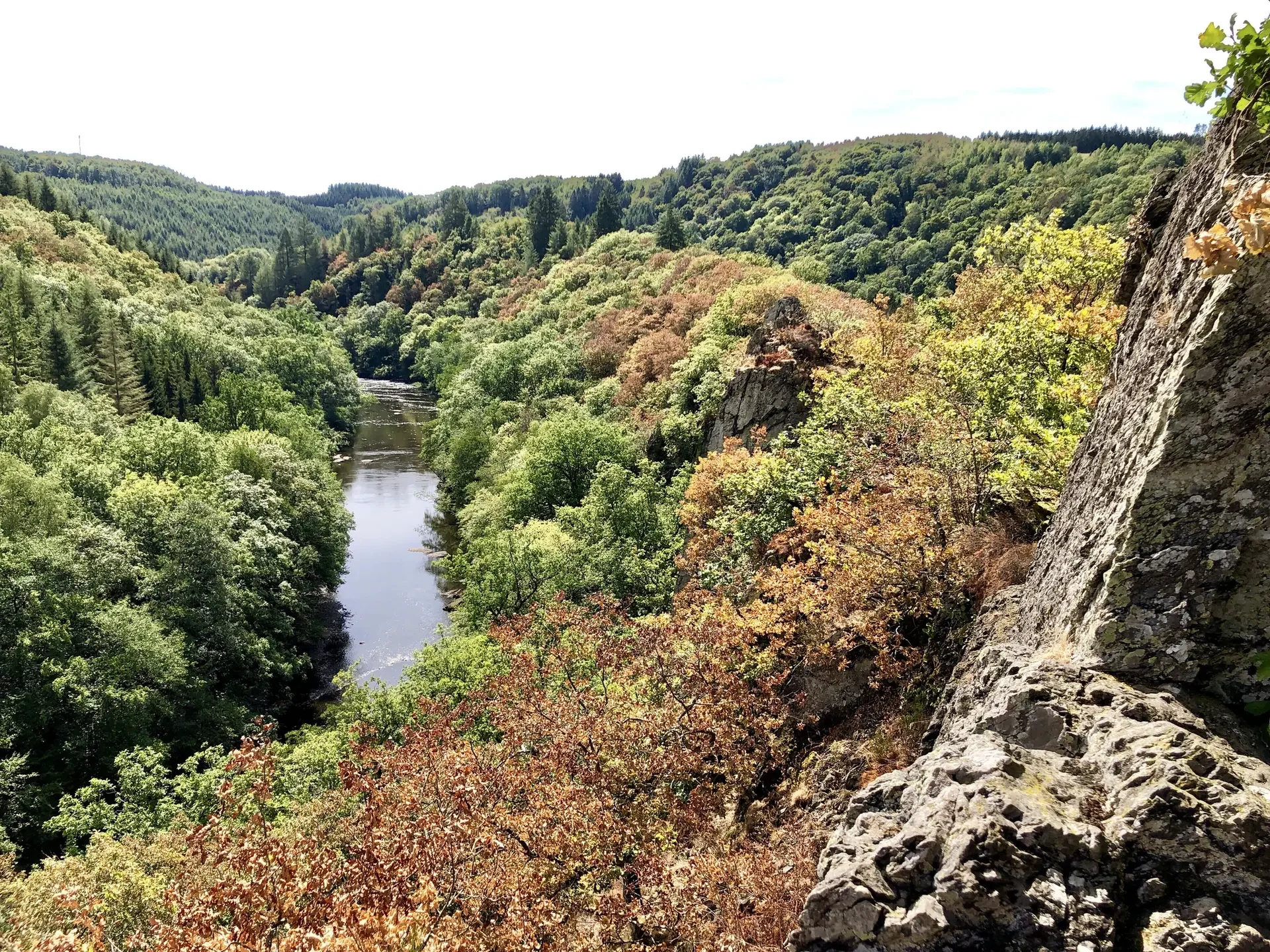
Keep the morning flexible. After a late evening in the forest, begin with a short marked trail rather than attempting an ambitious cross-Ardennes hike.
Remain on open paths and obey every temporary sign. Rut-related closures protect the deer from disturbance, while other autumn restrictions may be connected to forestry work or hunting. A route shown on a walking app is not permission to ignore a barrier placed at the forest entrance.
During the afternoon, move towards Tenneville or Champlon. This area provides a quieter second base and occasionally hosts educational rutting evenings. Programmes can include an introduction to deer behaviour, a meal and directions to authorised listening points.
Choose a second guided event if one matches your dates. Otherwise, use only an officially designated listening location confirmed by the tourism office. Do not follow calls deeper into the forest.
The objective is to remain still and let the sound come to you. You may hear several males answering across the valley without seeing a single animal. In a dense forest, that is a complete wildlife experience—not a failed one.
Stay in Champlon, Tenneville or return to Saint-Hubert.
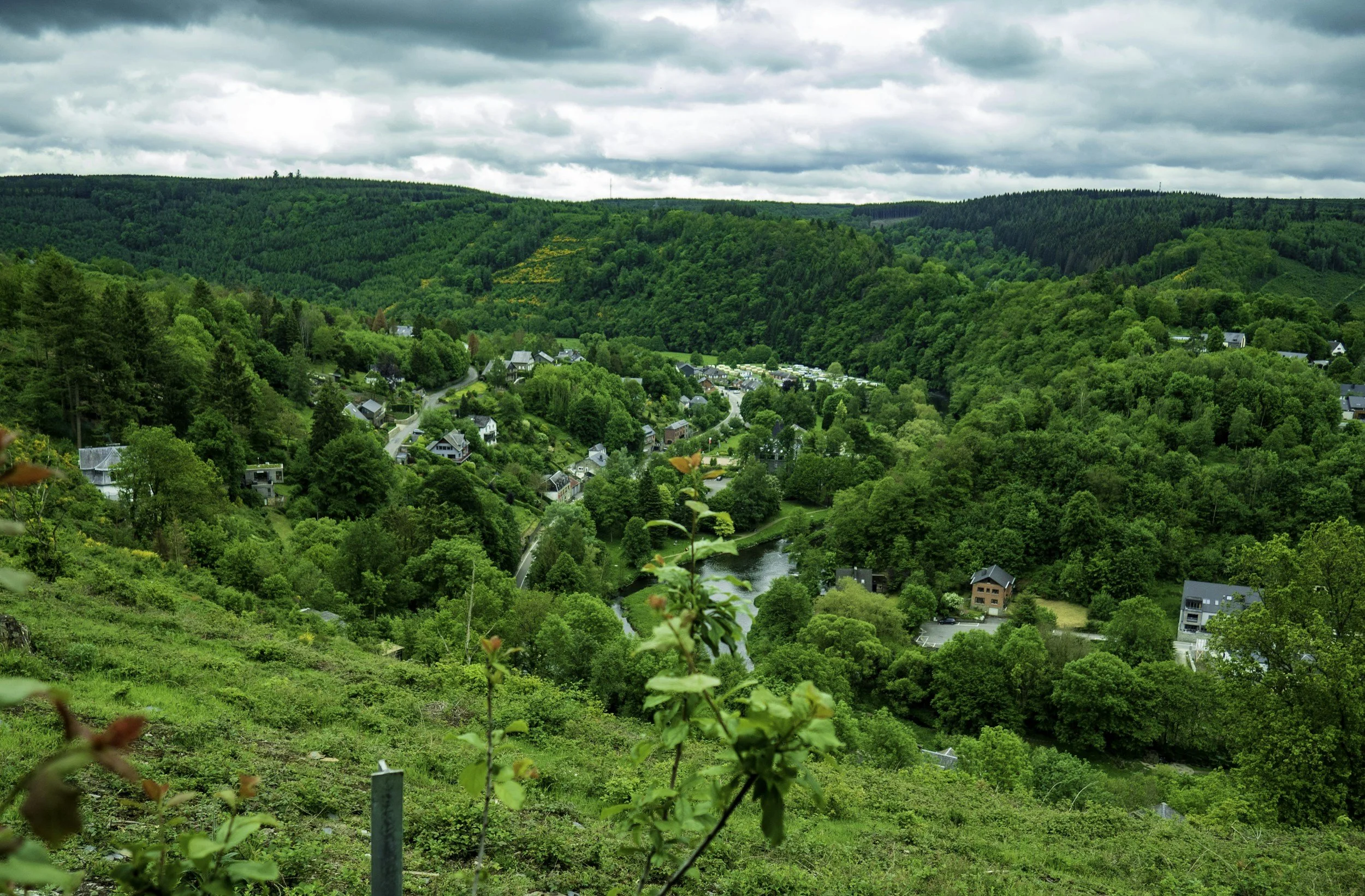
Day 4: Finish in La Roche-en-Ardenne
Travel north towards La Roche-en-Ardenne for a final day beside the River Ourthe.
The town provides a change of pace after two wildlife-focused evenings. Walk to a viewpoint, explore the castle area or choose a riverside route that remains outside restricted forest sectors.
If you have not yet heard the rut, check whether a guided activity is available locally. Do not compensate by searching independently after dark. Deer detect people long before people detect deer, and moving closer can interrupt natural behaviour while placing you in an unfamiliar forest with limited visibility.
From La Roche-en-Ardenne, continue towards Liège, Namur or Brussels depending on your onward journey.
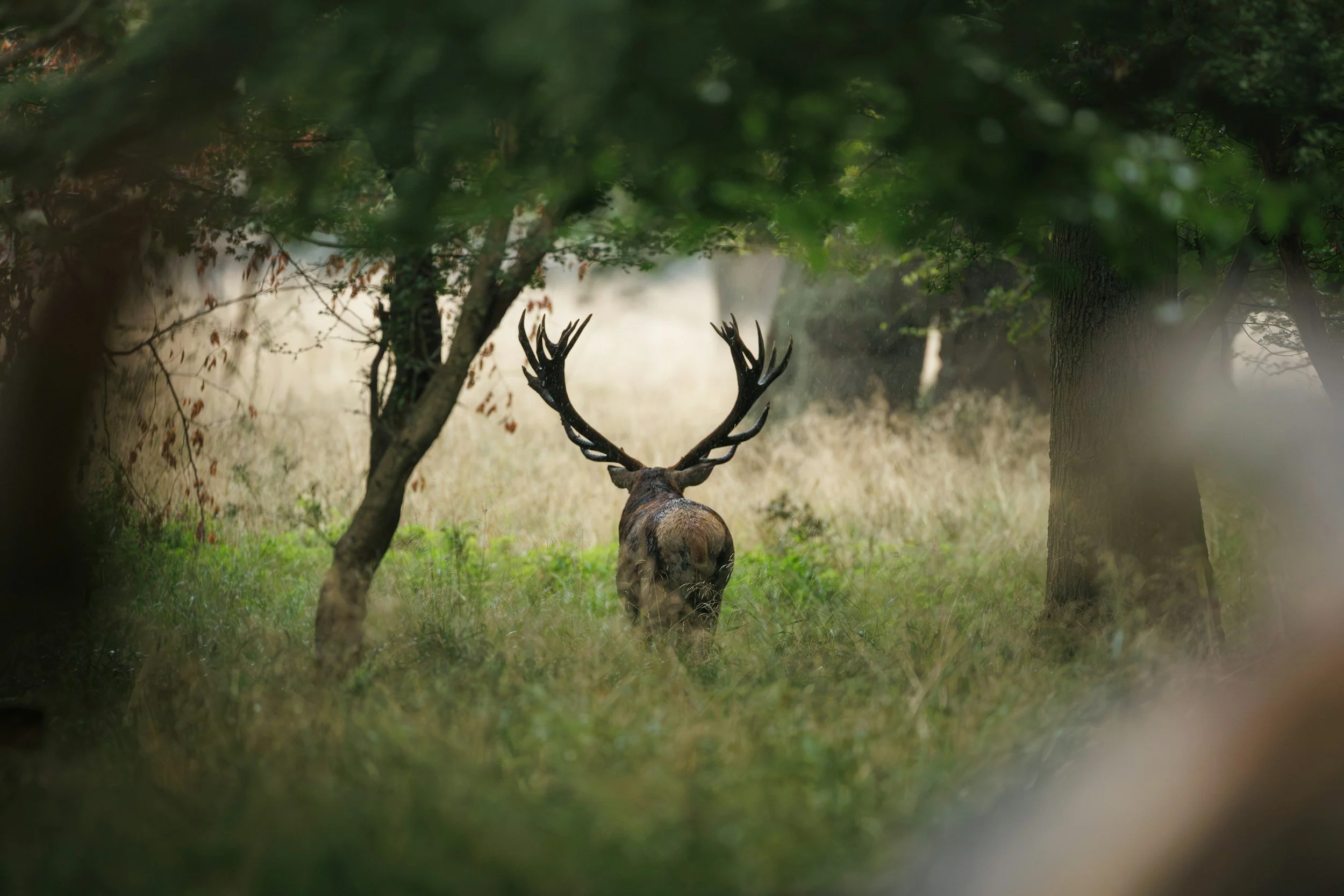
How to Observe Without Disturbing the Deer
Wear dark, quiet clothing and proper waterproof footwear. Avoid perfume, keep your phone silent and use the lowest practical light setting. Never illuminate an animal with a strong torch or camera flash.
Leave dogs behind, even if they are normally calm. Do not play recorded deer calls; these can provoke or distract males already expending significant energy during the rut.
Most importantly, respect seasonal closures. In previous seasons, parts of several Walloon forest massifs prohibited access from evening until morning, with only designated routes remaining open. Consult the current signs and official maps rather than copying access information from an older article.
Binoculars are more useful than trying to approach with a phone. For photography, use a long lens from an authorised location and accept that the forest may offer sound without a clear image.
Build the Trip Around Uncertainty
A red-deer rutting route cannot operate like a checklist. The animals may call from behind thick vegetation, change location or remain silent because of weather and disturbance.
That uncertainty is part of the experience. Over four days, the route moves from a guided reserve introduction to the deeper forests around Saint-Hubert and finally to the Ourthe Valley. Even without a perfect sighting, you still encounter the Ardennes at its most atmospheric—cool evenings, early autumn woodland and a sound that can carry through the darkness long before its source becomes visible.
✍️ This blog was written by Sophia.
