

Brussels: A City Guide That Actually Makes Sense
Brussels doesn’t try to impress you immediately. It’s not built like Paris or Rome where everything is obvious the moment you arrive. It’s quieter, more layered, and a bit harder to read at first. But once you understand how the city works, it becomes one of the most rewarding places to walk through.
This is not a city you “tick off.” It’s a city you move through slowly—street by street, neighborhood by neighborhood. And if you try to rush it, you’ll miss the point completely.
✍️ Ethan · May 19, 2026

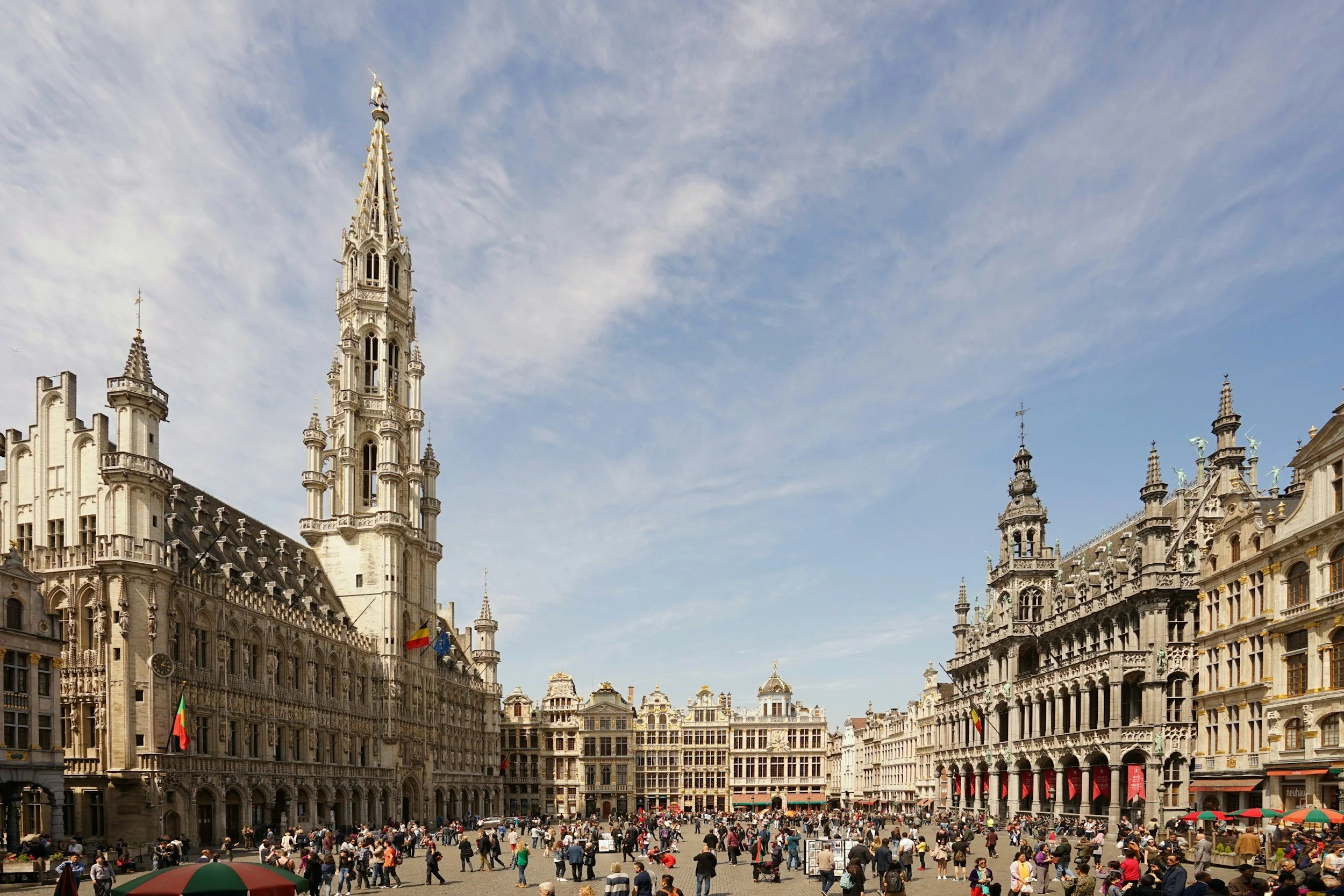
Grand Place
Everything in Brussels begins here, whether you plan it that way or not.
Grand Place isn’t just a central square—it’s the historical core of the city. What you see today is mostly a reconstruction from the late 17th century. In 1695, French troops bombarded Brussels, destroying much of the square. What followed was a rapid and coordinated rebuild by the city’s guilds, which is why the buildings feel unified but still individually detailed.
Each façade represents a different trade guild—brewers, bakers, merchants—and that’s why the architecture feels decorative without being random. The gold detailing isn’t there to impress tourists; it was originally a statement of power and status.
The Brussels Town Hall dominates the square with its asymmetrical Gothic structure. It looks slightly off-balance if you stare long enough, which is not accidental. Medieval builders prioritized presence over symmetry.
The mistake most people make here is timing. They arrive midday, when the square is full, take a photo, and leave. But Grand Place changes completely depending on the hour. Early morning, it feels almost empty and architectural. Late evening, when the lights come on, it feels heavier and more theatrical.
This isn’t a place to pass through once. You come back to it.
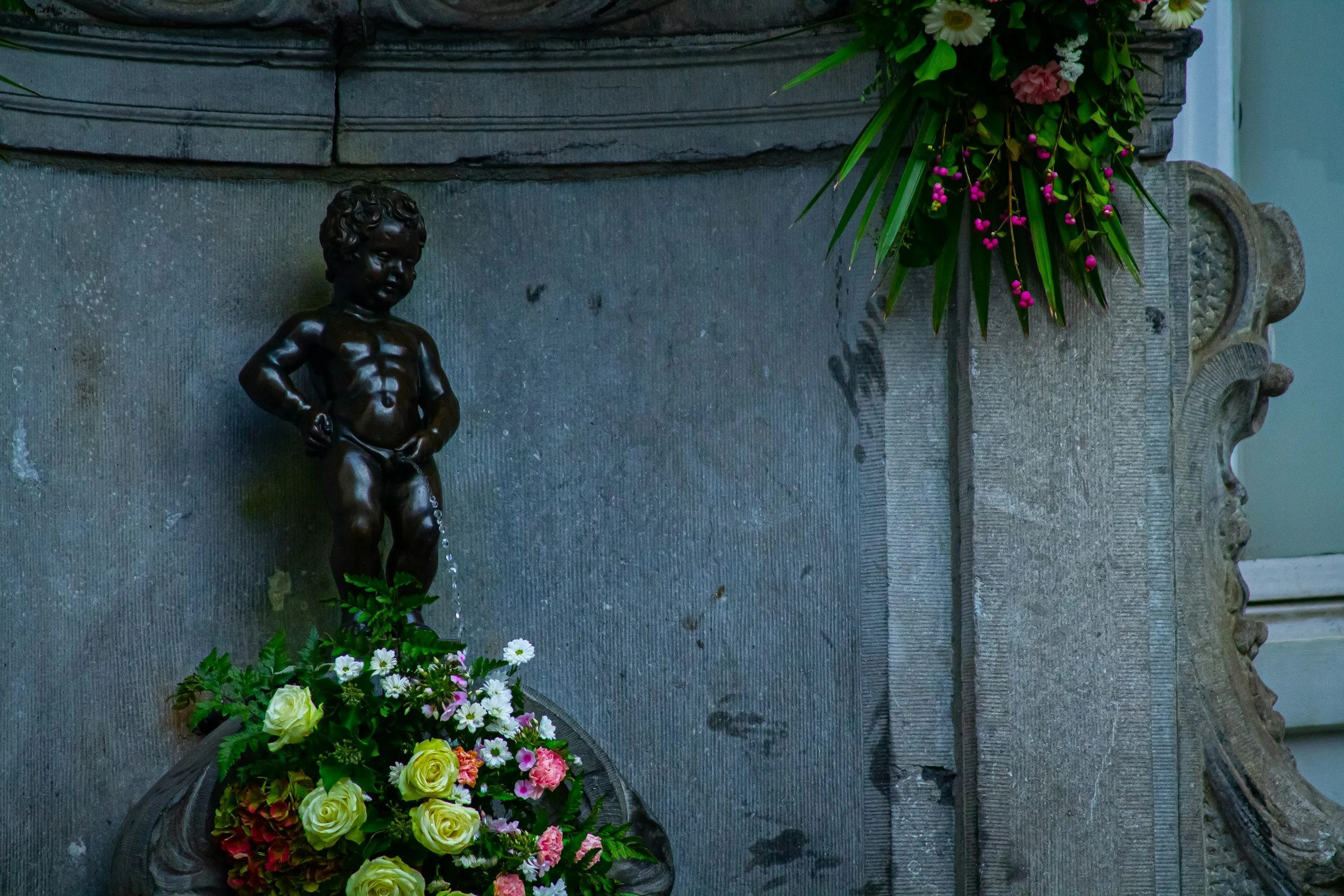
Manneken Pis
You will hear about it before you see it, and when you finally get there, the first reaction is usually confusion.
It’s small. Much smaller than expected. And that’s exactly why it matters.
Manneken Pis dates back to the early 17th century, though earlier versions existed before that. The statue represents a boy urinating into a fountain, which sounds like a joke—and in some ways, it is. But it also reflects something deeper about Brussels: a kind of quiet resistance to taking itself too seriously.
There are multiple stories behind it. One says the boy saved the city by extinguishing a fuse with his urine. Another suggests it was a symbol of independence. None of them are confirmed, and that ambiguity is part of the point.
Over time, the statue became part of a tradition. It is regularly dressed in costumes, and there are hundreds of them stored in the city’s collection. This isn’t just for tourists—it’s something the city actively maintains.
The mistake here is expecting scale or grandeur. Manneken Pis isn’t meant to impress you. It’s meant to represent the tone of the city: slightly ironic, slightly understated, and very aware of itself.
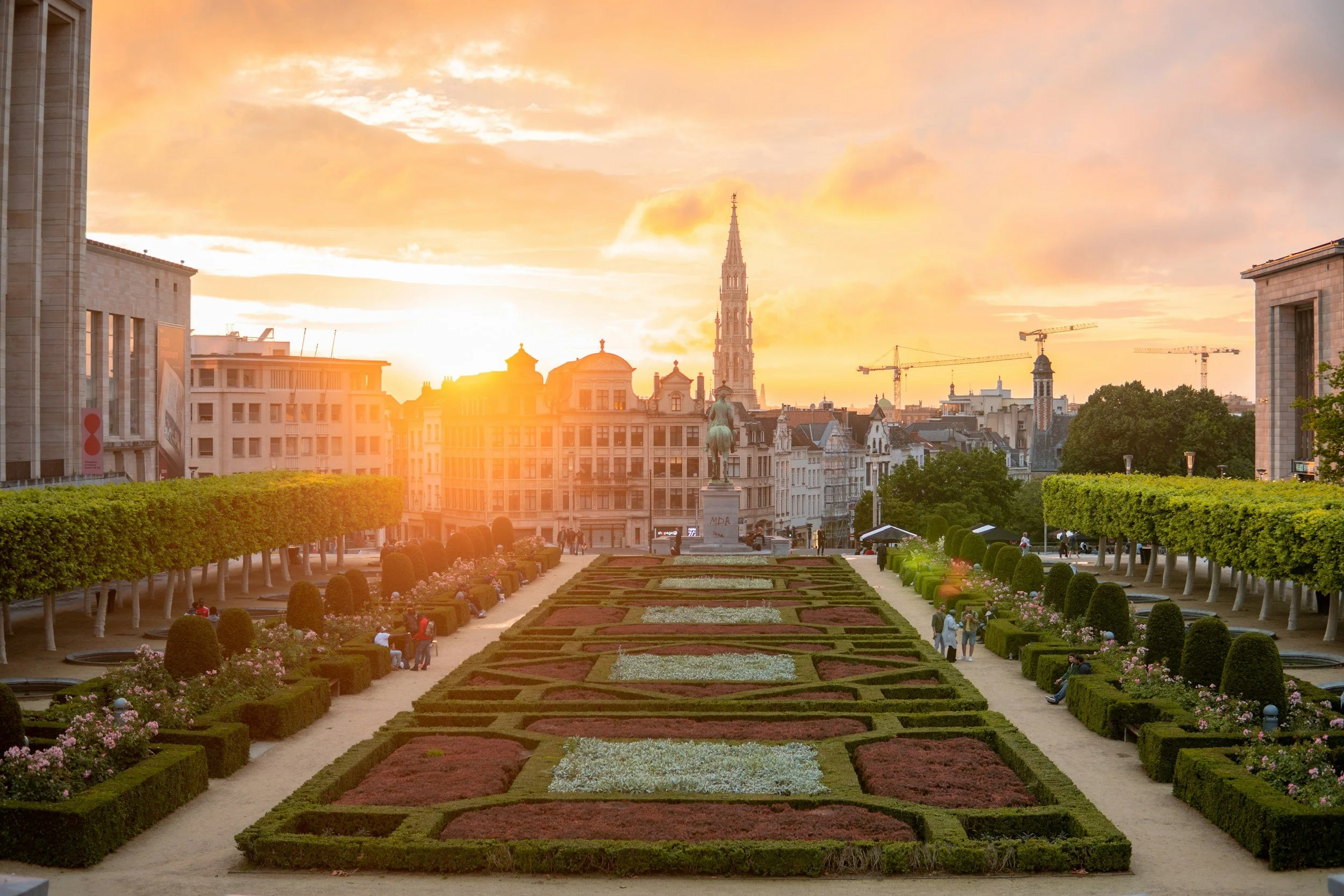
Mont des Arts
From here, Brussels starts to make more sense.
Mont des Arts connects the upper and lower parts of the city, both physically and culturally. It was developed in the early 20th century as part of a broader plan to reshape Brussels into a more formal European capital.
The gardens are structured, almost rigid, which contrasts with the surrounding streets. This isn’t accidental. It was designed to create a visual axis—from the Royal Palace down toward the city center.
What makes this place important isn’t just the view, although the view is one of the best in Brussels. It’s the concentration of institutions around it. The Royal Library of Belgium, museums, and cultural spaces all sit within walking distance.
It’s one of the few places where Brussels feels intentionally designed rather than organically grown.
Come here in the late afternoon. The light softens, the city opens up in front of you, and the structure of Brussels becomes clearer. You start to understand how everything connects.
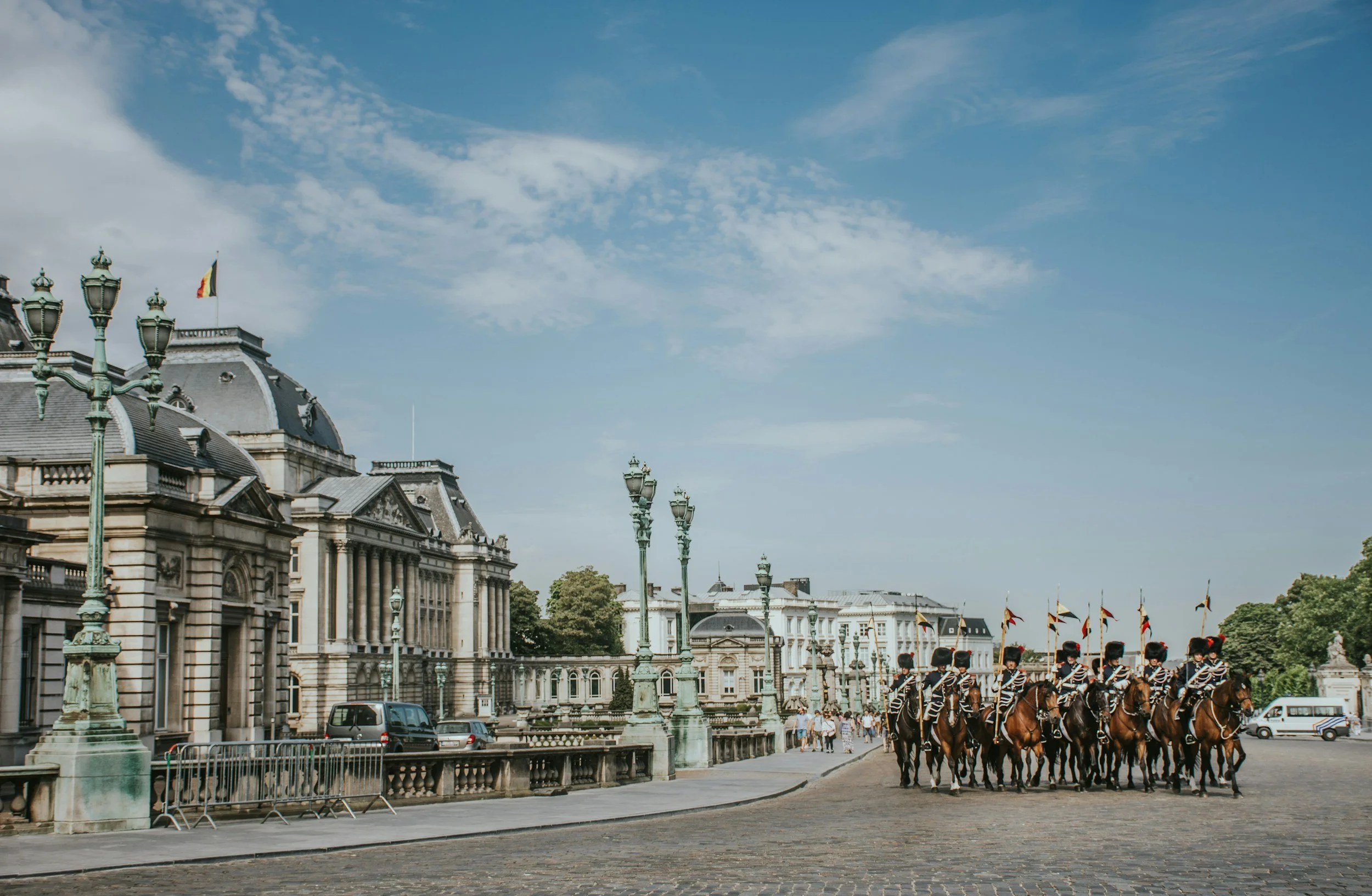
Royal Palace of Brussels
The Royal Palace sits just beyond Mont des Arts, facing Brussels Park, and represents another layer of the city—its political identity.
Belgium is a constitutional monarchy, and while the royal family doesn’t rule in the traditional sense, the palace remains a symbol of national structure.
The current building was developed primarily in the 19th century, though it stands on much older foundations. Its neoclassical style is deliberate. Unlike the decorative guild houses of Grand Place, this architecture is about control, order, and authority.
What’s interesting is how accessible it feels from the outside. There are no dramatic barriers, no overwhelming sense of distance. You can walk up to it, stand in front of it, and move on.
During summer, parts of the interior open to the public. If you happen to be there at the right time, it’s worth stepping inside—not because it’s extravagant, but because it contrasts so clearly with the rest of the city.
Atomium
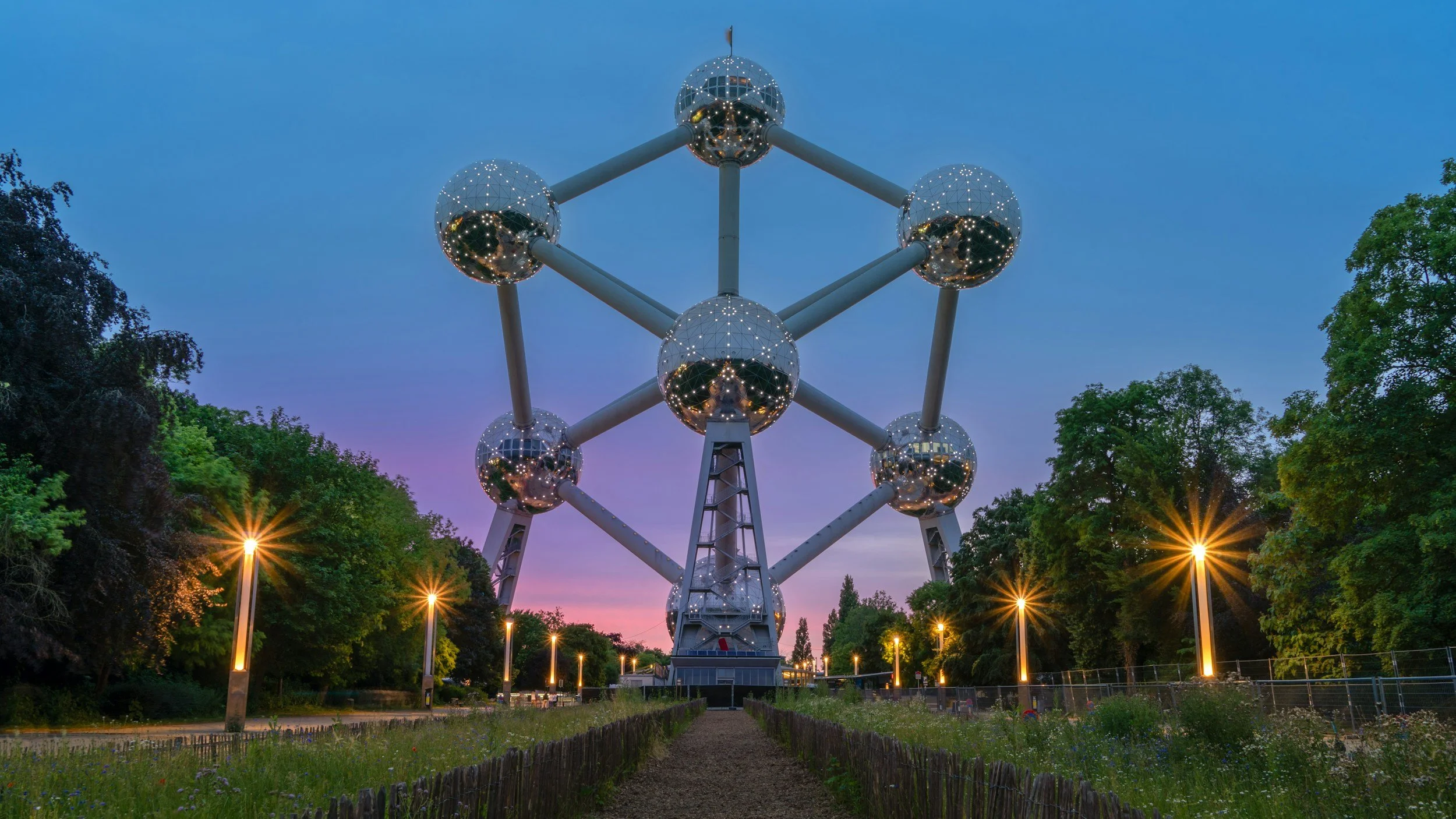
The Atomium feels like it belongs to a different city.
Built for the 1958 World Expo, it represents an iron crystal magnified 165 billion times. At the time, it was meant to symbolize scientific progress and optimism about the future.
Unlike the historic center, this part of Brussels is more open, more modern, and less dense. The structure itself is not just a monument—you can go inside, move through the connecting tubes, and reach different spheres that host exhibitions.
What makes the Atomium interesting today is not just its design, but its contrast. It shows a version of Brussels that was trying to redefine itself after the war—forward-looking, experimental, and international.
It’s slightly out of the way, which is why many short trips skip it. But if you want to understand the full identity of the city, it matters.
Galeries Royales Saint-Hubert
Brussels hides some of its best spaces behind doors you might walk past without noticing. This is one of them.
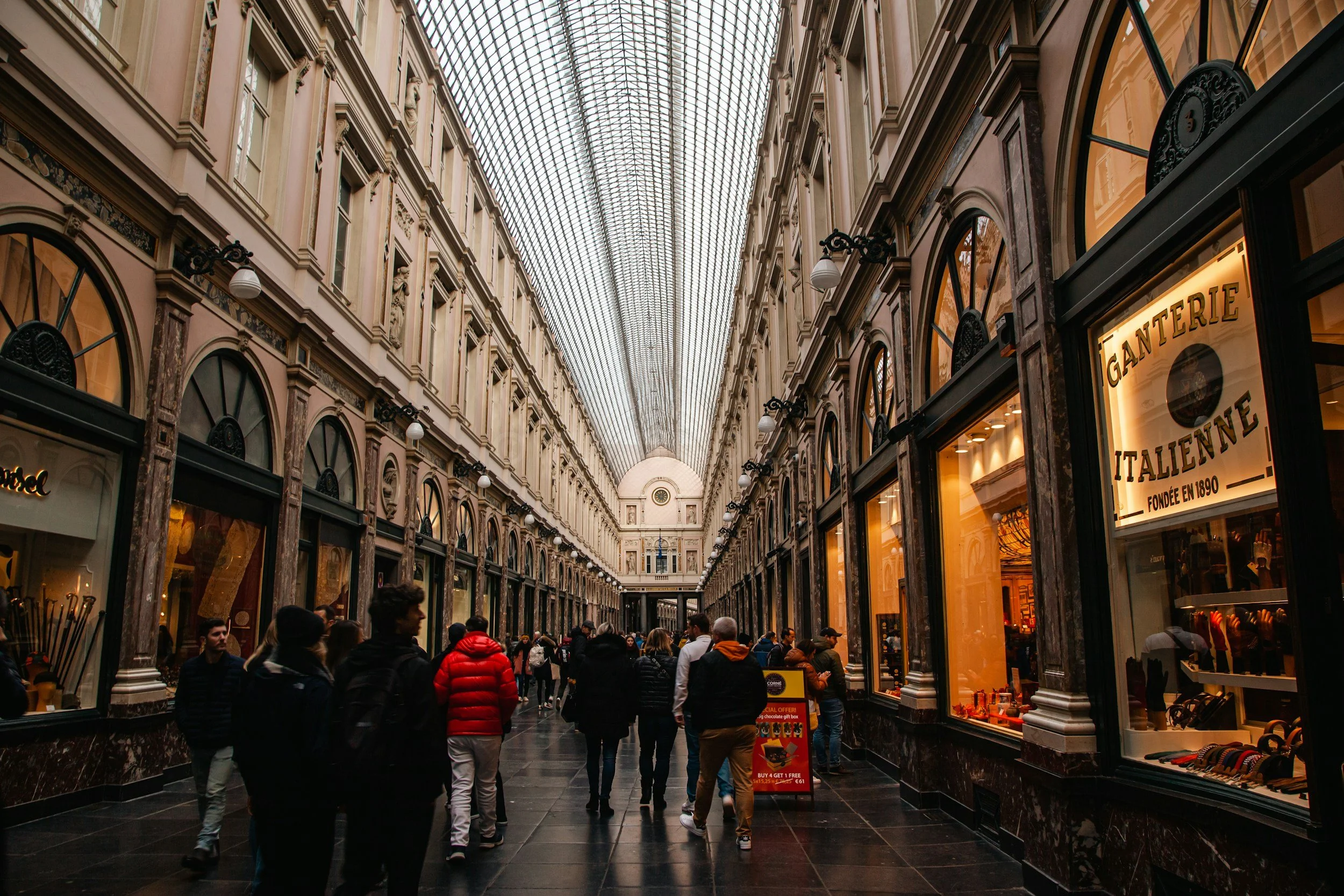
Opened in 1847, the Galeries Royales Saint-Hubert are among the first covered shopping arcades in Europe. Long before modern malls existed, this was already a place where people came not just to shop, but to spend time, walk, and be seen.
The architecture is precise and controlled. Glass roof above, symmetrical storefronts on both sides, and a long corridor that pulls you forward. It was designed to feel refined, almost protected from the unpredictability of the streets outside.
Writers like Victor Hugo once spent time here. That tells you what kind of place this used to be—not just commercial, but cultural.
Today, it still holds that tone. You’ll find chocolate shops, cafés, and boutiques, but the experience is less about buying something and more about the space itself. Walk through it slowly. It’s one of the few places in Brussels where the pace naturally drops.
Place du Sablon
Sablon feels different from the center. Less crowded, more deliberate.
Historically, this area was associated with the aristocracy and later became a hub for antique dealers and art collectors. That identity hasn’t disappeared. Even now, the square is surrounded by galleries, high-end chocolate shops, and cafés that don’t feel rushed.
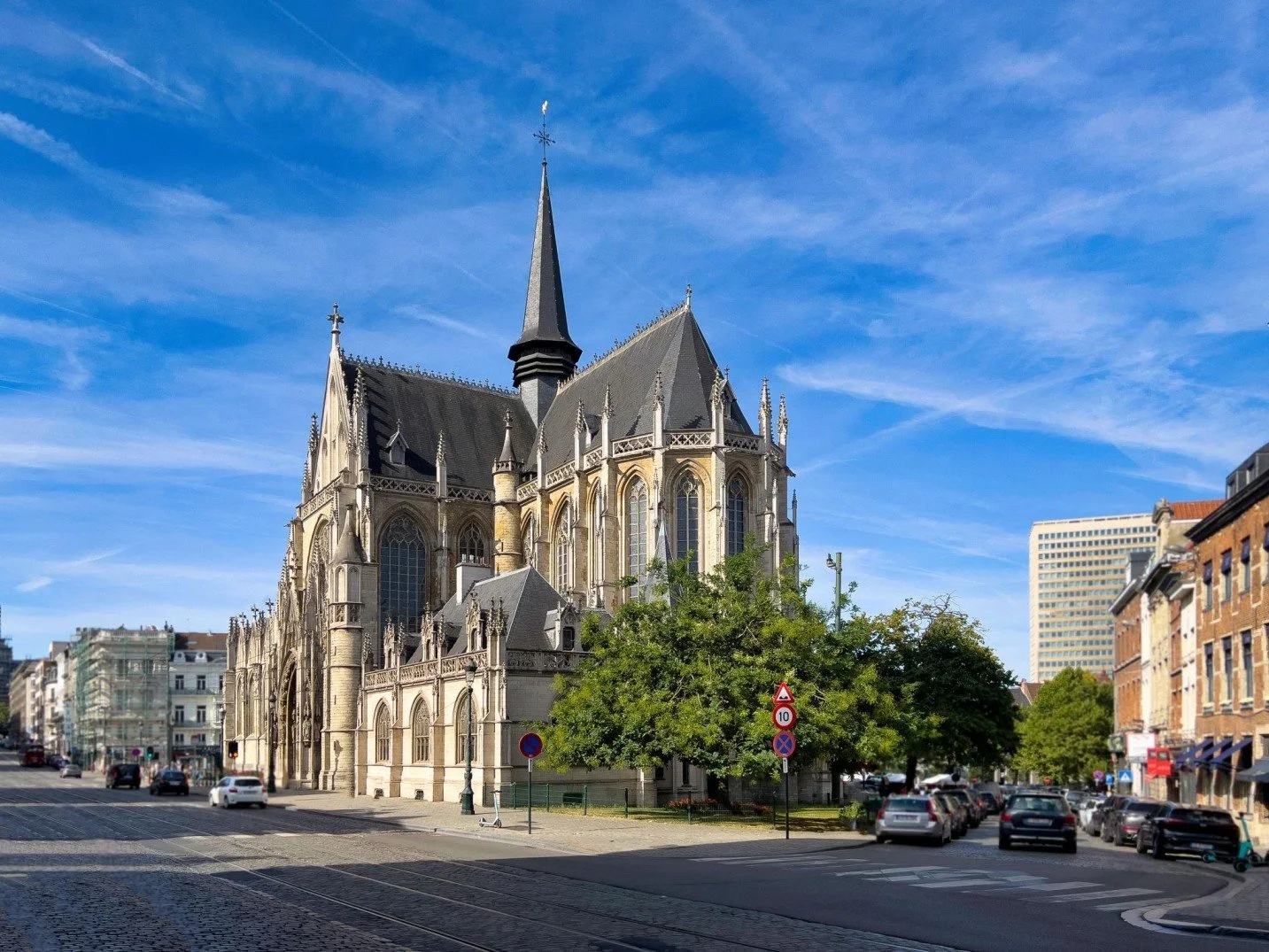
The Notre-Dame du Sablon dominates the area. It’s a late Gothic church, built between the 15th and 16th centuries, originally connected to a guild of crossbowmen. The level of detail in its structure is easy to miss if you don’t stop and look closely.
On weekends, the square often hosts antique markets. Not staged ones—actual dealers, actual pieces, and people who know what they’re looking for. Even if you’re not buying anything, it changes the atmosphere.
Sablon is where Brussels feels more local, more settled. It’s not trying to show itself. It just exists that way.
European Quarter
Brussels isn’t just historic. It’s also administrative, political, and modern in a way that doesn’t always match the old city.
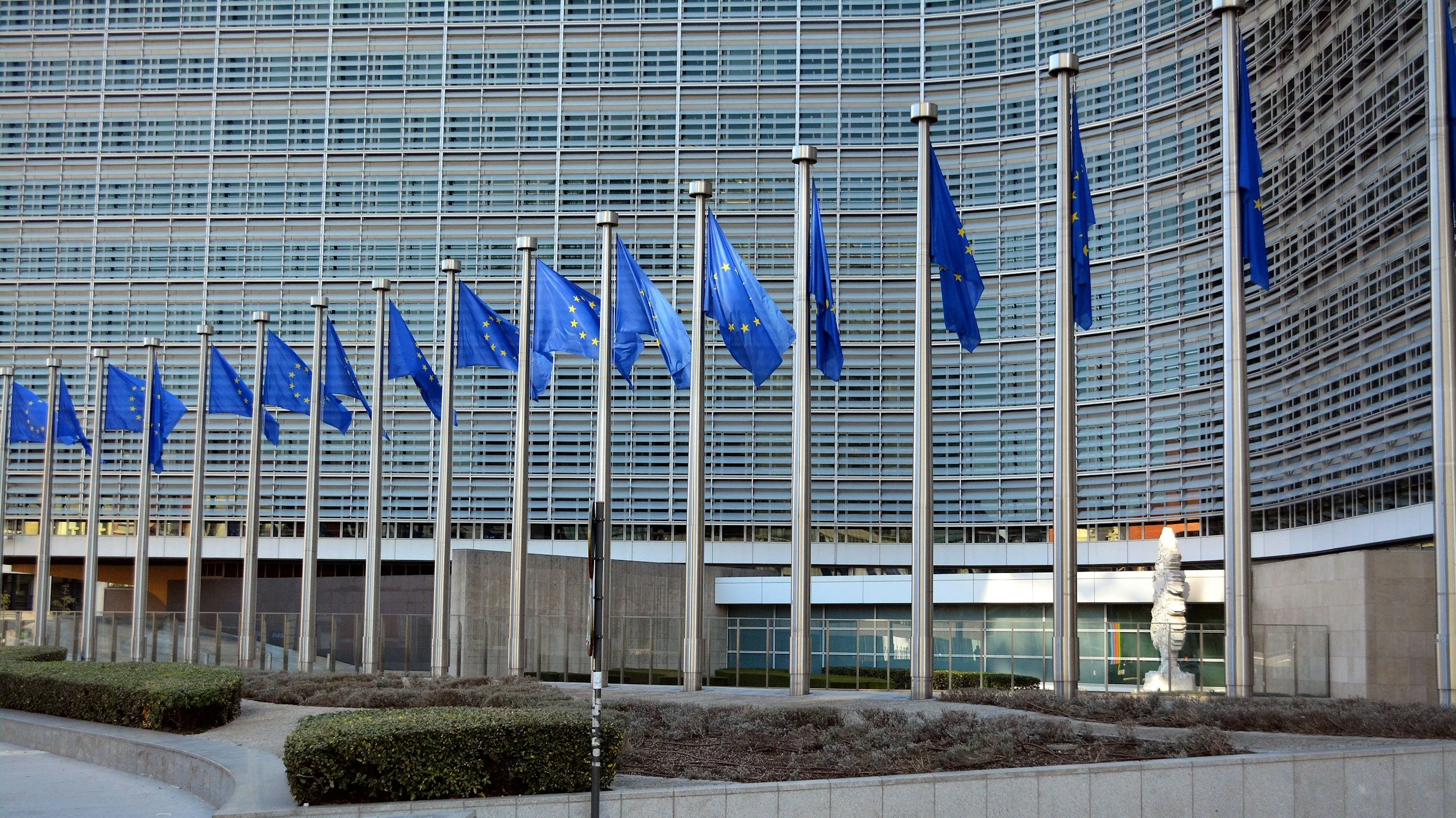
The European Quarter is where institutions like the European Parliament and the European Commission are based. This is where decisions that affect millions of people are made, which gives the area a very different energy.
Architecturally, it’s cleaner, more functional, and less decorative. Glass buildings, wide streets, controlled layouts. It can feel slightly disconnected from the rest of the city, but that’s because it serves a different purpose.
It’s worth seeing not because it’s beautiful, but because it explains Brussels’ role beyond tourism. This is not just a Belgian city. It’s effectively one of the political centers of Europe.
Saint-Gilles
If you stay only in the center, you miss a different version of Brussels.
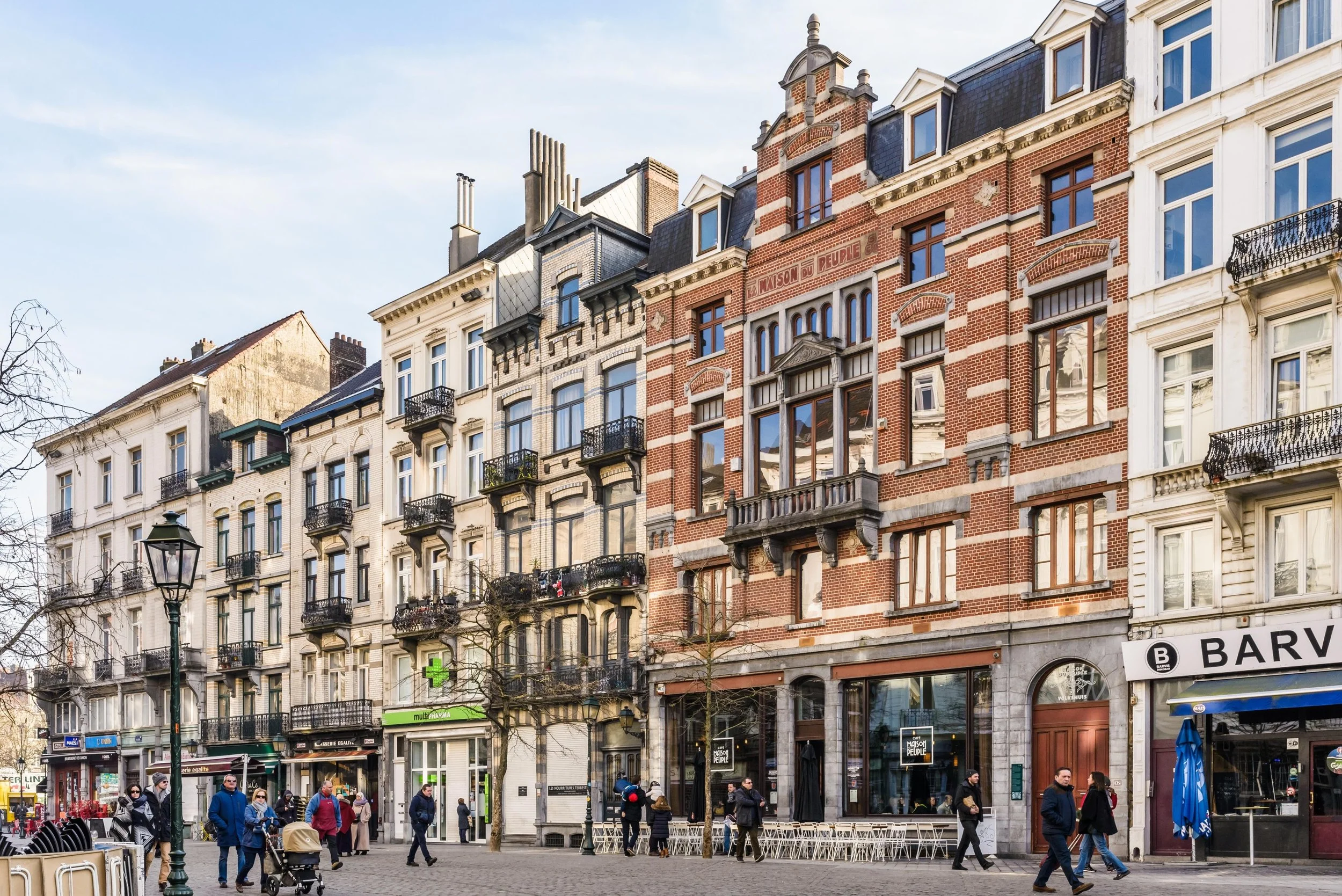
Saint-Gilles is where the city becomes more residential, more everyday, but also more expressive. This area is closely tied to Art Nouveau, particularly through the work of Victor Horta, whose influence shaped much of Brussels’ architectural identity.
Buildings here aren’t grand in the traditional sense, but they are detailed in a different way. Curved lines, ironwork, subtle design choices that don’t immediately stand out unless you’re paying attention.
The streets feel lived-in. Cafés are less about quick stops and more about staying. It’s quieter, but not empty.
This is where you start to understand Brussels beyond its landmarks.
How to Move Through Brussels
Brussels is not a city that demands strict planning.
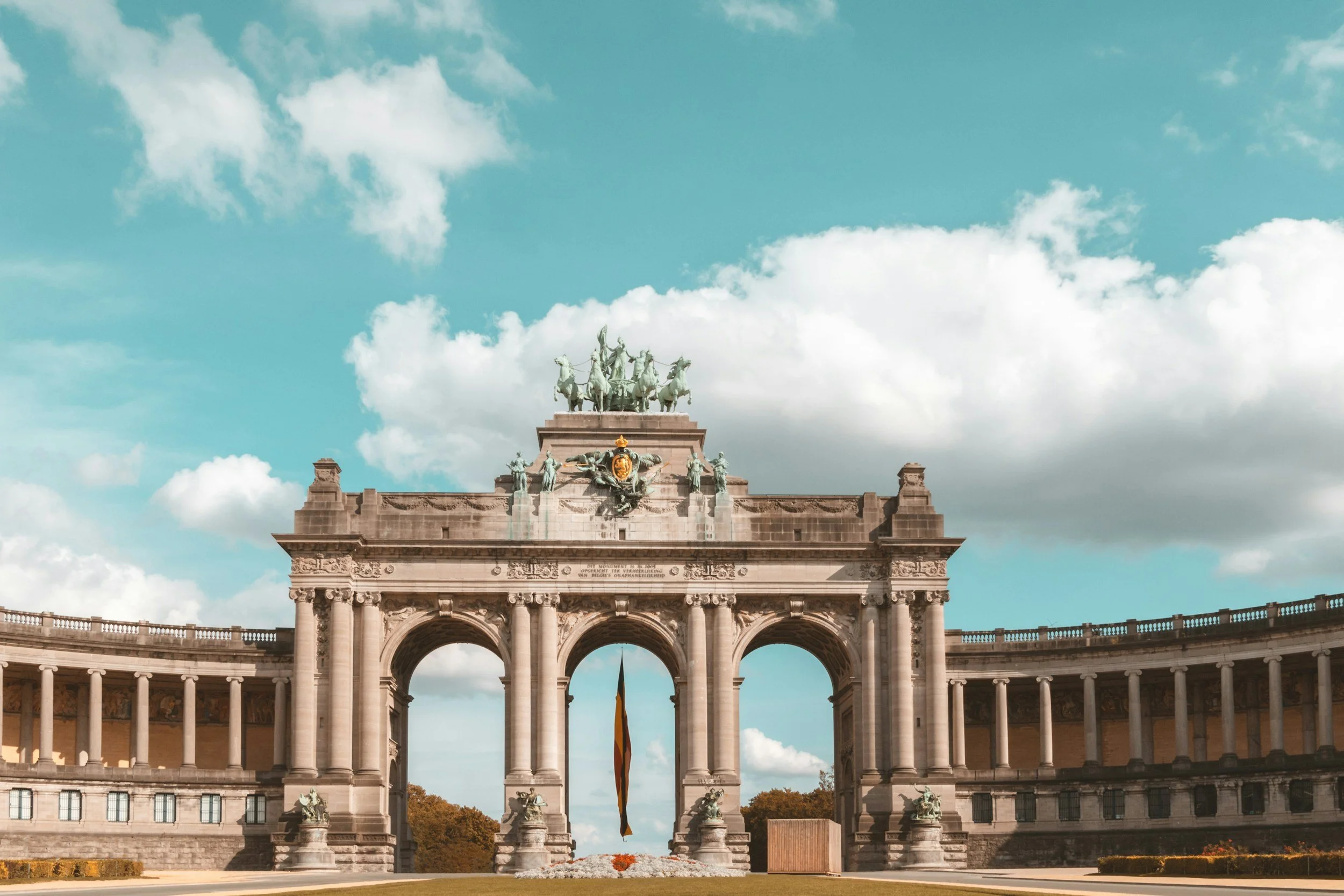
The center is compact. You can walk between most major points without thinking too much about transport. When you need it, the metro and tram system is straightforward, but you won’t rely on it constantly.
The key is not to overstructure your time. If you try to map out every hour, the city feels fragmented. If you let it flow—moving from one area to another without rushing—it starts to connect naturally.
Distances are short, but the experience changes quickly depending on where you are. That’s what makes it interesting.
When to Go
Brussels doesn’t rely on a specific season.
Spring and early summer feel lighter, with more activity outdoors. Autumn works just as well, especially for walking and spending time in cafés. Winter is quieter, but the city still holds its atmosphere, especially around the central areas.
The only real difference is density. The experience doesn’t change dramatically with the season, which makes timing less critical than in other cities.
Final Thoughts
Brussels is not built to impress instantly. It doesn’t give you everything upfront.
You understand it in layers. First the center, then the structure, then the neighborhoods. And somewhere in between, it starts to make sense.
If you approach it slowly, without trying to force it into a checklist, the city opens up in a way that most places don’t.
✍️ This blog was written by Ethan.
