
The Anti-Amalfi Itinerary: Cilento Coast Villages for a Slower Italian Summer
The Cilento Coast begins south of Salerno, but it feels far removed from the polished hotels and crowded viewpoints of Amalfi.
Here, the coastline stretches for more than 100 kilometres through fishing villages, archaeological sites, olive-covered hills and protected coves. You will find fewer headline attractions and more reasons to stay in one place: a long lunch, an afternoon swim or an evening walk around a small harbour.
Cilento is not deserted in August. Italian families fill its beach towns, accommodation books up and coastal roads become busy. The difference is in the rhythm. Instead of racing between famous towns, this seven-day route moves gradually south from Paestum to Marina di Camerota.
✍️ Ava · August 2, 2026

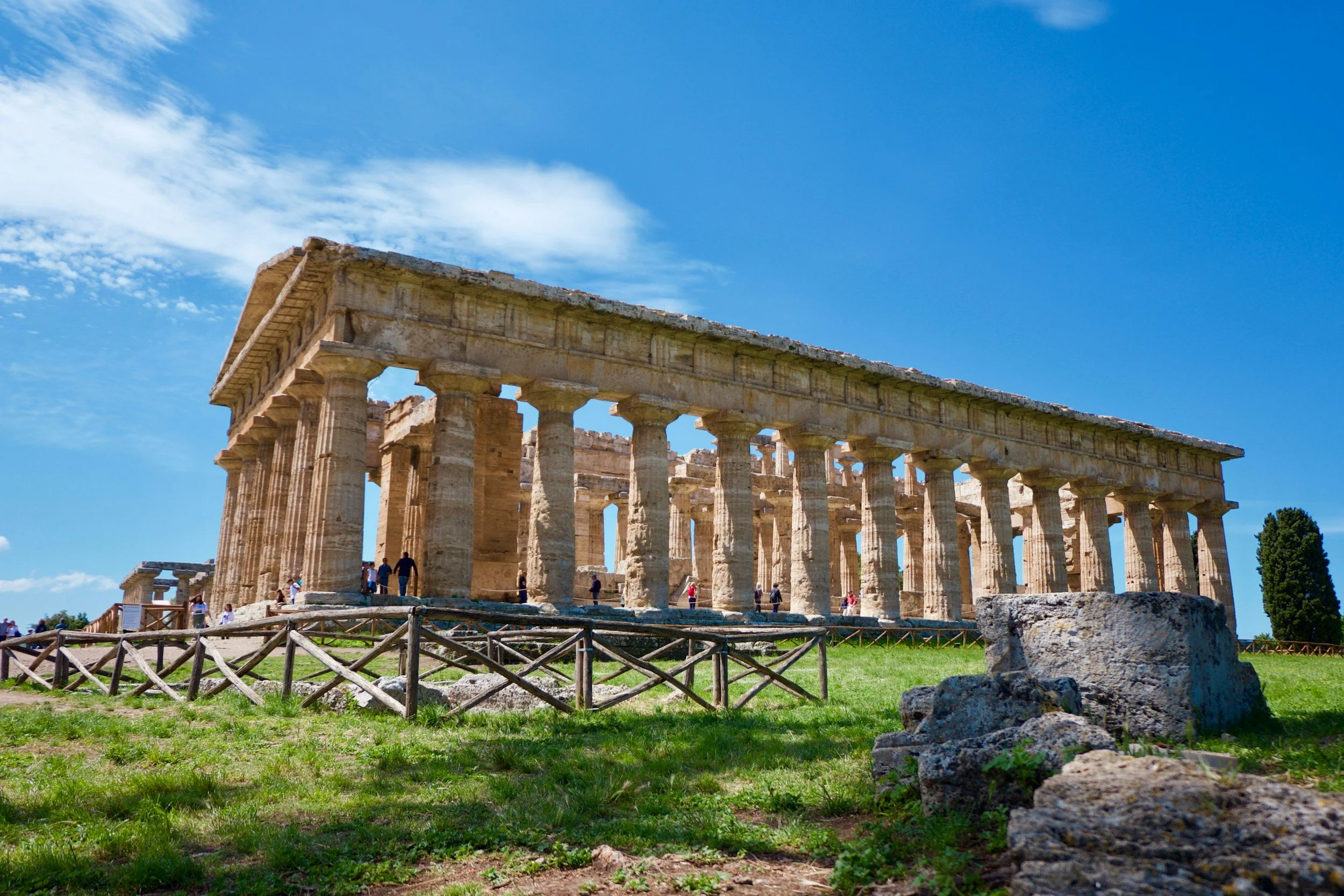
Day 1: Paestum and the Temples
Travel south from Naples or Salerno and begin at Paestum, where three remarkably preserved Greek temples stand within a UNESCO-listed archaeological site.
Visit when the site opens or later in the afternoon rather than walking among exposed ruins during the strongest midday heat. Check the current opening hours and ticket conditions before travelling.
Paestum is also one of Italy’s most important buffalo mozzarella-producing areas. Visit a local dairy or farm that offers tastings, but reserve ahead rather than arriving unannounced.
Try:
Fresh mozzarella di bufala
Buffalo-milk ricotta
Local tomatoes with olive oil
Artichokes from the Paestum area
Gelato made with buffalo milk
Stay near Paestum or continue to Agropoli for the night. Agropoli offers a livelier historic centre and makes a convenient transition between the archaeological site and the smaller coastal villages ahead.
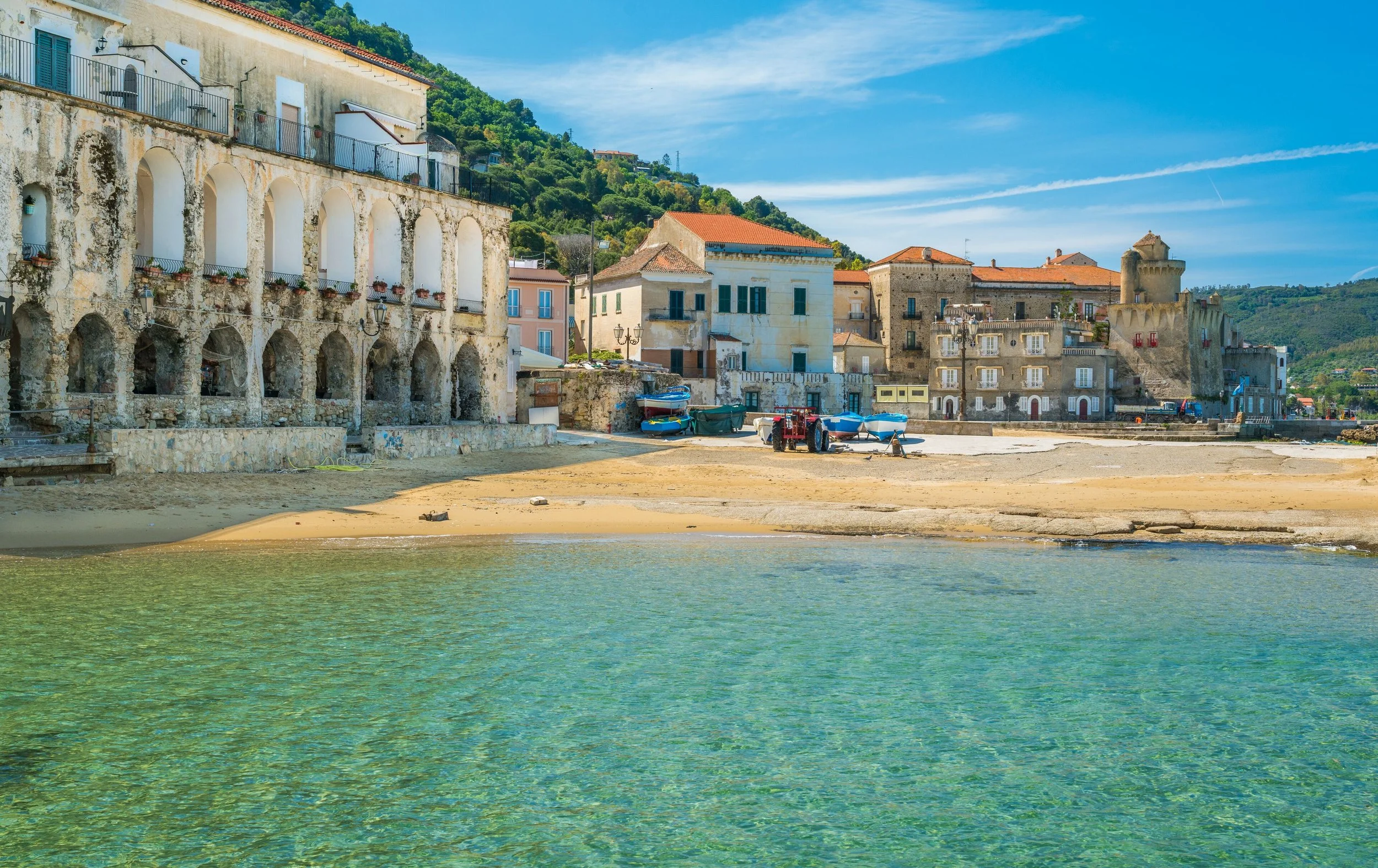
Days 2–3: Castellabate, Santa Maria and Punta Licosa
Base yourself around Santa Maria di Castellabate for two nights.
The medieval village of Castellabate sits above the coast, while Santa Maria and nearby San Marco place you closer to beaches and restaurants. Visit the hilltop village in the morning or evening, when its lanes and viewpoints are more comfortable to explore.
Use the middle of the day for the sea and a long lunch. Order local anchovies, handmade pasta or grilled fish rather than searching for an elaborate tasting menu.
On your second day, explore Punta Licosa, part of the protected marine area of Santa Maria di Castellabate. Its clear water, pine forest and rocky shoreline reward a slower visit, but it is not a conventional serviced beach in every section. Bring water, suitable footwear and sun protection, and confirm current access arrangements locally.
This is also the right place to stop over-planning. Choose one beach, one lunch and one evening village rather than trying to cover the entire municipality in a day.
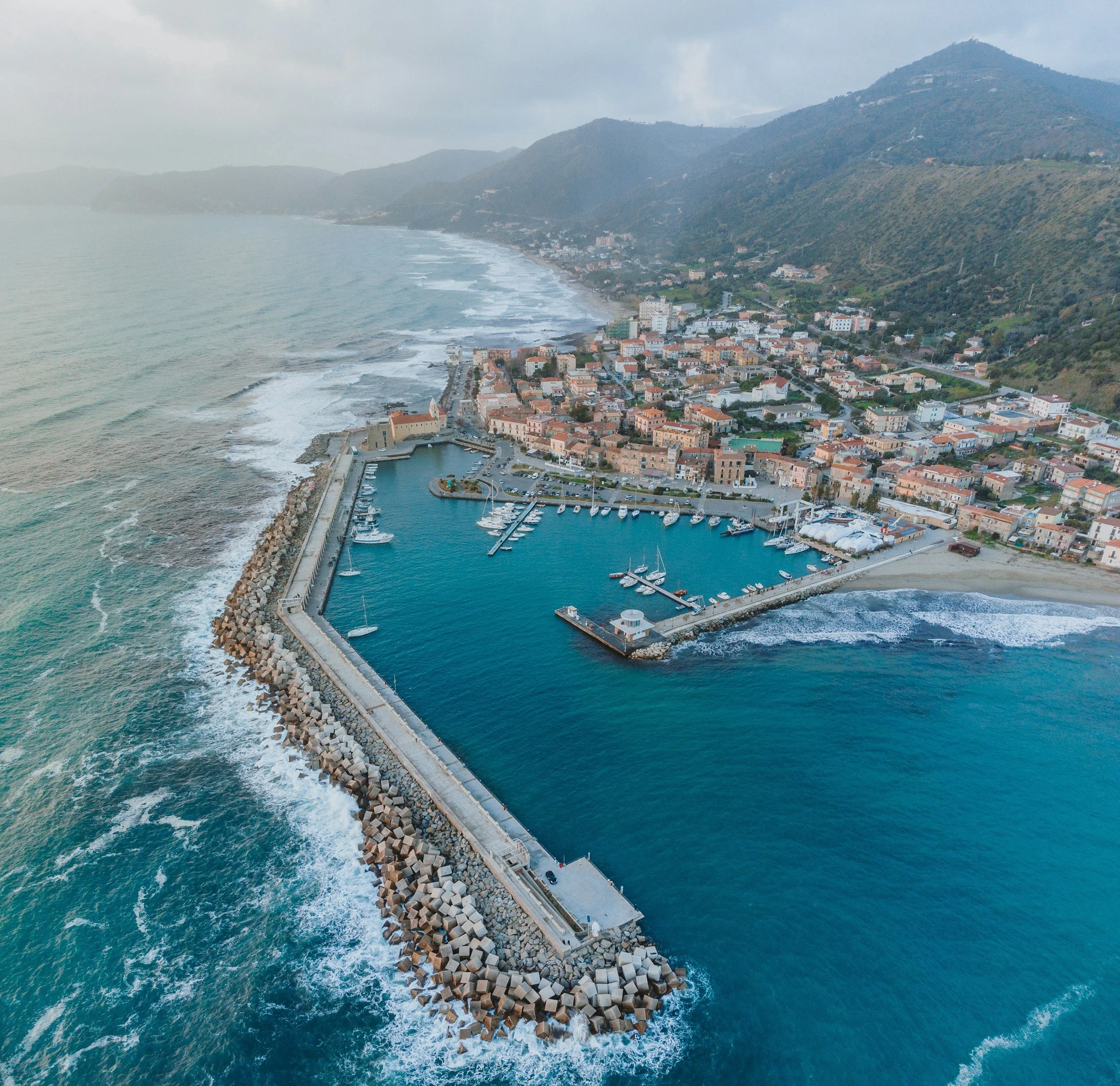
Days 4–5: Acciaroli and Pioppi
Continue south to Acciaroli, a fishing village centred around a small harbour. It is one of Cilento’s best bases for doing very little well: morning coffee, swimming, lunch and a waterfront walk after sunset.
Spend your first day in Acciaroli itself. Look for:
Local anchovies
Grilled or baked fish
Cavatelli or fusilli cilentani
Vegetables dressed with Cilento olive oil
Figs and seasonal fruit
Regional white wine
The following morning, travel to nearby Pioppi. This small coastal village is closely connected to research into the Mediterranean diet and houses the Living Museum of the Mediterranean Diet.
The lesson here is not a rigid “diet” but a local pattern: vegetables, legumes, grains, olive oil and modest portions of fish and meat, combined with regular movement and shared meals.
Pioppi is small enough to combine with a beach afternoon, but check museum and restaurant hours before setting out. Do not assume every business will remain open continuously through the afternoon.
Return to Acciaroli for the evening rather than changing accommodation again.

Day 6: Palinuro and Its Sea Caves
Move south to Palinuro, the most developed seaside destination on this route. Its headland is surrounded by caves, cliffs and small bays, including the boat-access-only Baia del Buon Dormire.
Book an early boat excursion if sea conditions allow. Morning departures usually fit better with the heat and leave the afternoon free for lunch and rest. Boat access, routes and swimming stops depend on weather and marine conditions, so keep this part of the itinerary flexible.
If you prefer to stay on land, choose one beach or take a shorter walk around the headland. The full Sentiero della Primula route is approximately 14 kilometres and should not be treated as casual midday sightseeing in August.
Palinuro becomes busy during peak summer. Reserve accommodation and any must-visit restaurant, particularly around weekends and 15 August.
Day 7: Marina di Camerota and the Infreschi Coast
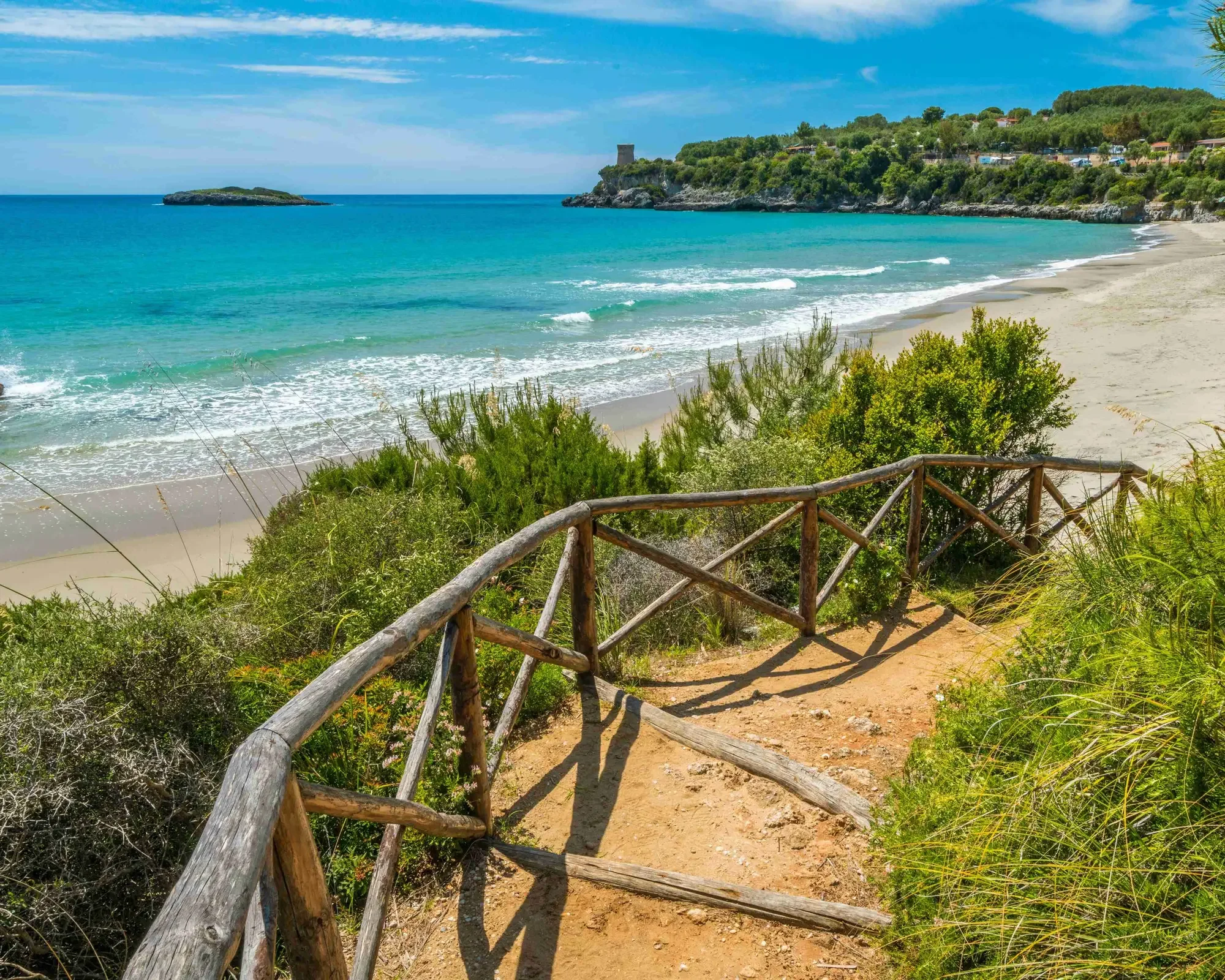
Finish in Marina di Camerota, a coastal town surrounded by coves, limestone formations and old watchtowers.
Its main attraction lies beyond the town: the protected Costa degli Infreschi e della Masseta. Several coves can be reached by boat, while others require demanding trails. Baia degli Infreschi is the best-known, but Cala Bianca and the smaller inlets are equally important parts of the reserve.
Choose between a boat excursion and a hike based on the weather—not ambition. If hiking, start early, carry more water than you expect to need and confirm the route and return options locally.
Have your final dinner near the harbour. Order according to the day’s catch rather than looking for a specific fish from an online list.
Do You Need a Car?
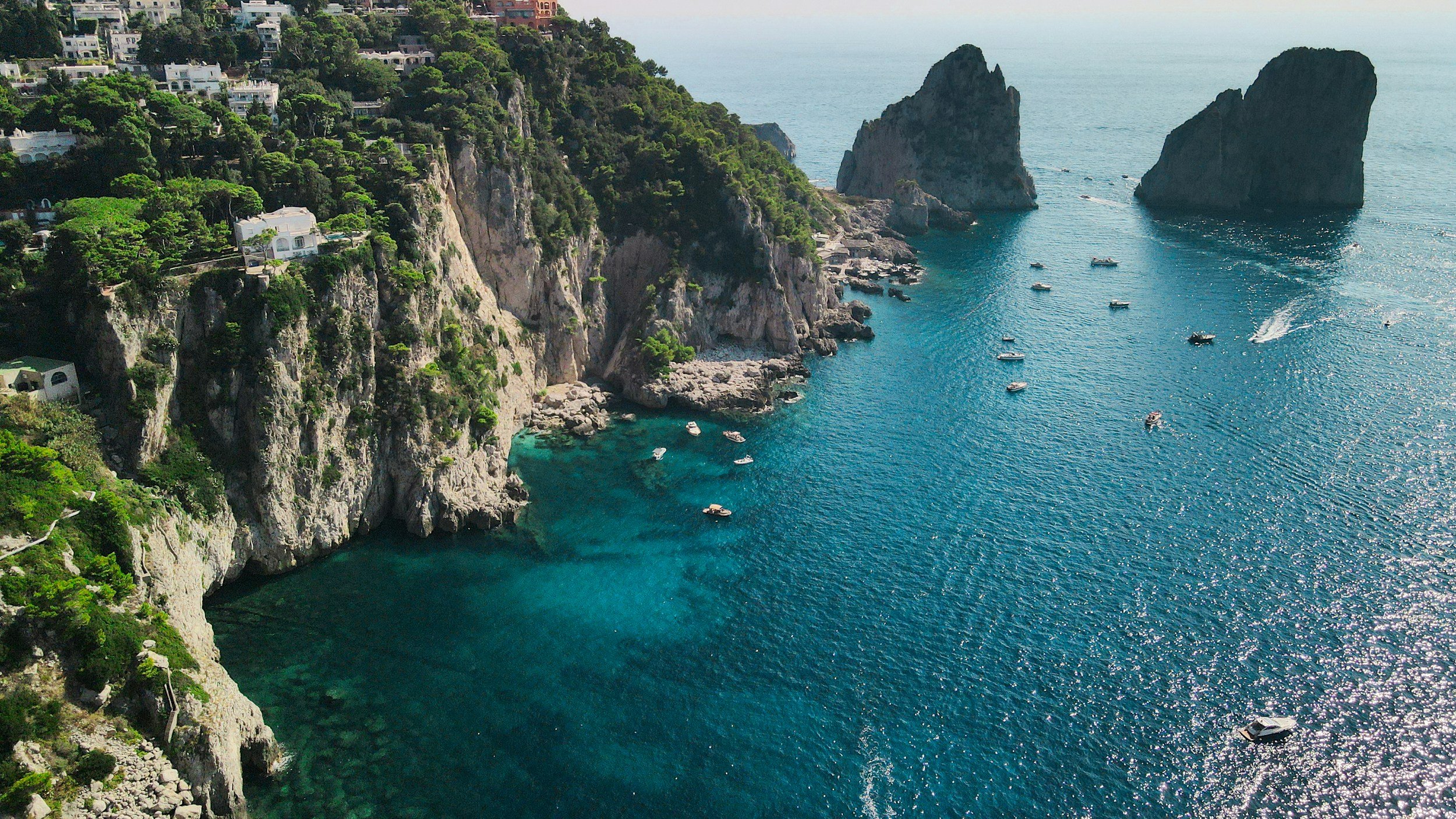
A car provides the most flexibility, especially for hilltop villages, rural accommodation and less accessible beaches. It also brings August traffic, narrow roads and difficult parking.
A car-free version is possible with more planning. Trains run along the main coastal line, stopping at stations including Paestum, Agropoli-Castellabate, Ascea and Pisciotta-Palinuro. Trenitalia’s seasonal Cilento Link combines trains with buses to destinations including Acciaroli, Pioppi, Palinuro and Marina di Camerota during summer 2026.
Do not assume the railway station shares the same centre as the village in its name. Agropoli-Castellabate station, for example, does not place you directly in the hilltop village of Castellabate. Check the final bus or taxi connection before booking accommodation.
How to Handle the August Heat
Build each day around three simple periods:
Morning: Archaeological sites, village walks, hikes and boat trips
Afternoon: Lunch, swimming, shade and rest
Evening: Hilltop villages, harbour walks and dinner
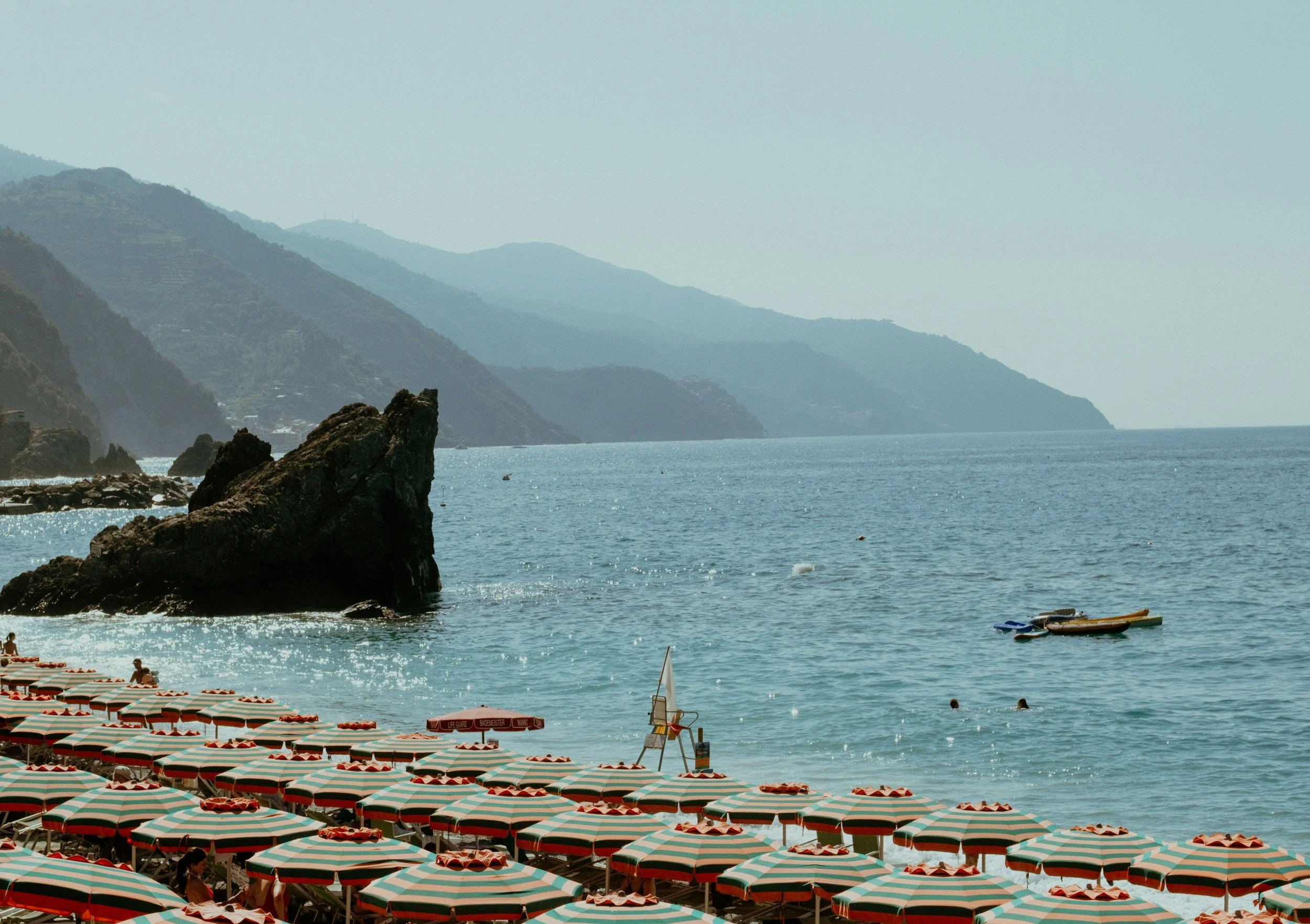
Carry water even on short outings. Small beaches and walking routes may not have shops, shade or reliable mobile reception.
Most importantly, leave space in the itinerary. Cilento works best when a calm beach, a good lunch or an unexpectedly long conversation is allowed to replace the next planned stop.
The Anti-Amalfi Mindset
Cilento should not be treated as a checklist of “hidden gems” waiting to become the next Amalfi Coast. Its appeal comes from requiring less performance from the traveller.
Stay for two nights instead of collecting villages. Eat what is produced nearby. Take the boat only if the sea is calm. Let the hottest hours pass without trying to turn them into content.
The route may look less dramatic on social media. It will probably feel much more like a summer holiday.
✍️ This blog was written by Ava.
