
Why December Is the Best Month to Visit Cities That “Disappear” in Summer
Some cities don’t suffer from bad weather. They suffer from too much attention.
In summer, they’re overrun by day-trippers, weekend crowds, checklist tourism, and people who are “doing Europe” rather than being somewhere. These cities don’t collapse under pressure — they fade. Their personality gets buried under queues, noise, and urgency.
December quietly gives them back their identity. This isn’t about snow, Christmas lights, or seasonal discounts. It’s about crowd psychology and how cities behave when they’re no longer performing.
Let’s talk about the kind of places that finally make sense in December.
✍️ Sophia · December 13, 2025

The Summer Problem: When a City Is Always “On”
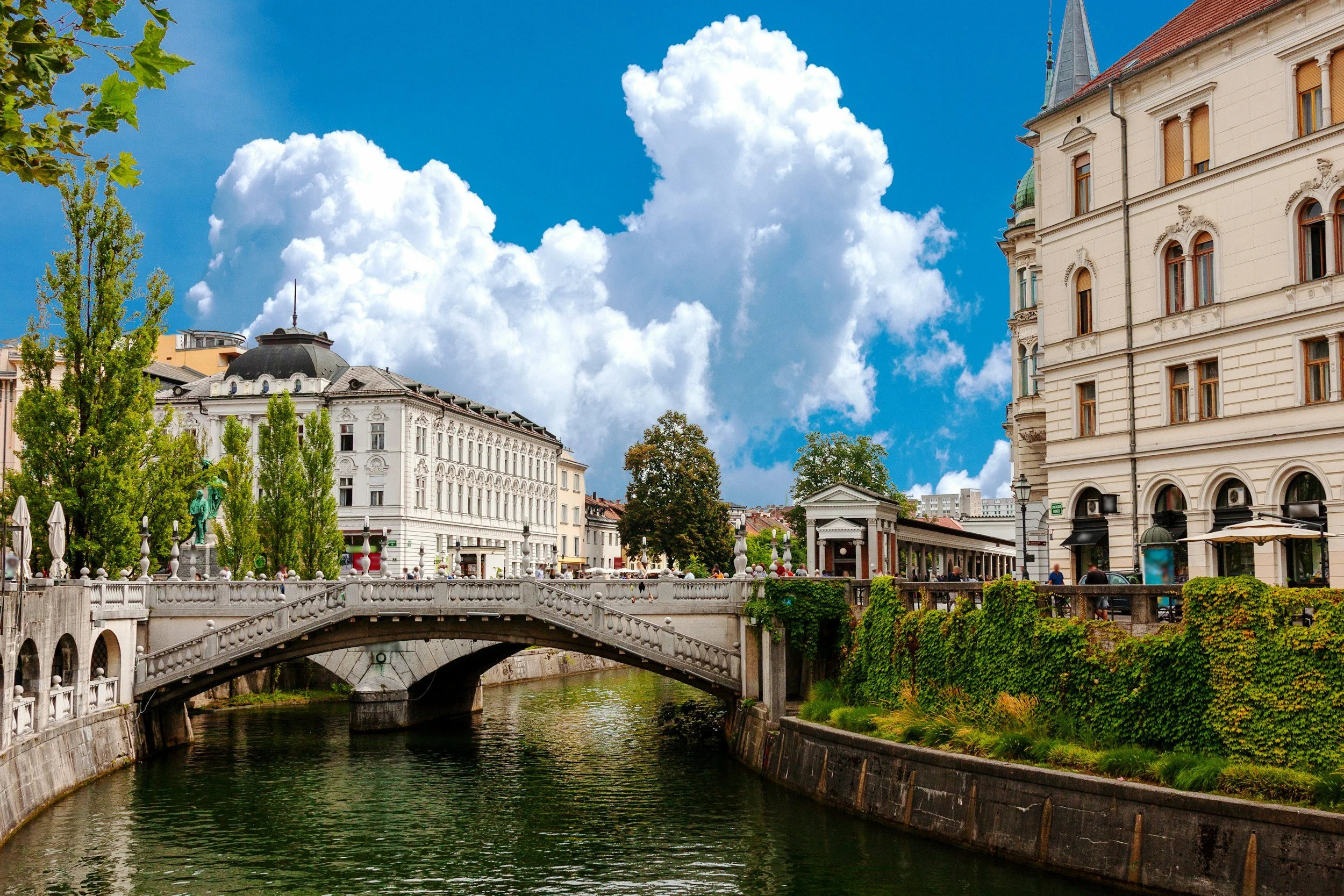
Cities like Ljubljana, Turin, Ghent, and Vilnius share a strange problem.
They’re:
Walkable
Visually charming
Culturally dense
Easy to sell on Instagram
Which means in summer, they become transit cities rather than destinations.
People pass through. They photograph. They leave. The city turns into a backdrop instead of a place.
December Changes the Rules (Without Trying)
In December, something important happens: The city stops explaining itself.
There’s no pressure to:
Impress visitors
Compete with nearby “bigger” cities
Keep up a constant event calendar
What’s left is the city’s natural rhythm. Cafés return to locals. Public spaces slow down. Streets become routes, not stages.
You’re no longer consuming a city. You’re coexisting with it.
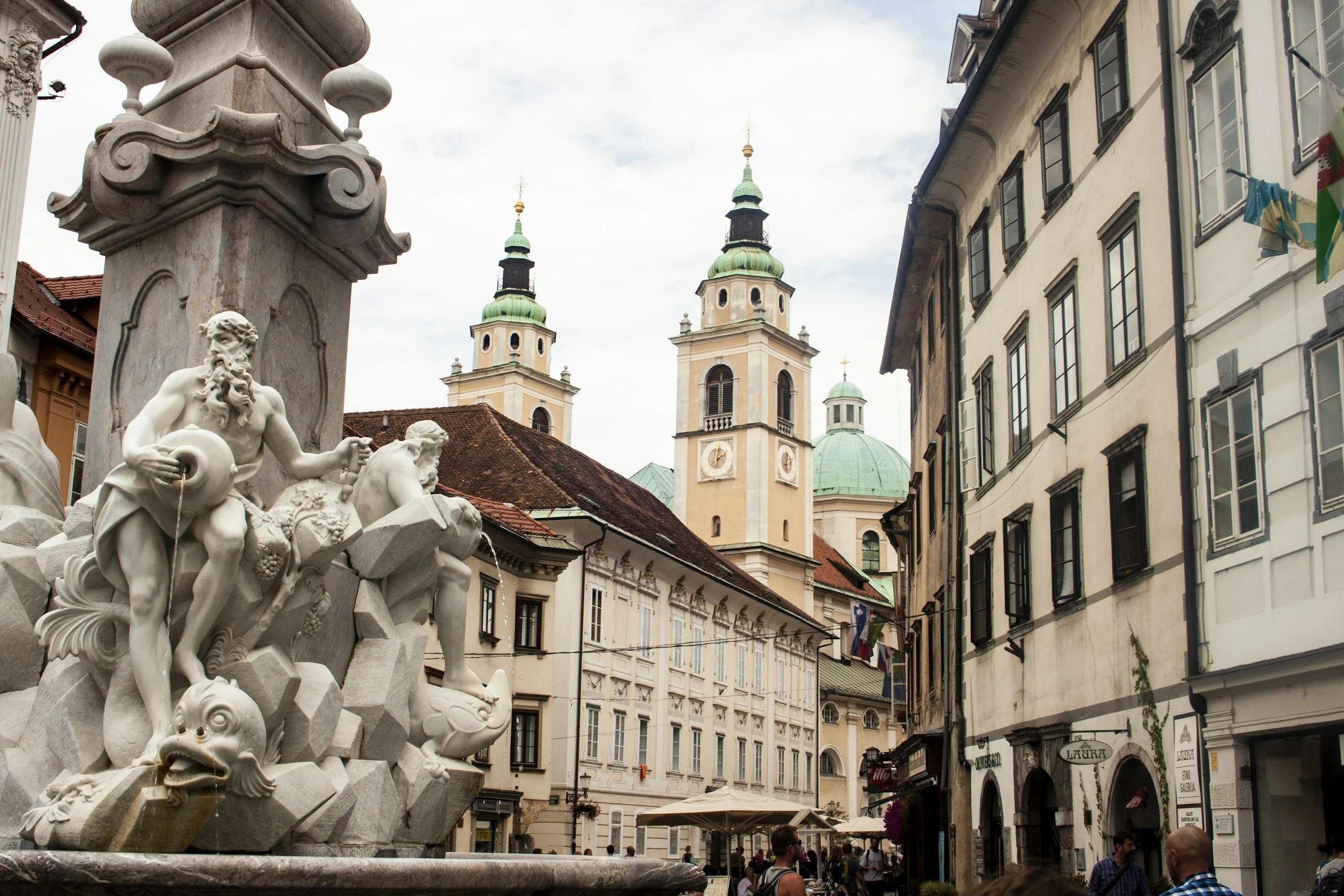
Ljubljana: When a Capital Stops Performing
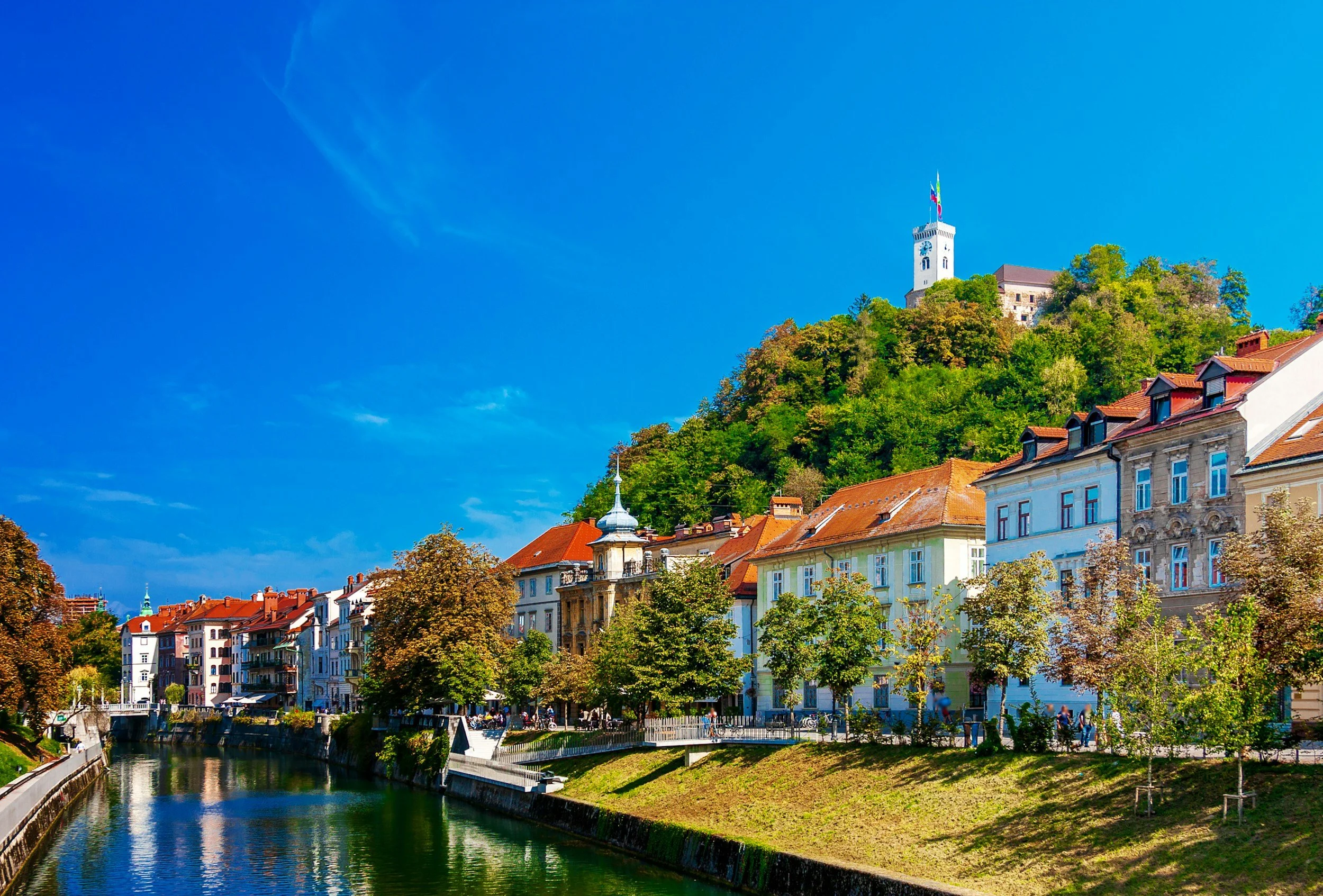
In summer, Ljubljana feels like a very polite theme park. Clean, beautiful, efficient — and slightly distant. In December, the city exhales.
You notice:
How compact the center really is
How people linger instead of circulate
How cafés become extensions of living rooms
There’s no rush to “do” Ljubljana. You just exist inside it. It’s not quieter because tourists are gone. It’s quieter because no one is rushing anymore.
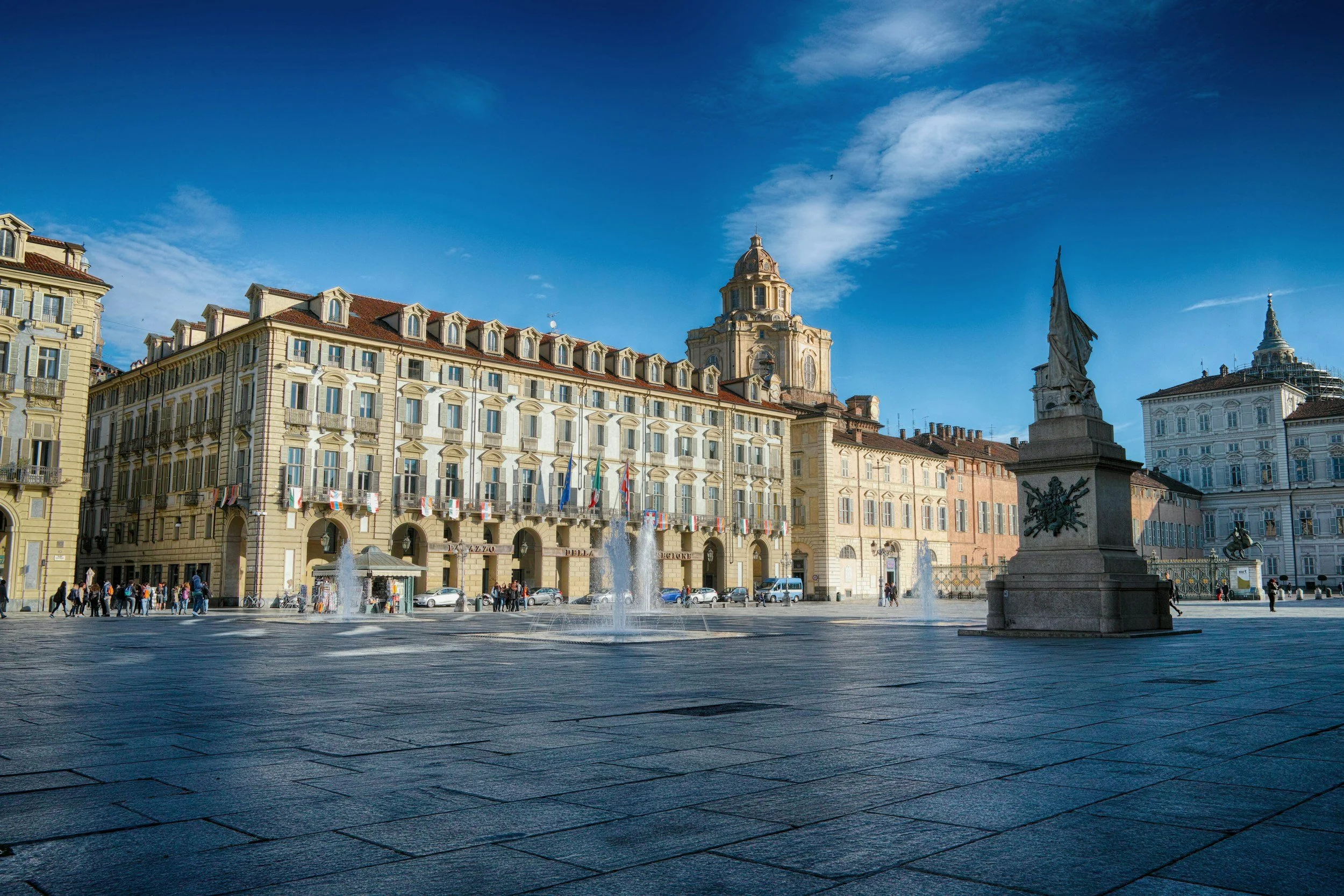
Turin: A City That Was Never Meant to Be a Highlight Reel
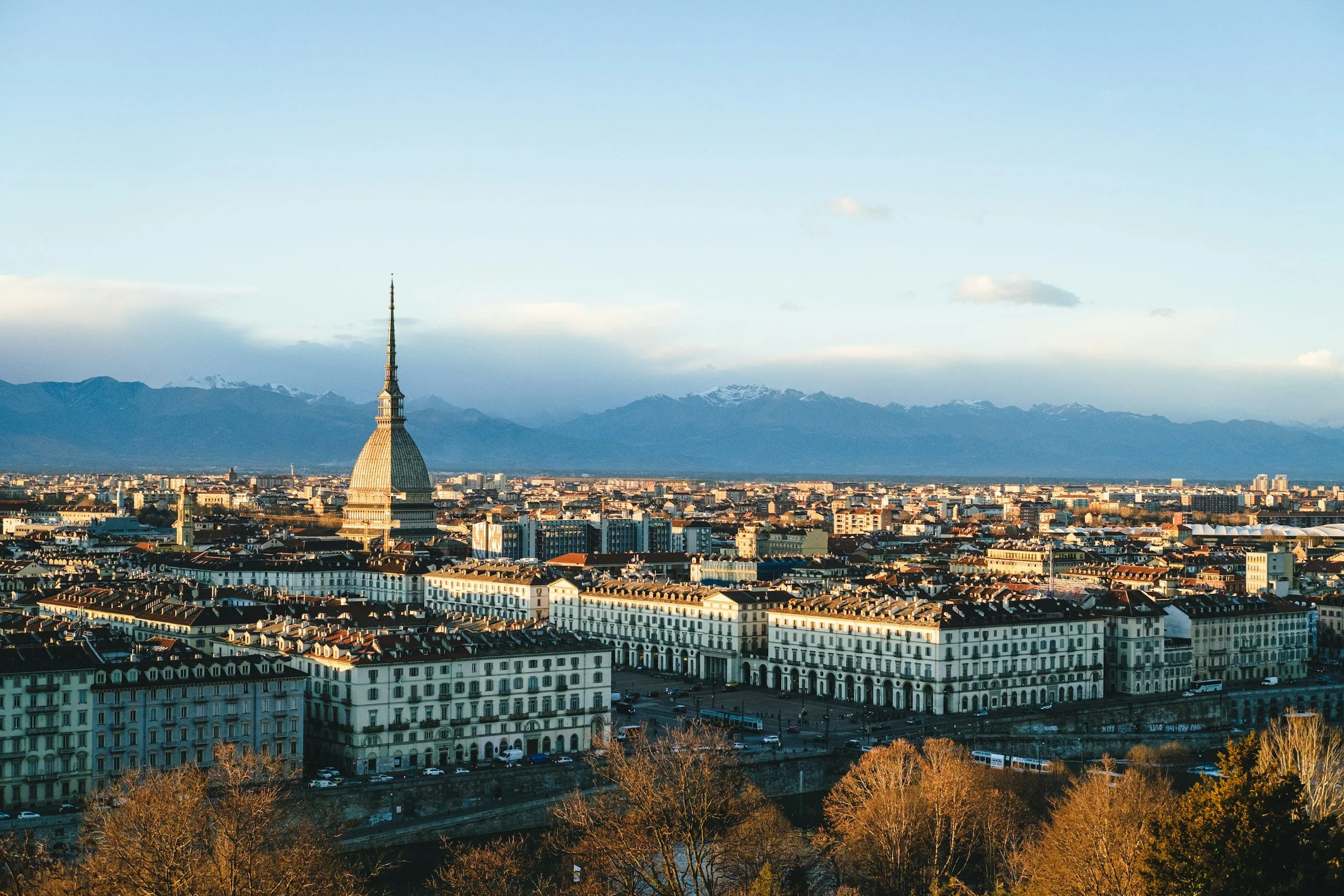
Turin is famously misunderstood. In summer, it feels muted next to Milan or Florence. In December, that restraint becomes its greatest strength.
Turin is:
Indoor-oriented
Routine-driven
Built for long conversations, not quick visits
December aligns with how the city actually lives. Museums feel natural instead of obligatory. Coffee culture feels intentional, not aesthetic. You stop asking “What’s next?” and start asking “How long should I stay here?”
That’s the difference.
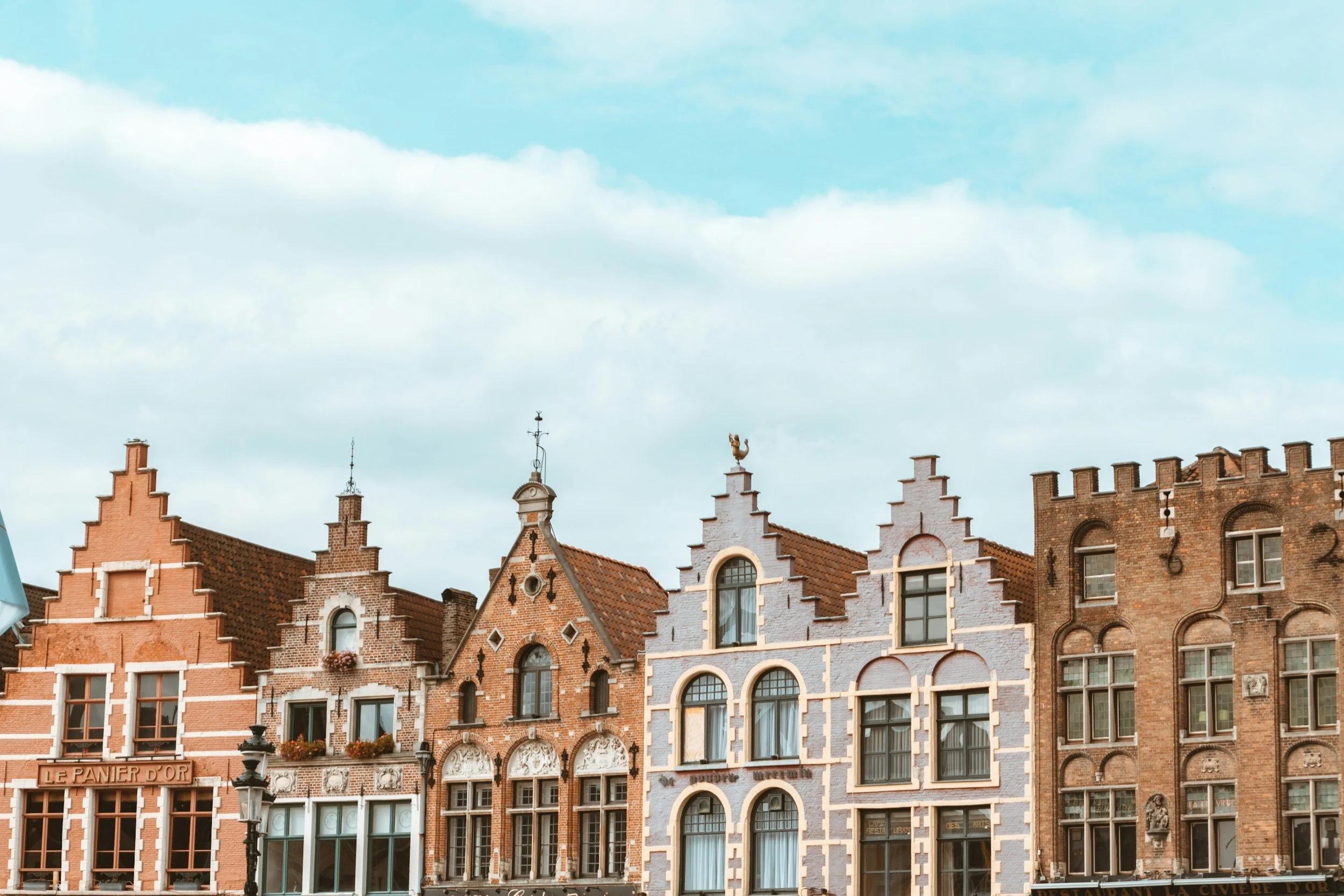
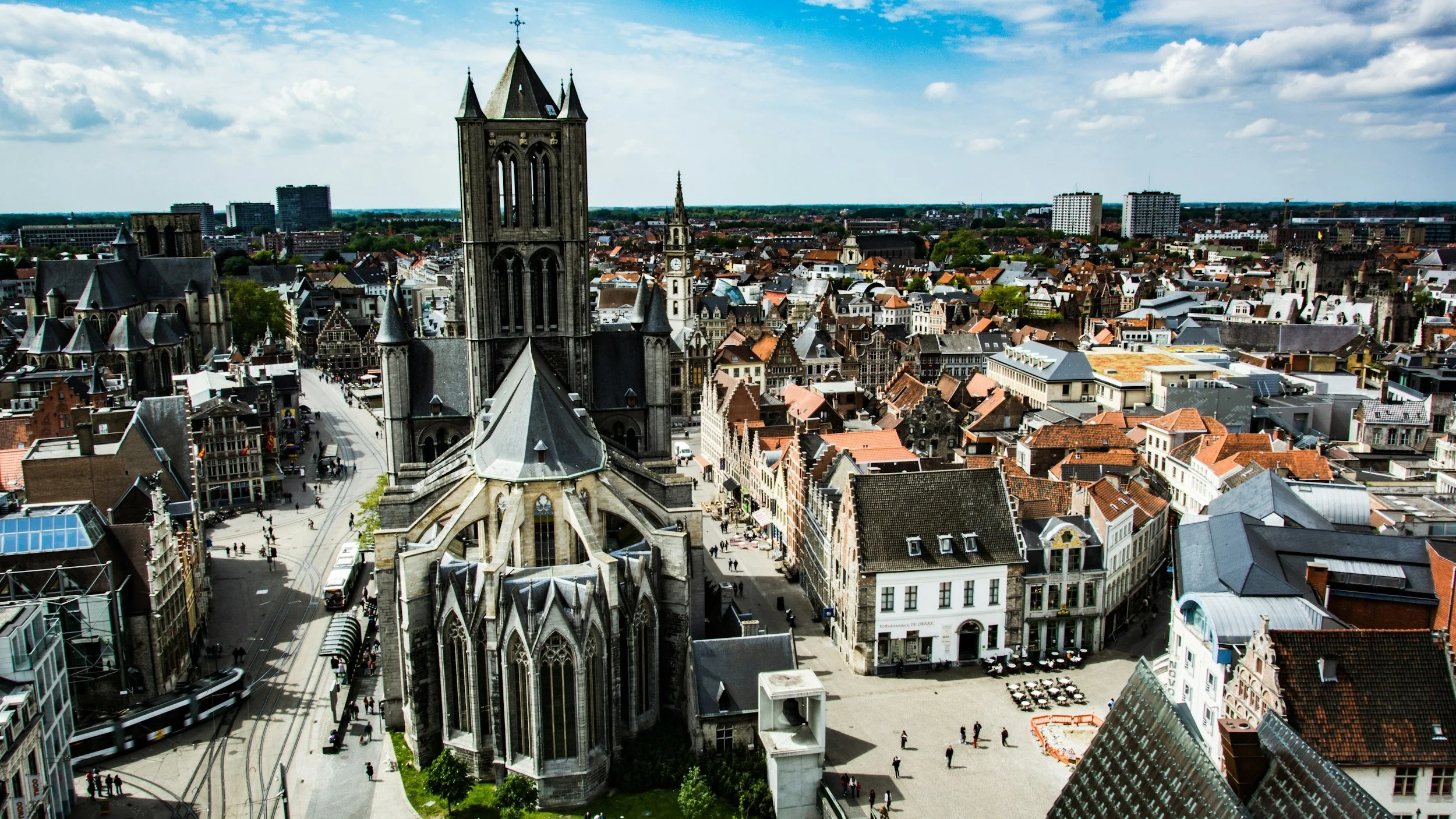
Ghent: When the Day-Trippers Disappear
Ghent’s biggest enemy is proximity. In summer, it’s flooded by people who are:
“Just stopping by”
Comparing it to Bruges
Treating it like a prettier detour
December removes the comparison game entirely.
What you get instead:
Locals reclaiming the canals
Restaurants cooking for regulars again
Streets that feel lived-in, not visited
Ghent doesn’t sparkle in December. It settles. And that’s when it becomes interesting.
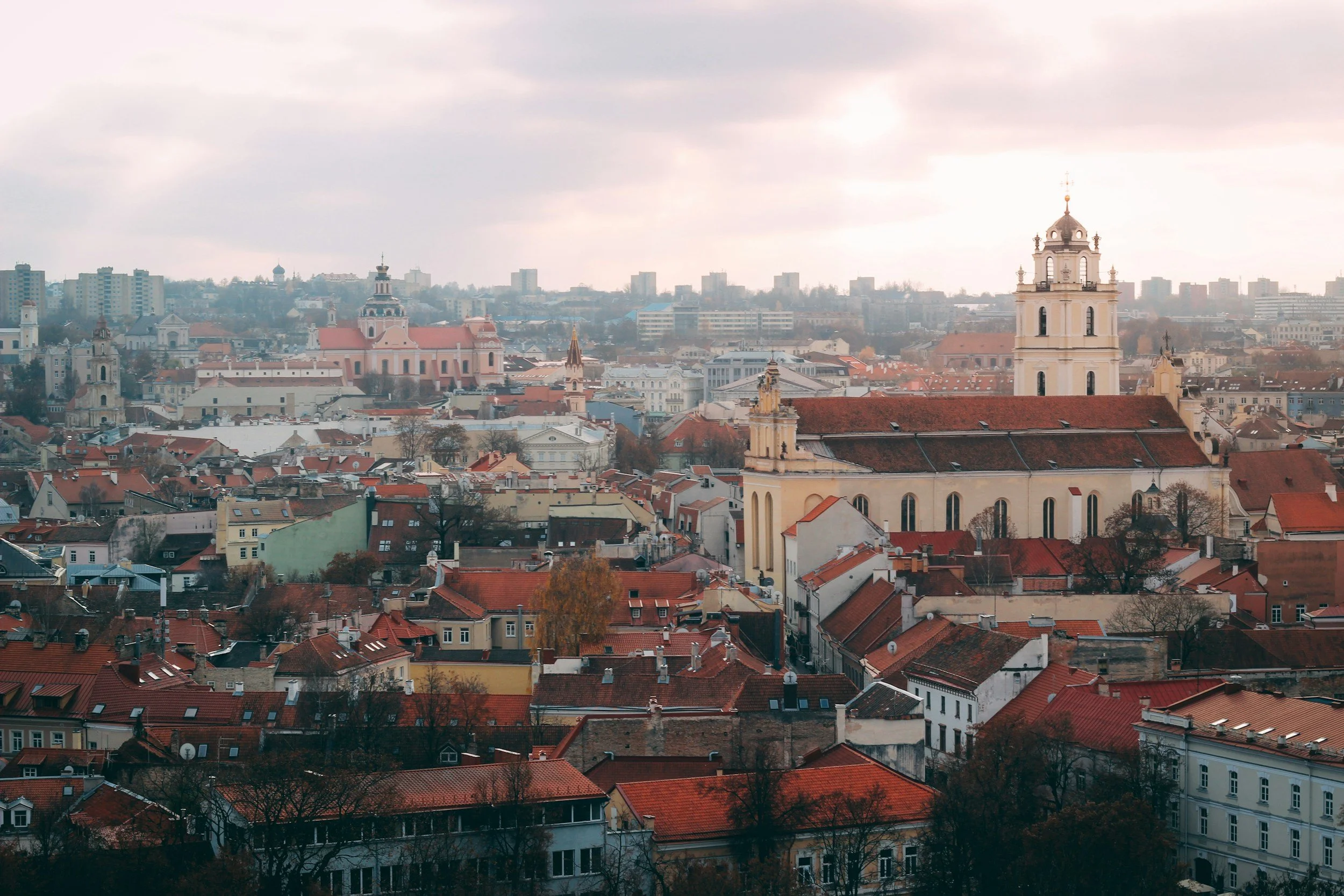
Vilnius: A City That Finally Speaks at Its Own Volume
Vilnius is subtle. Summer drowns subtle cities.
In December:
The old town feels less ornamental
Neighborhoods matter more than landmarks
Evenings stretch longer than itineraries
Vilnius doesn’t need you to be impressed. It just needs you to stay long enough to notice.
That’s a city that disappears in summer — not because it’s boring, but because it refuses to shout.
The Psychology Behind It (This Is the Key)
December travel works for these cities because:
Expectation drops → experience rises
Fewer options → better choices
Less urgency → deeper attention
You don’t chase highlights. You notice patterns.
You stop asking: “What should I see?”
And start asking: “How does this place actually function?”
That shift changes everything.
Who This Kind of December Travel Is For (And Who It Isn’t)
This style of travel works if you:
Enjoy walking without a goal
Like cafés more than attractions
Prefer mood over spectacle
It won’t work if you:
Need constant stimulation
Measure trips by landmarks checked off
Expect cities to entertain you
These cities don’t perform in December. They invite.
Why These Cities “Disappear” — And Why That’s a Gift
They disappear in summer because:
They’re not built for crowds
Their charm is behavioral, not visual
Their value lies in rhythm, not events
December strips away the noise and leaves the signal. And if you’re willing to tune into that frequency, these cities don’t just reappear — they make sense.
Final Thought
December isn’t the best month to visit these cities because they change. It’s the best month because they don’t. They simply stop pretending to be something else.
And that’s when you finally meet them.
✍️ This blog was written by Sophia.
