
The Rise of Europe’s “In-Between Season”: Too Late for Autumn, Too Early for Winter
There is a strange week in the European travel calendar when autumn appears to have ended but winter has not properly begun.
The clocks have changed. Trees in northern cities may already be bare. Mountain lifts are closed for maintenance, yet ski slopes have no reliable snow. Coastal resorts have packed away their sunbeds, while Christmas markets are still several weeks from opening.
This period—roughly the final days of October through the first half of November—used to be treated as empty space between recognisable travel seasons. It is now developing an identity of its own.
The attraction is not perfect weather or a major seasonal spectacle. It is the chance to experience working European cities and food-producing regions after autumn tourism has eased but before winter events take over.
✍️ Ethan · October 23, 2026

This Is Not Ordinary Shoulder Season
Shoulder season usually promises a softer version of peak season: similar experiences, smaller crowds and lower prices.
Europe’s in-between season is less straightforward. Some experiences are genuinely better, while others are unavailable altogether.
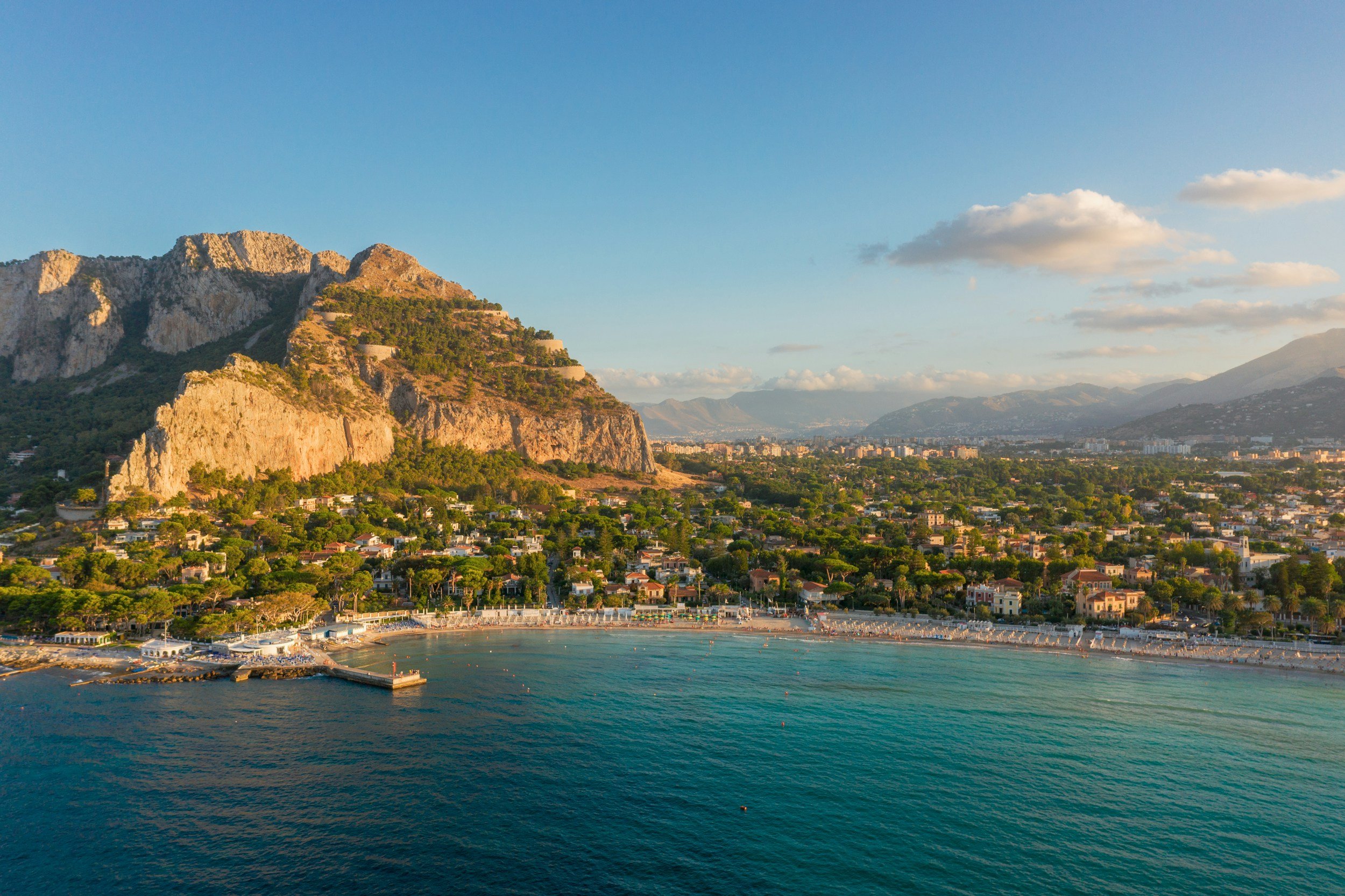
A Mediterranean city may still be fully functional, with comfortable walking temperatures and restaurants operating normally. At the same time, a nearby island can feel almost closed. A historic town may be peaceful, while a mountain resort sits between its hiking and skiing businesses with lifts, huts and hotels temporarily shut.
The advantage comes from choosing destinations whose daily life does not depend on one seasonal attraction.
Eurostat’s tourism data still identifies November as one of Europe’s quietest travel months. In 2024, it accounted for only 5.8% of trips and 4.5% of tourism nights taken by EU residents. Yet interest in travelling later in the year is growing: the European Travel Commission reported that 81% of surveyed Europeans planned to travel between June and November 2026, four percentage points more than the previous year.
Demand is extending into the calendar, but local tourism infrastructure is not extending at the same speed.
Why Travellers Are Choosing This Gap
The first motivation is crowd avoidance. October city breaks have become increasingly popular, particularly in southern Europe. Travelling one or two weeks later can produce a noticeable difference around major landmarks.
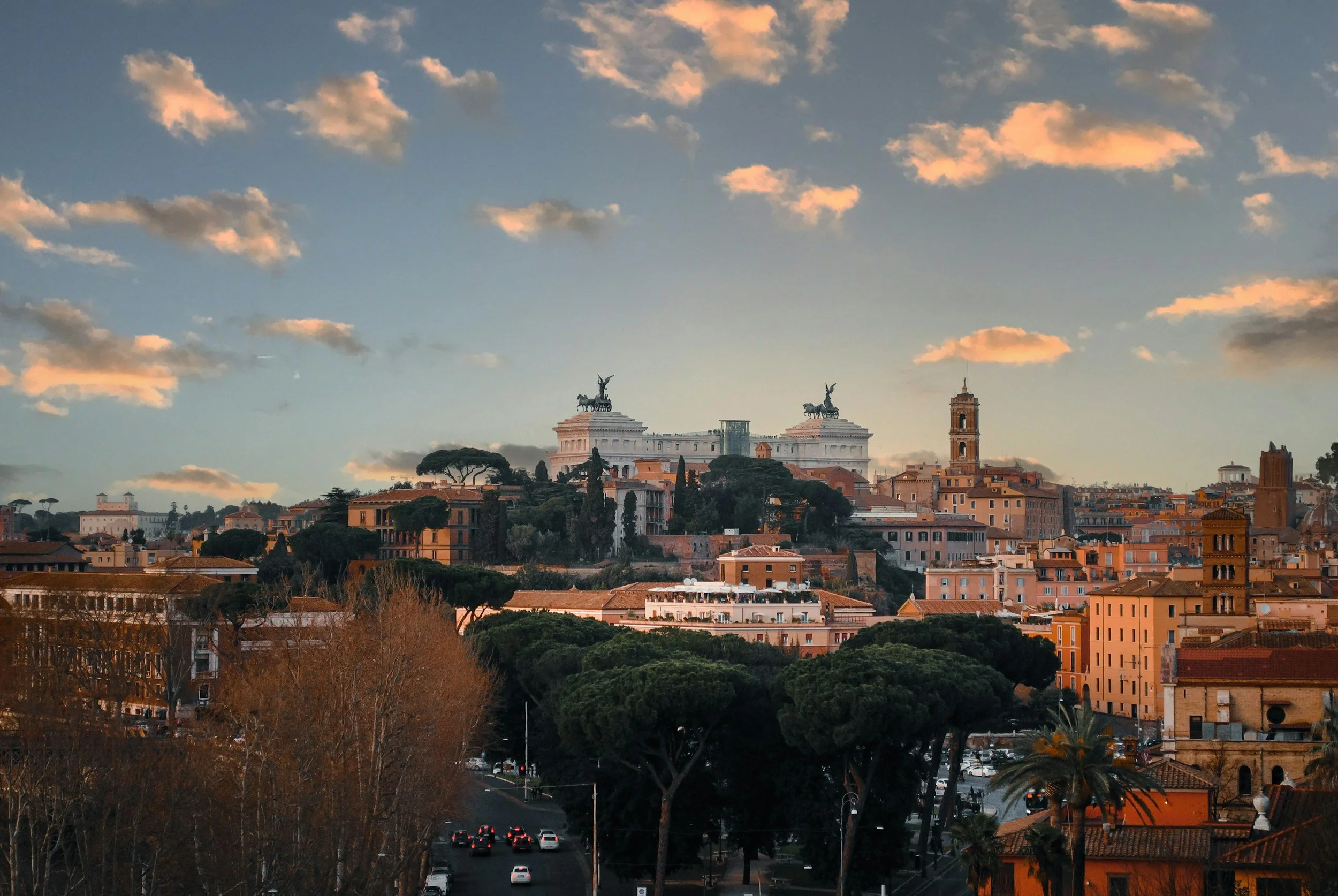
The second is climate. Travellers who find September too warm in Rome, Seville or Palermo may prefer early November, when extended walking becomes more comfortable. This comes with a greater possibility of rain, but heat is far less likely to dominate the itinerary.
Price also matters, although savings are uneven. Hotels in business-oriented cities may become cheaper over weekends, while food regions can remain busy because of olive, chestnut, truffle and wine events. All Saints’ Day, conferences and school breaks can produce short price spikes inside an otherwise inexpensive period.
Finally, flexible and remote workers are less restricted by the traditional holiday calendar. A destination no longer needs a beach season or Christmas market to justify a few days away.
The Destinations That Work Best
The strongest in-between destinations have permanent residents, year-round restaurants and enough indoor culture to absorb a wet afternoon.
Cities such as Turin, Bologna, Lyon, Vienna and Hamburg continue functioning regardless of the tourism season. Museums, food markets, neighbourhood restaurants and concert programmes provide structure after darkness arrives.
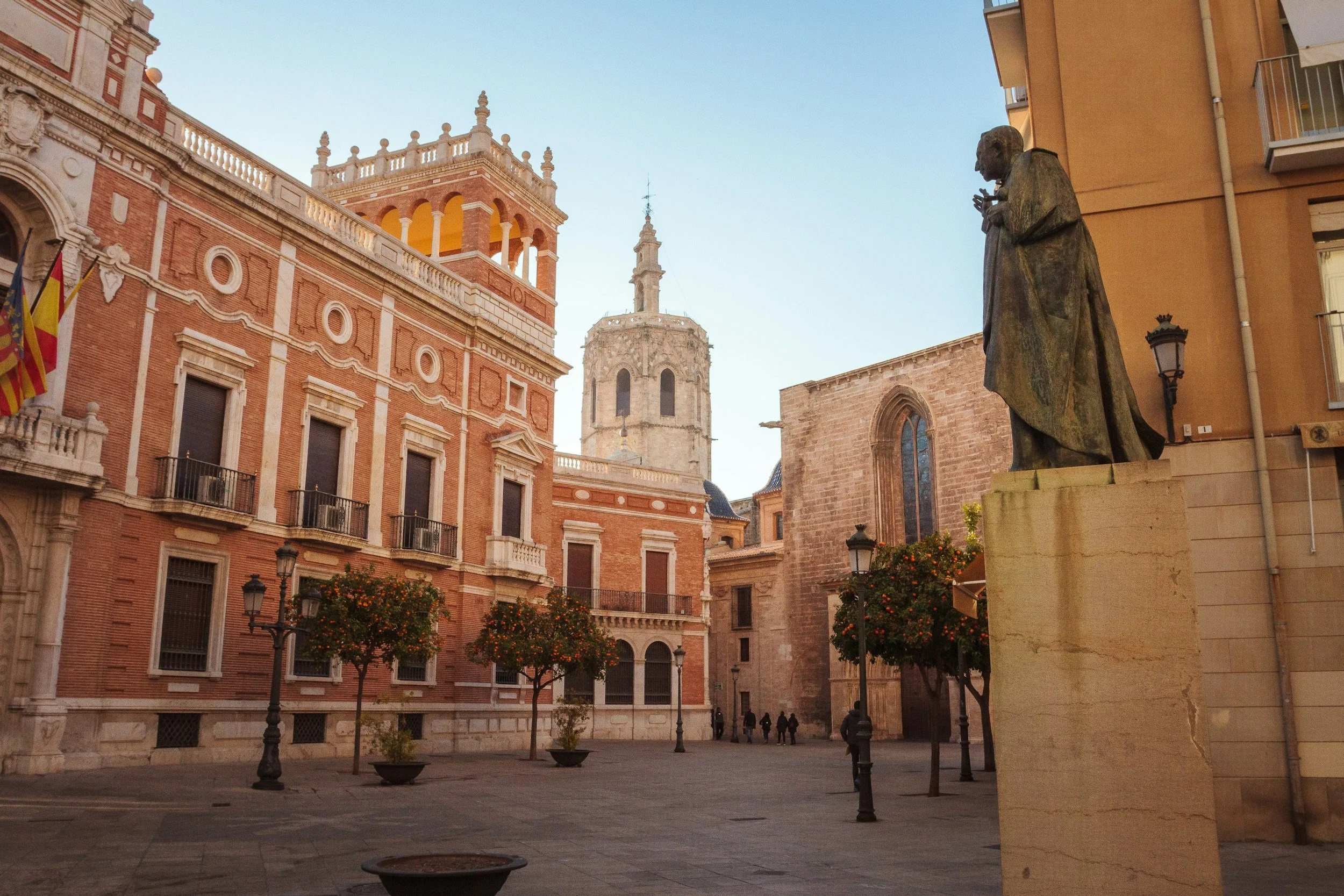
Southern cities can be especially successful. Palermo, Valencia, Naples and Lisbon retain active street life without requiring beach weather. The trip becomes about food, architecture and neighbourhoods rather than recreating a summer holiday in cooler conditions.
Agricultural regions offer another option. Late October and early November overlap with olive pressing in Umbria, chestnut traditions in northern Portugal and parts of France, and autumn truffle markets in several Italian regions. These are not staged substitutes for summer attractions; they are experiences that exist specifically because of the season.
The important distinction is between a working region and a seasonal resort. A town supported by residents, agriculture and local commerce usually survives the transition better than somewhere built almost entirely around visitors.
Where the In-Between Season Fails
Mountain resorts are the most obvious risk.
The summer hiking programme may have finished, but the winter season has not begun. Cable cars close for inspection, staffed mountain huts shut, rental shops reduce hours and snow conditions remain too uncertain for skiing.
The scenery can still be beautiful, but an itinerary built around operating lifts or high-altitude trails may collapse. Early snow can make paths unsafe without creating usable winter conditions.
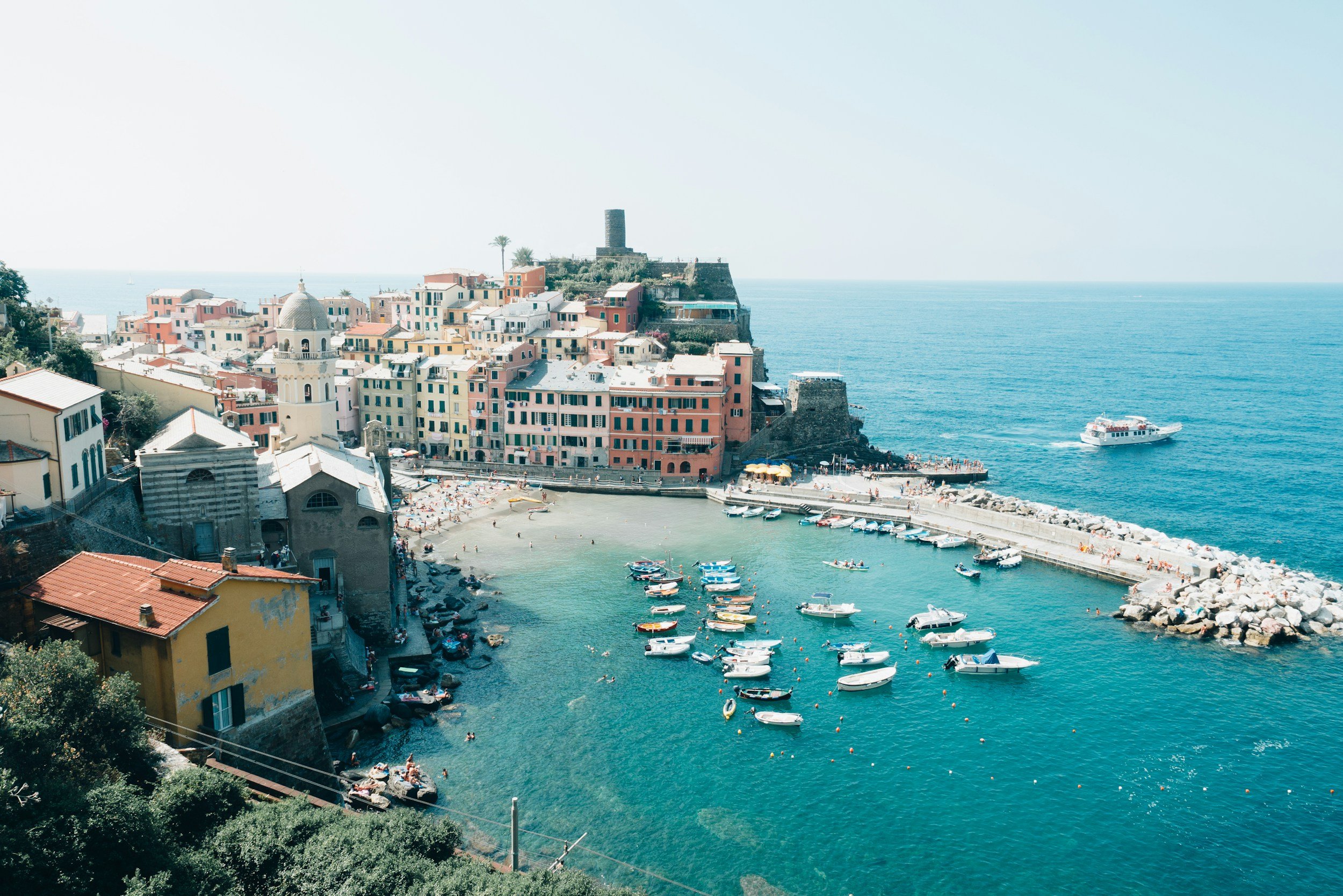
Small Mediterranean islands present a different problem. Accommodation may remain bookable even after ferry frequencies, restaurants, excursions and local buses have been reduced. An empty beach can be peaceful; a destination with no practical way to move around or eat after 6:00 PM is something else.
EUROCONTROL’s 2026 analysis found particularly strong differences between summer and winter air traffic in highly seasonal Mediterranean markets. Fewer flights can mean awkward travel dates, expensive returns and the disappearance of direct connections.
The in-between season rewards cities and regions with year-round economies. It exposes those dependent on a short tourism cycle.
You Must Plan Around Darkness
Once Europe returns to standard time, the day changes abruptly.
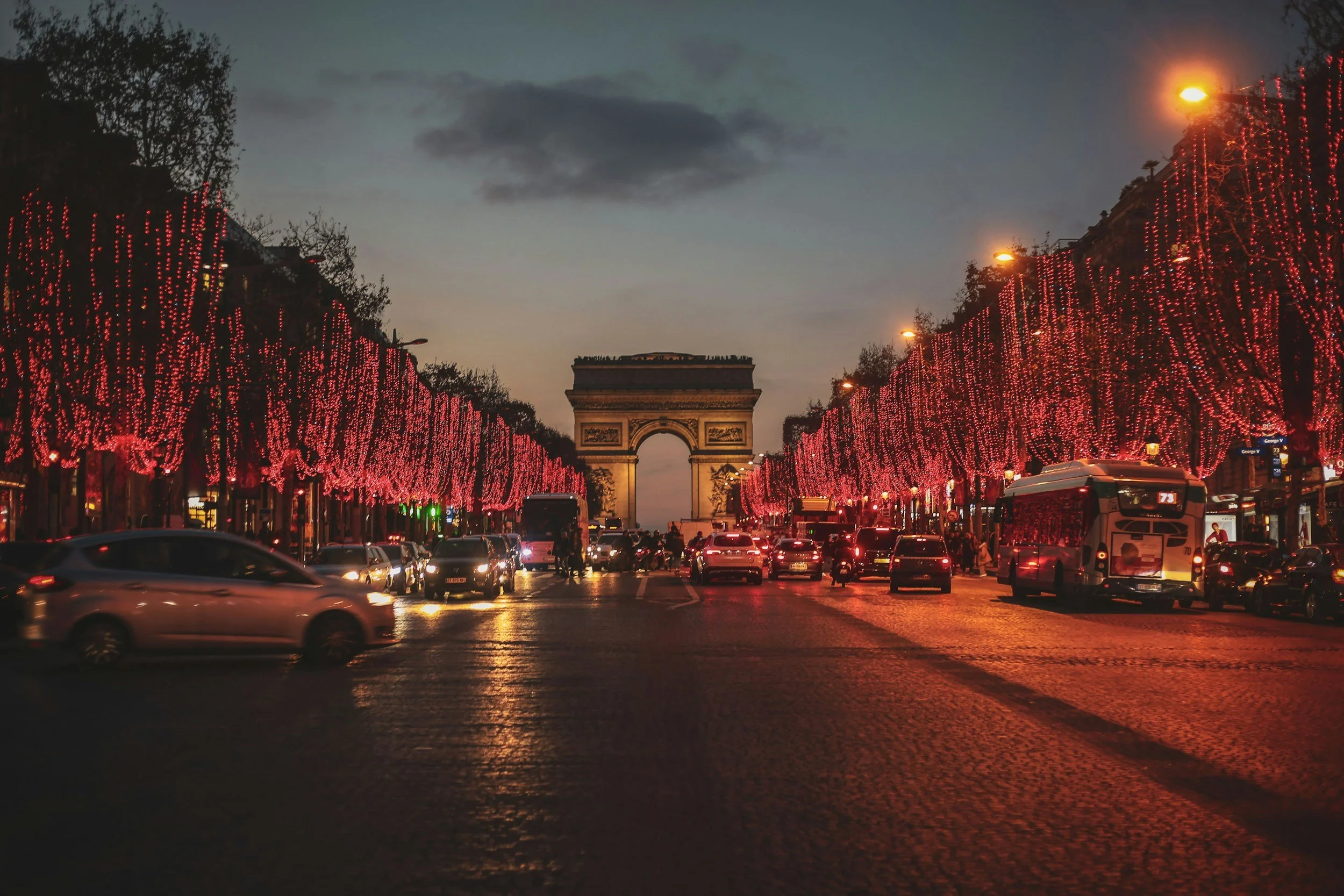
In parts of northern and central Europe, sunset can arrive around 4:30 PM in early November. Outdoor sightseeing, gardens, viewpoints and rural drives need to move earlier. Museums, covered markets and long dinners should occupy the darker hours.
This does not make the trip shorter. It makes daylight less interchangeable.
Choose one main outdoor area each day instead of crossing a city repeatedly. Reach viewpoints before sunset, check final admission rather than only closing time and confirm whether rural accommodation accepts arrivals after dark.
The evening then becomes part of the destination: illuminated streets, neighbourhood wine bars, thermal baths, concerts or restaurants that would compete with daylight during summer.
Seasonal Events Require More Careful Research
The period sits between event calendars as well as weather seasons.
Halloween may bring crowds to specific destinations, but the atmosphere often disappears immediately after 31 October. All Saints’ Day on 1 November is a public holiday in many European countries and can close shops, markets or smaller attractions.
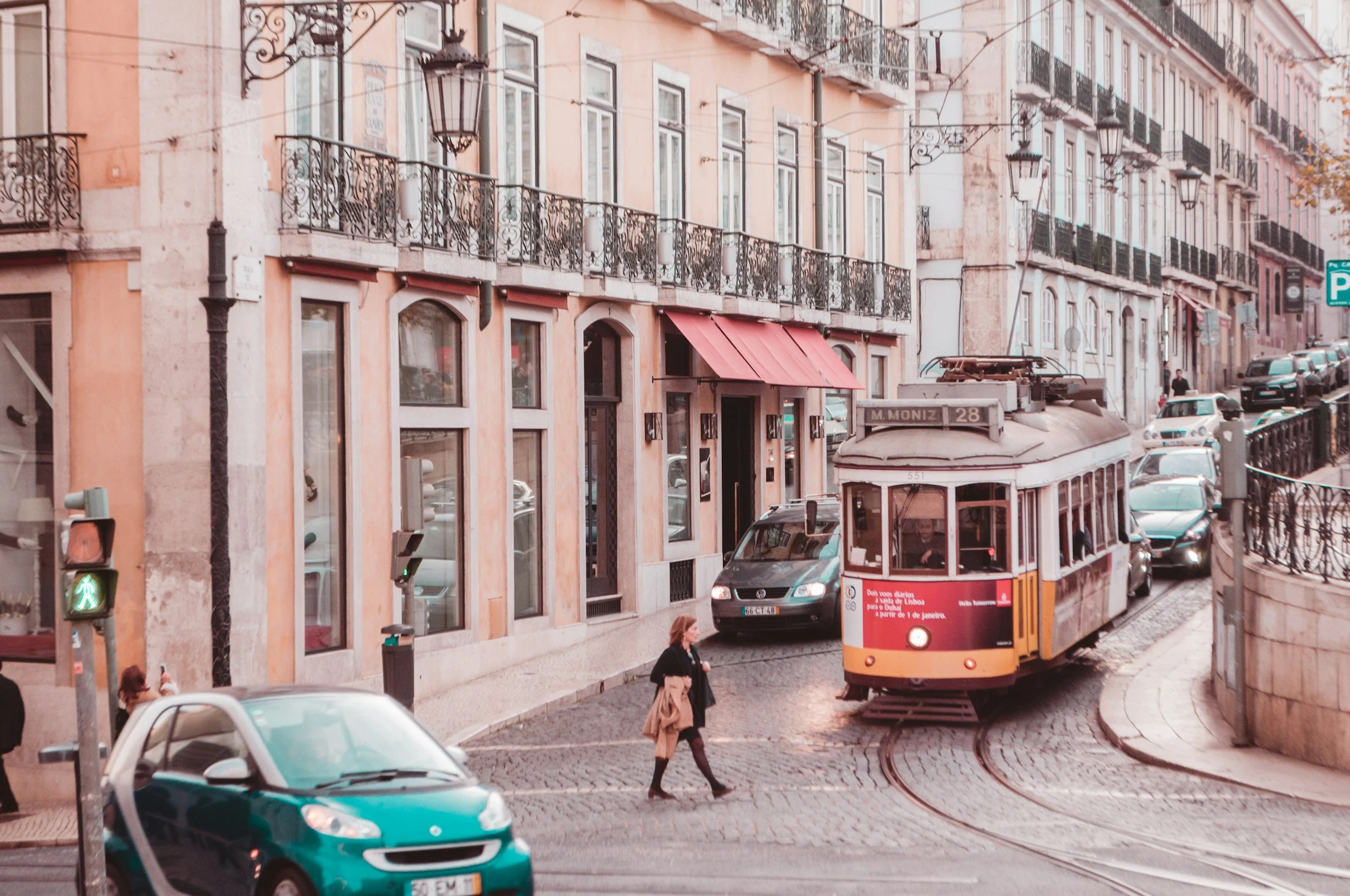
Christmas markets generally have not opened, regardless of how many festive decorations appear in promotional photographs. Harvest festivals may occur on only one weekend, while a mill, winery or food producer might require advance booking outside the official event.
Check the exact year’s programme. “Held every November” does not tell you whether the event takes place during your dates.
Cheap Does Not Always Mean Good Value
A reduced hotel rate can conceal reduced facilities.
Before booking a coastal or rural property, ask whether its restaurant, spa, pool and reception operate normally. Confirm local public transport and identify somewhere to eat on Sunday or Monday evening.
The same principle applies to flights. The airline industry begins its winter scheduling season on the final Sunday of October. A cheap outbound service may cross into a week when the return operates less frequently or not at all.
Calculate the complete trip rather than treating accommodation and flights as separate bargains.
The Appeal Is the Lack of a Script
The in-between season is not ideal for travellers who want guaranteed autumn colour, snow, Christmas atmosphere or beach weather. It offers none of those consistently.
What it provides is a Europe temporarily freed from its strongest seasonal identities.
Historic centres return to residents. Restaurants cook for local customers. Agricultural work becomes more visible. Grey weather and early darkness change how places are experienced rather than simply making them less attractive.
This period works when you stop asking it to imitate October or December. Its value lies precisely in being neither.
✍️ This blog was written by Ethan.
