
Hotel Room Safety: 10 Things to Check in the First Five Minutes
Before you unpack your suitcase or jump onto the bed, take five minutes to check your hotel room. These simple habits can help you avoid safety issues, protect your belongings and give you greater peace of mind throughout your stay.
After a long journey, most travelers do the same thing: drop their bags, connect to the Wi-Fi and relax. But those first few minutes inside a hotel room are the perfect opportunity to spot potential problems before they become inconvenient—or even dangerous.
Whether you're staying in a luxury resort, a boutique hotel or a budget property, taking a quick look around your room can make a surprising difference. Here are ten things worth checking before your trip officially begins.
✍️ Sophia · July 26, 2026

1. Test the Door Lock
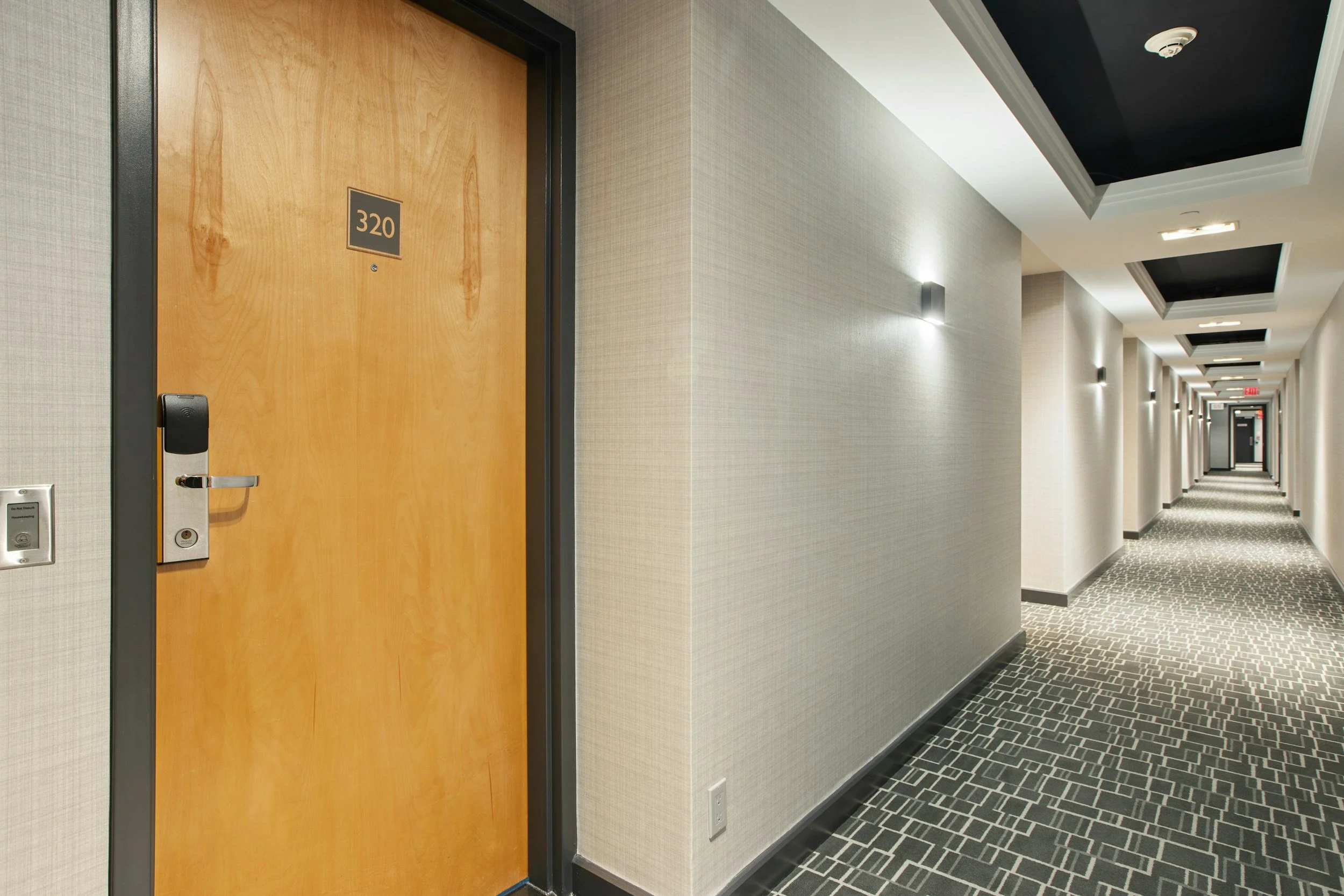
Your hotel room door is your first line of security. Before bringing your luggage inside, make sure the electronic key works properly and check that the deadbolt, security latch and peephole are all functioning as they should.
If anything feels loose or doesn't lock securely, ask reception to move you to another room. It's much easier to change rooms before you've unpacked than later in your stay.
2. Locate the Emergency Exit
Most travelers never look at the evacuation map attached to the back of the door—but it's there for a reason.
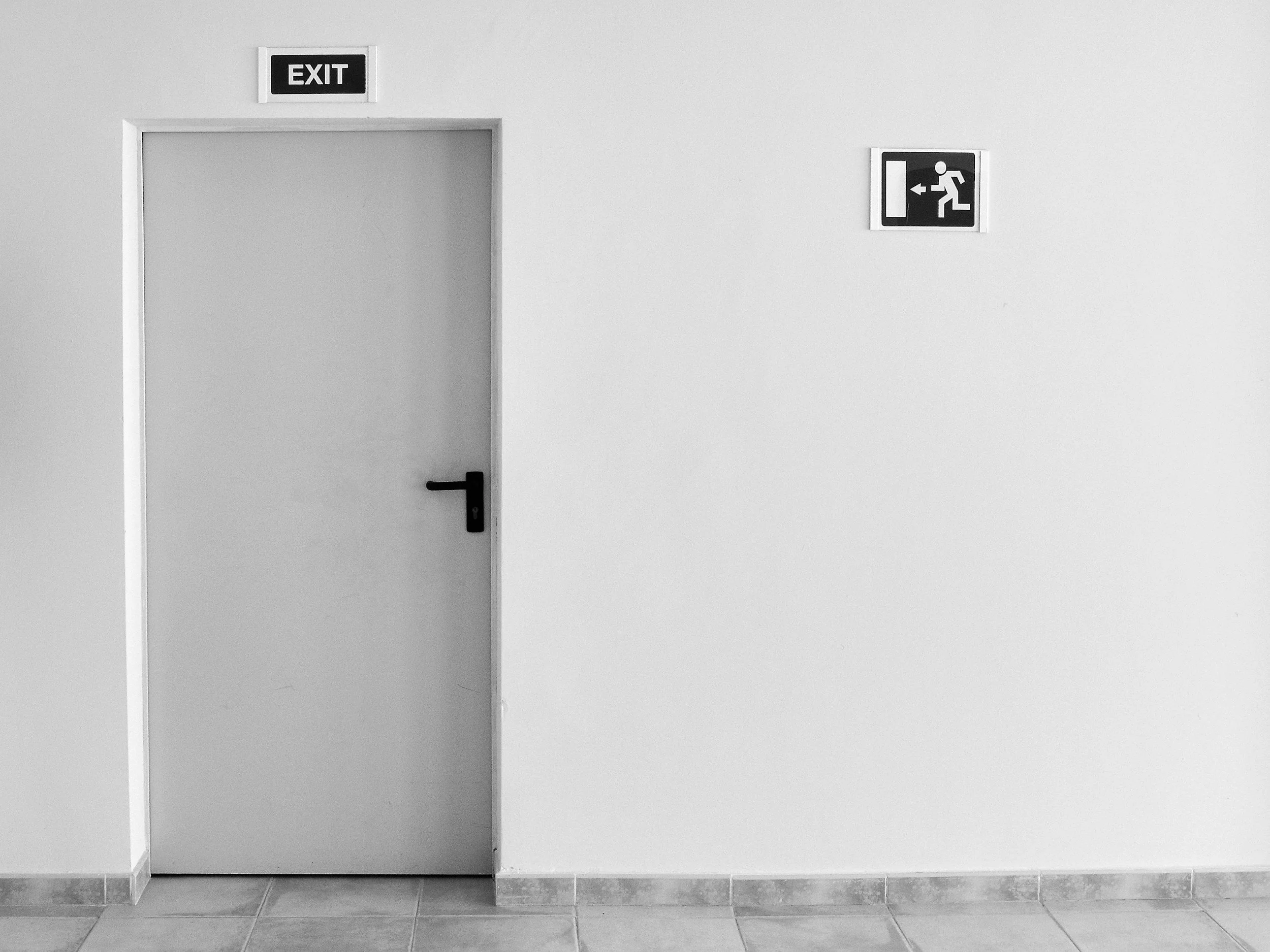
Take a minute to identify the nearest emergency exit and count approximately how many doors separate your room from the stairwell. In the unlikely event of smoke or a power outage, this small detail could make evacuating much easier.

3. Check the Windows and Balcony Doors
If your room has windows that open or a private balcony, make sure they lock properly before leaving the room or going to sleep.
For families traveling with children, checking balcony doors is especially important. A quick inspection takes only seconds and provides extra peace of mind.
4. Test the Smoke Detector
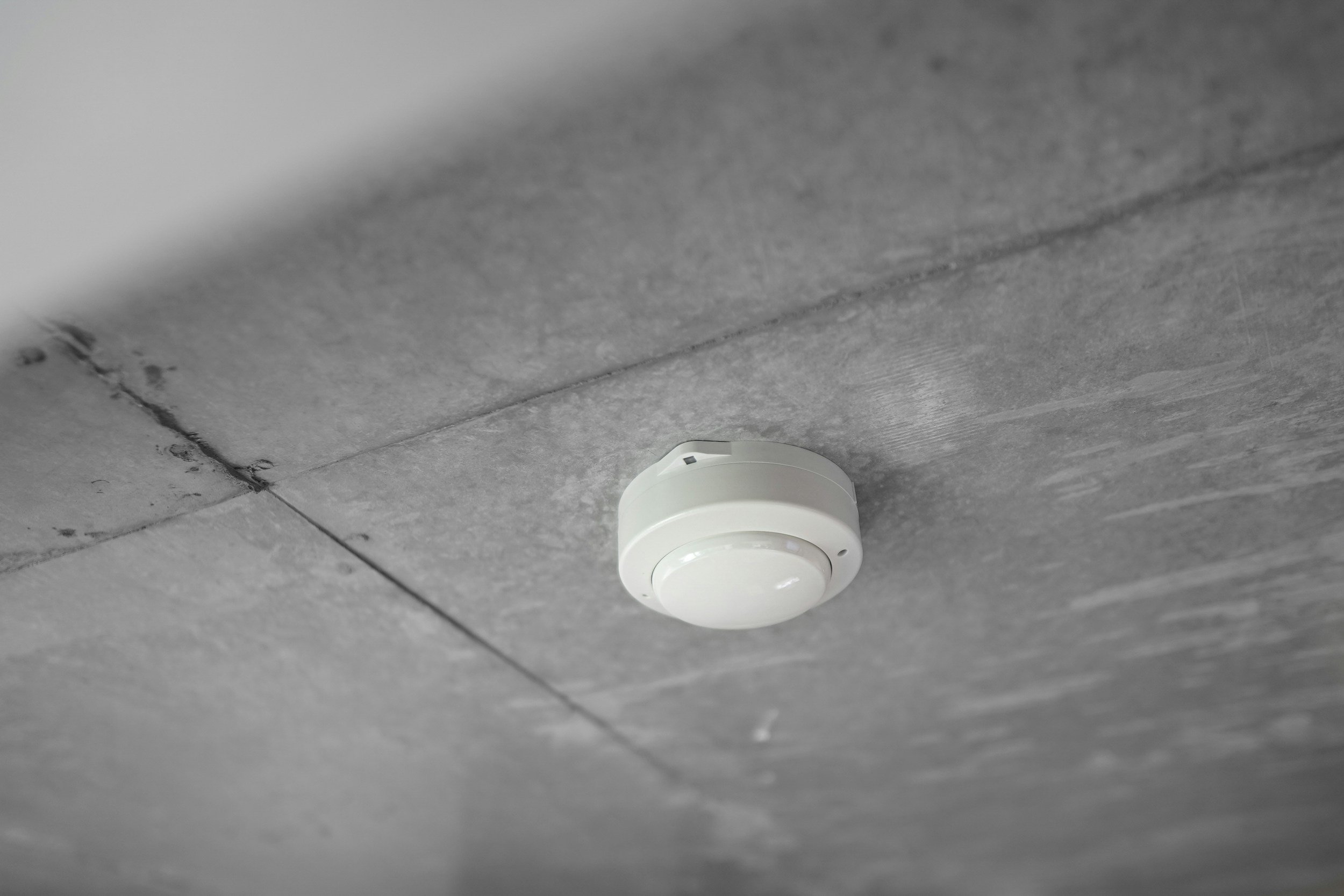
Look for the smoke detector on the ceiling and confirm that it's present and doesn't appear damaged or covered.
You don't need to trigger the alarm, but if anything seems unusual or missing, notify hotel staff immediately and request another room if necessary.

5. Inspect the Safe
Even if you don't plan to use it, check whether the room safe is working correctly.
Test that it locks, unlocks and resets properly before placing valuables such as passports, jewellery or electronics inside. If the safe doesn't function, reception can usually repair it or provide an alternative.
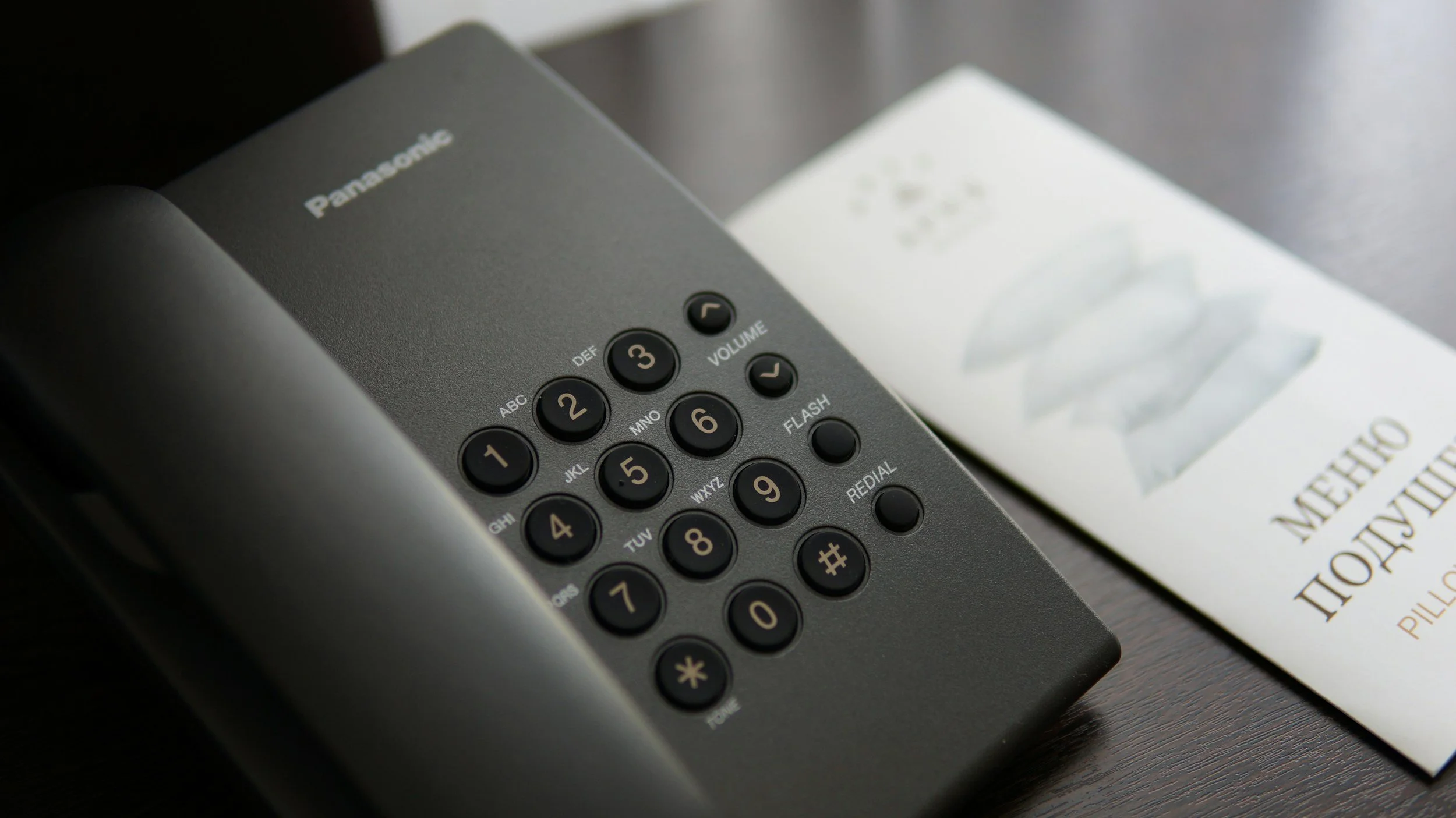
6. Make Sure the Phone Works
Many travelers ignore the room phone, but it can be the fastest way to contact reception during an emergency.
Pick it up briefly to confirm there's a dial tone or that it powers on correctly. Knowing it's available can save valuable time if you ever need assistance.
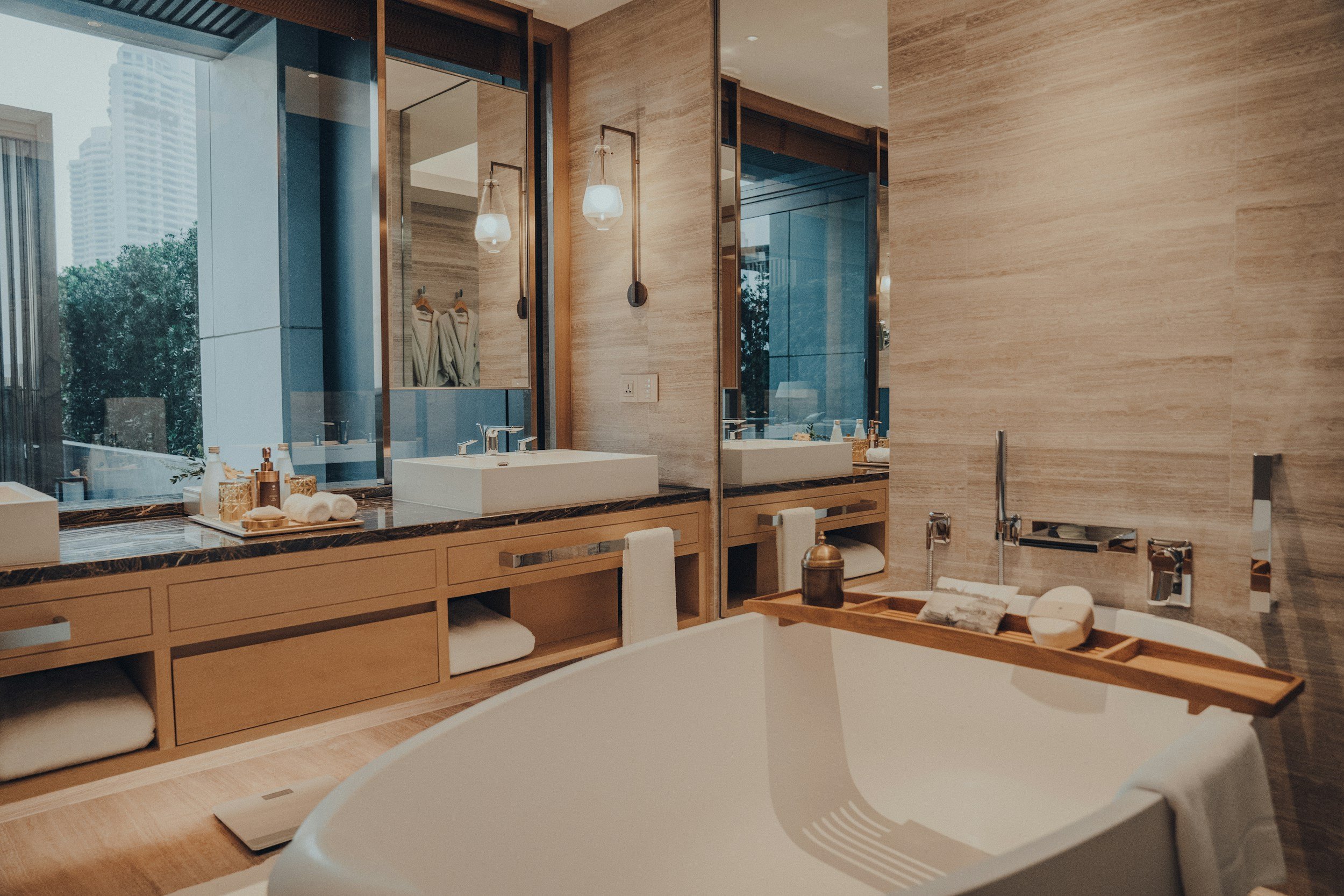
7. Look for Water Damage or Maintenance Issues
Spend a minute checking the bathroom, ceiling and floor for leaks, broken fixtures or signs of previous water damage.
Reporting problems immediately helps avoid misunderstandings later, especially if the hotel documents room conditions after checkout.
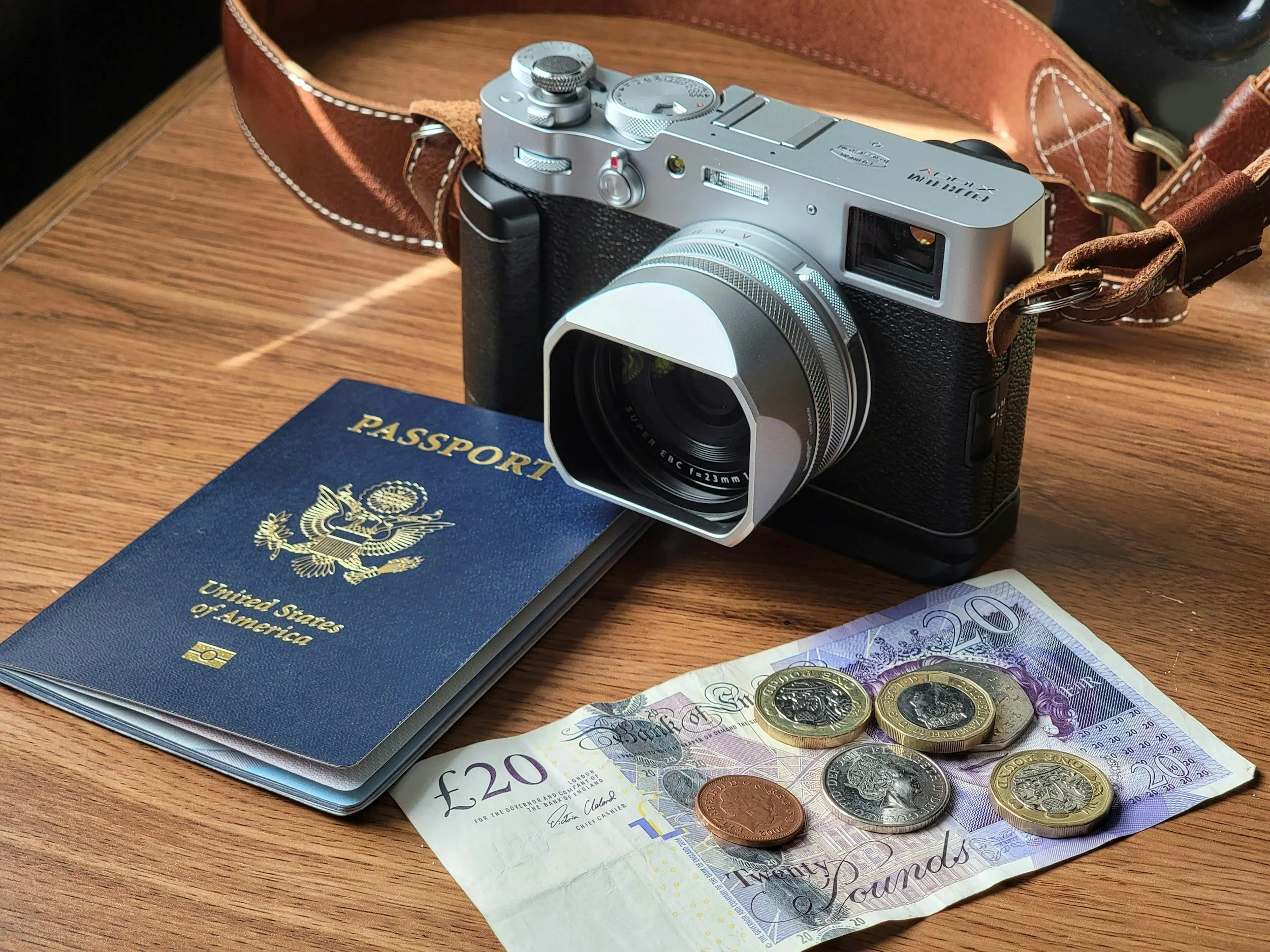
8. Secure Your Valuables
Avoid leaving passports, cash or expensive electronics in plain sight whenever you leave your room.
If a safe isn't available, consider keeping important documents in separate bags or carrying essential items with you rather than storing everything together.
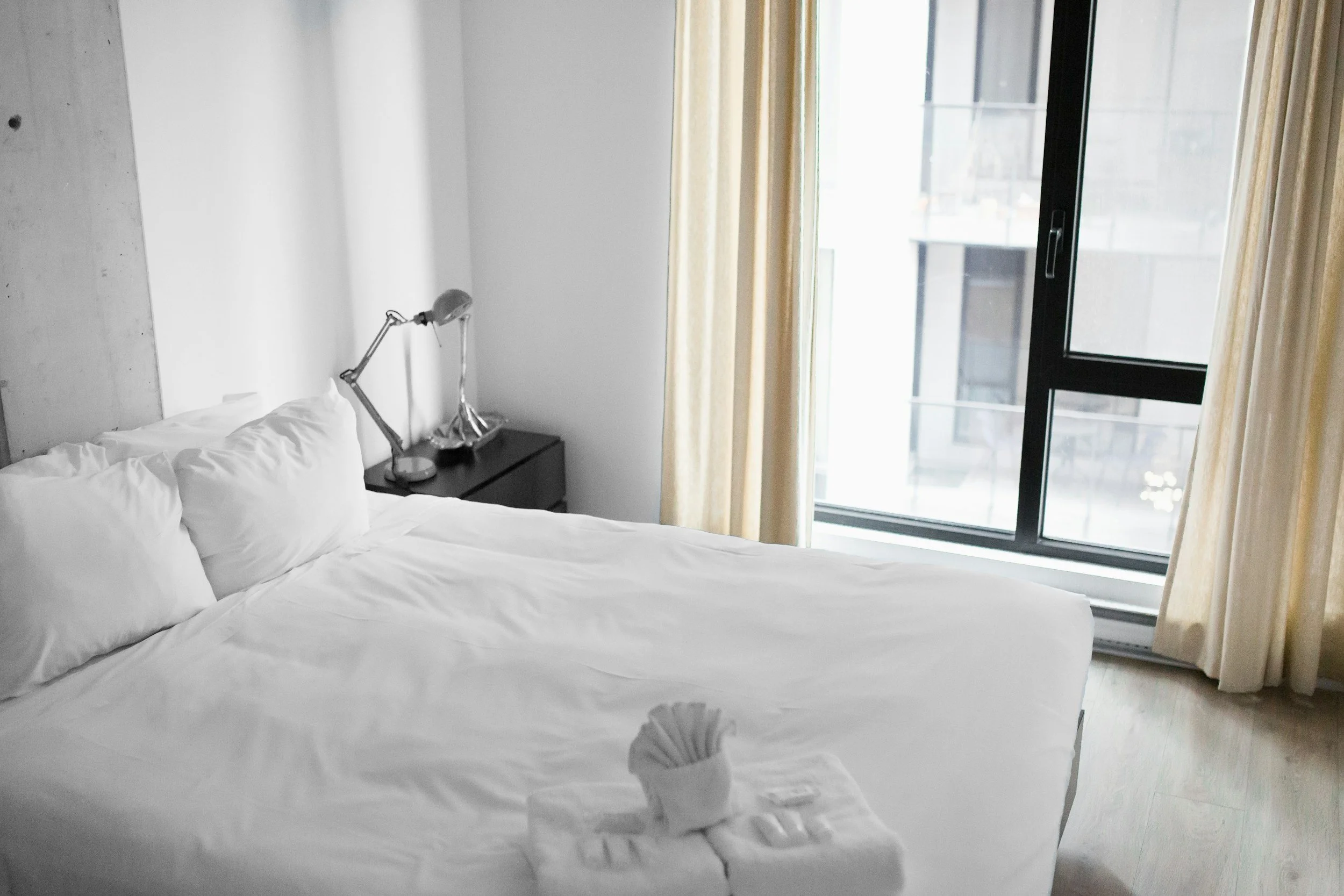
9. Check That Everything You Booked Is There
If you specifically booked a king bed, sea view, accessible room or certain amenities, confirm everything matches your reservation before settling in.
Any issues are much easier for hotel staff to resolve immediately after check-in than several hours later.

10. Save the Hotel's Contact Details
Before heading out to explore, save the hotel's phone number and address on your phone.
If your battery dies, you lose internet access or you're using a taxi without navigation, having the address readily available can make returning to your hotel much easier.
Good Habits That Make Every Stay Safer
Small habits often provide the biggest peace of mind. Lock your room whenever you're inside, avoid sharing your room number publicly at reception, and don't open the door to unexpected visitors unless you've confirmed who they are.
It's also worth keeping your passport, emergency contacts and travel insurance details easily accessible rather than buried at the bottom of your suitcase.
Hotel Safety Doesn't Have to Be Complicated
Most hotel stays are completely trouble-free, and serious incidents are rare. These checks aren't about expecting something to go wrong—they're about forming simple habits that take only a few minutes but can make your trip safer and more comfortable.
Once everything looks good, you can unpack, relax and enjoy your destination knowing you've already taken care of the essentials.
✍️ This blog was written by Sophia.
