

Warm, Cheap, and Not Overrun: January Cities Europeans Actually Travel To
January travel advice is usually split into two lazy extremes. Either you’re told to escape winter completely and fly halfway across the world, or you’re pushed toward the same overcrowded “off-season bargains” that feel empty, closed, and vaguely disappointing. What gets missed is how Europeans actually travel in January — not for Instagram, not for bucket lists, but for comfort, affordability, and cities that still feel alive.
January is not about chasing perfect weather. It’s about finding places where daily life continues, prices soften, and tourism pressure drops just enough to let the city breathe. Europeans don’t disappear in January; they simply shift destinations. And once you follow those patterns, a very different map of Europe opens up.
✍️ Olivia · January 8, 2026


Why These Cities Work in January
The cities Europeans choose in January tend to share three things. First, they’re warm enough to walk comfortably, even if you need a jacket. Second, they’re culturally active year-round — cafés, museums, neighborhoods, and local routines don’t shut down after Christmas. Third, they’re not built entirely around seasonal tourism, so January doesn’t feel like an afterthought.
These are not resort towns pretending to be cities. They’re real urban places that happen to become more pleasant when crowds leave.
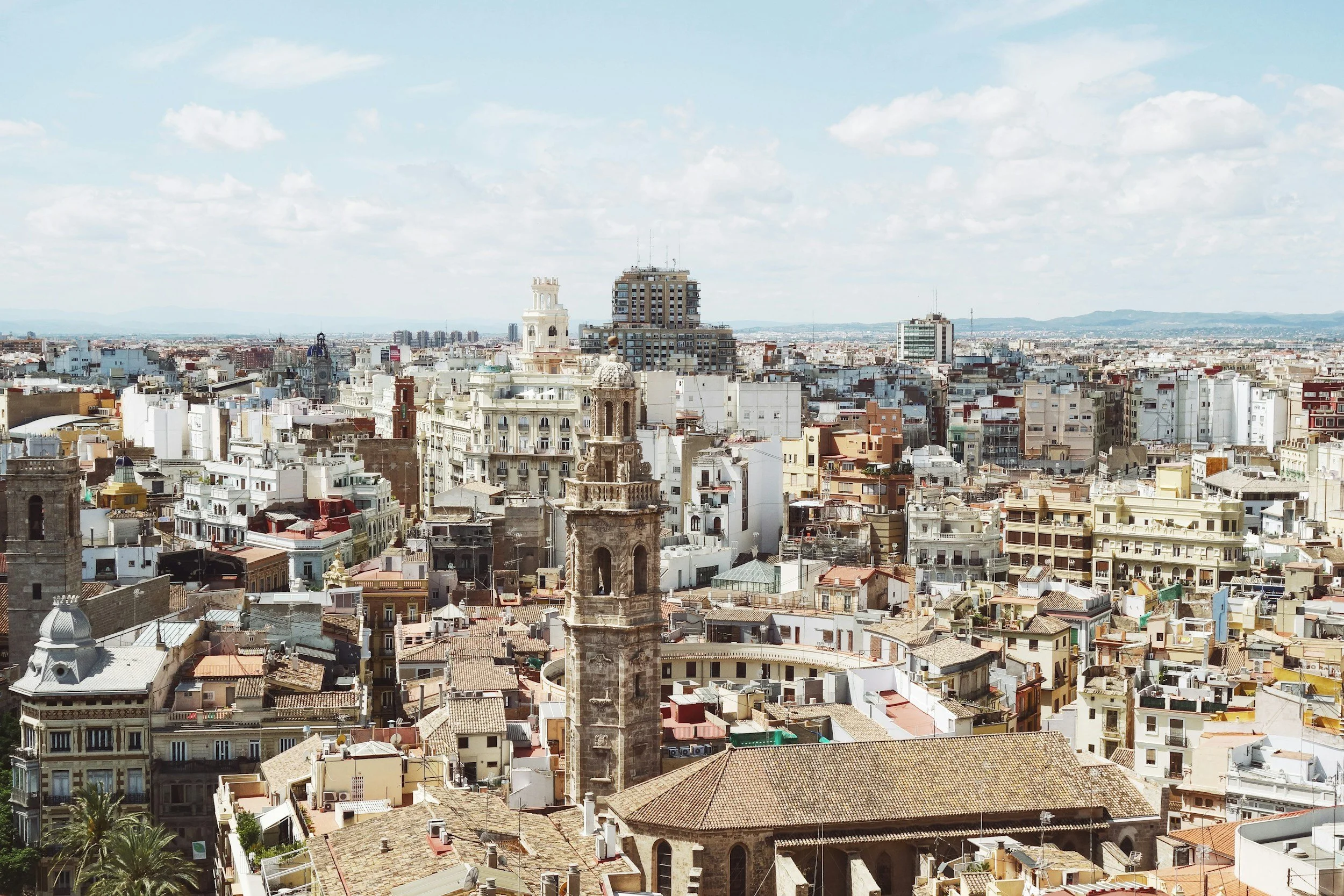
Valencia — The Mediterranean City That Never Went All-In on Tourism
Valencia quietly solves most January travel problems. The weather stays mild enough for long walks, prices drop without the city feeling deserted, and daily life continues uninterrupted. Unlike Barcelona, Valencia never fully surrendered itself to mass tourism, which means January doesn’t feel like a shutdown — it feels like a return to normal.
Europeans come here for rhythm rather than spectacle. Morning markets, slow lunches, long park walks in the former riverbed, and evenings that revolve around food instead of nightlife. You’re not fighting crowds for museums or restaurants, and you’re not paying summer premiums for basic experiences.
January is also when Valencia feels most balanced. The beach exists, but it doesn’t dominate the city. The old town is walkable without congestion. Cafés are full of locals, not queues. It’s a city that rewards staying a little longer and doing less.

Seville — Warmth Without Coastal Chaos
Seville in January is one of Europe’s best-kept open secrets. While summer temperatures make the city exhausting, January brings mild days that turn walking into a pleasure rather than a survival exercise. Europeans gravitate here not for landmarks alone, but for atmosphere — plazas that are actually usable, tapas bars that function at a human pace, and neighborhoods that feel lived-in rather than staged.
The city doesn’t empty out after the holidays. Locals reclaim public spaces, and visitors blend into daily routines instead of overwhelming them. Prices for accommodation soften, especially compared to spring, and cultural sites remain fully operational without the pressure of peak season crowds.
Seville works in January because it never relies on spectacle. It’s a city built for lingering, and winter finally gives you permission to do exactly that.
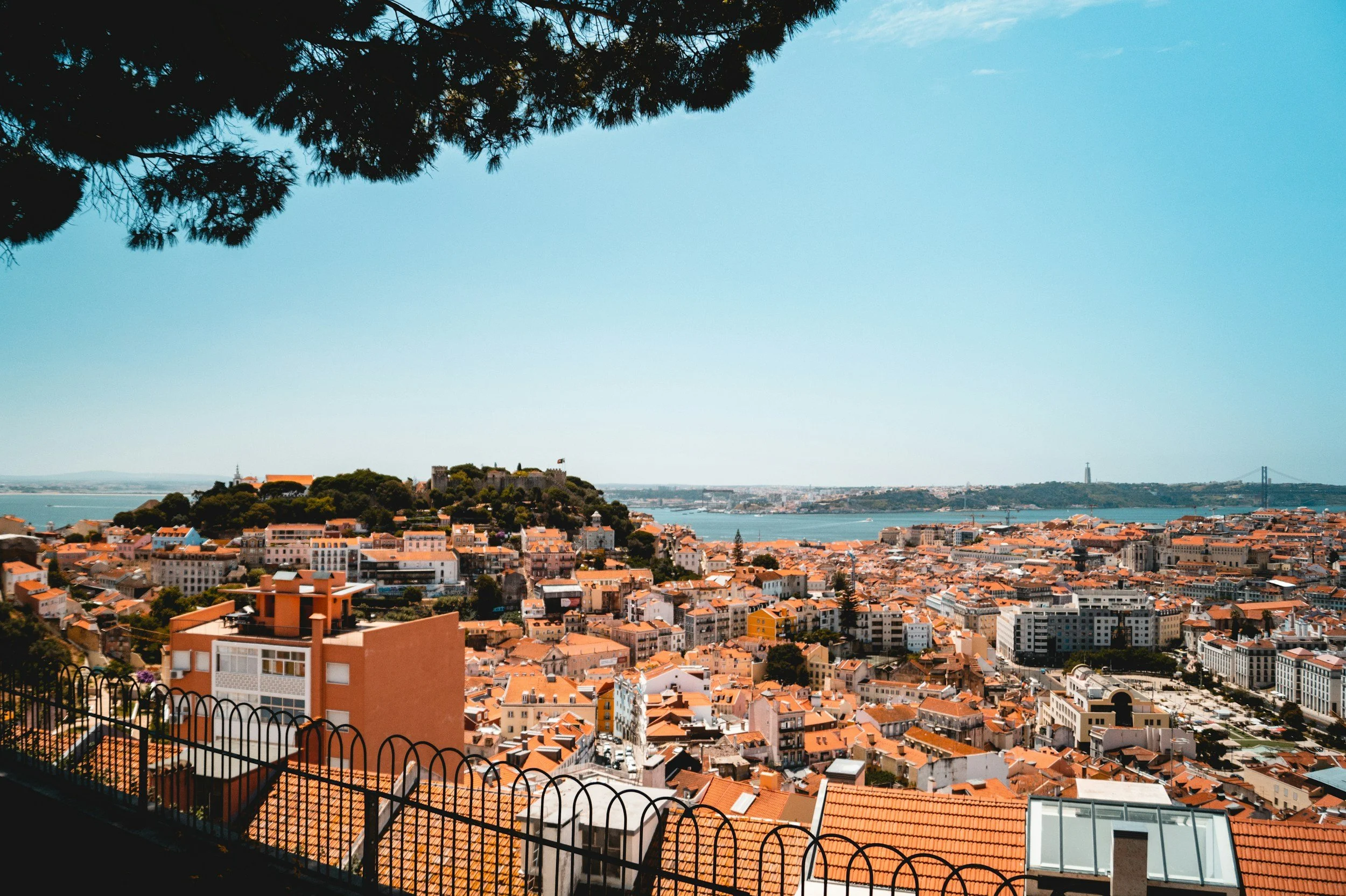
Lisbon — Mild, Walkable, and Unapologetically Local
Lisbon doesn’t pretend January is beach season, and that honesty is exactly why it works. Europeans come here knowing they’ll trade swims for hills, viewpoints, and long café stops. The weather stays forgiving, daylight is manageable, and the city remains active without feeling stretched thin.
What changes in January is scale. Trams are usable again. Viewpoints are quiet enough to enjoy. Restaurants stop rushing turnover and settle back into their normal rhythm. Lisbon becomes a place you move through rather than consume.
Flights and accommodation are noticeably cheaper, but the real value comes from space — physical and mental. You’re not negotiating crowds, reservations, or inflated expectations. You’re simply living in the city for a while, which is exactly how Europeans approach January travel.
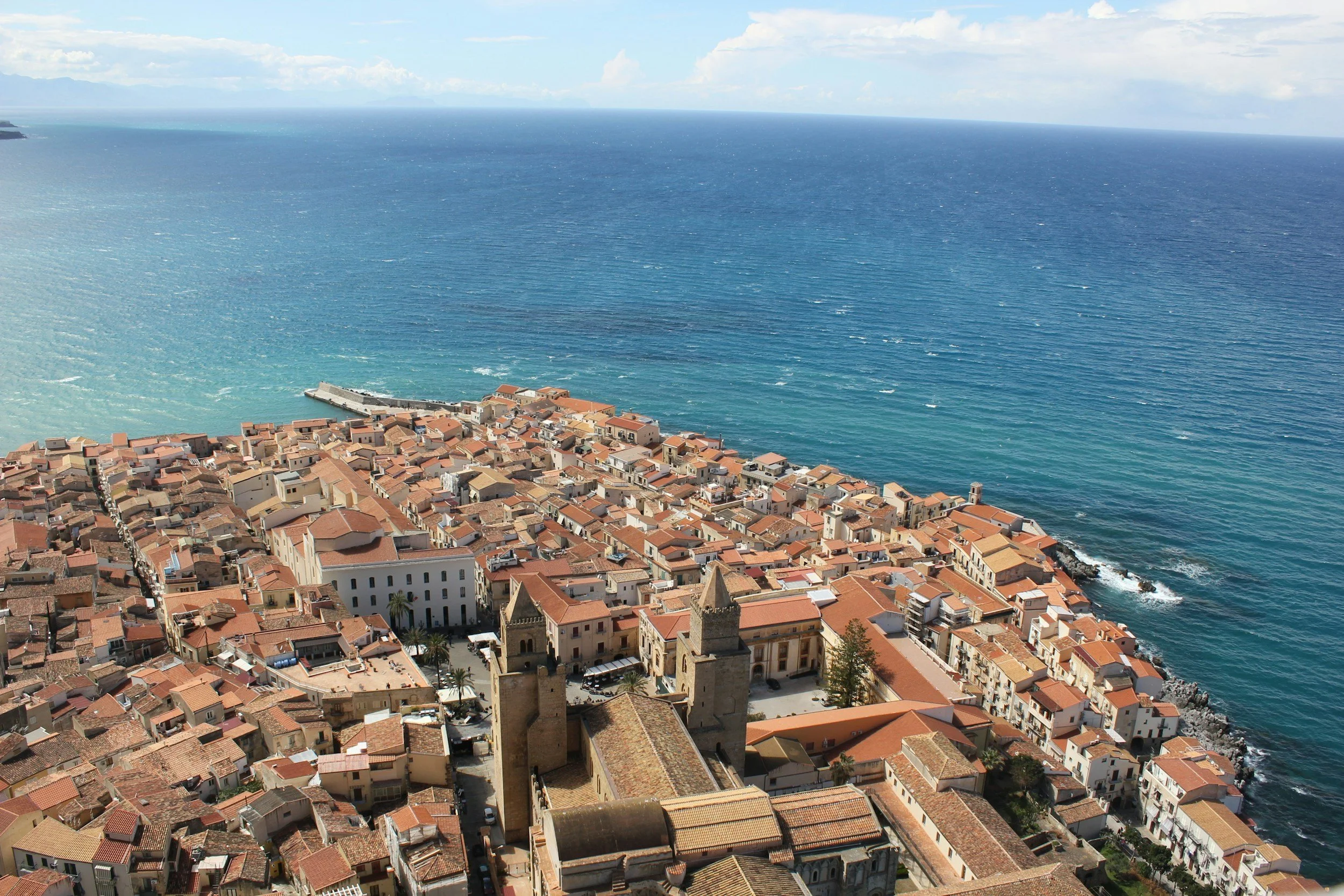
Palermo — Southern Italy Without the Performance
Palermo in January is raw in the best possible way. This is not polished Italy or postcard Italy; it’s daily life Italy. Europeans who travel here in winter are not chasing scenery alone — they’re chasing authenticity without friction.
The weather stays mild, food becomes the main event, and the city’s intensity feels grounded rather than chaotic. Markets operate normally. Neighborhood bakeries become daily rituals. Cultural sites are accessible without queues or pressure.
January strips Palermo of performance. What remains is a city that feeds you well, challenges you slightly, and rewards curiosity. It’s not for everyone, but for travelers who value texture over polish, it’s one of Europe’s most satisfying winter choices.
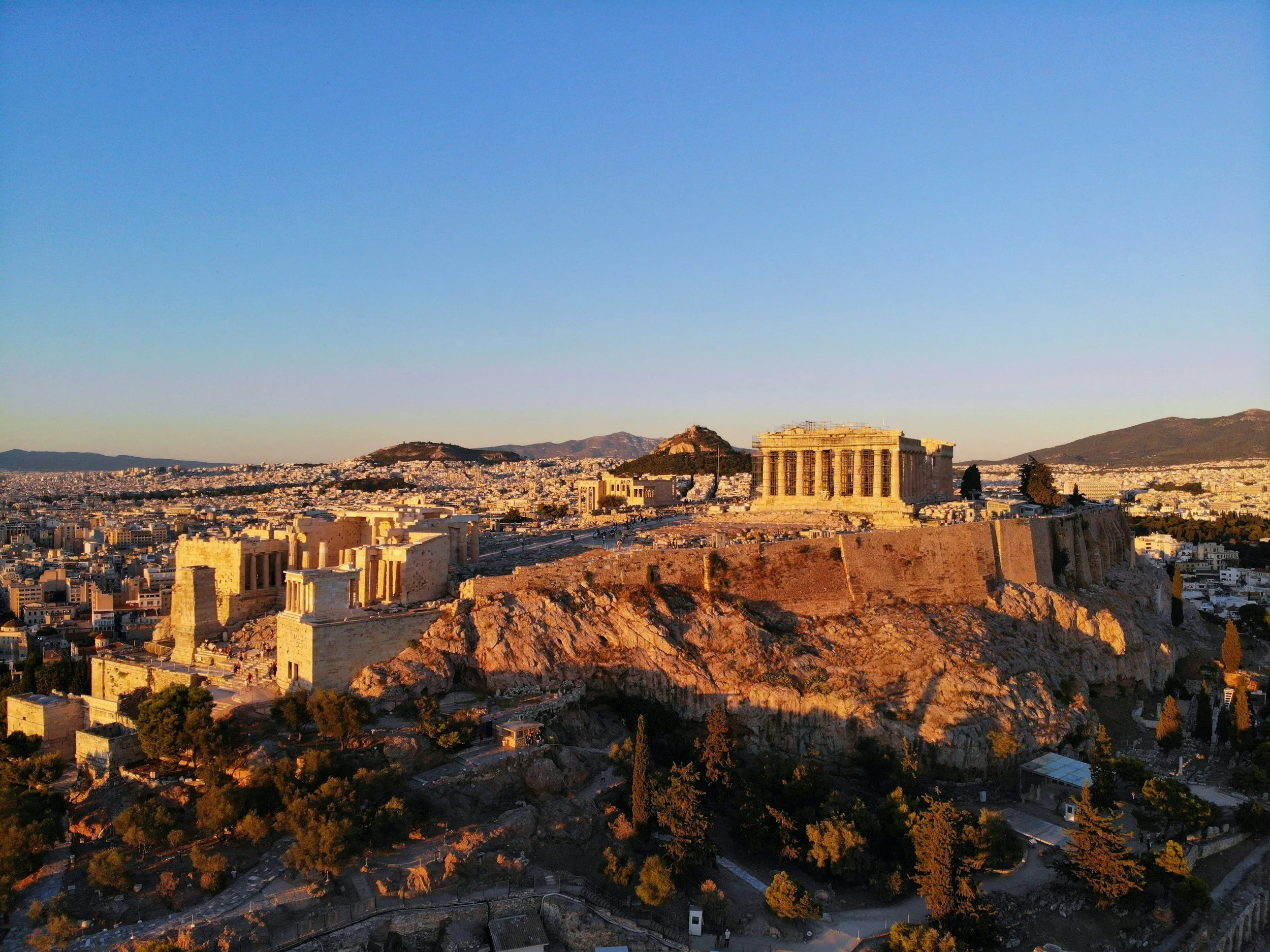
Athens — History Without Heat, Life Without Crowds
Athens works in January because it finally feels balanced. The heat disappears, walking becomes enjoyable, and archaeological sites become places you can actually linger rather than rush through. Europeans often choose Athens in winter precisely because it shifts the focus from endurance to understanding.
Museums become highlights instead of backups. Cafés fill with locals rather than tour groups. Neighborhoods like Koukaki and Pangrati feel grounded and social rather than transitional.
Prices drop, flights become easier to justify, and the city’s layered history becomes readable instead of overwhelming. January doesn’t make Athens quiet — it makes it legible.
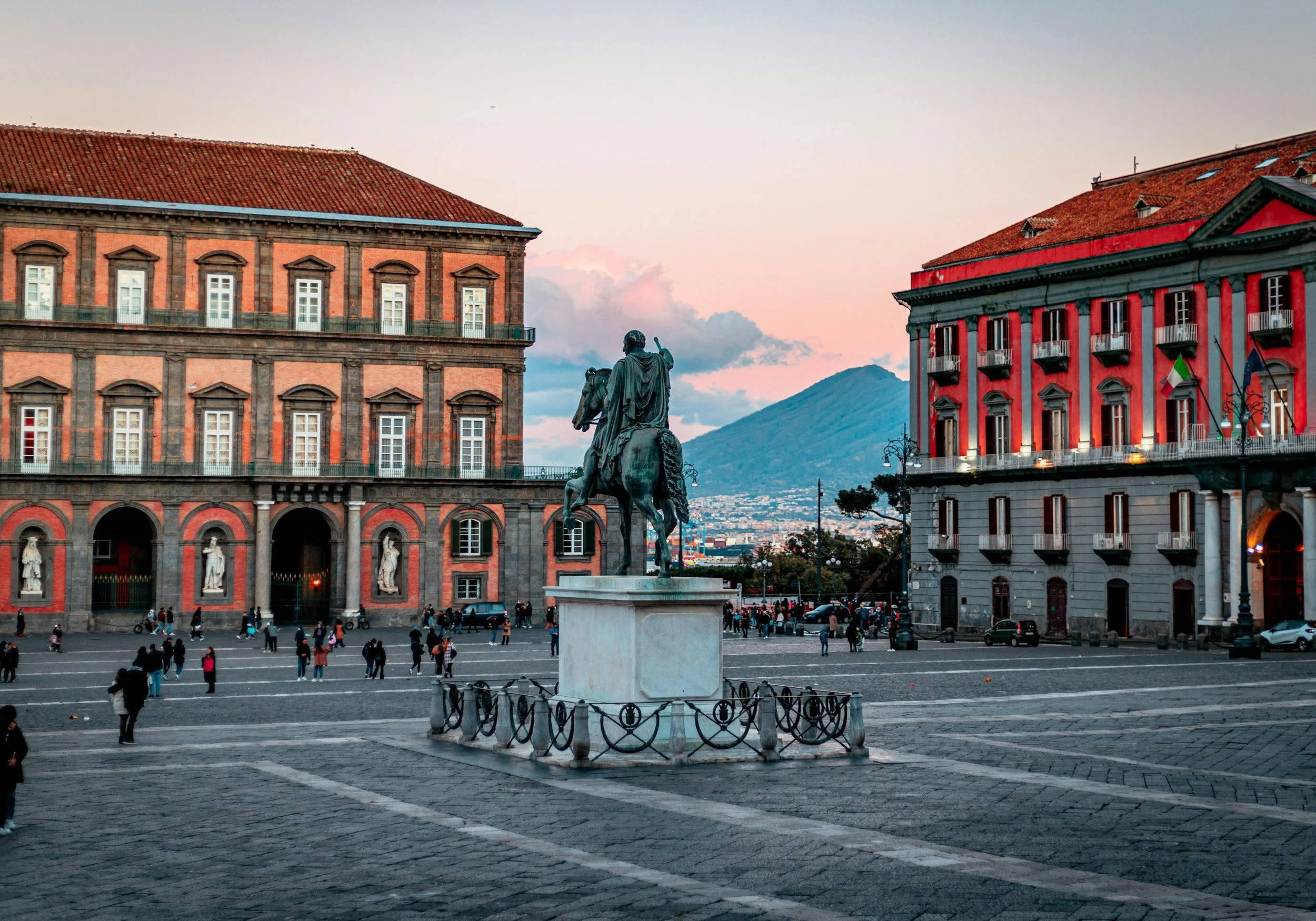
Naples — Chaotic, Affordable, and Comfort-Driven
Naples doesn’t soften itself for January, and that’s exactly why Europeans go. Winter amplifies what the city already does well: food, intensity, and daily life that doesn’t depend on tourists to function.
Pizza season never ends. Neighborhood energy stays high. Day trips to Pompeii or the coast become logistically easier without crowds. Accommodation prices finally match reality instead of reputation.
Naples in January is not curated, but it is honest. Travelers who choose it aren’t looking for ease — they’re looking for warmth that comes from culture rather than climate.
Why These Cities Stay Under the Radar
What unites these cities is not perfection but continuity. They don’t shut down in winter. They don’t rely on summer fantasy to justify their existence. Europeans choose them because January travel is not about spectacle — it’s about comfort, affordability, and places where life keeps moving.
These cities don’t advertise January aggressively because they don’t need to. They simply keep working.
How to Travel Them Right in January
The mistake many travelers make in January is applying summer logic to winter movement. Shorter daylight means fewer daily plans. Weather means flexibility matters more than optimization. Comfort beats coverage.
Europeans traveling in January build days around meals, neighborhoods, and indoor culture rather than checklists. They walk more slowly, stay longer in fewer places, and choose cities that allow that pace without friction.
That’s the real January advantage — not escaping winter, but choosing cities that understand it.
✍️ This blog was written by Olivia.
