

January Travel Myths That Need to Die
January has the worst reputation in travel, and most of it is built on repetition rather than reality. The same claims get recycled every year: it’s dead, it’s depressing, it’s only good for escaping somewhere hot, flights are always cheap, cities shut down, and nothing works the way it should.
None of these myths survive contact with how people actually travel in January — especially in Europe.
January doesn’t ruin travel. Bad assumptions do. And once you strip those away, January becomes one of the most strategic months to travel if you understand what it’s good for and what it isn’t.
Let’s clear the air.
✍️ Ethan · January 16, 2026

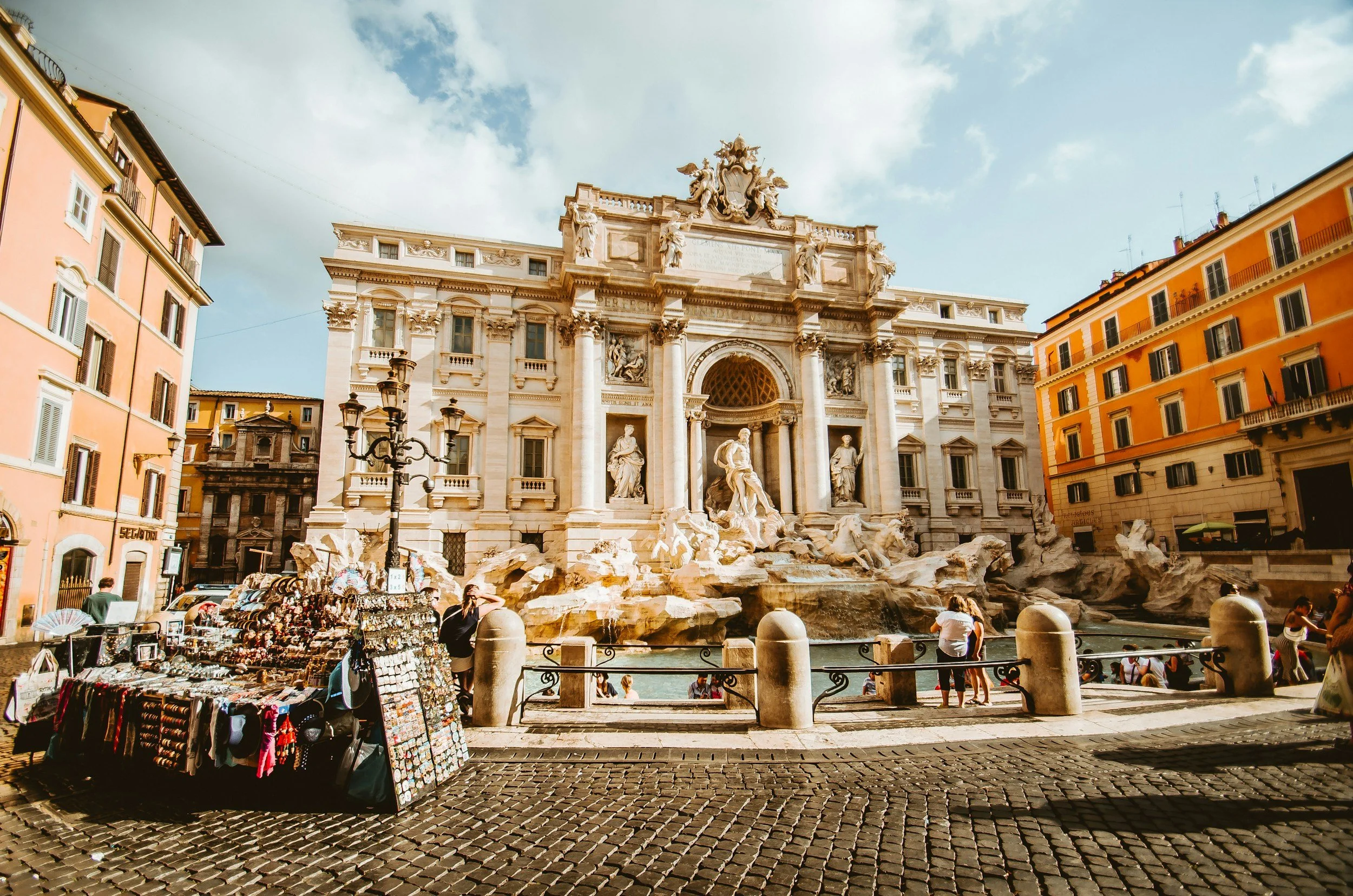
Myth 1: “January Is Dead Everywhere”
This is the laziest myth, and the most damaging one.
January doesn’t kill cities — it removes visitors. That’s not the same thing. Cities built around daily life continue functioning normally. Cities built around seasonal tourism struggle.
Compare a place like Lisbon or Rome with somewhere like Santorini. In the first two, locals stay, cafés stay open, transport runs, culture continues. In the last one, the entire system depends on visitors, so January exposes the gap.
January isn’t dead. It’s selective.

Myth 2: “January Flights Are Always the Cheapest”
They’re often cheaper — but not always, and not uniformly.
January prices drop for specific reasons: collapsed holiday demand, paused business travel, and routes being tested rather than cut. Some routes fall dramatically. Others barely move. A few even spike if capacity is reduced too aggressively.
Flights to cities with year-round relevance, expat populations, or institutional travel don’t collapse just because the calendar changes. Flights to purely seasonal destinations do.
The myth isn’t that January flights are cheap. The myth is that price alone tells you whether the trip makes sense.
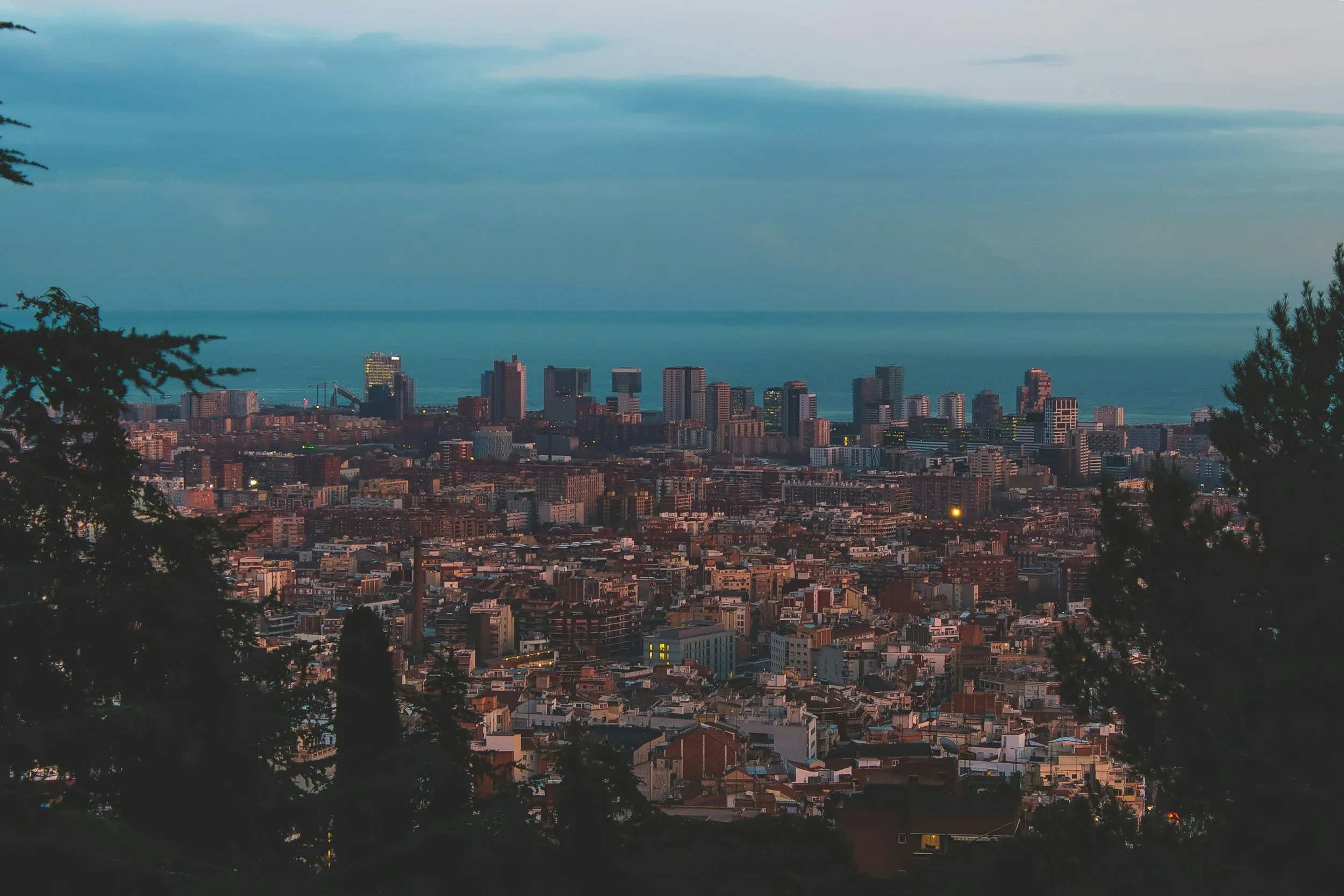
Myth 3: “Cold Weather Ruins City Trips”
Cold ruins trips that rely on standing still.
Cities that are walkable, dense, and culturally active often improve in cold weather. You walk more comfortably, linger longer indoors, and move with intention instead of rushing through highlights.
Cities like Vienna, Berlin, and Athens don’t become worse in January — they become more readable. Museums matter more. Neighborhoods replace checklists. Evenings slow down instead of competing with daylight.
Cold doesn’t ruin cities. Mismatch does.

Myth 4: “January Is Only Worth It If You Escape to the Sun”
This myth reduces travel to temperature alone.
Many January travelers don’t want heat — they want relief. Relief from crowds, from inflated prices, from overbooking, from pressure to do everything.
That’s why Europeans often choose mild cities over tropical escapes in January. Places where a jacket is enough. Where walking is possible. Where cafés are part of daily life.
January travel isn’t about replacing winter with summer. It’s about replacing noise with clarity.

Myth 5: “Everything Closes in January”
Some things close. Most things don’t.
What closes in January are:
Seasonal hotels
Tourist-only restaurants
Event-driven attractions
What stays open are:
Neighborhood cafés
Museums
Public transport
Local restaurants
Daily commerce
If “everything” feels closed, it usually means you’re in a place designed primarily for visitors. January doesn’t shut down cities. It filters out shallow infrastructure.
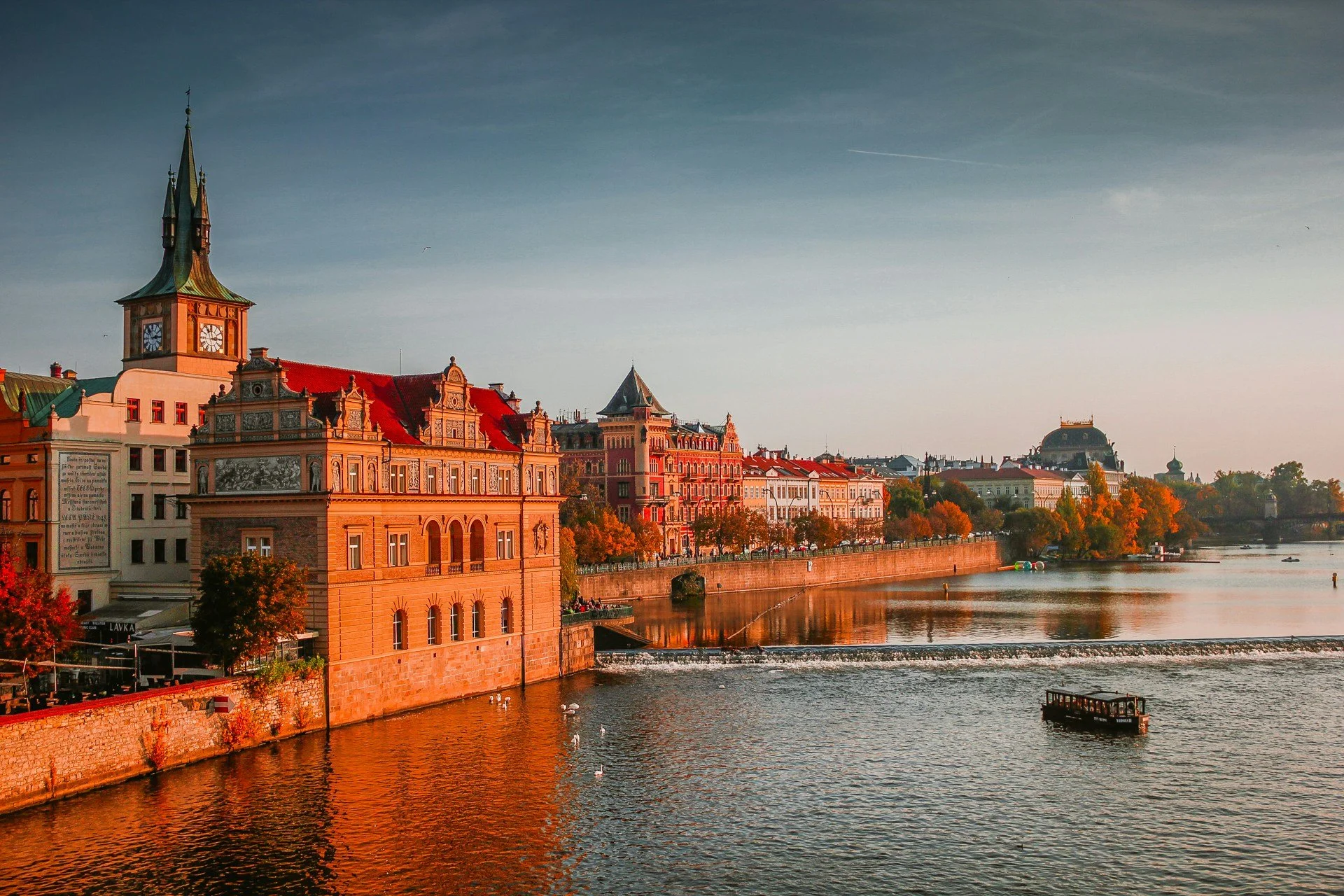
Myth 6: “January Is Depressing to Travel”
January is quieter. That’s not the same as depressing.
What people often mean by “depressing” is the absence of stimulation they’re used to outsourcing to crowds, weather, or spectacle. January demands a different relationship with travel — one based on pacing rather than accumulation.
For travelers who enjoy observation, reflection, and presence, January can feel grounding rather than heavy. For those who rely on constant motion and external validation, it can feel uncomfortable.
January doesn’t create the mood. It reveals how you travel.
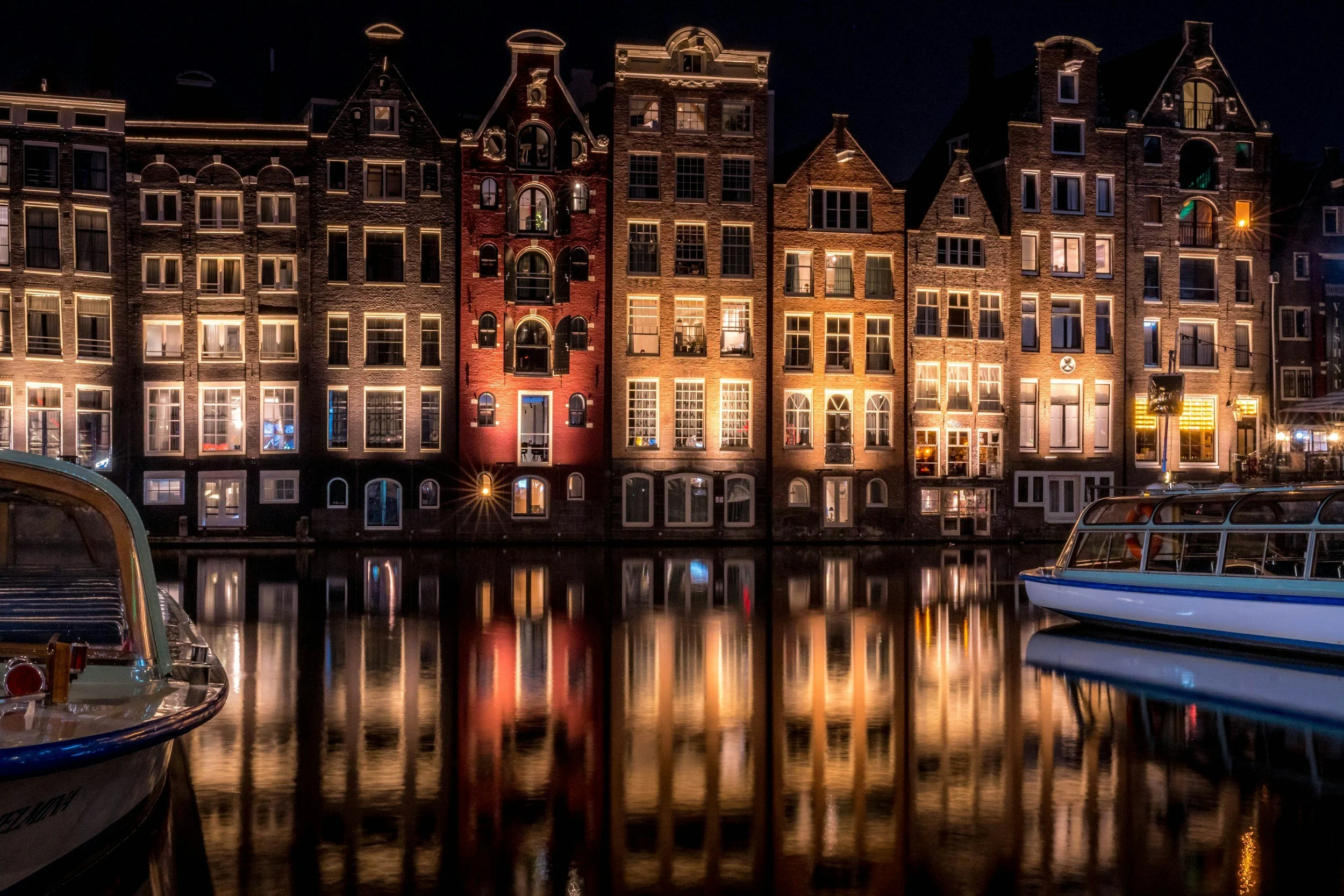
Myth 7: “You Can Do the Same Itinerary, Just Slower”
This one causes more disappointment than any other.
January itineraries need structural changes, not time adjustments. Shorter daylight, weather variability, and energy levels mean fewer anchor points per day, more indoor balance, and less geographic sprawl.
Trying to “fit everything in” just at a slower pace leads to frustration. January rewards curation, not compression.
Cities don’t get smaller in January — your margin for error does.

Myth 8: “January Travel Is Only for Experienced Travelers”
This is backwards.
January is actually easier for first-time visitors to many cities because:
Crowds are thinner
Mistakes are cheaper
Logistics are simpler
Pressure is lower
What January punishes is rigidity, not inexperience. Flexible travelers — new or seasoned — do fine. Over-planners struggle.
January isn’t advanced mode. It’s honest mode.
Myth 9: “If It’s Famous, January Must Be Fine”
Fame and functionality are not the same thing.
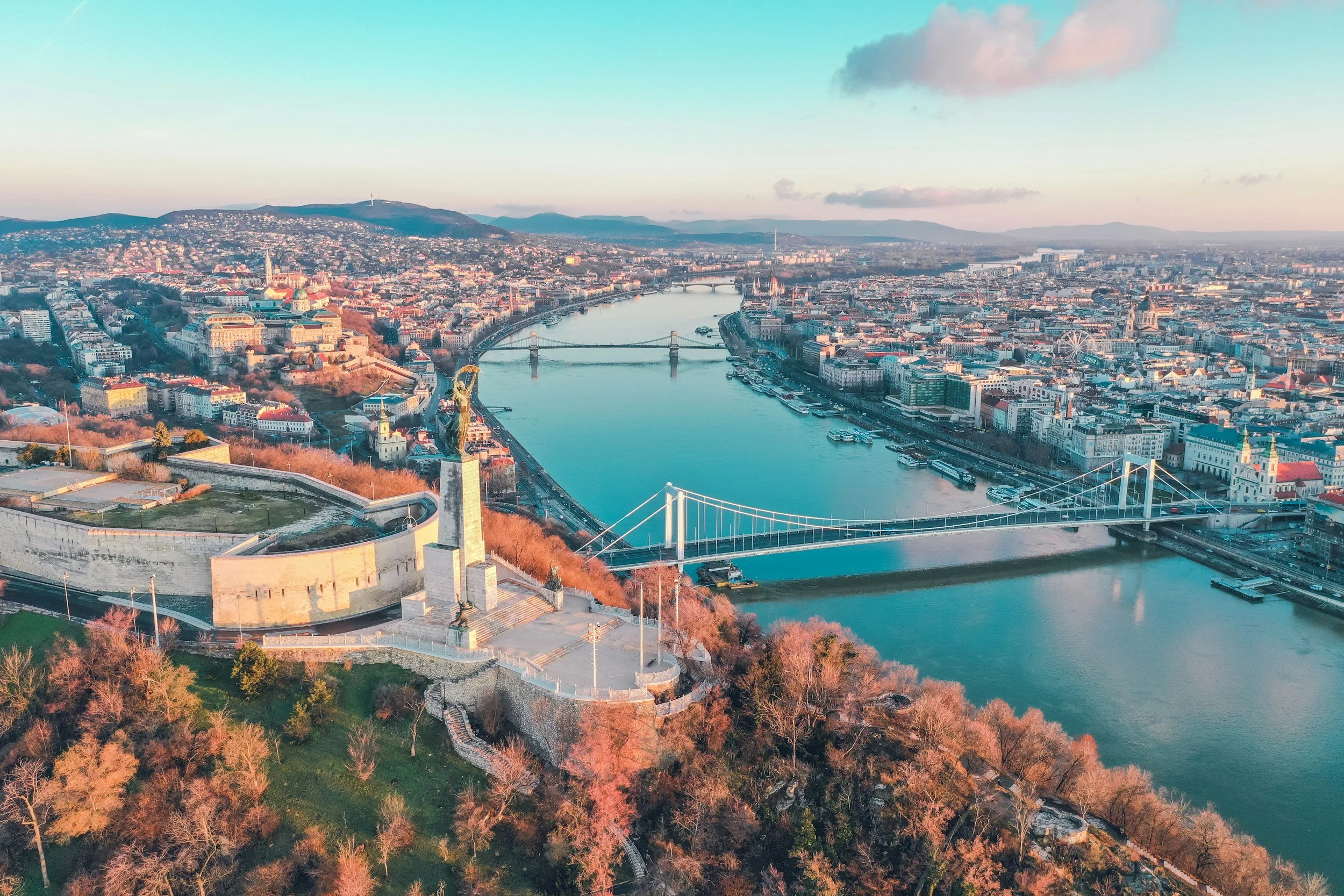
Some famous destinations thrive without tourists. Others collapse. January exposes which is which. A city with layered local life absorbs the absence of visitors. A destination built as a stage does not.
January doesn’t care about reputation. It cares about resilience.

Myth 10: “January Is a Compromise Month”
January isn’t a compromise. It’s a trade-off.
You trade:
Long daylight for space
Buzz for calm
Volume for depth
If those trades align with how you enjoy travel, January becomes one of the most efficient months to go somewhere. If they don’t, it feels wrong fast.
The mistake is treating January like a discounted version of peak season instead of its own category entirely.
The One Question That Replaces All Myths
Before booking any January trip, ask: “What does this place look like when tourism isn’t driving it?”
If the answer includes locals, daily routines, culture, and movement — January works. If the answer is silence, closures, and waiting — it doesn’t.
January doesn’t need defending. It just needs to be understood.
✍️ This blog was written by Ethan.
