

Travel Through Movies: Real Filming Locations You Can Actually Visit
Some places feel familiar before you even get there. Not because you’ve been, but because you’ve already seen them—on screen, in scenes you remember more clearly than the trip itself.
What makes film locations different from normal travel spots is not just how they look. It’s the context behind them. A street is not just a street anymore. A building is not just architecture. You arrive with a reference in your head, and the place either confirms it or completely changes it.
But there’s a detail most guides ignore: not every filming location is worth visiting. Some are heavily staged, some are barely recognizable in real life, and some only work if you understand what was actually filmed there.
This guide focuses on places that still hold their identity. Locations where you don’t need imagination to connect them to the film—and where visiting them actually adds something to the experience.
✍️ Sophia · May 25, 2026

Hobbiton Movie Set — A Built World That Never Left
Most film sets disappear once filming ends. Hobbiton didn’t.
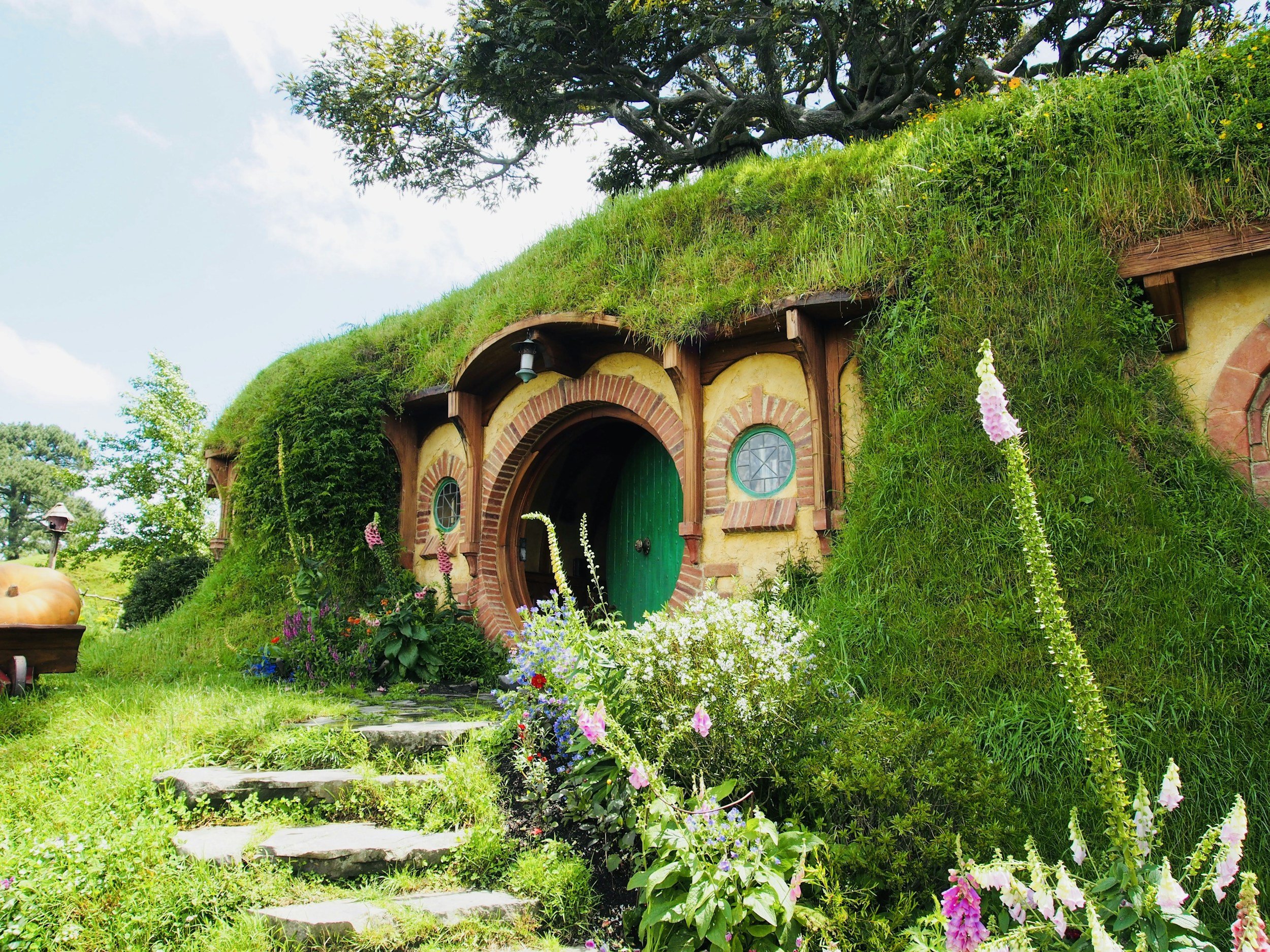
Located near Matamata in New Zealand, this set was originally constructed for The Lord of the Rings trilogy. At first, it was built as a temporary structure, but the scale and detail of the set changed that. When The Hobbit films were later produced, the entire village was rebuilt permanently using real materials instead of props.
That decision is what makes it different today. This is not a reconstructed version or a museum-style replica. It is the actual set, maintained as it was designed for filming.
The layout is intentional. Paths curve naturally, houses are built into the hills, and every small detail—from garden tools to laundry lines—was placed to create a lived-in world. Even the placement of trees was carefully designed to match the tone of the films.
What stands out is how complete it feels. You’re not looking at fragments or isolated structures. You’re walking through a fully built environment where scale, spacing, and perspective were designed for both camera and real movement.
This is one of the few places where the transition from screen to reality feels seamless.
Warner Bros. Studio Tour London – The Making of Harry Potter — From Set to Preservation
Not every filming location exists in the real world. Some are built entirely in controlled environments, and that’s where studio tours become important.
The Harry Potter studio tour in London is not a theme park. It’s closer to an archive.
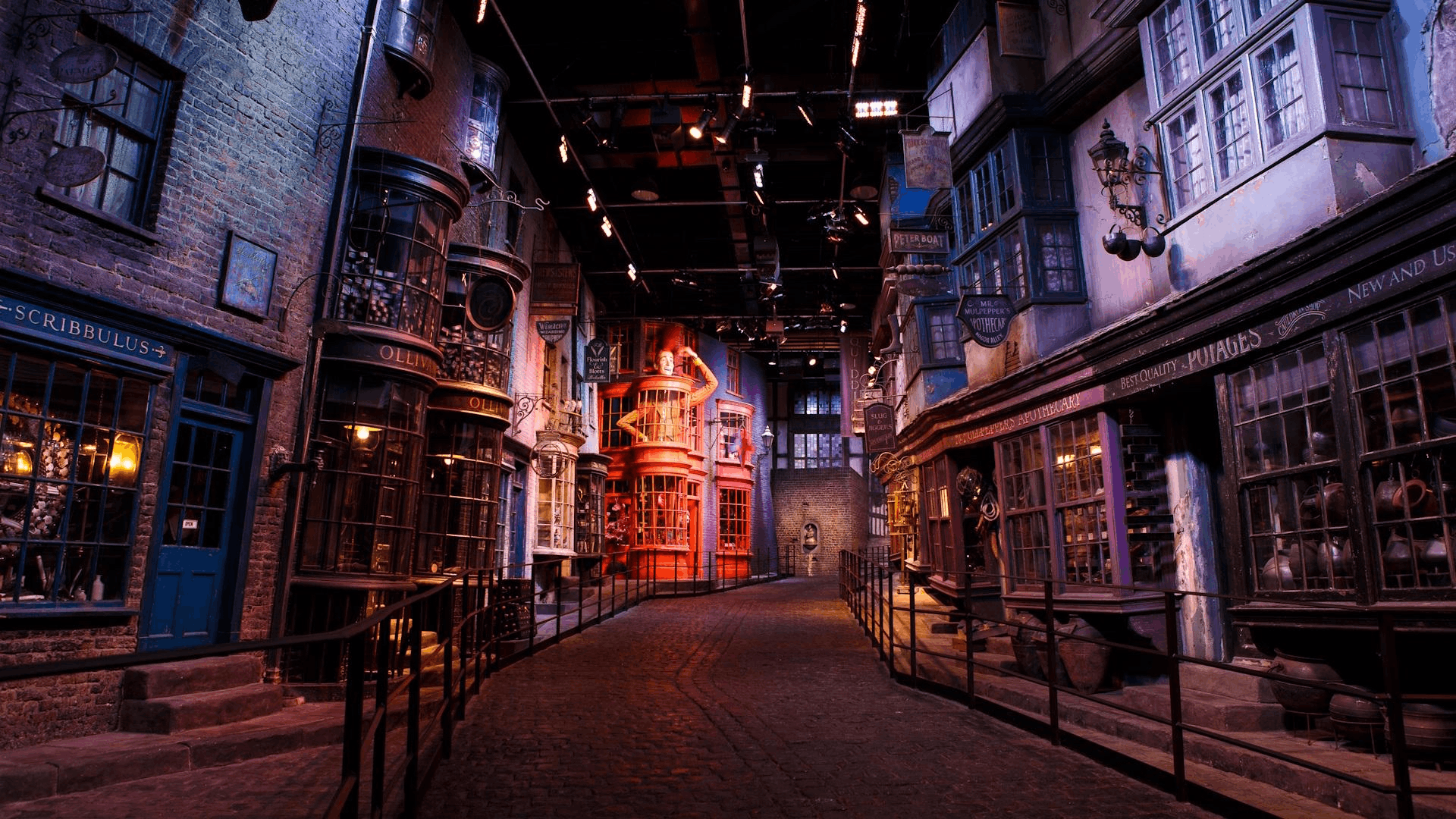
The sets you walk through—the Great Hall, Diagon Alley, the Hogwarts Express—are original. They were used during filming, then preserved instead of dismantled. What you see is not recreated for visitors. It’s what remained after production ended.
The difference shows in the details. Floors are worn, textures are real, proportions are slightly different from what you expect on screen. That’s because these sets were built for filming angles, not for public viewing.
What makes this experience work is context. You’re not just walking through sets—you’re seeing how they were used. Lighting rigs, green screens, mechanical effects, and costume design all sit alongside the environments.
It changes how you see the films afterwards. Scenes that felt magical become more technical, but not less impressive.

Dubrovnik Old Town — A Real City That Became Fiction
Dubrovnik wasn’t built for film, which is exactly why it works so well on screen.
The old town, with its stone walls, narrow streets, and direct connection to the sea, became the primary filming location for King’s Landing in Game of Thrones. Unlike constructed sets, nothing here was created specifically for the series. The city already had the structure the story needed.
That’s what makes visiting it different from places like Hobbiton. You’re not entering a set. You’re entering a real city that was temporarily used as one.
Certain locations stand out more than others. The city walls offer the same wide views seen in the show. The Jesuit Staircase became one of the most recognizable scenes. But many filming spots are integrated into normal daily life.
This creates a strange overlap. People live here, work here, and at the same time, visitors are moving through scenes they recognize from a fictional world.
The risk with Dubrovnik is crowding. The more popular the show became, the more visitors followed. To experience it properly, timing matters. Early mornings or late evenings bring back some of the atmosphere that made it work on screen in the first place.

Alnwick Castle — A Functional Location With a Second Identity
Alnwick Castle in England is not a film set. It’s an actual castle with centuries of history, still in use today.
But for many people, it’s remembered as something else entirely.
This is where early scenes of Hogwarts were filmed, including the flying lesson sequences. Unlike studio sets, these scenes were shot in an environment that already existed, which gives them a different weight.
The castle dates back to the 11th century and has served as a military stronghold, a noble residence, and now a public site. The fact that it seamlessly became part of the Harry Potter universe says more about the location than the production.
When you visit, the film connection is present but not overwhelming. The historical context is still dominant. This creates a layered experience—part medieval architecture, part cinematic memory.
Skellig Michael — Remote, Unchanged, and Difficult to Reach
Some filming locations are defined by how difficult they are to reach. Skellig Michael is one of them.
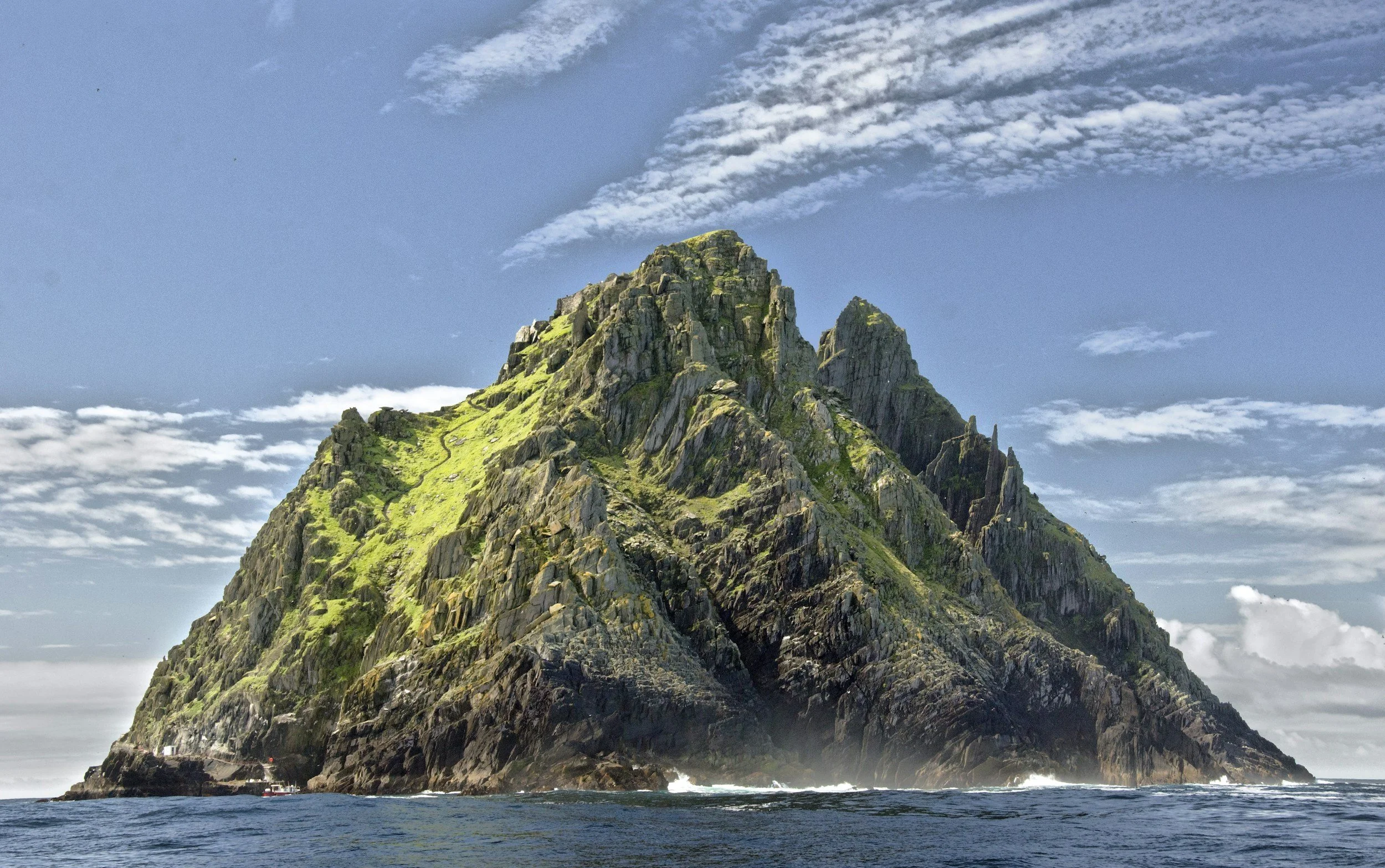
Located off the coast of Ireland, this rocky island was used in Star Wars as Luke Skywalker’s retreat. But long before that, it was home to a monastic settlement dating back over a thousand years.
Nothing here was built for the film. The stone steps, the huts, the layout—all of it existed centuries before cameras arrived.
Access is limited. Boats only operate in certain conditions, and the number of visitors is controlled. The climb itself is steep and exposed, which is part of the reason the location feels so isolated.
What you get in return is authenticity. There is no infrastructure designed to enhance the film connection. The place stands on its own, and the film simply used what was already there.

Cafe des Deux Moulins — Small Spaces, Strong Identity
Not every film location is large or visually dramatic. Some are defined by atmosphere rather than scale.
The café from Amélie, located in Montmartre, is one of those places. It wasn’t heavily modified for the film, which is why it still looks familiar today.
Inside, the layout is compact. The bar, the seating, the lighting—it all reflects a very specific kind of Parisian café culture. The film didn’t create that atmosphere. It captured it.
When you visit, the connection to the film is immediate but subtle. It doesn’t feel staged. People are there for normal reasons—coffee, conversation—and the film exists as an additional layer.
This type of location works because it hasn’t been transformed into something else. It continues to function as it always did.
Petra — A Real Location That Needed Almost No Set Design
Some locations don’t need to be adapted for film. They already look like they belong to a story.
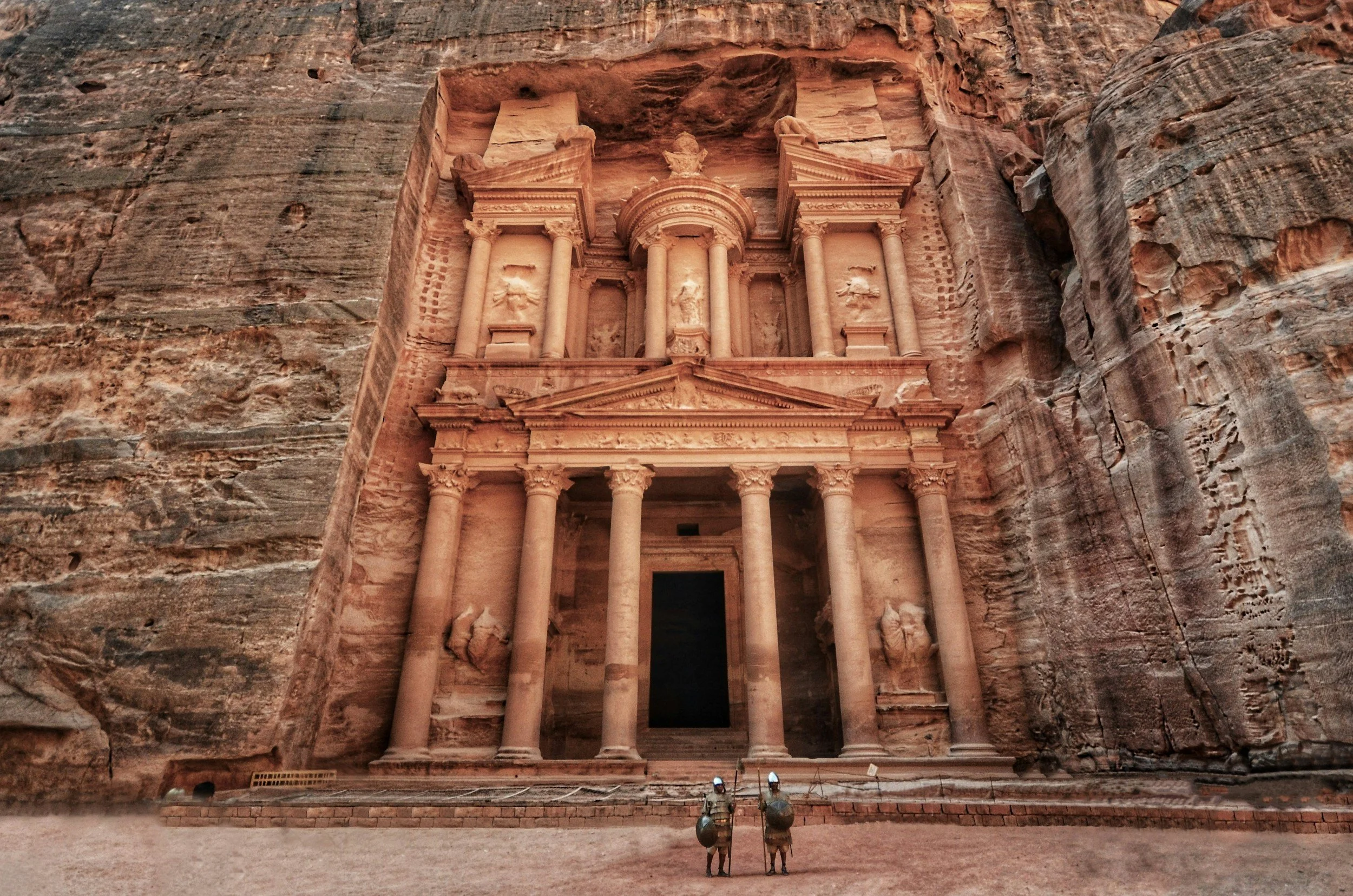
Petra is one of those places. Known globally for its rock-cut architecture, it became instantly recognizable to a wider audience after appearing in Indiana Jones and the Last Crusade as the entrance to the “Temple of the Sun.”
What’s important here is that almost nothing was added. The narrow Siq canyon leading to the Treasury already creates the kind of reveal most films try to build artificially. The scale, the texture of the stone, and the way the structure appears at the end of the path all existed long before filming.
When you visit, the cinematic moment is still there—but it’s grounded in something much older. Petra dates back over 2,000 years and was the capital of the Nabataean Kingdom. The film used only a small part of it.
The difference between screen and reality here is scale. The site is much larger, more complex, and less controlled than what the film shows. That’s what makes it worth seeing.
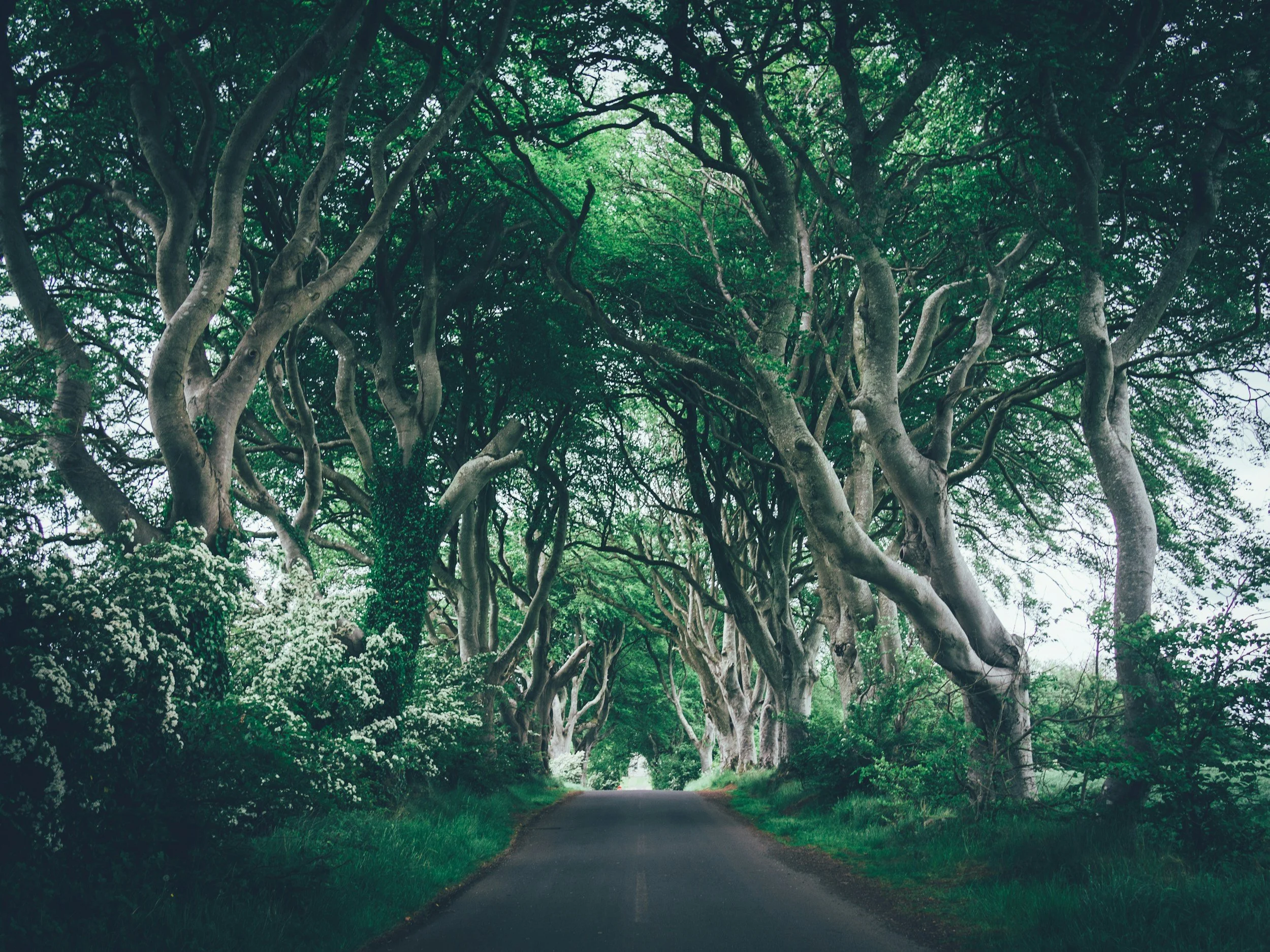
The Dark Hedges — A Natural Location That Became Iconic
Some filming locations become famous because of what they are, not because of how much they appear on screen.
The Dark Hedges in Northern Ireland is one of the most recognizable natural locations used in Game of Thrones. It served as part of the King’s Road, but the scene itself is brief. The visual impact, however, stayed.
The trees were planted in the 18th century to create a dramatic entrance to a nearby estate. Over time, they grew into a tunnel-like formation, twisting over the road in a way that feels almost unnatural.
Unlike built sets, this is a location that changes. Weather, light, and time of day affect how it looks. Early morning is when it feels closest to what people expect—quieter, less disrupted, more atmospheric.
It’s also a reminder that not all film locations are designed. Some are simply found.
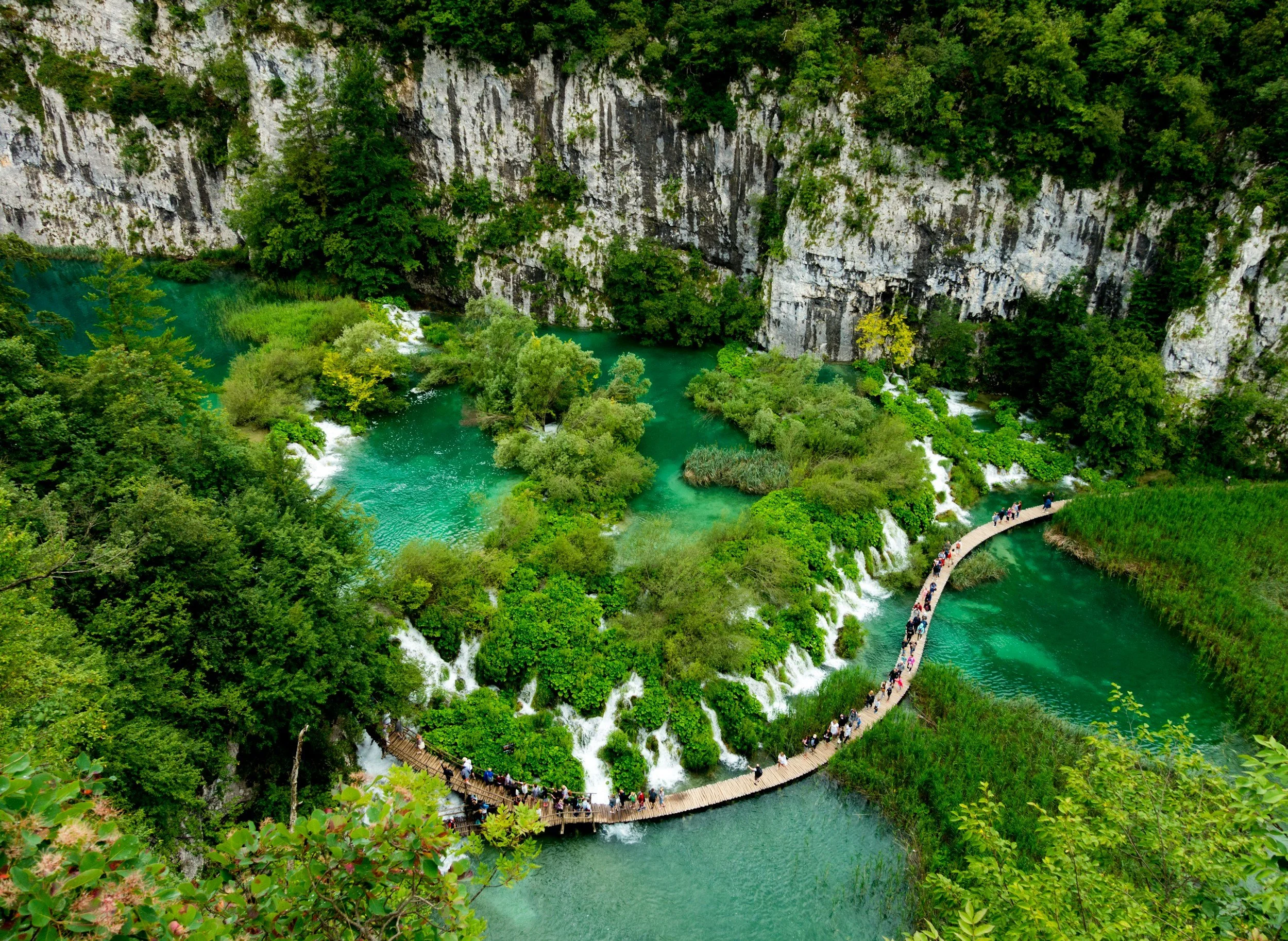
Plitvice Lakes National Park — A Landscape Used for More Than One Story
Plitvice Lakes in Croatia has been used in multiple productions over time, including older European films and fantasy settings that needed a natural, layered landscape.
The park itself is structured around a series of cascading lakes connected by waterfalls. The wooden walkways built through the area allow movement across the water without disrupting the environment.
What makes it work for film is depth. There are multiple levels, shifting perspectives, and constant movement from the water. It creates natural framing without needing artificial design.
Visiting it is less about recognizing a specific scene and more about understanding why locations like this are chosen in the first place. It’s visually complete without needing enhancement.
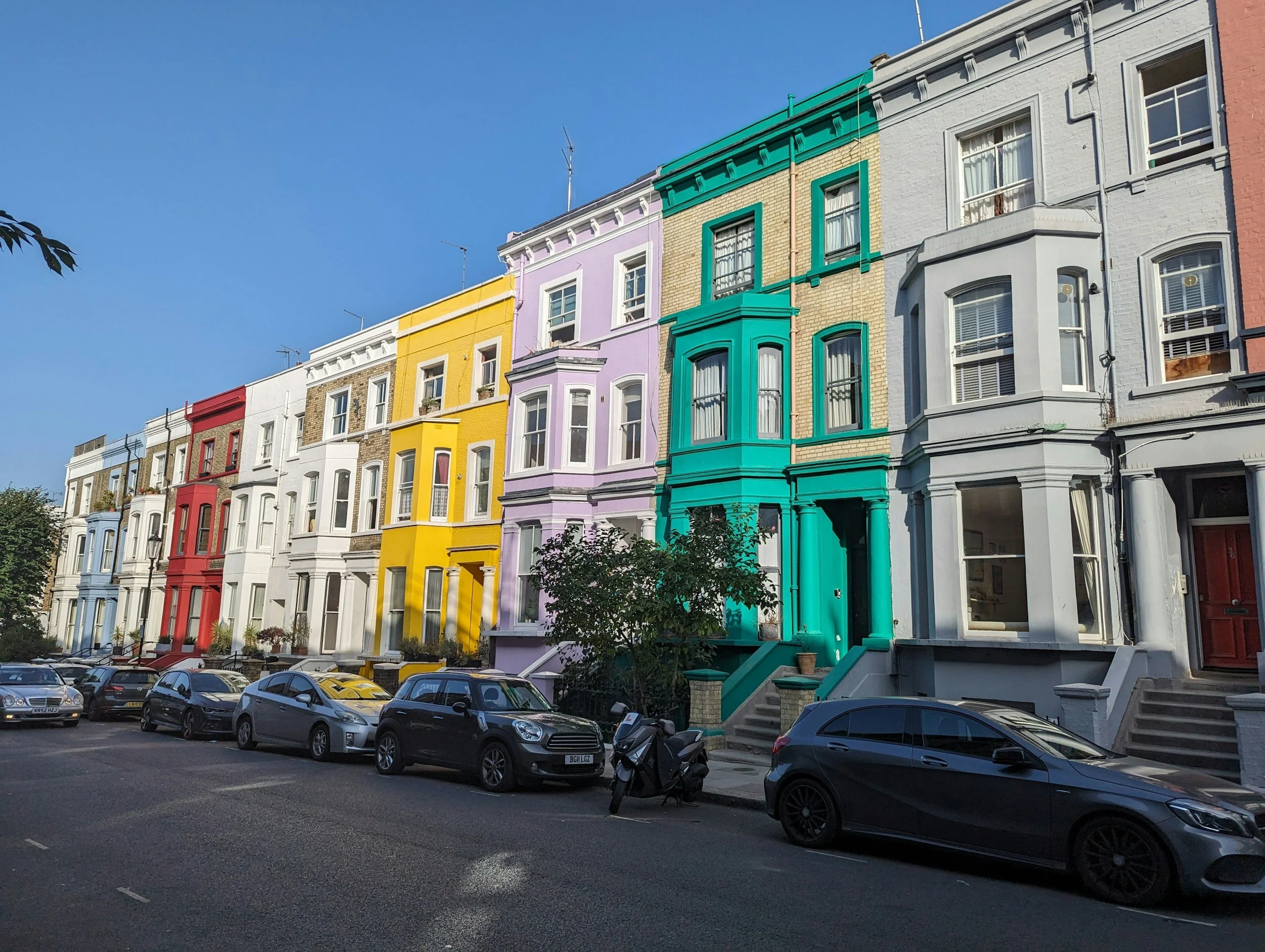
Notting Hill — A Film That Changed a Real Area
Some films don’t just use a location—they redefine it.
Notting Hill turned a relatively quiet London neighborhood into one of the most visited areas in the city. The film’s bookstore, the streets, and the overall tone created a very specific image that still affects how people experience the area today.
What’s interesting is that the neighborhood itself didn’t change dramatically. The pastel-colored houses, the layout of the streets, and the market culture were already there. The film simply focused attention on them.
When you walk through Notting Hill now, you’re moving through a real residential area that also carries a strong cinematic identity. Shops, cafés, and houses function normally, but they are constantly being viewed through that lens.
This creates a different kind of film location—one where the story has blended into everyday life.

Matamata — The Surrounding Context Matters Too
Most visitors go straight to Hobbiton and leave, but the surrounding area explains why the set works so well.
Matamata and its countryside were chosen because they already reflected the tone the filmmakers wanted. Rolling green hills, open farmland, and a sense of isolation without being empty.
The film set feels natural because it was placed into an environment that already matched its identity.
This is something many people miss with film locations. The set is only part of the experience. The surrounding geography is what makes it believable.
Spending even a short amount of time outside the set changes how you see it.
Why These Locations Still Work in Real Life
The difference between a good filming location and a forgettable one comes down to what remains after production ends.
Some places, like Hobbiton, are preserved exactly as they were built. Others, like Dubrovnik or Petra, existed long before the films and continue to function independently of them. Then there are places like studio tours, where the value comes from seeing how everything was constructed.
What connects all of them is continuity. They still make sense without the film.
If a location only works when you compare it to a scene, it usually doesn’t hold up on its own. The ones that last are the ones that were already strong before the camera arrived—or were built well enough to remain after it left.
What You Actually Experience When You Visit
Visiting a filming location is not about recreating a moment from a movie.
It’s about seeing what was real, what was built, and what was changed.
Some places feel exactly like they did on screen. Others feel completely different. In many cases, the reality is more interesting because it shows how much of what you saw was constructed.
That’s where the value is. Not in repeating the scene, but in understanding it.
✍️ This blog was written by Sophia.
