
Northern Portugal’s Chestnut Country: Bragança, Vinhais and Chaves
Portugal’s autumn is usually sold through the vineyards of the Douro. Travel farther northeast, however, and the landscape changes. Vine terraces give way to cold plateaus, medieval border towns and hillsides covered with chestnut trees.
This is Trás-os-Montes: literally, “behind the mountains.”
Between late October and early November, the region enters chestnut season. Families collect the harvest, smoke rises from roadside braziers and local menus fill with chestnut soup, roasted chestnuts and meat dishes served with sweet chestnut purée. Mushrooms, honey, olive oil and smoked sausages appear alongside them.
A route through Bragança, Vinhais and Chaves is not a polished harvest escape built around tastings and boutique hotels. It is quieter, colder and more rural. That is precisely why it works.
✍️ Sophia · October 26, 2026

When to Take This Route
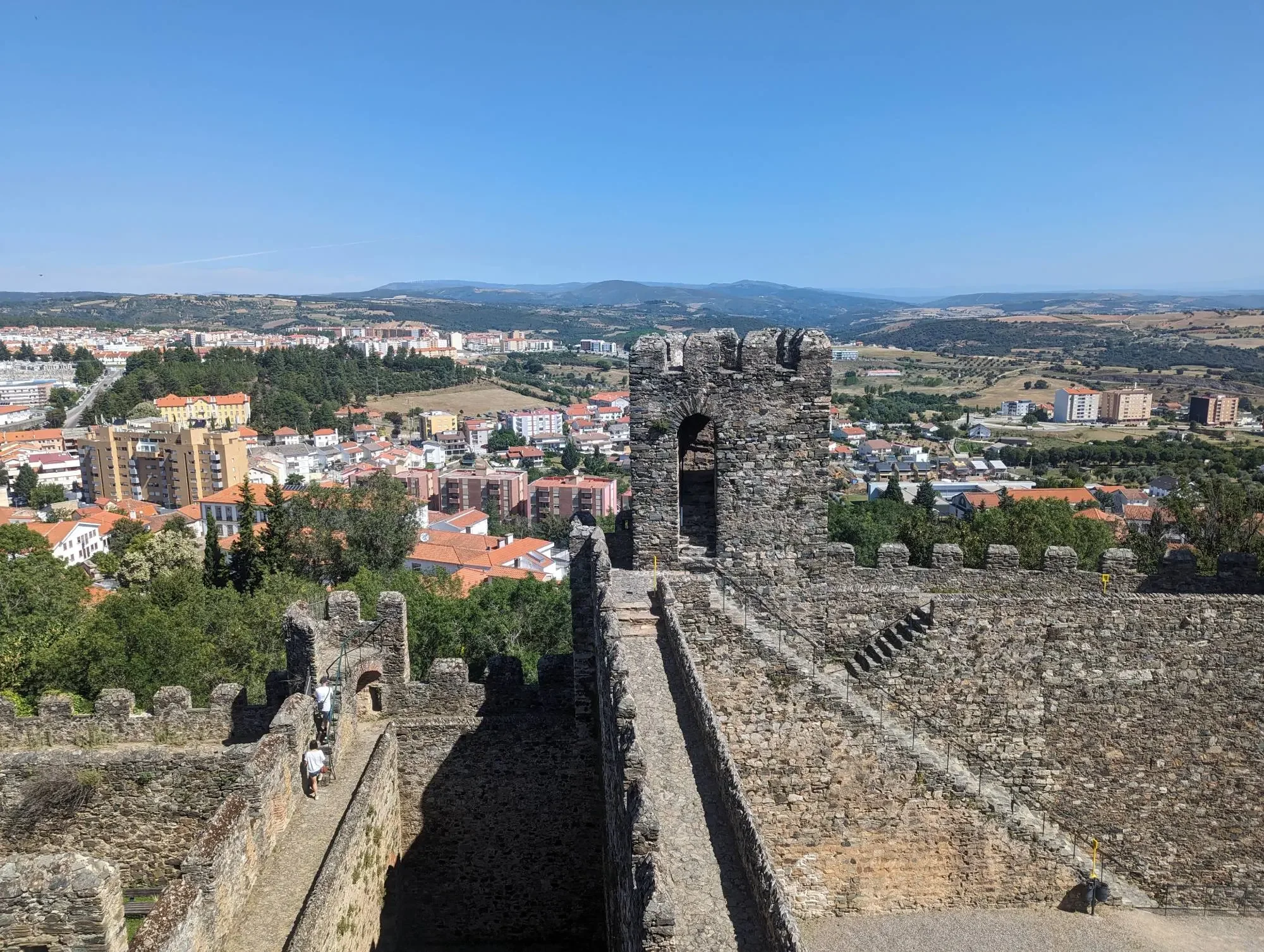
The most atmospheric period runs from the final weeks of October into early November.
Chestnut harvesting does not follow an exact tourism calendar. The timing varies with altitude, weather and chestnut variety. Nevertheless, this window normally offers the best combination of active harvests, autumn colour and seasonal food.
In 2026, Vinhais’s Rural Castanea chestnut festival takes place from 23 to 25 October. The event brings together chestnuts, mushrooms, honey, wine and regional crafts, making that weekend the obvious choice if the harvest itself is your priority.
The trade-off is accommodation. Vinhais is small, so rooms can disappear quickly during the festival. Staying in Bragança and visiting Vinhais for the day is often easier.
If you prefer fewer visitors, travel immediately after the event. Chestnut season continues even when the stalls have been dismantled.
Day 1: Bragança Beyond the Castle
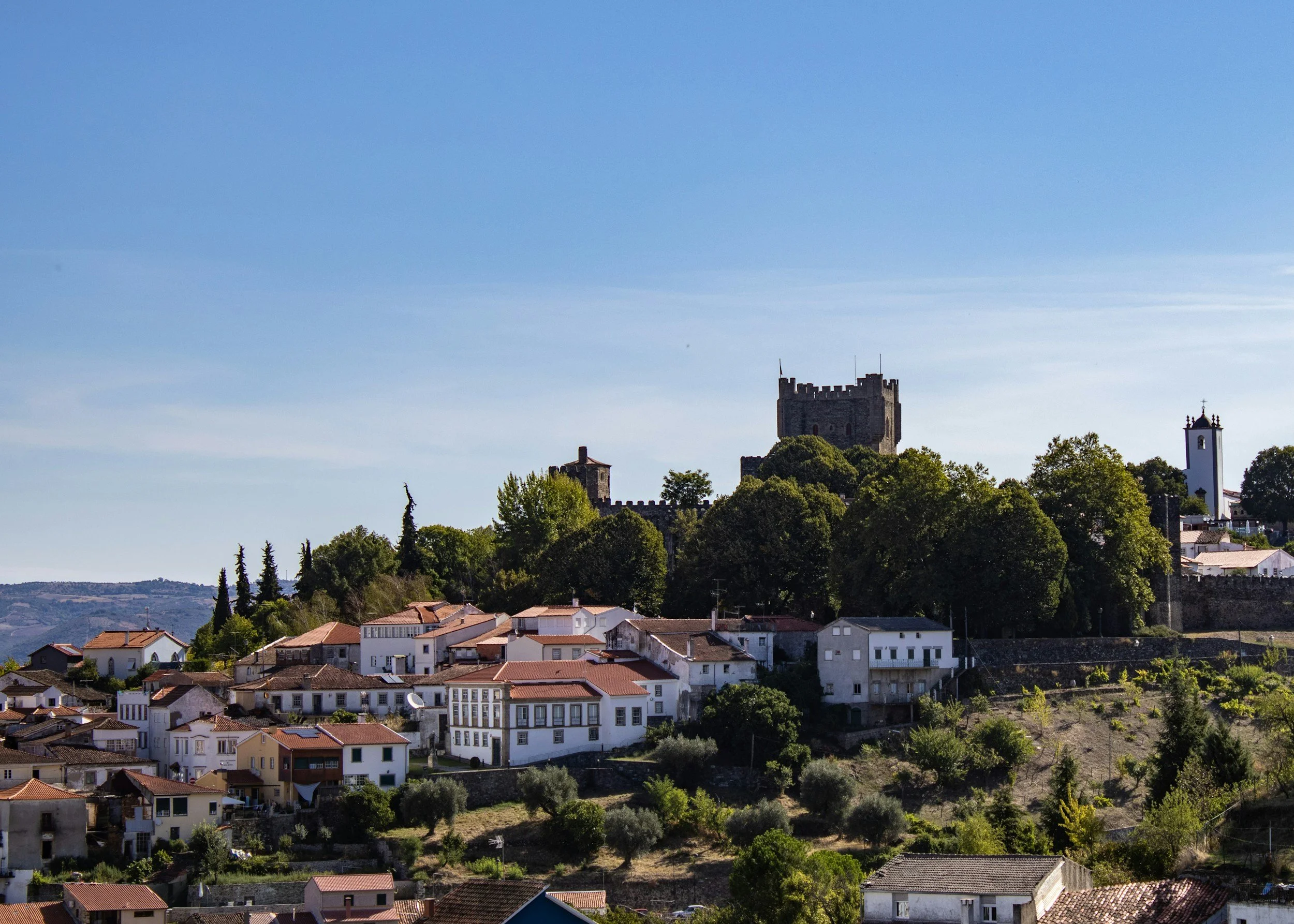
Bragança is the most practical beginning. It has the widest choice of accommodation and restaurants, while its fortified centre gives the route a strong historical opening.
Begin inside the Cidadela, the medieval settlement enclosed by Bragança’s walls. The castle keep dominates the hill, but the most unusual building is the Domus Municipalis, a rare example of Romanesque civic architecture. Together with the Church of Santa Maria and the stone houses within the walls, it makes the citadel feel like a surviving border settlement rather than a reconstructed attraction.
Do not spend the whole day inside the fortress. Walk into the lower city for the Museu do Abade de Baçal or the Graça Morais Contemporary Art Centre. This contrast matters: Bragança is not merely an old town preserved above a modern one.
At dinner, look for a menu built around products from Terra Fria—the “Cold Land” surrounding Bragança. Chestnut soup is the most direct introduction to the season, but game, pork, mushrooms and smoked meats reveal more about the local kitchen.
Chestnuts are not always listed as the main ingredient. They may appear beneath roasted meat, folded into a dessert or served as a purée. Ask what the restaurant is preparing with the current harvest rather than searching only for a named chestnut dish.
Day 2: Chestnut Groves and Vinhais
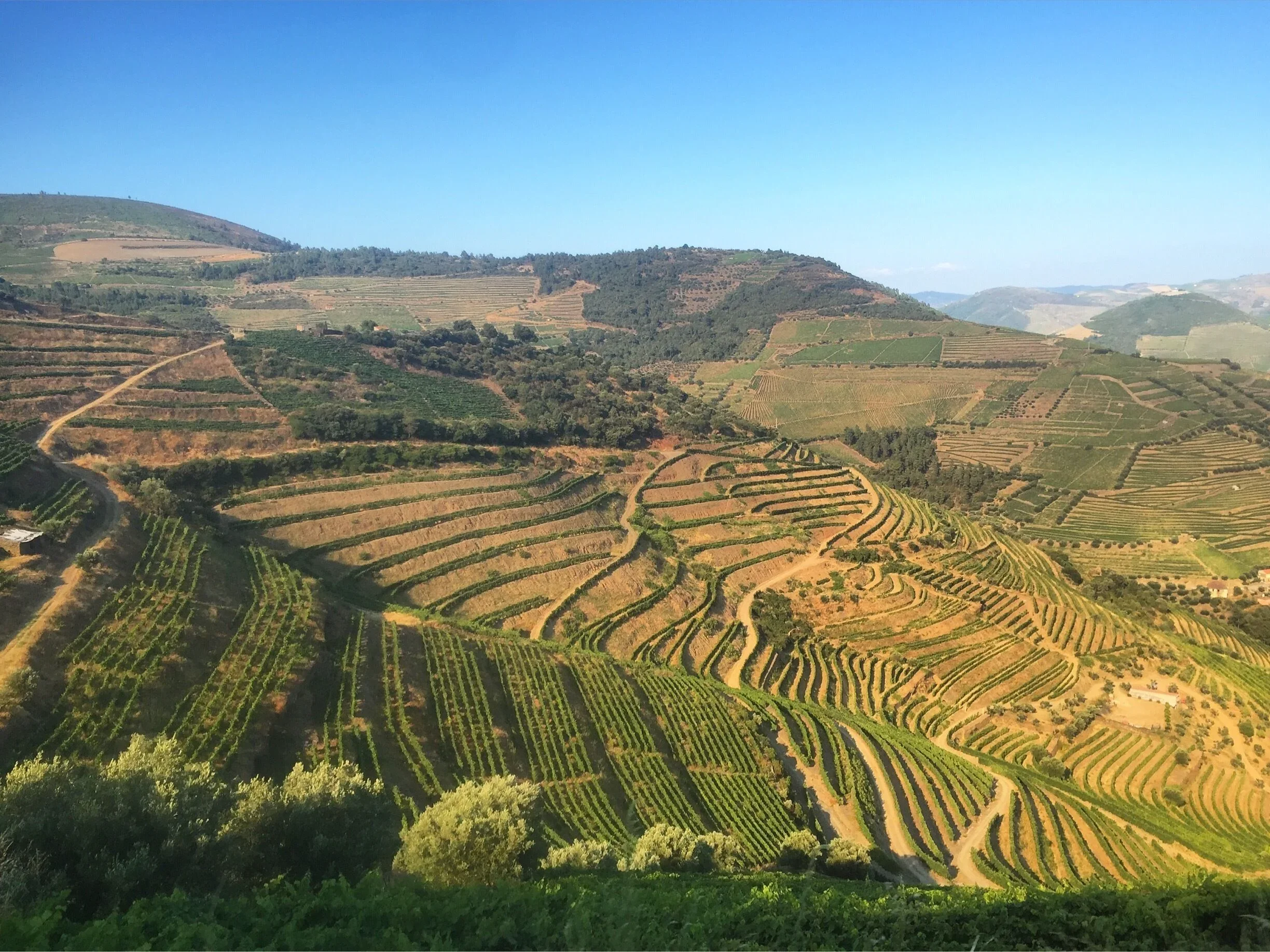
The drive from Bragança to Vinhais is short, but allow considerably more time than the map suggests. The purpose of the day is not simply to reach the town. It is to move through the agricultural landscape between them.
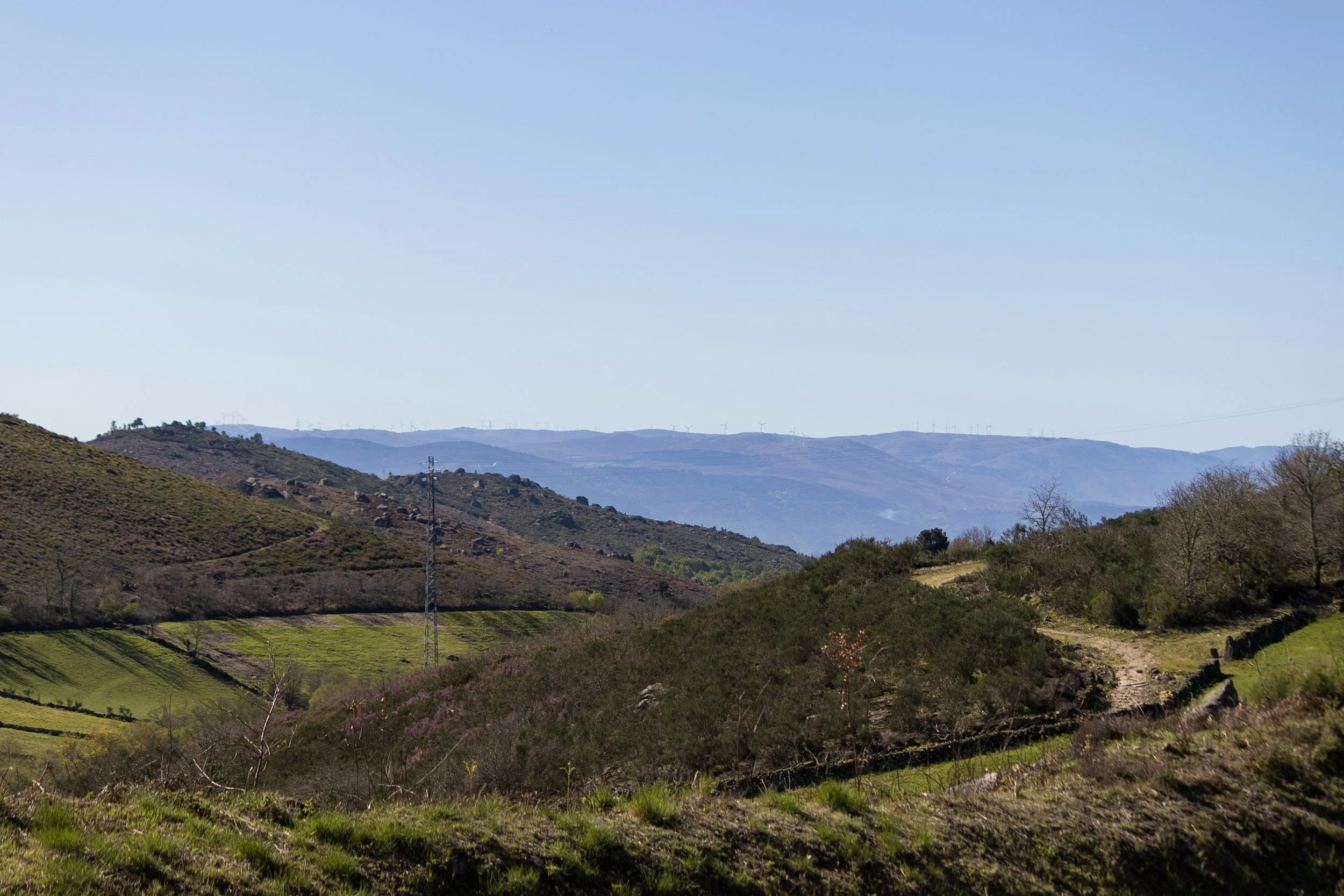
Much of this territory belongs to or borders Montesinho Natural Park. Its valleys and rounded hills contain oak woodland, chestnut groves and small villages where communal ovens and agricultural traditions remain part of everyday life.
Instead of treating every village as a sightseeing stop, choose one short walk or rural detour. The landscape is easier to understand on foot, particularly when the ground is scattered with split chestnut husks and fallen leaves.
Never assume that a chestnut grove is public. The trees may appear wild from the road, but many are cultivated and privately owned. Do not enter to collect chestnuts unless you have explicit permission.
Arrive in Vinhais before lunch. The town has medieval origins, fragments of old fortifications and a compact centre, but its real identity is agricultural. It is known for chestnuts, mushrooms, honey and especially its smoked meats.
During Rural Castanea, the town becomes a regional showcase. Producers sell different chestnut varieties, food stands serve autumn dishes and a giant roaster prepares large quantities of chestnuts for the festival’s communal magusto.
Outside the festival, the experience is less theatrical. Visit local food shops, ask restaurants which products are seasonal and take time over lunch. Vinhais is not full of formal attractions; it rewards curiosity more than checklist sightseeing.
If you want a closer look at the region’s ecology, the Biological Park of Vinhais offers an accessible introduction to the surrounding landscape and native animal species. Confirm its current hours before travelling, particularly outside weekends.
You can return to Bragança for the night, but staying around Vinhais creates a stronger sense of the countryside. Choose rural accommodation with heating and do not underestimate how cold the nights can become.
Day 3: From Vinhais to Chaves
Continue southwest toward Chaves, allowing most of the day for the journey.
This is not a route to rush. Mountain roads, small settlements and changing weather can make the drive slower than its distance suggests. Avoid planning a packed list of stops. One village, one viewpoint and a long lunch will produce a better day than repeatedly getting in and out of the car.
As you leave the main chestnut-producing area, the landscape gradually opens toward the Tâmega valley. Chaves feels noticeably more urban than Vinhais, yet it still belongs to the same cold, food-focused interior.
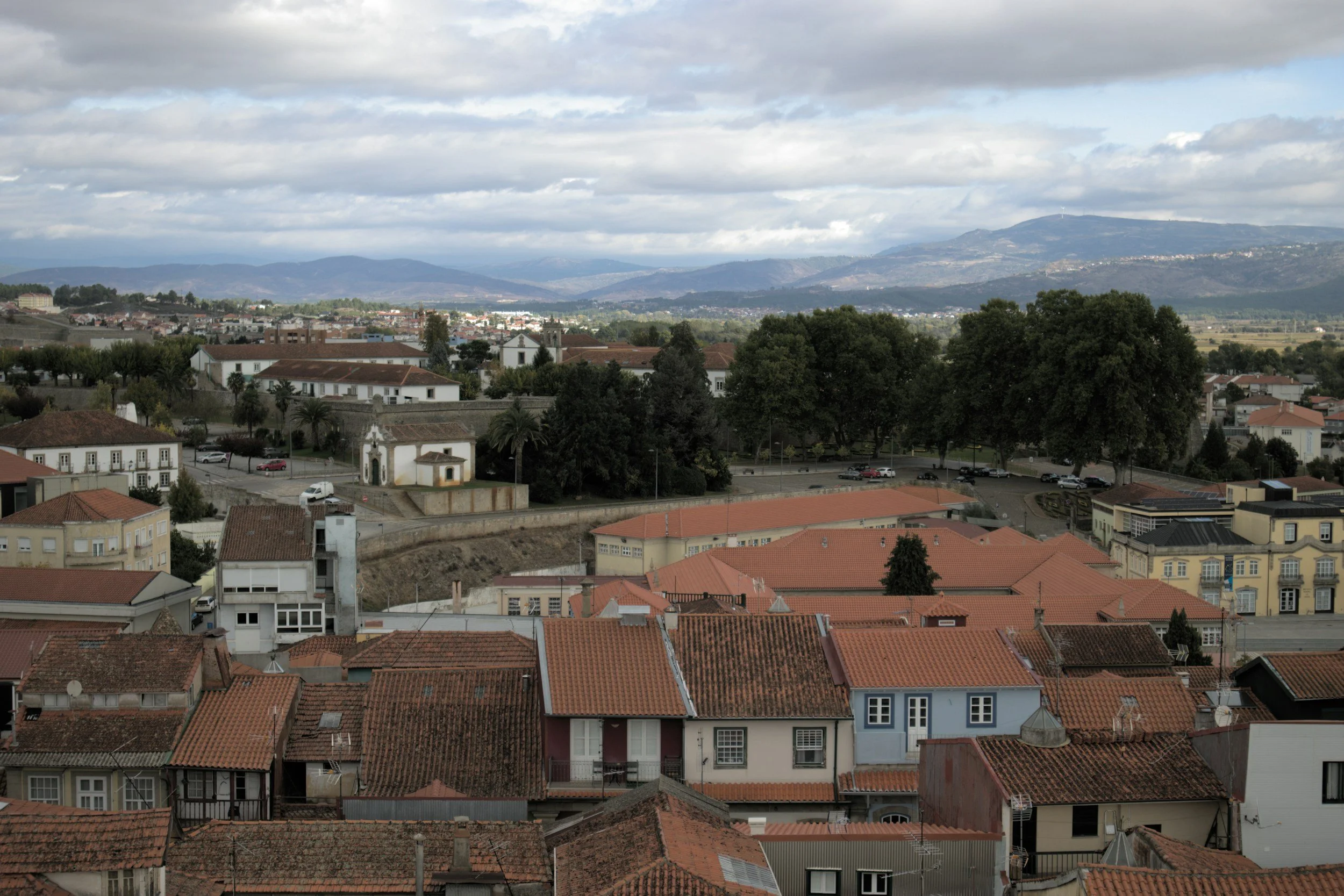
Cross the Roman bridge on foot when you arrive. Built across the River Tâmega during the Roman period, it leads naturally toward the historical centre. From there, explore the castle keep, the surviving walls and the compact streets around the old quarter.
Chaves was known to the Romans as Aquae Flaviae because of its thermal springs. The water emerges at approximately 73°C, making the steaming spring especially striking in cold autumn weather. The Museum of the Roman Thermal Baths provides the historical context, while the modern thermal facilities offer treatments for travellers who want to turn the final afternoon into a slower experience.
Thermal treatments should be reserved in advance. Seeing the spring and visiting the museum does not require committing to a full spa programme.
For dinner, try pastel de Chaves, a crescent-shaped pastry traditionally filled with minced meat. It is more commonly eaten as a snack than as a complete meal, so pair it with other regional dishes. Smoked ham, sausages and hearty meat recipes connect Chaves naturally with the food culture of Vinhais and Bragança.
Day 4: A Slower Morning in Chaves
Do not leave Chaves immediately after breakfast.
The city works best in the morning, when the riverside is quiet and local cafés are busier than the monuments. Walk along the Tâmega, return to the Roman bridge or visit anything you missed the previous afternoon.
If the weather is poor, Chaves is also the most forgiving stop on the route. Its museums, thermal heritage and compact centre offer alternatives that rural viewpoints cannot.
From Chaves, you can return to Porto or continue into the Douro. Adding the Douro creates a useful contrast: chestnut country is defined by upland farms and cold plateaus, while the Douro is shaped by vineyard terraces and the river.
Avoid squeezing both regions into the same day. Trás-os-Montes deserves to be treated as a destination, not merely as the road behind a more famous one.
What to Eat Along the Route
Chestnuts provide the theme, but they should not become the only thing you order.
Look for:
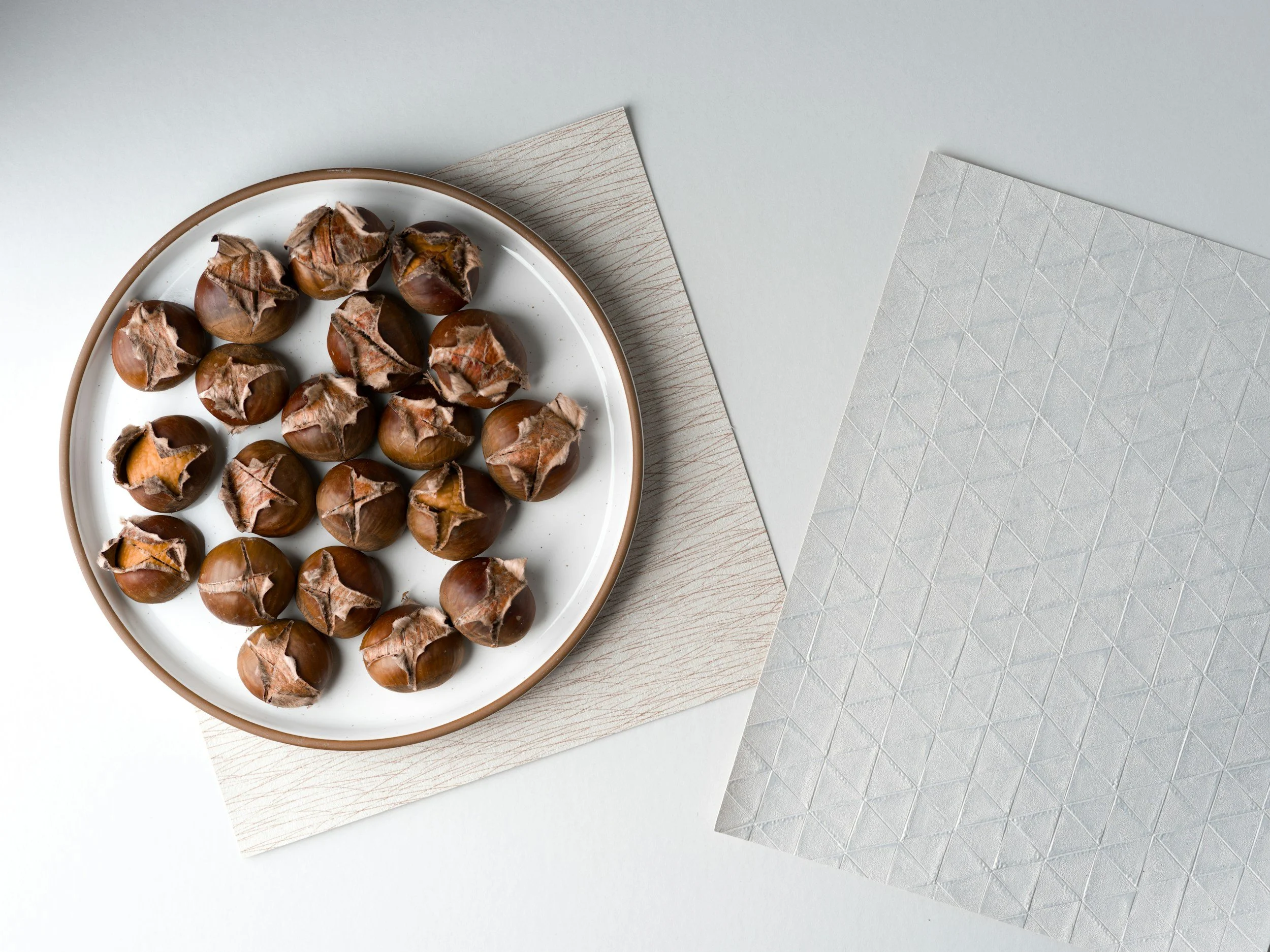
Roasted chestnuts sold in paper cones
Chestnut soup or chestnut purée
Pork or game served with chestnuts
Seasonal wild-mushroom dishes
Alheira, chouriça and other regional sausages
Presunto from the Chaves area
Pastel de Chaves
Local honey and olive oil
Chestnut cakes, puddings or liqueurs
Restaurant menus can change daily during the harvest. A handwritten special may be more interesting than the permanent menu, so ask what has arrived from local producers.
Practical Planning
A car is the most useful way to complete this route. Public transport connects the principal towns, but it does not provide the flexibility needed for chestnut landscapes, rural accommodation or village stops.
Fuel up before rural detours, download offline maps and avoid planning long drives after dark. Once the clocks change, daylight disappears early, and isolated roads can be poorly illuminated.
Pack for rain and substantial temperature changes. A sunny afternoon in Bragança can become a near-freezing night outside Vinhais. Waterproof shoes are more valuable than formal clothing.
Finally, check opening hours directly. Smaller museums, restaurants and rural attractions may reduce their schedules after the summer, close between lunch and dinner or operate differently on Sundays and public holidays.
Northern Portugal’s chestnut country is not dramatic in the way the Douro is dramatic. Its pleasure lies in smaller details: the smell of woodsmoke, chestnut husks underfoot, a bowl of soup in a quiet town and hot thermal water rising beside a Roman bridge.
That slower rhythm is not something to work around. It is the reason to make the journey.
✍️ This blog was written by Sophia.
