
A Food-Focused Route Through Northern Spain During the August Heat
Northern Spain is a strong choice when August temperatures make Madrid, Seville and the Mediterranean coast feel exhausting. The Atlantic north is generally milder—but it is not guaranteed to be cool. Bilbao, San Sebastián and inland areas can still experience hot days.
The best approach is to build the trip around food and the daily rhythm of northern Spain: markets and walking in the morning, a long lunch during the hottest hours, rest in the afternoon and smaller dishes after sunset.
This eight-day route takes you from San Sebastián to Santiago de Compostela through four distinct food regions.
✍️ Noah · August 5, 2026

Days 1–2: San Sebastián and Basque Pintxos
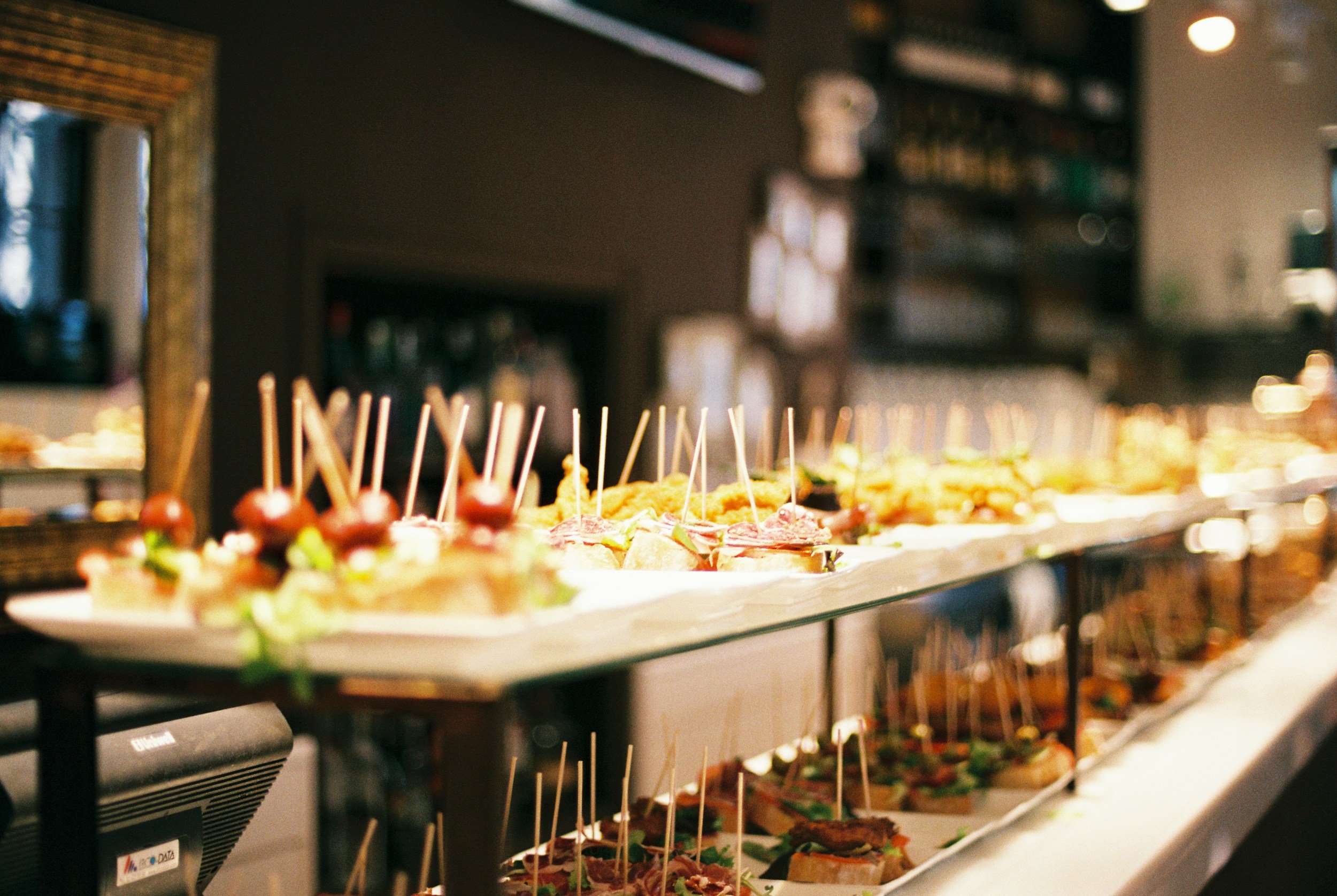
Begin in San Sebastián, where eating pintxos is less like ordering dinner and more like moving through the city one bite at a time.
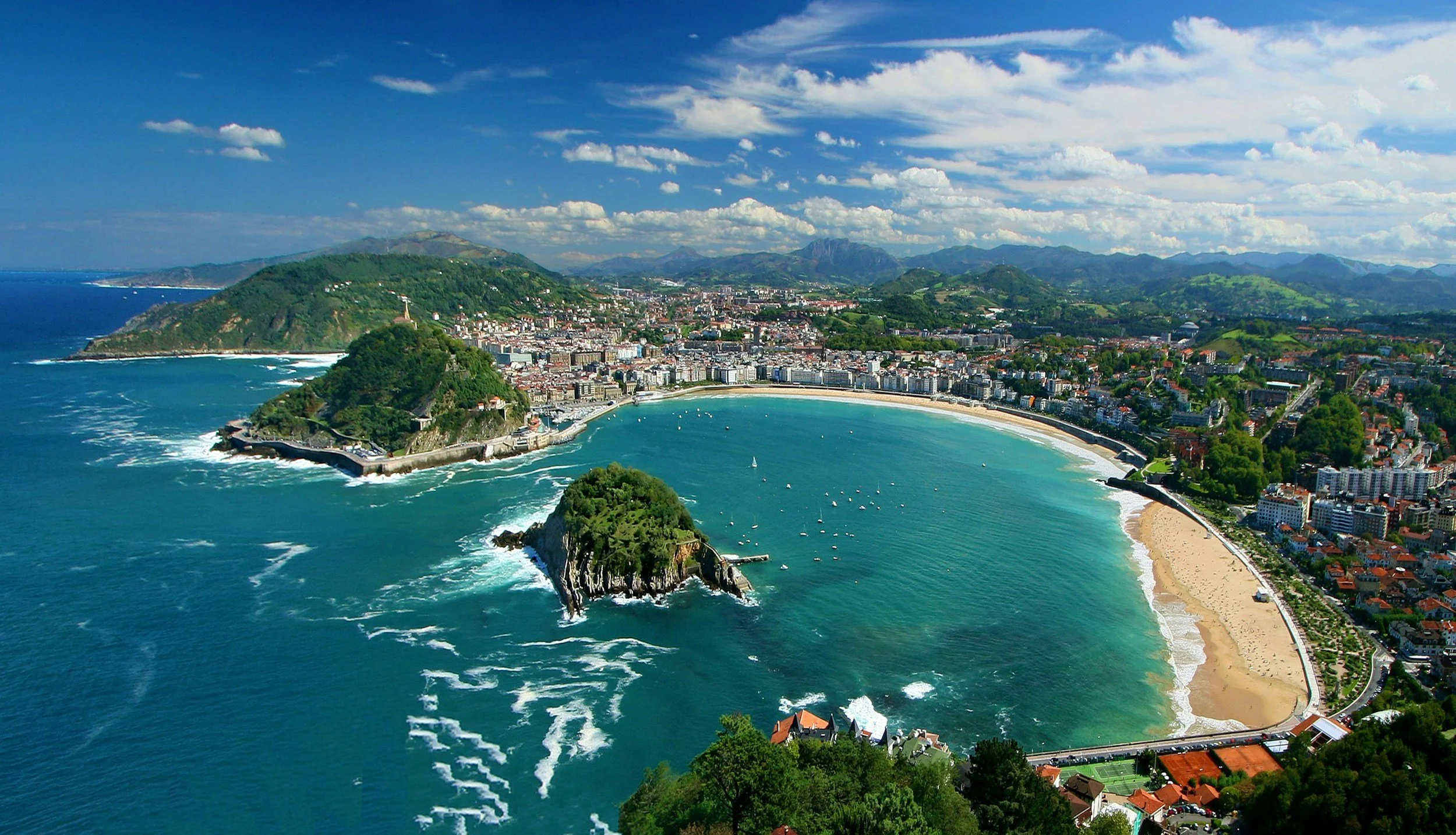
Spend your first morning walking around La Concha Bay before the temperature rises. Then explore the Old Town, noting the pintxos bars you want to return to that evening.
Do not order five dishes in the first place you enter. Choose one or two pintxos, have a small drink and move to another bar. Look beyond what is displayed on the counter: many of the best hot pintxos are written on boards and prepared to order.
Try:
Gilda, made with anchovy, olive and pickled pepper
Grilled local fish
Beef cheek
Salt cod in pil-pil sauce
Idiazabal sheep’s cheese
Basque cheesecake
Pair seafood with txakoli, the region’s crisp, lightly acidic white wine. Spain’s official tourism guide describes pintxos and bar-hopping as a central part of Basque food culture.
Use your second day for a coastal side trip to Getaria, known for charcoal-grilled fish and local txakoli. Reserve lunch instead of hoping to find a table after arriving. Return to San Sebastián for a lighter evening.
Day 3: Bilbao Beyond the Famous Pintxos
Travel west to Bilbao and spend the morning around the Old Town and riverside before having lunch indoors.
Bilbao offers plenty of pintxos, but do not repeat the exact San Sebastián experience. Use this stop to explore the heavier side of Basque cooking.
Look for:
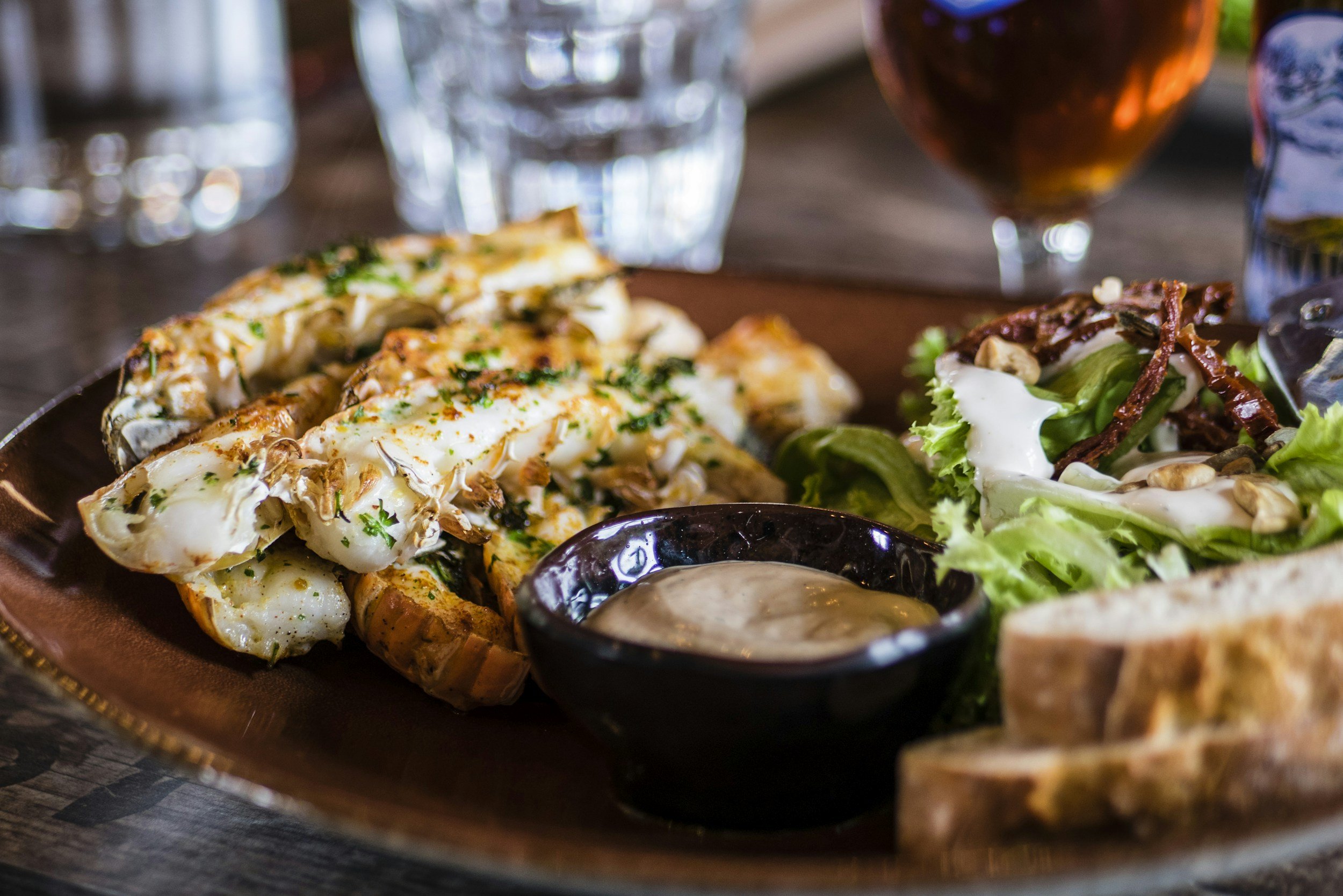
Bacalao a la vizcaína, salt cod with a red pepper sauce
Marmitako, a tuna and potato stew
Squid cooked in its ink
Hake in green sauce
Grilled rib steak
Pantxineta, a custard-filled pastry
Visit a food market early, while the produce counters are active, rather than treating it as a late-afternoon attraction. Markets may contain restaurants that remain open after the traditional stalls have closed, so check each section’s hours separately.
In the evening, explore Plaza Nueva and the surrounding Old Town streets one pintxo at a time.
Day 4: Santander and the Cantabrian Sea
Continue along the coast to Santander. This is a shorter stop, so keep the plan focused: seafood, anchovies and an evening tapas route.
Cantabrian cooking brings together the sea and the surrounding farmland. The region is particularly associated with anchovies, albacore tuna, squid, hake, cheese and rich mountain stews.
Try:
Santoña anchovies
Rabas, Cantabrian-style fried squid
Sorropotún, a local tuna and potato stew
Grilled sardines or hake
Quesada pasiega, a dense dairy dessert
Sobaos, soft butter cakes
For an evening tapas crawl, head towards Plaza de Cañadío and the nearby streets. Keep lunch seafood-focused and save smaller dishes for later; ordering a heavy mountain stew at midday can make a hot afternoon feel even slower.
Days 5–6: Oviedo, Gijón and Asturian Cider
Base yourself in Oviedo for two nights, with a half-day or evening visit to coastal Gijón.
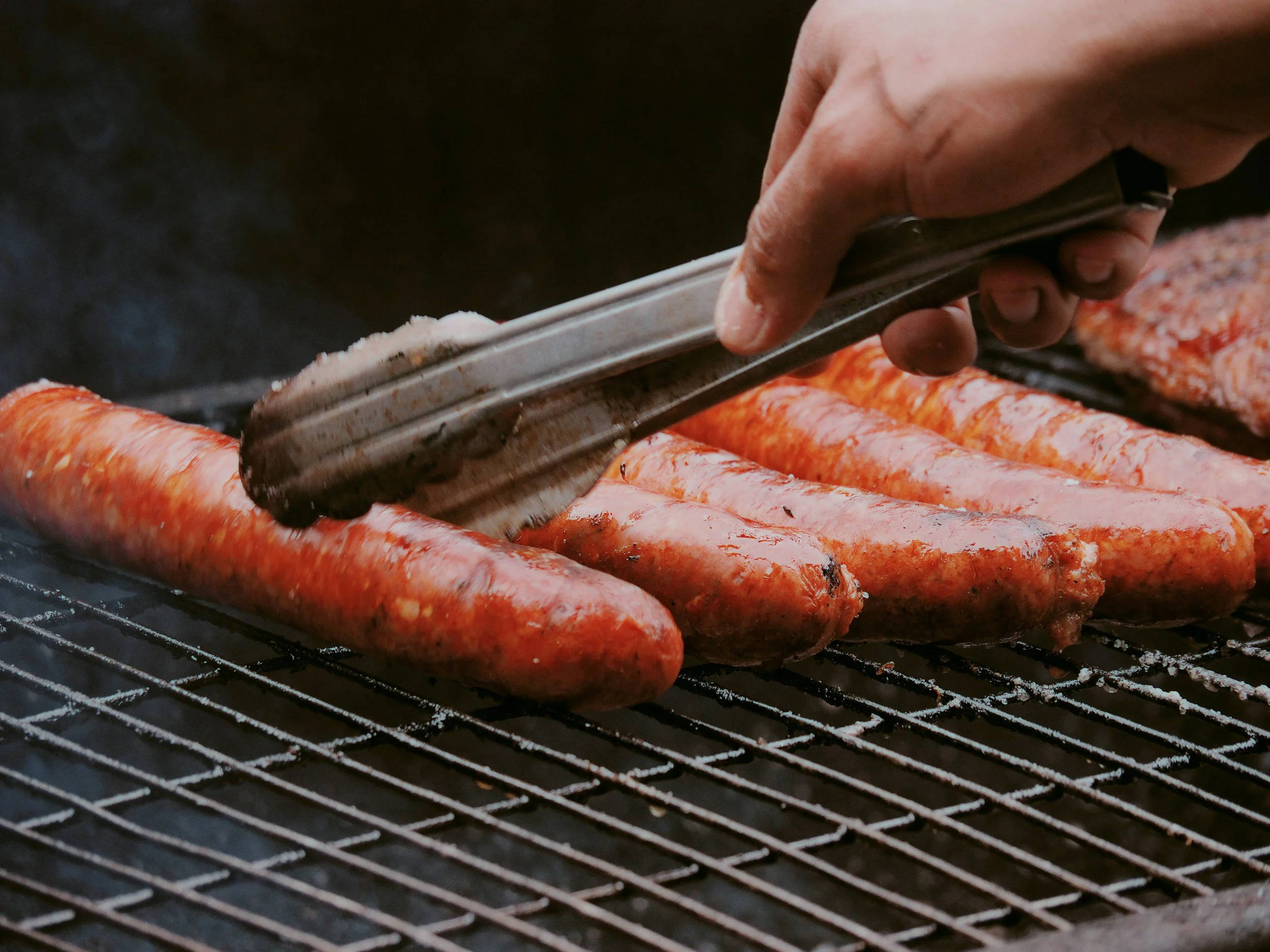
Asturian food is built around cider, beans, cheese, seafood and slow-cooked dishes. Its cider houses, known as sidrerías, are lively and informal. Cider is poured from above the server’s head in a technique called escanciar, which aerates a small serving.
Order one small pour at a time and drink it soon after it reaches the glass.
Essential Asturian dishes include:
Fabada asturiana, a rich bean and pork stew
Fabes con almejas, beans with clams
Cachopo, breaded veal filled with ham and cheese
Cabrales blue cheese
Chorizo cooked in cider
Grilled fish and shellfish
Casadielles, walnut-filled pastries
Fabada and cachopo are filling. Have them at lunch, when you can follow the meal with a proper afternoon break. In the evening, choose seafood, cheese and cider instead.
Use your second morning for Oviedo’s market and historic centre. Visit Gijón later for a coastal walk and dinner in a sidrería once the strongest heat has passed.
Days 7–8: Santiago and Galician Seafood
Finish in Santiago de Compostela. Galicia’s food culture revolves around Atlantic seafood, local beef, empanadas, cheeses and regional wines.
Your first evening should be simple: walk around the old quarter and share several dishes instead of committing immediately to a large seafood platter.
Try:
Pulpo á feira, octopus with olive oil, salt and paprika
Empanada gallega
Steamed mussels
Zamburiñas, small scallops
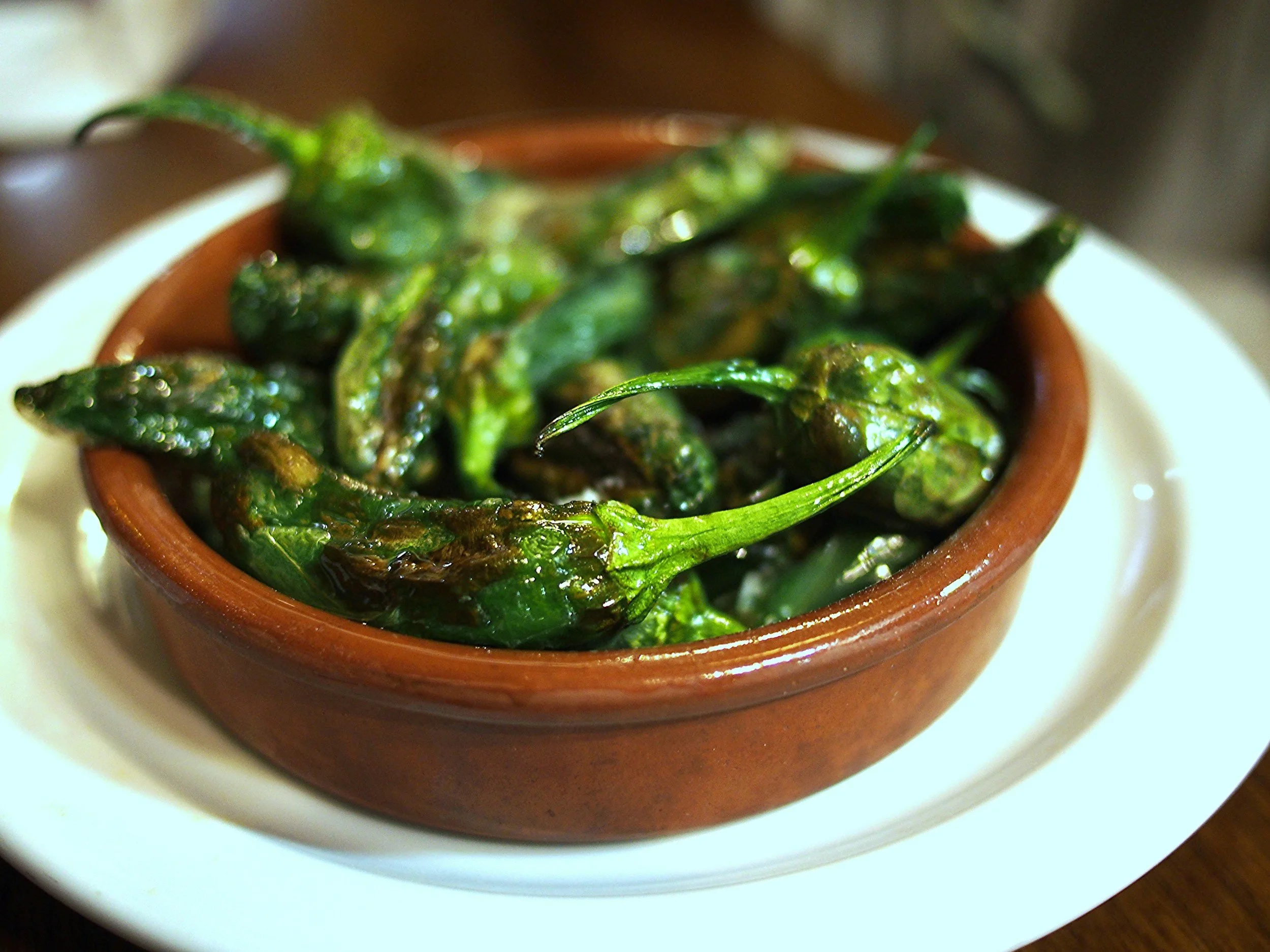
Padrón peppers
Galician beef
Tarta de Santiago, an almond cake
Not every plate of seafood must include the most expensive shellfish. Mussels, clams, sardines and local fish can offer a more affordable introduction to Galicia than ordering a grand platter.
On your final morning, visit the Mercado de Abastos. Go early enough to see the market operating rather than arriving only for lunch. Some nearby businesses can prepare products purchased from market stalls, but confirm the current rules and charges before buying anything.
Pair seafood with Albariño or another Galician white wine, then finish with Tarta de Santiago.
How to Plan Each Day Around the Heat
Use the same structure throughout the route:
08:00–11:00: Markets, neighbourhood walks and outdoor sights
11:00–13:00: Indoor attractions or a shaded drink
13:00–16:00: Your main meal
16:00–19:00: Rest, check in or travel between cities
After 20:00: Pintxos, tapas and evening walks
Spanish restaurants commonly serve lunch between 13:00 and 16:00, with dinner beginning around 20:00 and continuing later in summer. Do not expect every serious restaurant to serve a full dinner at 18:00.
August Details That Can Disrupt the Route
Reserve destination restaurants and popular seafood lunches in advance. Smaller family businesses may take annual leave during August, while famous restaurants and coastal towns can be exceptionally busy.
Pay particular attention to 15 August, a national public holiday in Spain. In 2026, it falls on a Saturday. Some businesses may close or reduce their hours, while restaurants in tourist areas may fill earlier than usual.
Check official websites and recent social media posts shortly before visiting. Google opening hours are useful, but they are not always updated for annual holidays.
Northern Spain will not remove every August inconvenience. You may still encounter heat, rain, crowds and fully booked restaurants. What it offers is a route where the weather encourages a better style of travel: start early, eat slowly and return to the streets when the evening becomes comfortable.
✍️ This blog was written by Noah.
