
Everyone Goes to Paris in Spring — Here’s What to Do Differently
Everyone arrives in Paris in spring with the same mental script. Walk along the river, sit at a café, see the big landmarks, repeat. On paper, it sounds perfect. In reality, it creates a version of the city that feels rushed, crowded, and strangely impersonal.
April sits in an awkward spot. It looks calm from the outside, but it isn’t. It’s the moment when the city fills up without fully breaking into summer chaos. That means you don’t get emptiness, but you also don’t get the infrastructure that handles peak season smoothly. You get friction instead. Lines that move slowly, cafés that turn tables quickly, streets that feel just crowded enough to ruin the pace.
The real issue is not the season. It’s that everyone follows the same route, at the same time, expecting a different outcome.
✍️ Olivia · April 10, 2026

Stop Treating Landmarks Like Destinations
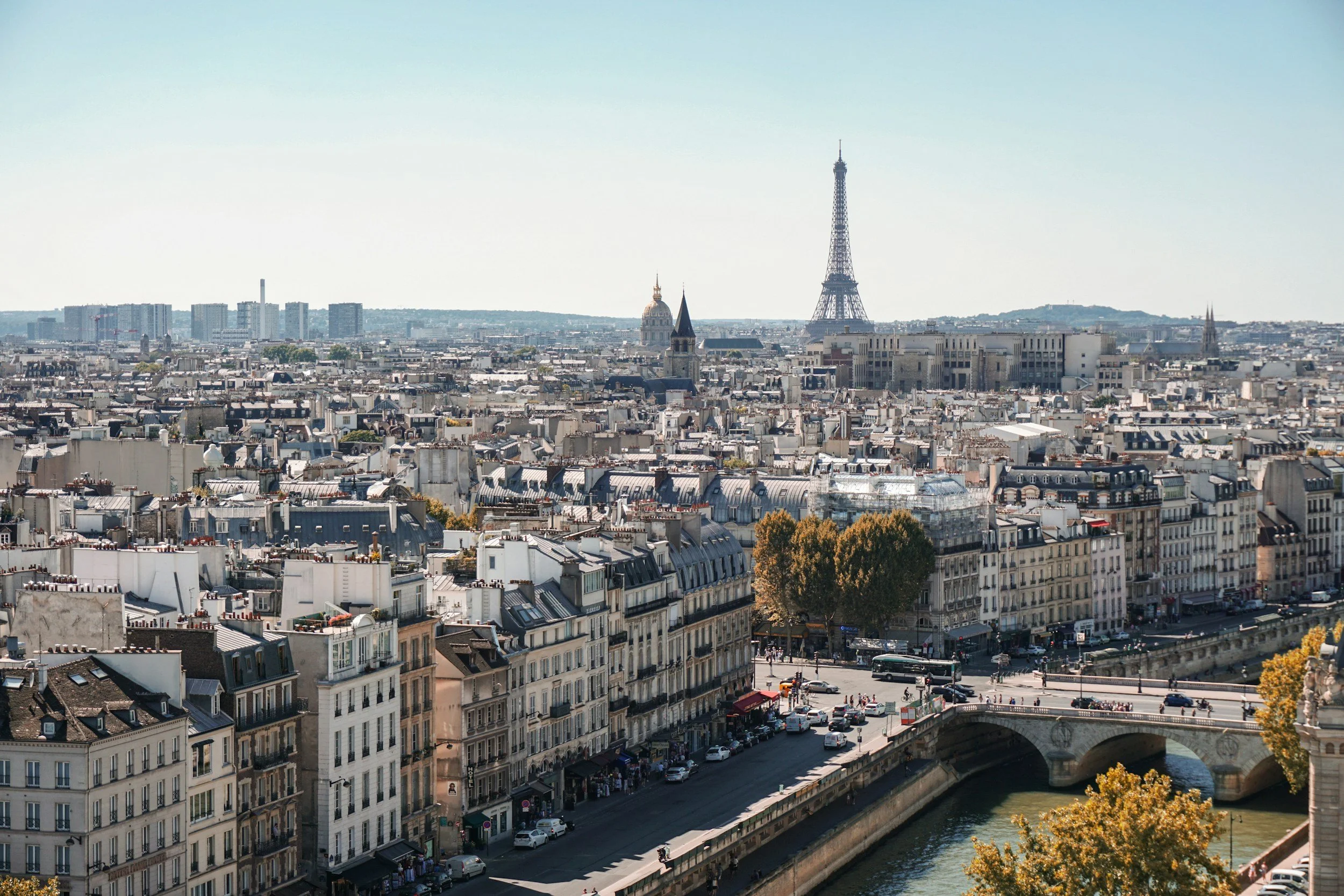
Most people build their entire trip around a few places. They move from one to the next like checkpoints, assuming that being there is the goal. But places like the Eiffel Tower are not designed to hold attention for long. They’re designed to be seen, not lived in. The closer you get to these landmarks, the less control you have. You’re adjusting your pace to crowds, waiting for space that never opens up, and spending more time positioning yourself than actually experiencing anything. That’s why so many people leave feeling like they’ve “done everything” but didn’t really feel anything. Doing Paris differently starts with removing that pressure. The city is not something you complete. It’s something you move through.
The Best Views Aren’t Where Everyone Is Standing
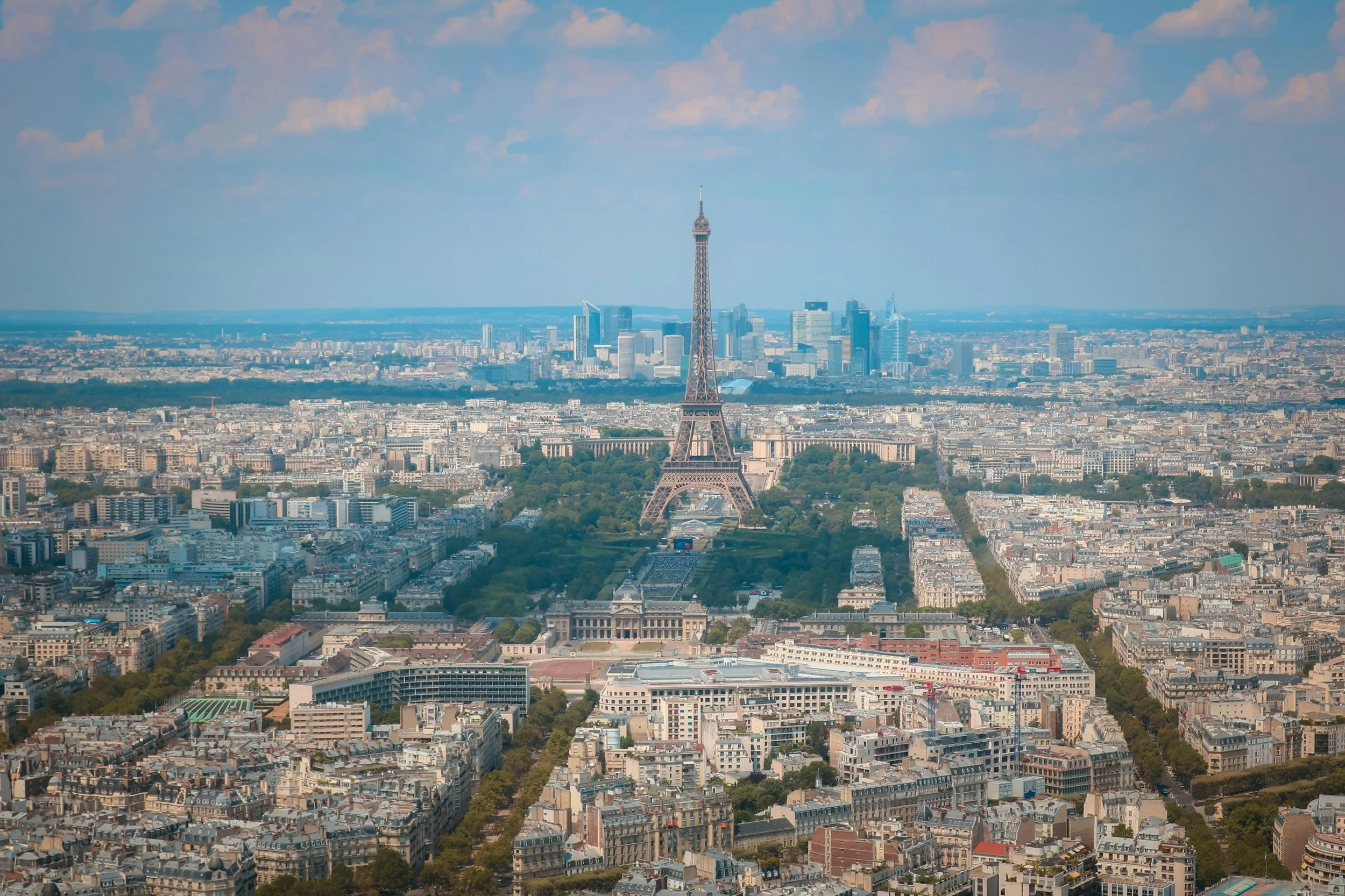
There’s a reason people leave Paris with the same photos. It’s not because those are the best views — it’s because those are the most accessible ones. The irony is that the most satisfying perspective of the city is the one most people skip. Seeing the skyline with the Eiffel Tower inside it changes everything. It turns a single object into part of a larger picture. Places like Montparnasse Tower give you that perspective, but more importantly, they give you space. Space is what people underestimate in Paris. Not just physical space, but mental space. The ability to stand still, look around, and not feel rushed. That’s what creates a memory, not the fact that you stood in the exact same spot as everyone else.
Cafés Only Work When You Slow Them Down
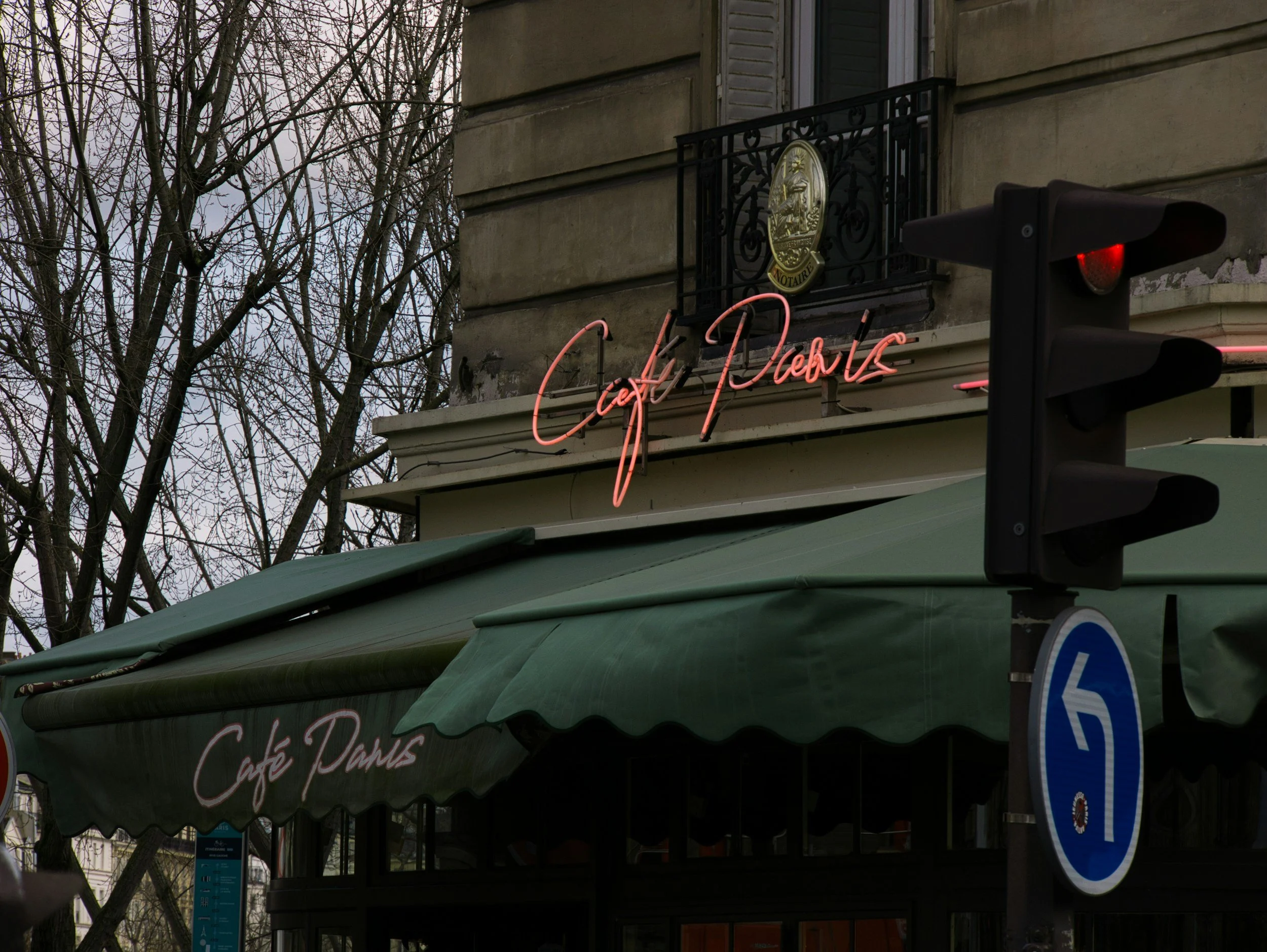
The idea of sitting at a café in Paris is sold as something effortless. You sit, you order, you watch the city pass by. What actually happens in central areas is very different. You’re part of a rotation. Tables turn quickly, menus are optimized for volume, and the entire experience feels slightly transactional.
That doesn’t mean cafés are overrated. It means location changes everything. Move just a few streets away from the obvious areas and the rhythm shifts completely. Service slows down, people stay longer, and the space starts to feel like it belongs to the neighborhood instead of the crowd.
What most people don’t realize is that Paris rewards patience more than planning. The less you try to optimize every stop, the more natural the experience becomes.
Timing Matters More Than Planning
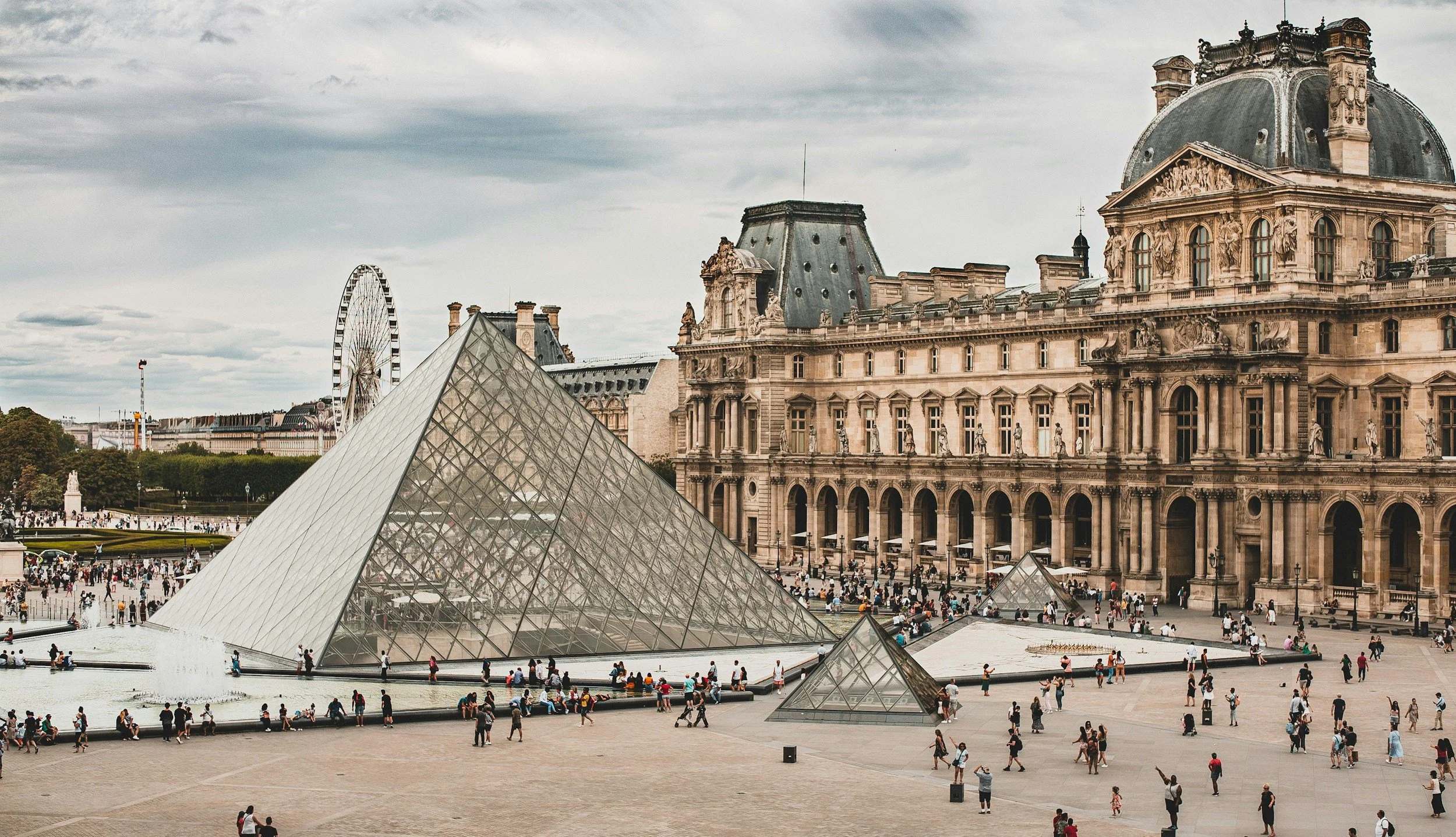
People obsess over what to see, but almost no one thinks seriously about when to see it. That’s where most trips fall apart. A place like the Louvre Museum can either feel overwhelming or surprisingly calm depending entirely on timing. The same space, the same day, two completely different experiences. If you arrive when everyone else does, you’re not visiting the museum — you’re managing the crowd. April makes this even more important because the city isn’t empty enough to forgive bad timing. You have to be intentional. Early mornings feel like a different city. Late evenings give you space again. The middle of the day is where everything collapses into noise. This is the shift people don’t make. They plan locations, not time. And in Paris, time is the real variable.
Walking the City the Wrong Way
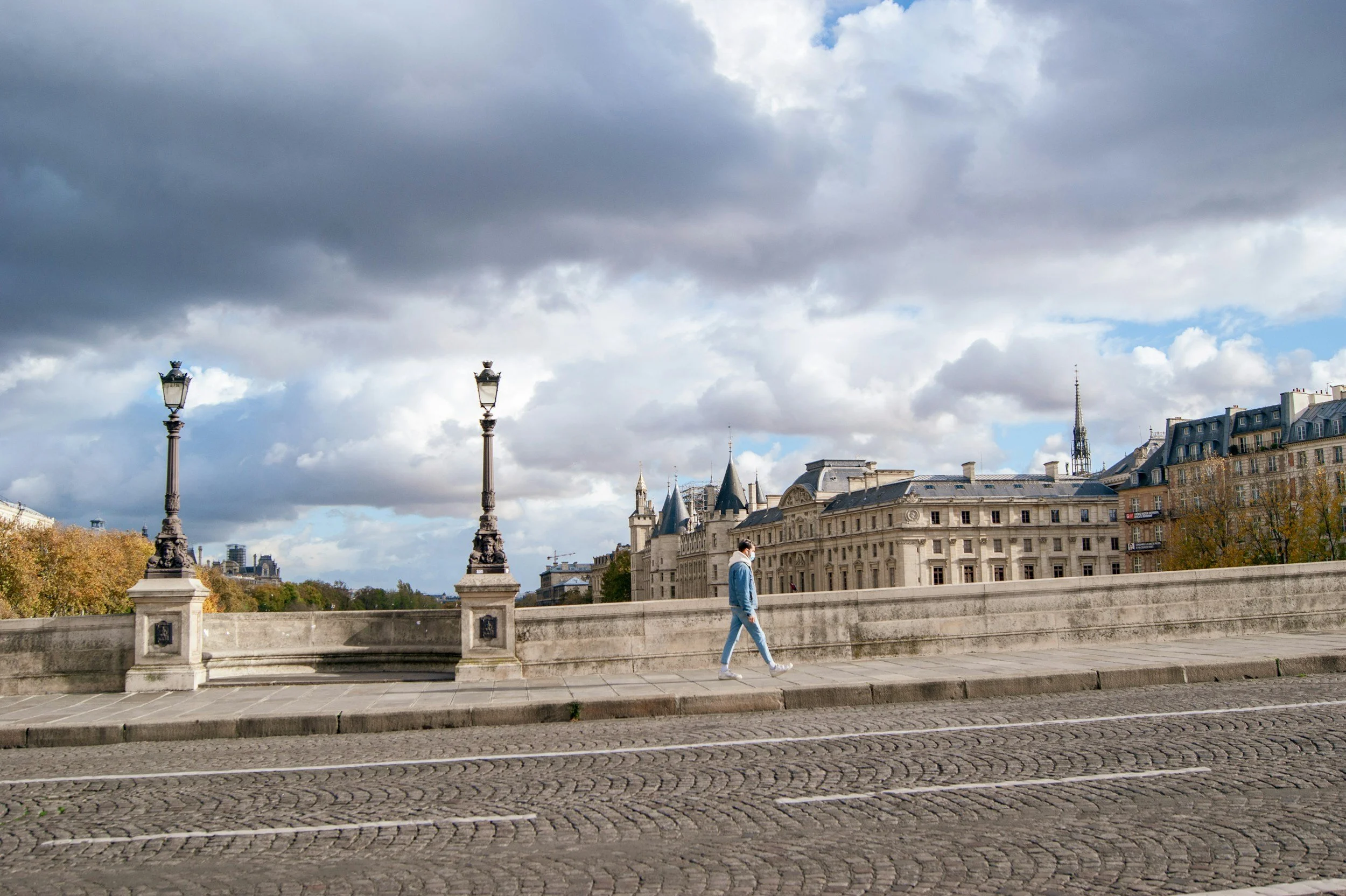
Walking is supposed to be the best way to experience Paris, but most people do it in the most predictable way possible. They follow the same routes, the same river paths, the same central streets that are already saturated.
What they miss is that Paris isn’t one continuous experience. It’s a collection of small, distinct areas, each with its own pace. If you stay in the obvious zones, everything blends together into one long, crowded walk. If you move slightly outside of them, the city breaks apart into something more interesting.
That’s when you start noticing details again. Not because they weren’t there before, but because you finally have the space to see them.
What Doing Paris Differently Actually Means
It’s not about finding hidden places or trying to outsmart the city. That mindset leads to the same problem in a different form. You’re still chasing something instead of experiencing it.
Doing Paris differently is simpler than that. It means stepping away from the pattern. Not rushing to every landmark. Not aligning your schedule with everyone else’s. Not expecting the most famous places to give you the best moments.
Paris doesn’t reward intensity. It rewards awareness. The people who enjoy it the most are not the ones who see the most, but the ones who move through it with control.
That’s the difference.
✍️ This blog was written by Olivia.
