
Europe After the Clocks Change: How to Rebuild an Itinerary Around a 4:30 PM Sunset
The final Sunday of October changes more than the time displayed on your phone. It changes the usable shape of a European travel day.
Once the clocks move back, sunset can arrive around 4:30 PM in cities such as London and Vienna. Farther north, darkness comes even earlier. Paris holds onto daylight slightly longer because of its western position, but sunset still moves towards 5:00 PM as November progresses.
A summer itinerary built around a slow morning, long lunch and late-afternoon sightseeing stops working surprisingly quickly. By the time you reach the park, viewpoint or historic neighbourhood you wanted to photograph, the light may already be disappearing.
The solution is not to begin sightseeing before sunrise. It is to give every activity the correct kind of light.
✍️ Olivia · October 27 2026

The Clock Change Does Not Affect Every Destination Equally
EU countries that observe daylight saving time return to standard time on the final Sunday of October. The United Kingdom follows the same general schedule. Turkey, Iceland and several countries farther east do not change their clocks.
This can temporarily alter the time difference between destinations outside Europe, particularly because North America changes its clocks one week later.
The more important difference for travellers, however, is geographical. “Europe gets dark at 4:30” is not universally true. On 1 November 2026, sunset in London is approximately 4:33 PM, while Paris has daylight until around 5:30 PM. Northern latitude, longitude and time zone position all affect the result.
Check sunrise and sunset for the specific city and date rather than relying on a general monthly estimate. Then add approximately thirty minutes of civil twilight—but do not treat twilight as full sightseeing light.
Identify the Activities That Actually Need Daylight
Not everything belongs before sunset.
Historic streets, gardens, cemeteries, coastal walks, archaeological sites and scenic viewpoints usually lose the most after dark. Museums, churches, food halls, performances and many shopping areas can work equally well—or better—later in the day.
Separate your plans into three groups:
Activities that require clear daylight
Activities that benefit from sunset or evening lighting
Indoor activities that do not depend on natural light
Place the first group between late morning and mid-afternoon. Use sunset as the transition point rather than the end of the itinerary.
A museum should not occupy the brightest three hours of a dry day if the same museum remains open after sunset. Conversely, an exposed hilltop should not be saved for 4:00 PM simply because it sits last on an online list of attractions.

Stop Giving the Middle of the Day to Lunch
A two-hour lunch is part of the pleasure of travelling in Europe, but late autumn forces a choice.
If lunch begins at 12:30 PM and ends at 2:30 PM, it consumes a large part of the best remaining daylight. On a trip centred on food, that may be completely worthwhile. On a short city break, it can leave you with barely two hours outdoors.
Use one of three approaches:
Eat a quicker lunch and save the longer meal for dinner.
Book lunch immediately when the restaurant opens.
Schedule the long lunch on the wettest day of the trip.
This does not mean surviving on snacks. It means deciding whether food or outdoor exploration is the day’s main event instead of allowing lunch to claim the most valuable hours by accident.
Build Each Day Around One Outdoor Anchor
Summer encourages sprawling itineraries. You can cross a city several times and still have daylight left. November rewards concentration.
Choose one outdoor anchor for each day: a historic district, palace garden, coastal path, archaeological complex or large park. Build the morning and early afternoon around that area.
In Rome, this might mean keeping the Forum, Palatine Hill and nearby viewpoints together. In Paris, it could mean combining Montmartre’s streets, cemetery and Sacré-Cœur outlook before moving indoors. In London, a Greenwich day should not be interrupted by a midday reservation on the opposite side of the city.
Geographical clustering reduces transport time and protects the itinerary when daylight is already limited.
Treat Sunset as an Appointment
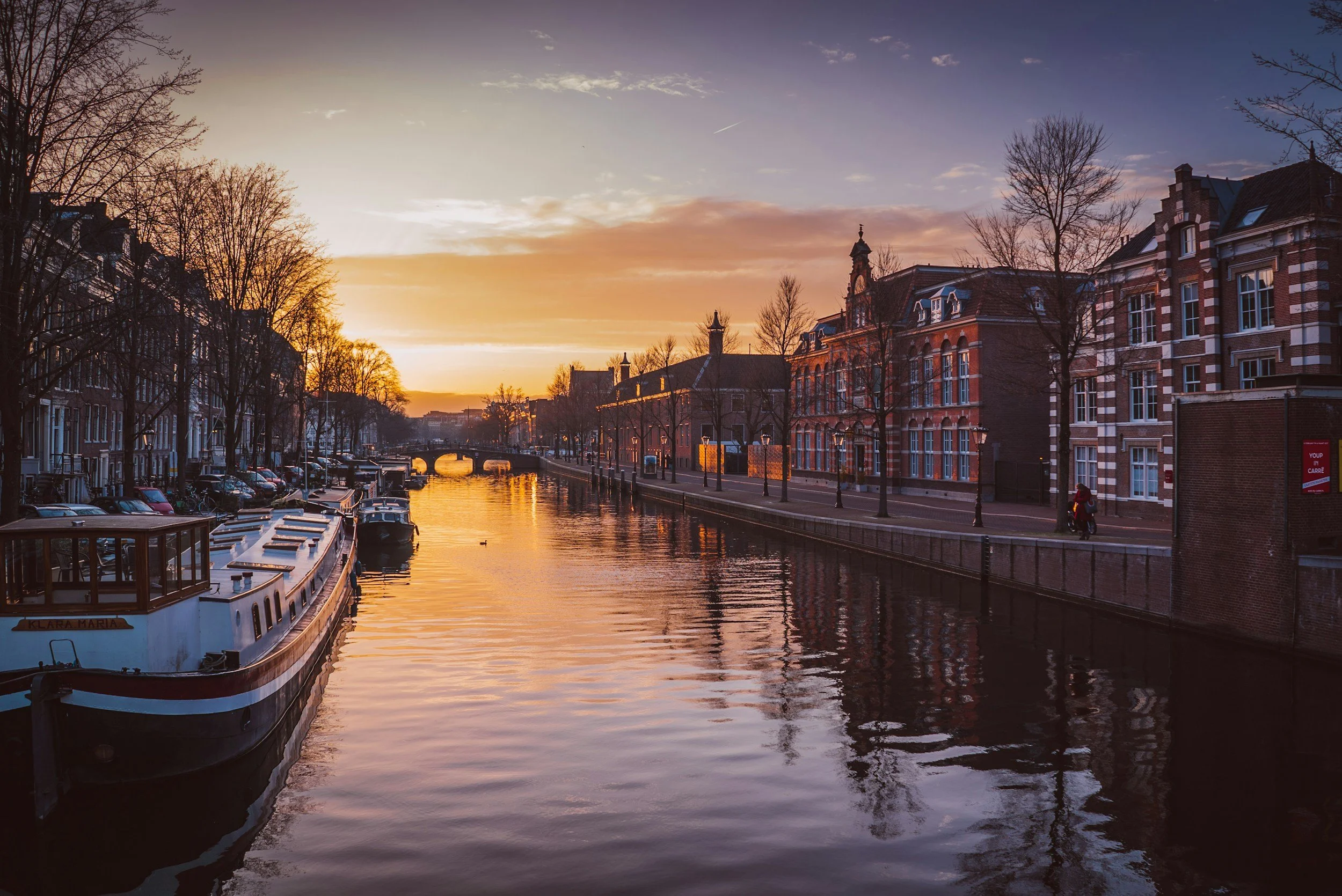
Do not schedule a viewpoint at the published sunset time. Arrive at least 30–45 minutes earlier.
The most useful light often appears before sunset, and popular viewpoints may involve queues, security checks or an uphill walk. If sunset is at 4:35 PM, plan to be in position by 3:50 PM—not leaving the previous attraction at 4:10 PM.
Also check whether the location remains open after dark. Some towers, castle walls, parks and hiking paths close around sunset rather than at a fixed time.
Sunset can become one of the day’s strongest moments: a riverbank walk, illuminated square or rooftop visit. It only becomes a problem when it arrives unexpectedly.
Move Museums Later—but Check Last Admission
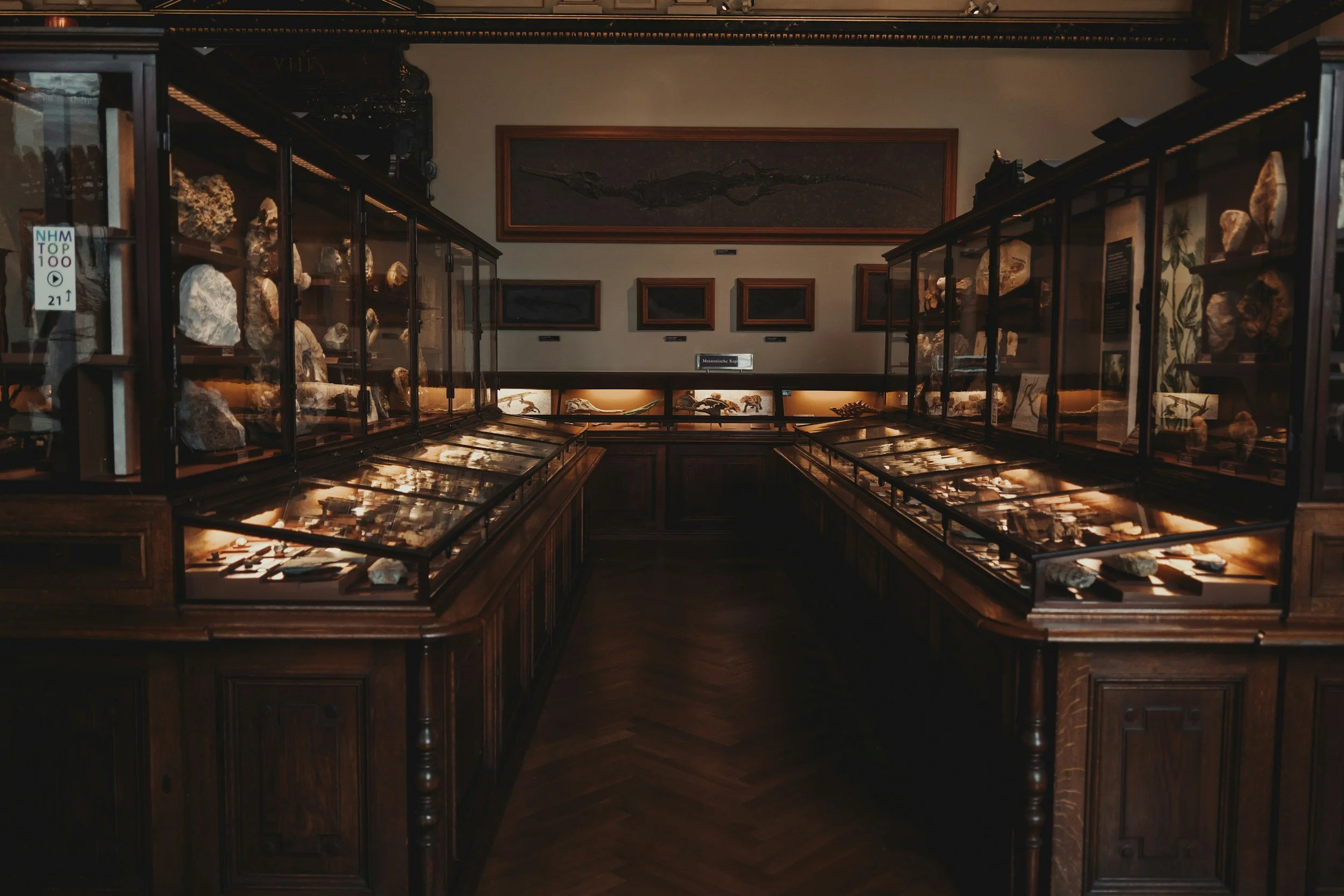
“Save museums for after dark” works only when the museum stays open.
Many European attractions switch to shorter winter schedules during this period. A museum advertised as closing at 6:00 PM may stop admitting visitors at 5:00 or 5:15. Smaller museums may close at 4:00, shut on particular weekdays or reduce access to gardens and rooftops.
Look for three separate pieces of information:
Closing time
Final admission time
Seasonal opening calendar
Late-opening evenings are especially valuable. If a major museum stays open until 8:00 or 9:00 one night each week, arrange the itinerary around it rather than visiting during the middle of a clear afternoon.
Use Darkness for Movement—Carefully
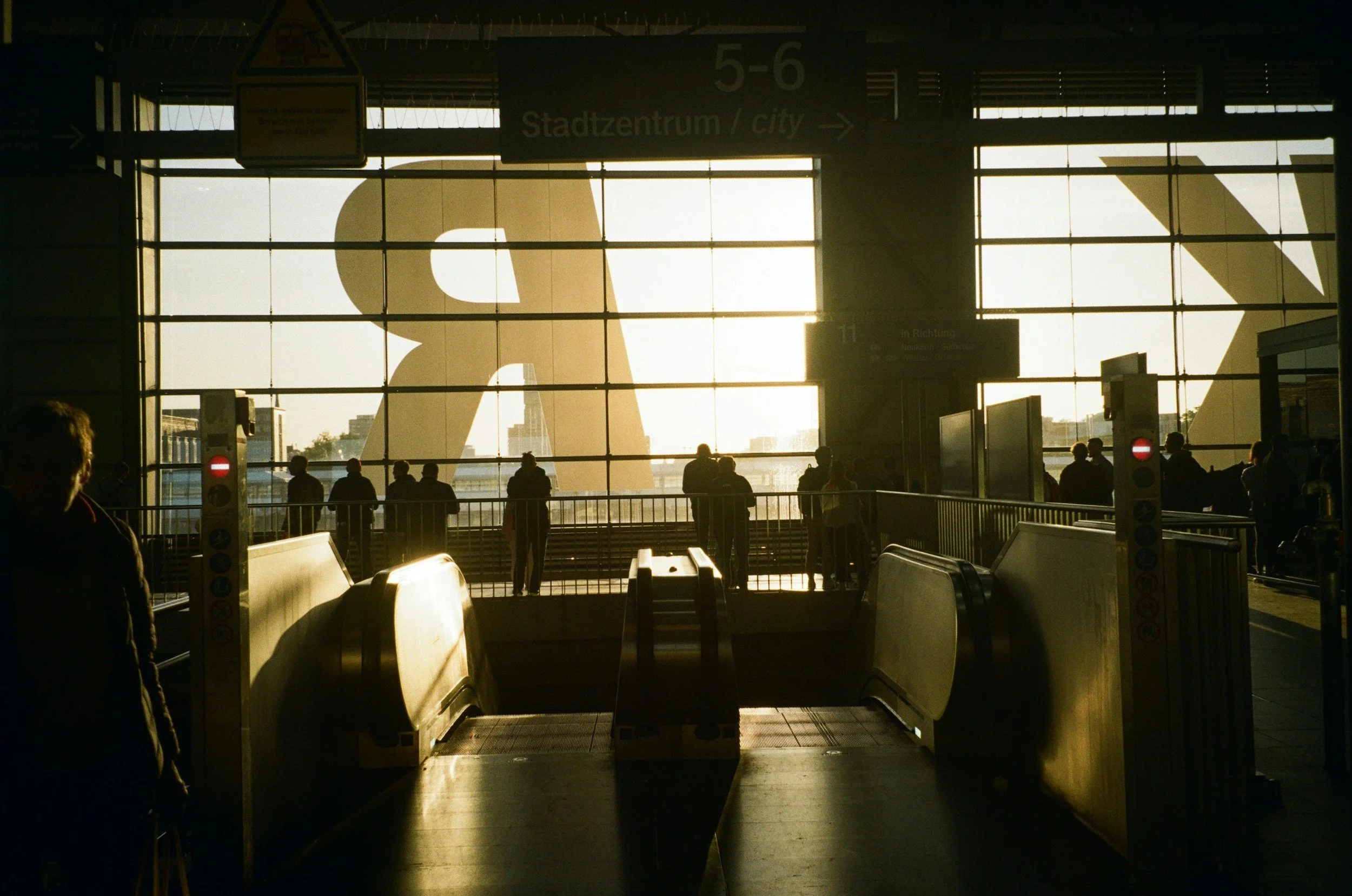
Late autumn can make evening transfers more efficient. Travelling after sunset avoids sacrificing daylight to a routine journey between neighbourhoods or nearby cities.
But this works best for straightforward transport. Arriving after dark becomes less appealing when the accommodation has limited reception hours, the final bus is infrequent or the route involves walking through an unfamiliar rural area.
For city trips, evening metro and train journeys are often practical. For villages, islands and mountain destinations, arrive during daylight unless you have confirmed the transfer and check-in process.
Scenic rail journeys also deserve daylight. A three-hour train through the Alps should not automatically be pushed into the evening simply because it is transportation.
Create a Daylight Version and a Rain Version
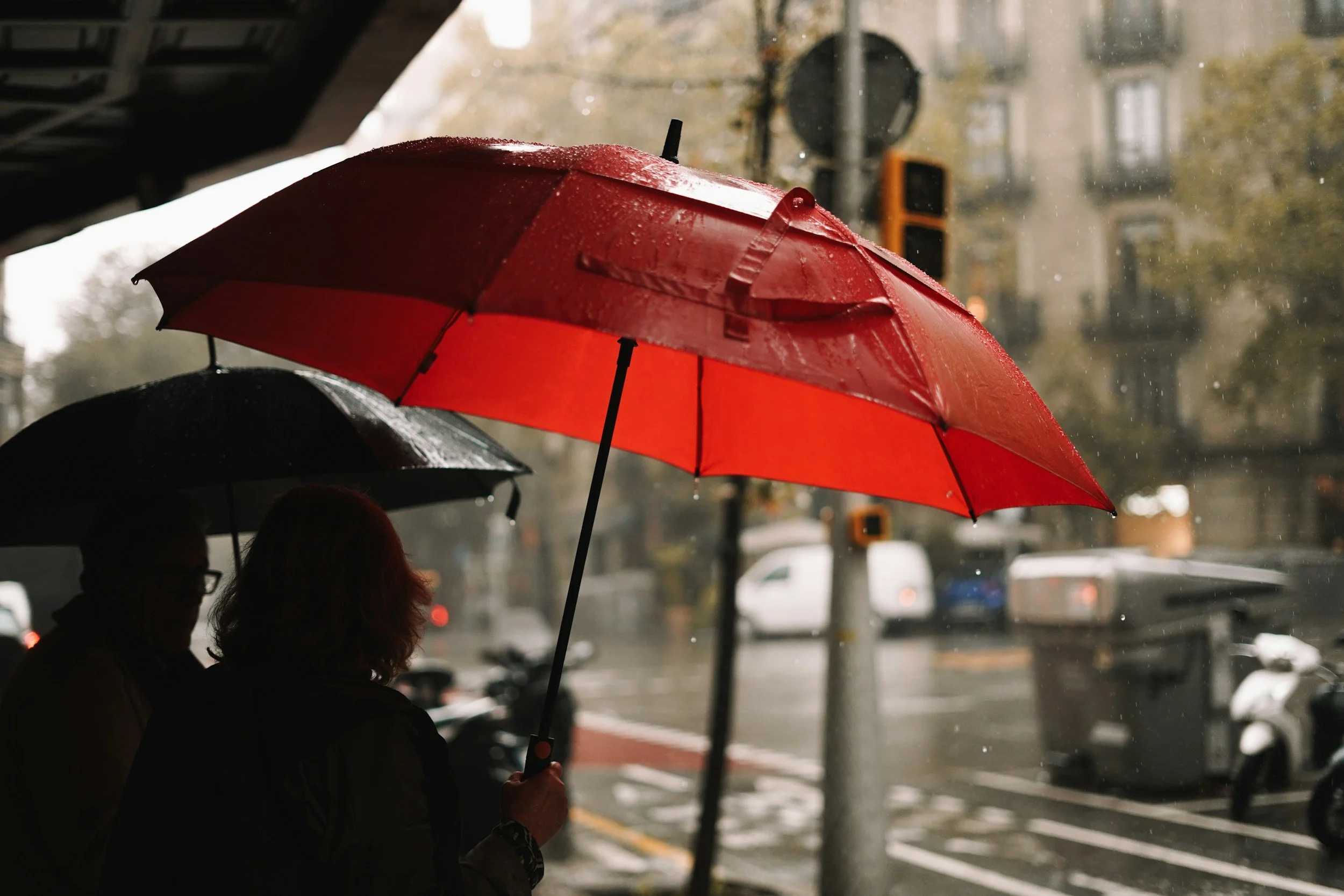
Short days become more difficult when combined with rain. Instead of building one rigid itinerary, prepare two versions for each day.
The daylight version prioritises neighbourhoods, gardens and viewpoints. The rain version prioritises museums, covered markets, churches and long meals. Check the forecast each evening and switch the order without changing every reservation.
Keep at least one indoor activity near each outdoor area. If rain begins halfway through a walking day, you should not need to cross the entire city to find shelter.
A Better Late-Autumn Day
A workable city itinerary might look like this:
8:00 AM: Breakfast while it is still dim outside
9:00 AM: Begin in an outdoor historic district
11:30 AM: Visit an outdoor landmark or garden
12:45 PM: Short lunch nearby
1:45 PM: Continue the same neighbourhood
3:45 PM: Reach the day’s viewpoint
4:30 PM: Sunset and transition into the evening
5:00 PM: Museum, covered market or café
7:30 PM: Dinner or performance
The exact times will change by destination, but the structure remains useful: daylight is reserved for what cannot be moved, while darkness becomes part of the trip rather than an interruption.
Late-autumn travel does not give you fewer hours. It gives you fewer interchangeable hours. Once you stop treating morning, afternoon and evening as equivalent, the itinerary begins working again.
✍️ This blog was written by Olivia.
