
Rome in 48 Hours: What’s Actually Worth Your Time
Rome is not a “2-day city.” Trying to see everything in 48 hours is the fastest way to waste your time standing in lines, rushing between landmarks, and ending the trip exhausted.
So instead of asking “how do I see everything?”, the right question is:
What actually gives me the Rome experience in 48 hours?
✍️ Noah · March 15, 2026

📍 Day 1: The Core — Ancient Rome + Walkable Highlights
Your first day should focus on one thing: density.
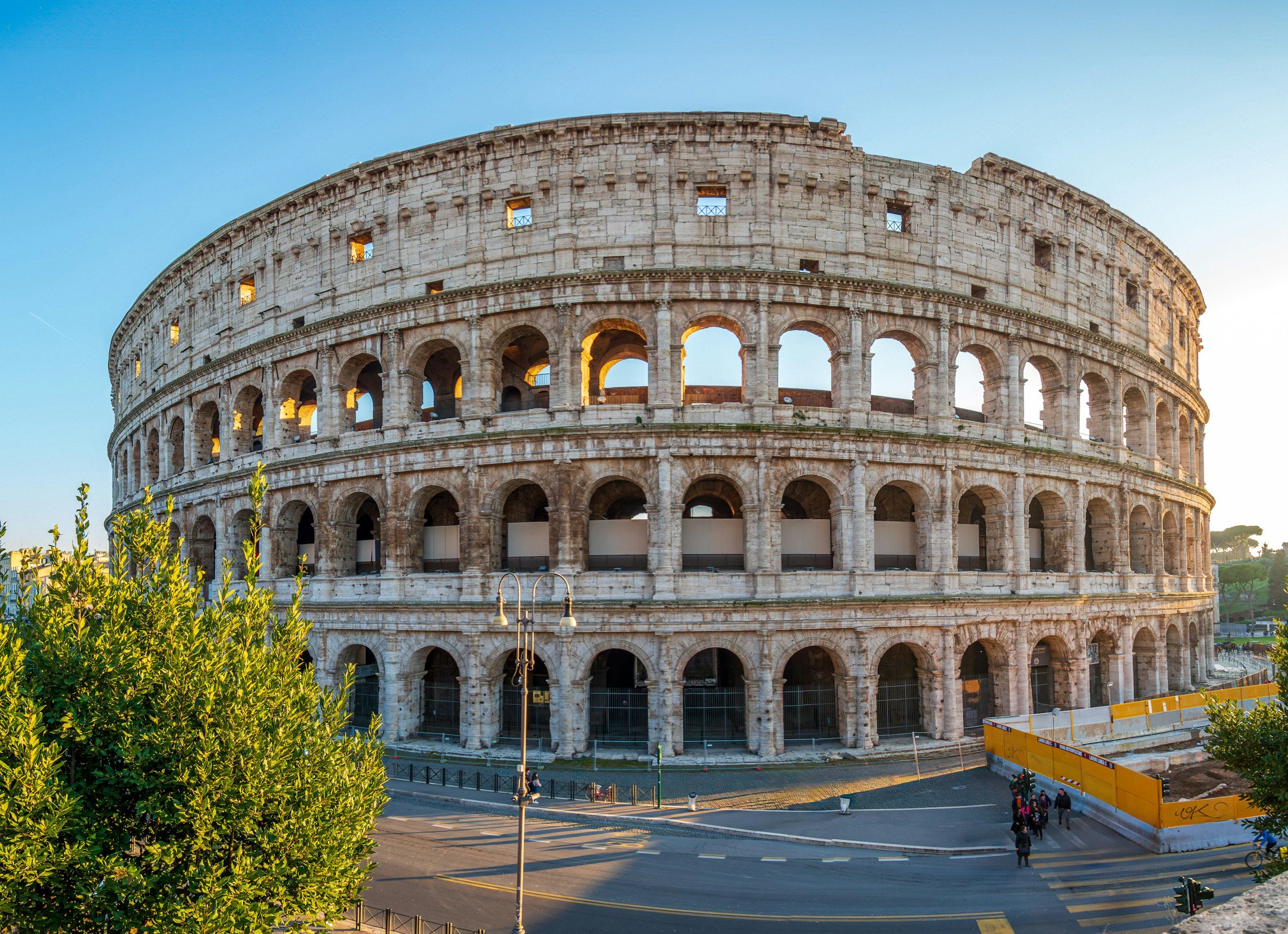
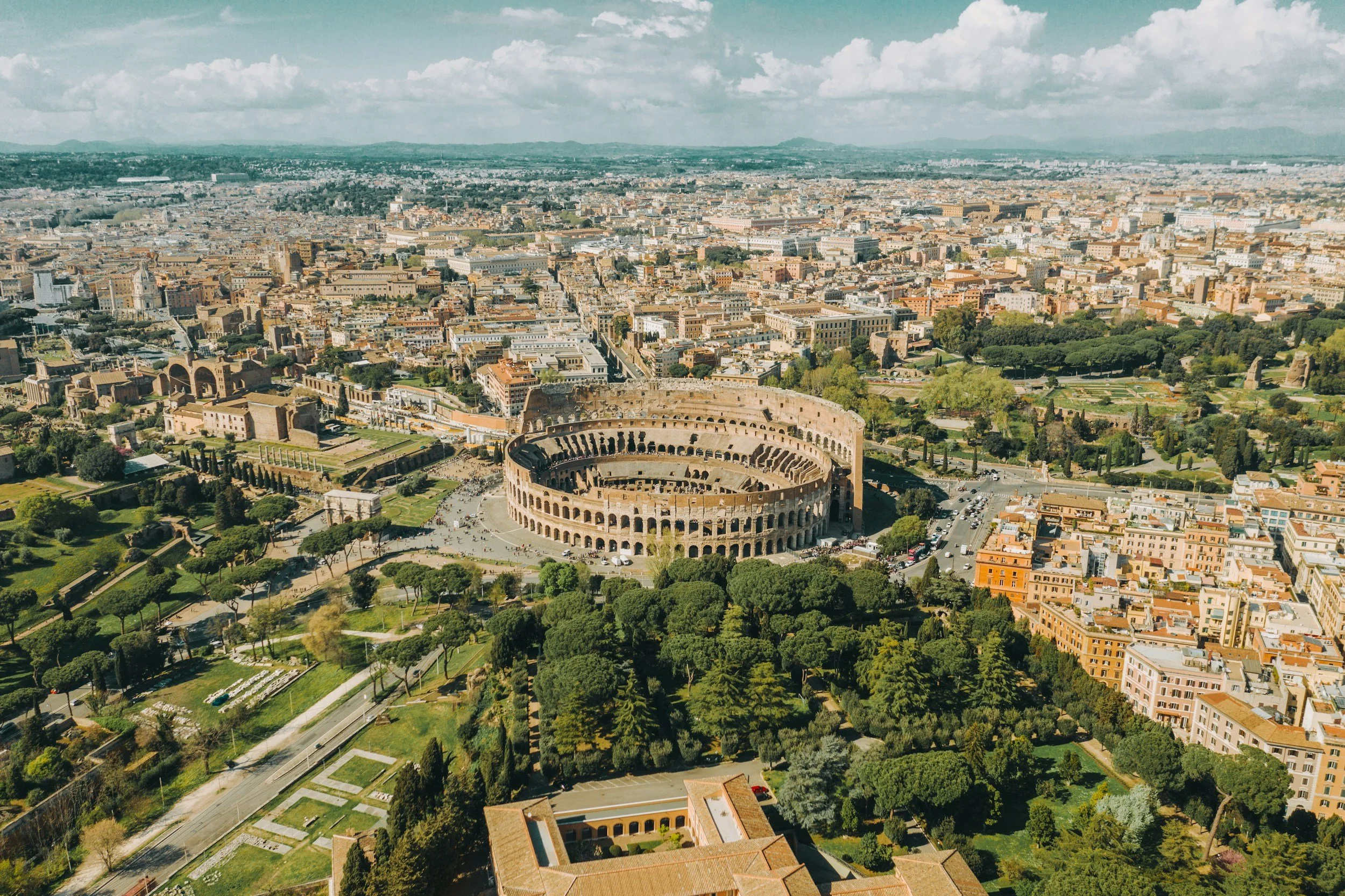
Start with the Colosseum area — not because it’s cliché, but because it’s efficient. The Colosseum, Roman Forum, and Palatine Hill are all in the same zone. If you try to “just see the Colosseum” without understanding this, you’ll waste time doubling back later.
Go early. Not “late morning early” — actual early. Lines build fast, and this is one of the few places in Rome where timing directly affects your experience.
After that, don’t jump into transport. Walk.
From there, move toward:
Piazza Venezia
Pantheon
Piazza Navona
This entire stretch is where Rome starts feeling like Rome. The streets, the scale, the randomness of what you walk into — this is the part people remember, not just the landmarks.
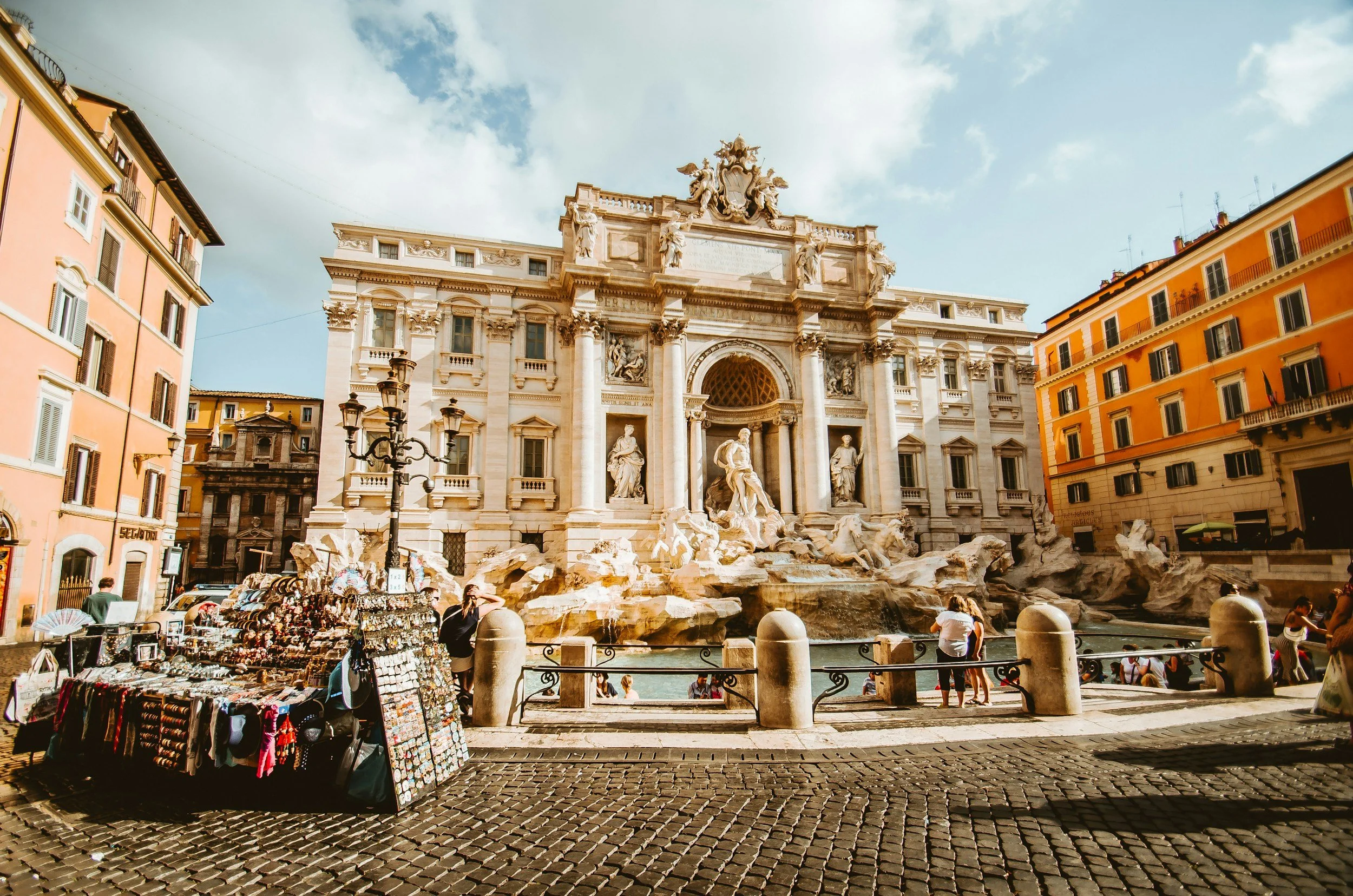
By late afternoon, head toward Trevi Fountain. Yes, it’s crowded. No, you shouldn’t skip it. Just don’t expect a calm experience — treat it as a quick stop, not a long one.
End your day in Trastevere. This is where the pace changes. Less structured, more local, better for dinner. You don’t need a plan here — just walk, pick a place that feels right, and stay longer than you think.
⏱️ What You Should Skip on Day 1
Don’t try to squeeze in:
Vatican
multiple museums
random “top 10” stops across the city
You’ll just lose hours in transit and lines.
🏛️ Day 2: Vatican + Controlled Wandering
Day 2 is about structure first, then flexibility.
Start with the Vatican — and again, timing matters. The Vatican Museums can easily take half a day if you let them. You shouldn’t.
Focus on:
Sistine Chapel
key sections, not everything
If you try to “see it all,” you’ll burn your entire morning inside.
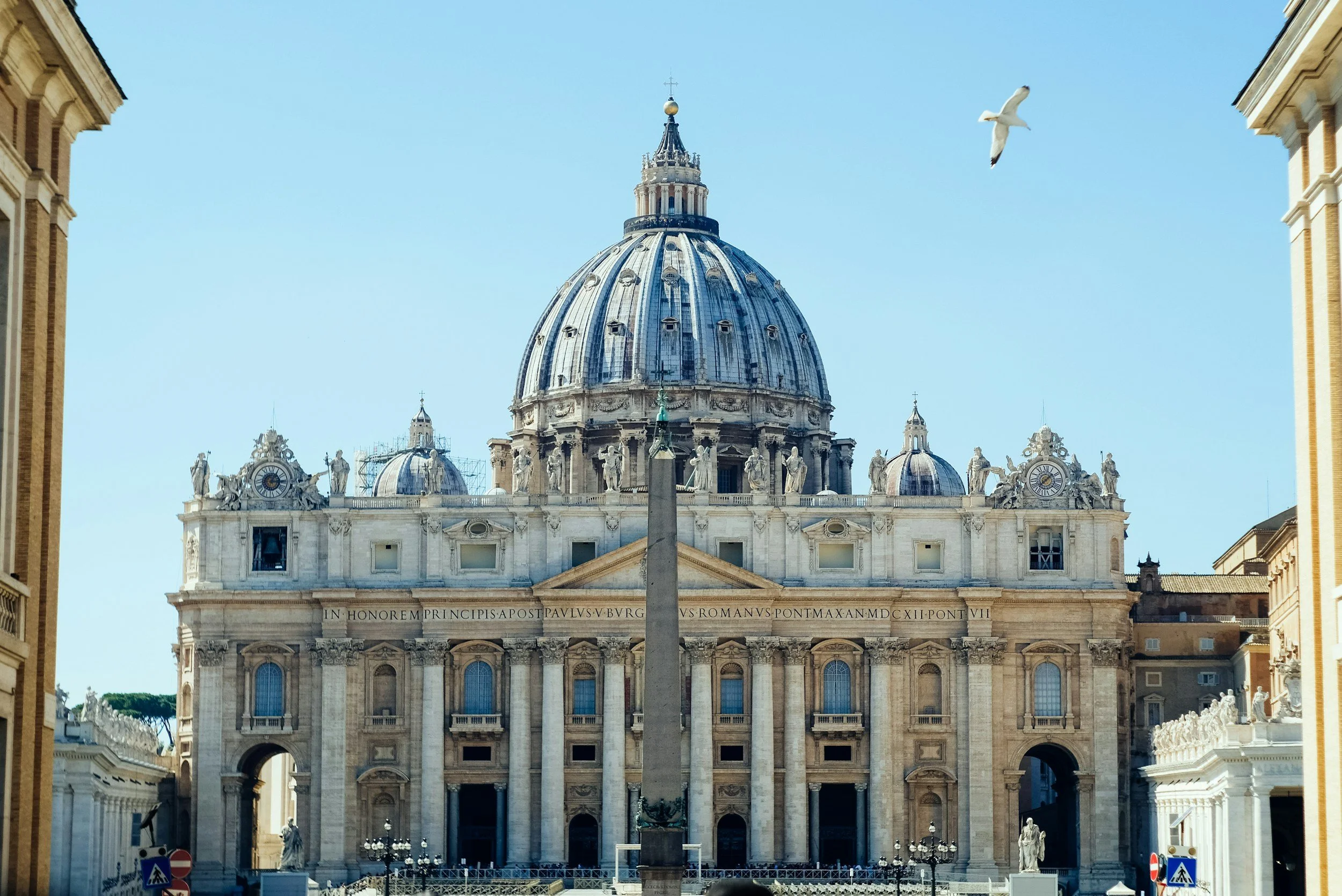
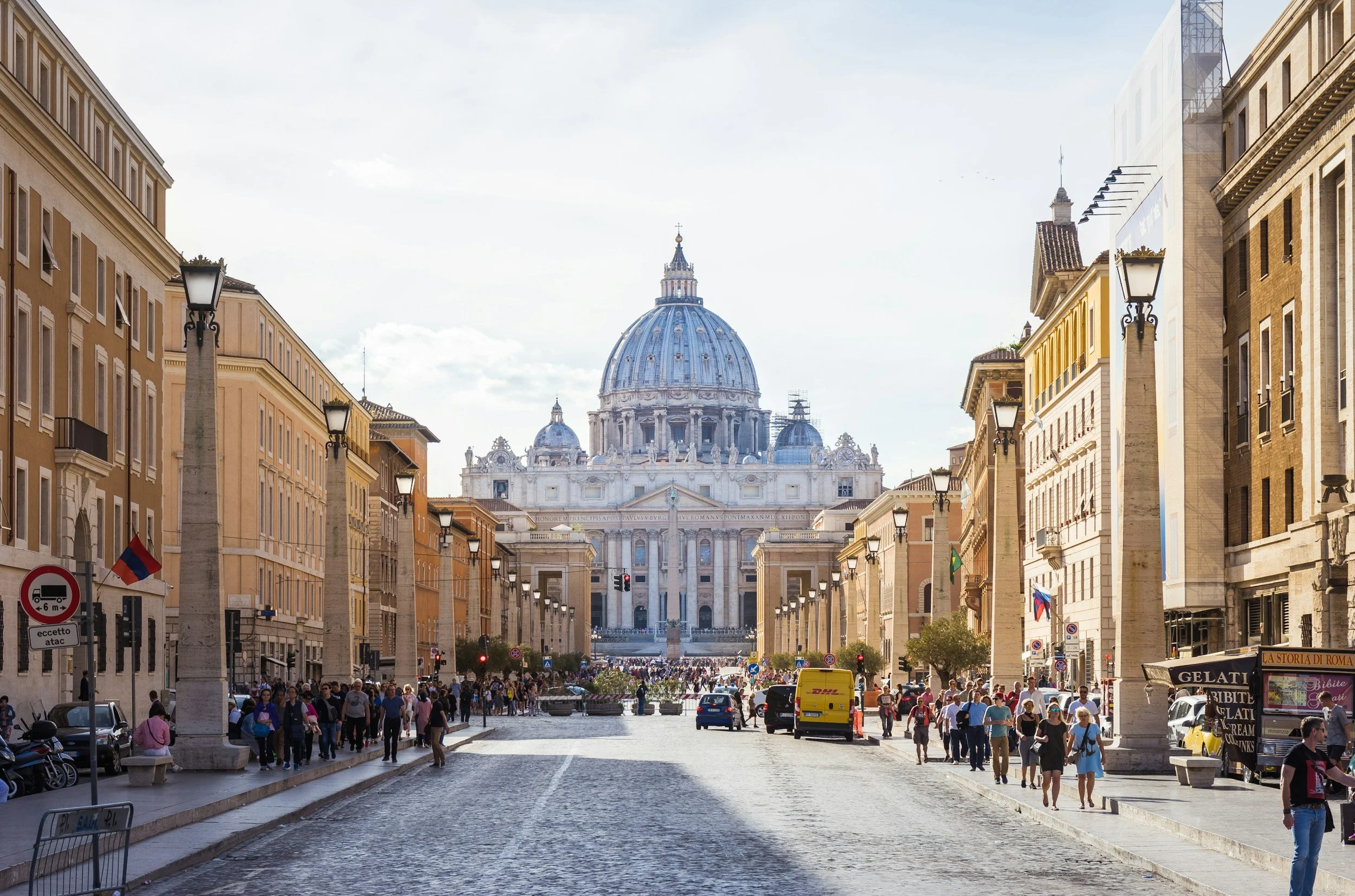
Then move to St. Peter’s Basilica. This is one of the few places that’s actually worth the time, even with crowds. The scale alone justifies it.
After that, reset.
🚶 Afternoon: Walk Without a Checklist
This is where most people make a mistake — they keep chasing landmarks.
Don’t.
Use your second half of the day to move without pressure:
cross the river
get lost in side streets
stop for coffee without planning it
Rome works best when you stop forcing it.
If you still want structure, head toward:
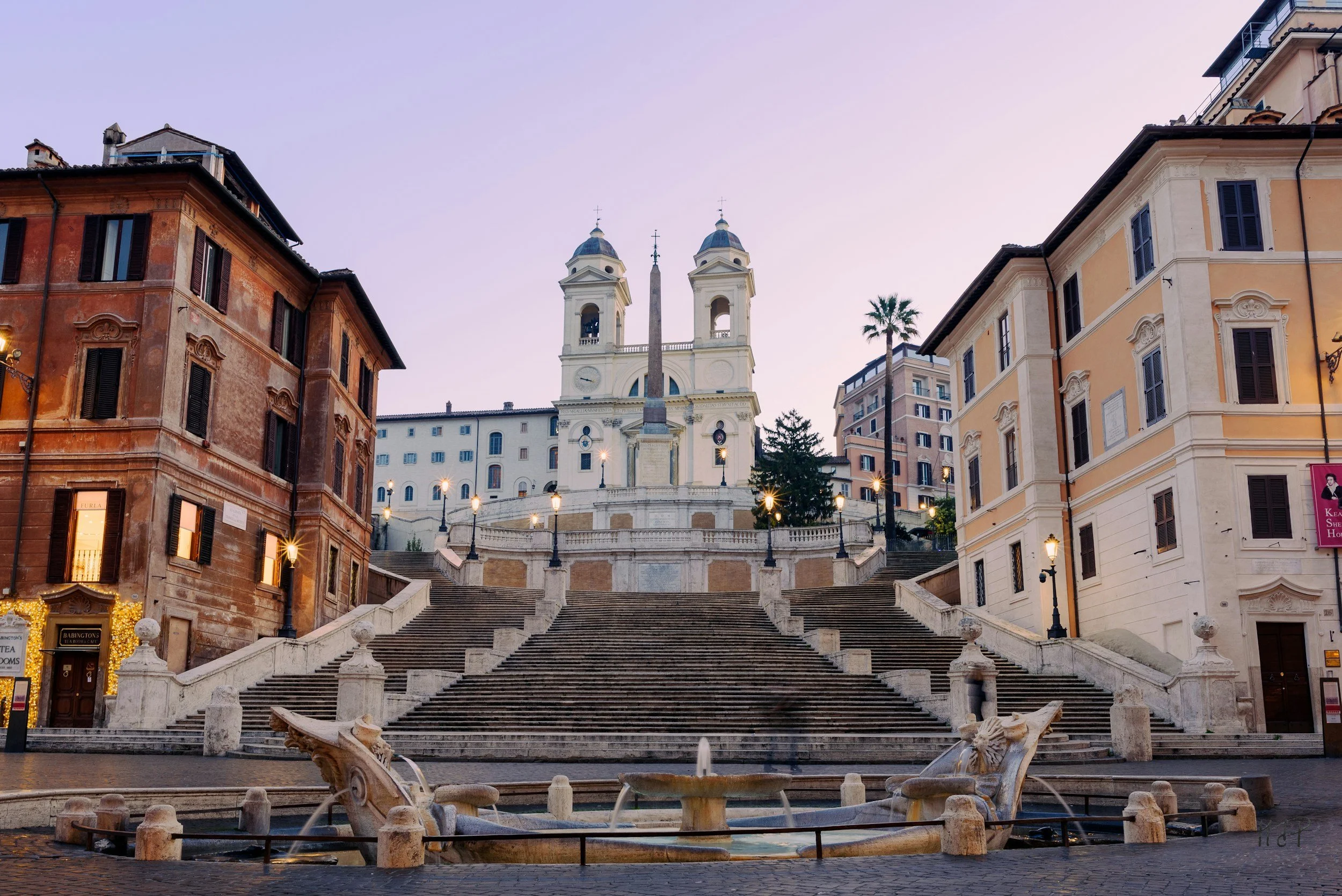
Spanish Steps area
Villa Borghese (if you want space and views)
But don’t turn it into another checklist.
⚠️ What Actually Wastes Your Time in Rome
Rome isn’t hard — it’s inefficient if you plan it wrong.
Biggest time traps:
long restaurant queues in tourist zones
overloading museums
using transport for short distances
trying to “optimize everything”
Walking is almost always faster than you think.
✔️ How to Make 48 Hours Feel Enough
The goal isn’t to cover Rome.
It’s to:
experience its core
avoid friction
and leave without feeling rushed
If you focus on fewer areas, walk more, and accept that you won’t see everything, 48 hours becomes more than enough to understand the city.
Final Take
Rome rewards clarity. The people who enjoy it in 48 hours are not the ones who see the most —
they’re the ones who cut the most.
Do less, but do it properly — and the city works in your favor.
✍️ This blog was written by Noah.
