

A Five-Day Slovenian Wine-Harvest Route Without Renting a Car
September turns eastern Slovenia into a working wine landscape. Vineyards are busy, tractors carry freshly picked grapes down narrow roads, and cellars begin the year’s most important work.
It sounds like the kind of trip that requires a car. It does not—but you need to plan around railway towns and arrange the final few kilometres in advance. This route connects Ljubljana, Maribor, Ptuj and the Jeruzalem Hills using trains, walking and one pre-booked local transfer.
One important expectation: harvest season is not a permanent public festival. Picking dates depend on the grape variety, weather and winery. If you want to watch or participate in a harvest, contact the winery before travelling.
✍️ Olivia · September 7 2026

Day 1: Begin With a Slovenian Wine Lesson in Ljubljana
Use your first day to understand what you will be drinking during the journey.
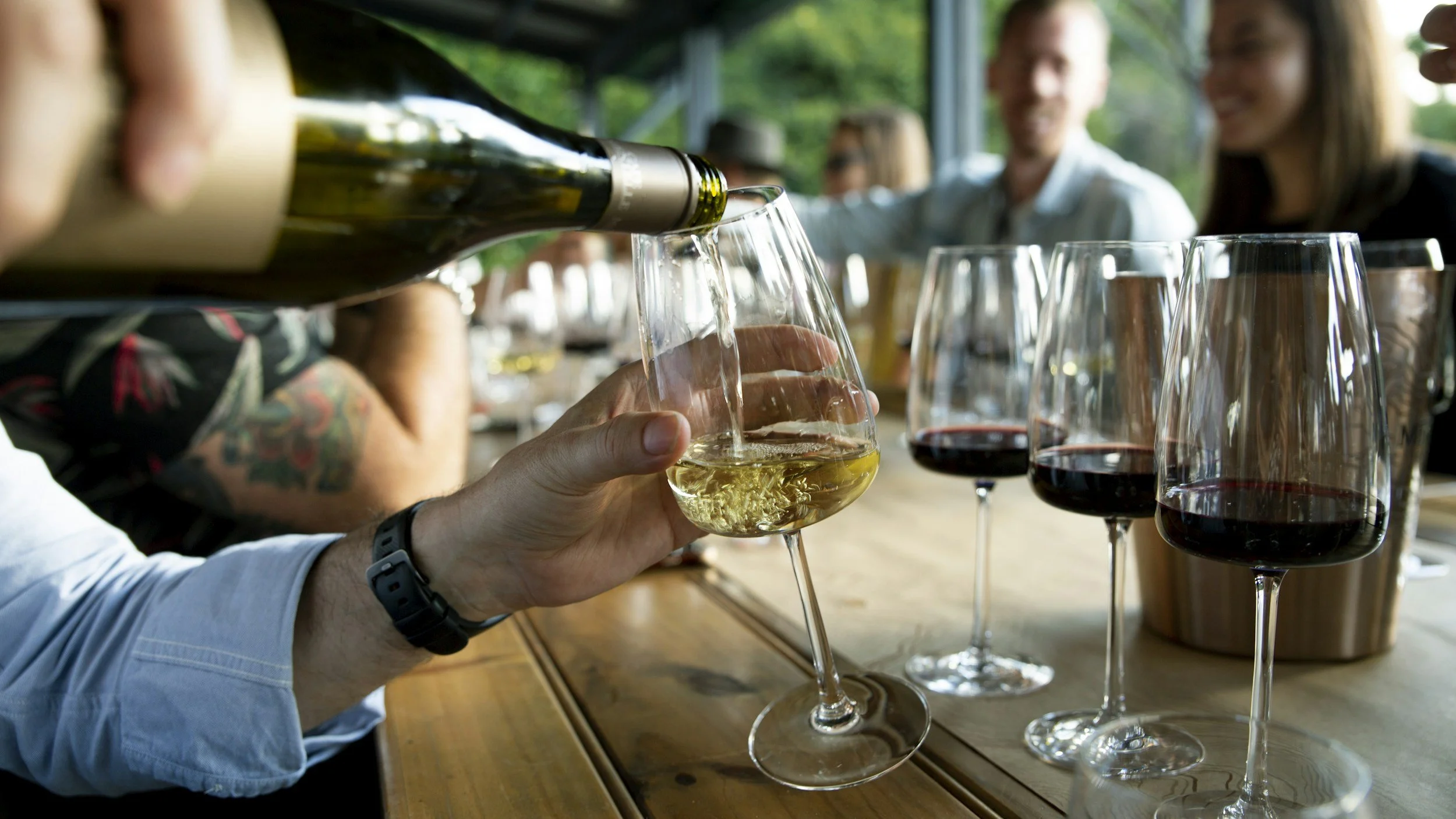
Slovenia has three main wine regions, each divided into smaller districts. This route concentrates on the northeast, particularly Štajerska, where aromatic white wines thrive. Look for a guided tasting or a specialist wine bar offering several Slovenian regions side by side.
Try Rebula from western Slovenia before moving east with Šipon, Sauvignon Blanc and Laški Rizling. Šipon—known internationally as Furmint—will become especially important once you reach the Jeruzalem Hills.
Stay close to Ljubljana railway station if you want an easy departure the following morning. Check the latest journey information through the Slovenian Railways timetable, as construction and replacement services can occasionally change platforms or connections.
Day 2: Take the Train to Maribor
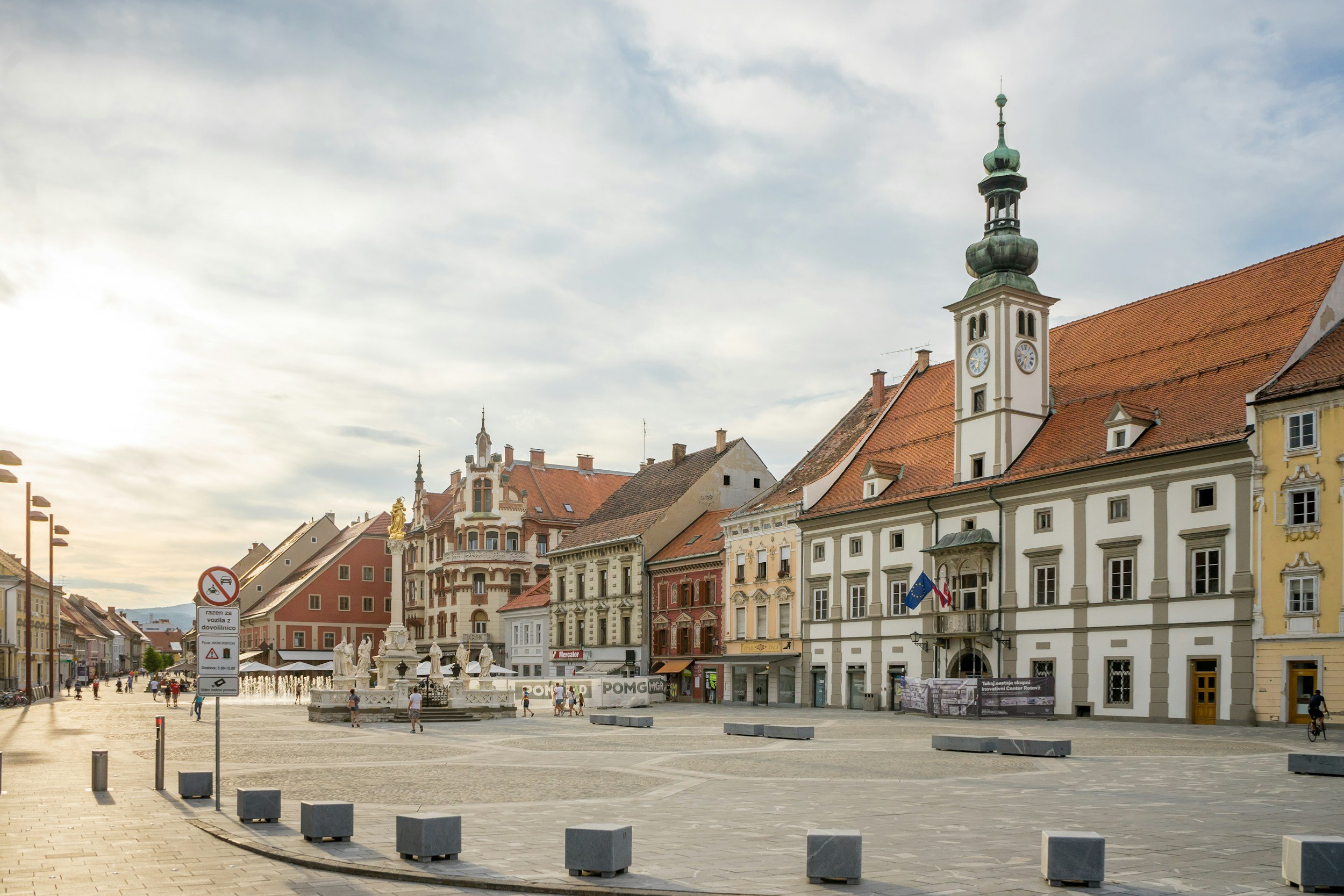
Travel northeast from Ljubljana to Maribor, Slovenia’s second-largest city and the urban centre of the Štajerska wine region.
After checking in, walk towards the Lent district beside the Drava River. Maribor is closely associated with the world’s oldest producing grapevine, but the more interesting story is how wine still connects the city with the surrounding hills.
Use the afternoon for a tasting that focuses specifically on northeastern Slovenia. Rather than ordering only the most familiar Sauvignon Blanc, ask for Šipon, Ranina or a traditional-method sparkling wine. This will make the following days more meaningful because you will recognise how the same varieties change between producers and vineyard positions.
Harvest is an intense working period, so reserve tastings rather than arriving unannounced. Smaller producers may be pressing grapes, cleaning equipment or moving between vineyards and cellars.
Stay overnight in central Maribor, within walking distance of both the old town and railway station.
Day 3: Continue to Ptuj and Walk Into the Vineyards
Take a regional train from Maribor to Ptuj. Slovenia’s oldest recorded town is compact enough to explore on foot, making it one of the easiest wine destinations for travellers without a car.
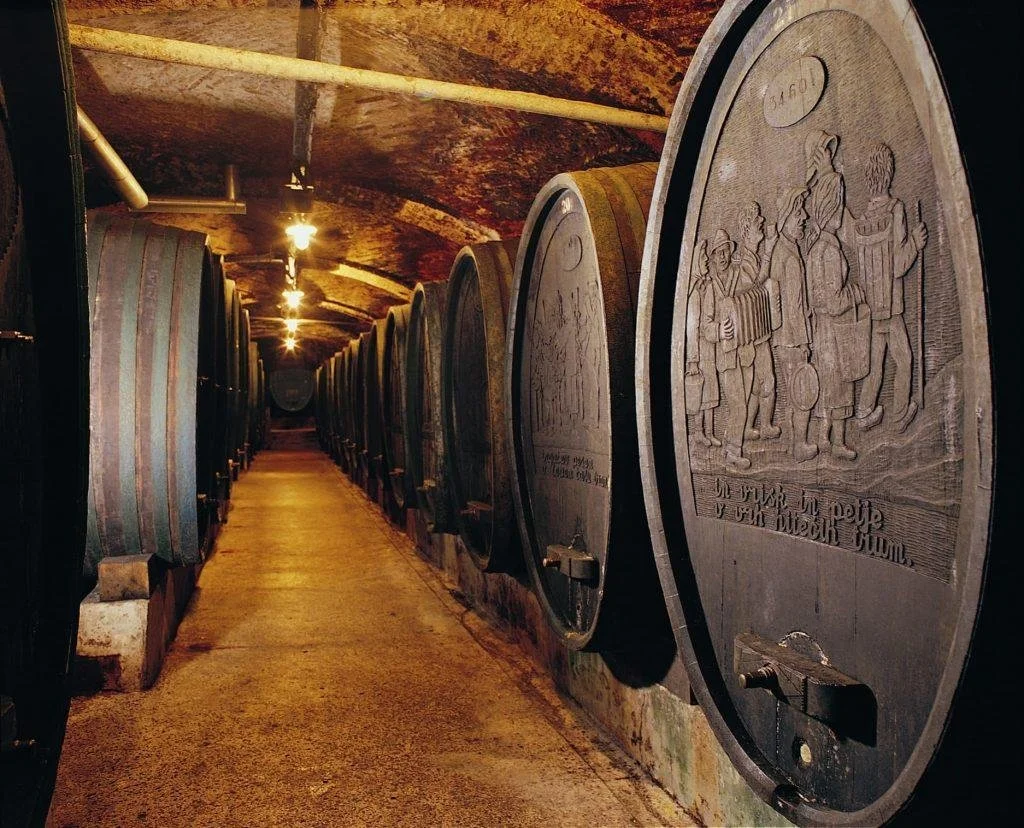
Begin in the old town, then book a guided tasting at the historic Ptuj Wine Cellar. Its underground cellars represent more than 700 years of winemaking tradition and hold the oldest preserved Slovenian vintage, the 1917 Golden Vine. Tours and tastings should be reserved ahead through Visit Ptuj.
For something more active, follow part of the Mestni Vrh route into the hills above town. The trail moves through vineyards and orchards while keeping you close enough to return to Ptuj on foot. Some farms and winegrowers offer tastings, but these must normally be arranged in advance; a sign beside a vineyard does not necessarily mean it accepts walk-ins.
Return to Ptuj for dinner and stay overnight. This slower day also keeps the journey from becoming a sequence of stations, check-ins and hurried tastings.
Day 4: Reach the Jeruzalem Hills Without Driving
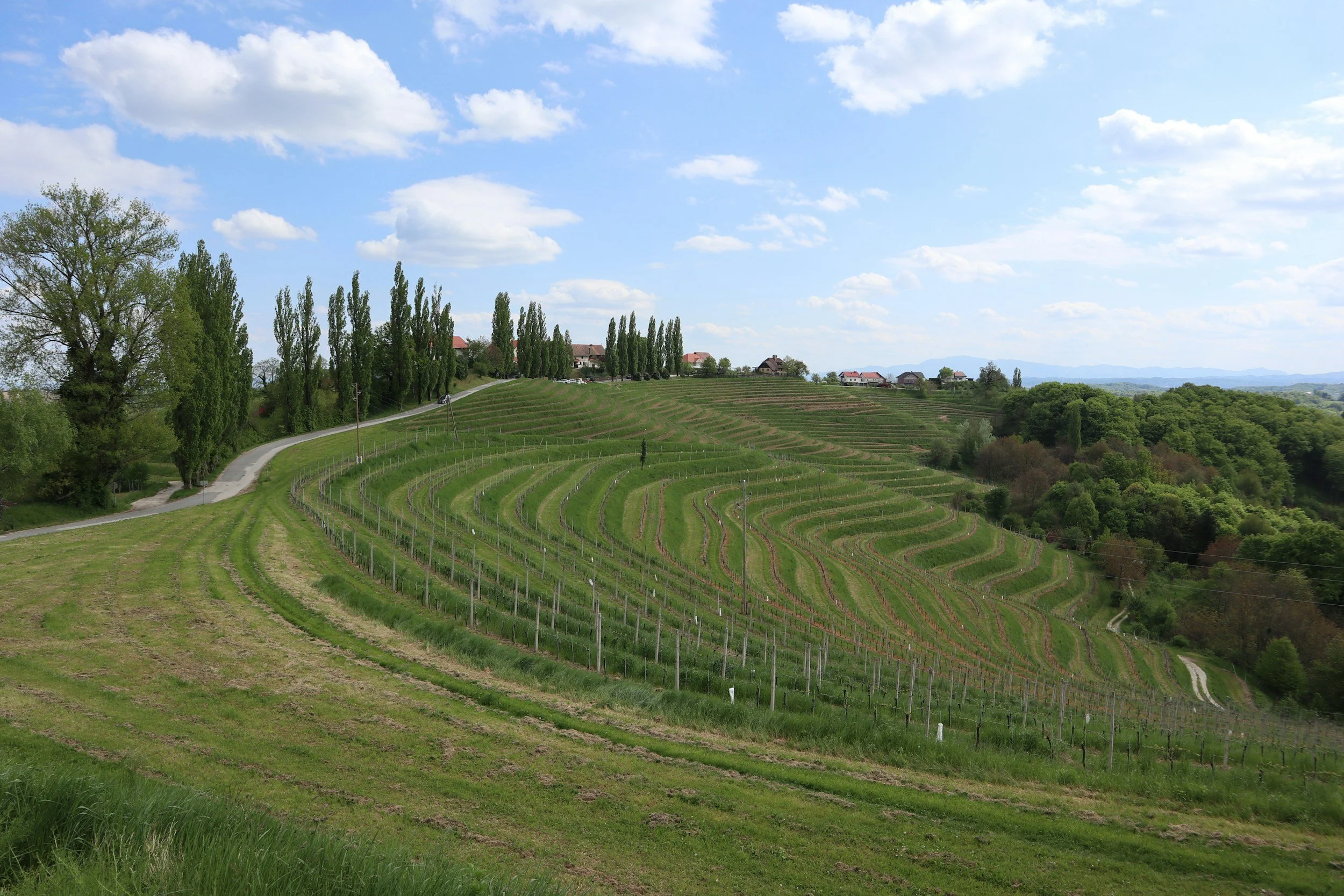
Travel east by train towards Ormož or Ljutomer. Both towns provide access to the Jeruzalem wine hills, but the vineyards themselves are spread across steep rural roads with limited public transport.
This is where a car-free trip requires one planned compromise: arrange a pickup with your accommodation, reserve a local taxi or ask the winery to organise a transfer from the station. Book it before the day of travel. Depending on the property, an e-bike may work during daylight and dry weather, but it should not be your only plan when travelling with luggage.
Choose a winery stay around Jeruzalem, Ivanjkovci or the surrounding villages. Concentrating your tasting, dinner and accommodation in one place removes the need to find evening transportation.
Šipon is the essential wine here. Its naturally high acidity can produce crisp, mineral wines, more textured styles and sweet late-harvest bottles. Ask the producer how vineyard position and picking date influence the final wine.
If the winery allows visitors to observe the harvest, follow its instructions carefully. Do not enter working vineyards, touch equipment or pick grapes without permission. Harvest tourism works best when visitors remember that they are entering an active agricultural workplace.
Day 5: A Slow Morning and the Train Back to Ljubljana
Keep the final morning deliberately light. Walk between the vineyard terraces, have breakfast at the property and, if available, arrange one final cellar visit.
Return to Ormož or Ljutomer using your pre-booked transfer, then travel back towards Ljubljana by train. Connections may require a change at Pragersko or Maribor, depending on the service.
Avoid booking a flight immediately after your scheduled arrival in Ljubljana. Regional railway works, replacement buses and seasonal timetable changes can add uncertainty, so either allow a generous buffer or spend another night in the capital.
How to Make the Route Work
Travel with a small suitcase or backpack. Rural stations may have stairs, and luggage storage is not guaranteed.
Reserve all winery visits. September may feel like the obvious time for wine tourism, but it is also when producers have the least free time.
Confirm every transfer directly with the accommodation. “Close to Ljutomer” can still mean several kilometres along steep country roads.
Finally, taste selectively. Four thoughtful wines with food will tell you more than rushing through twelve pours. The advantage of travelling by train is not simply avoiding the responsibility of driving—it gives the route a natural rhythm, moving from city wine culture to historic cellars and finally into the vineyards themselves.
✍️ This blog was written by Olivia.
