

South Korea in 10 Days: The Perfect First-Time Itinerary
From royal palaces and traditional hanok villages to colorful coastal towns and volcanic landscapes, South Korea offers one of Asia’s most rewarding first-time travel experiences. The country combines centuries of history with some of the world’s most modern cities, making it easy to experience ancient culture, vibrant food scenes, and dramatic natural scenery in a single trip.
This 10-day South Korea itinerary covers four of the country’s most fascinating destinations: Seoul, Gyeongju, Busan, and Jeju Island. You’ll explore the historic heart of the Joseon Dynasty, walk among thousand-year-old royal tombs, visit temples perched above the sea, and discover the volcanic island that many Koreans consider their favorite domestic getaway.
Thanks to South Korea’s excellent transportation network, moving between destinations is surprisingly simple. High-speed KTX trains connect Seoul, Gyeongju, and Busan in just a few hours, while a short domestic flight links Busan with Jeju. Here’s how to make the most of ten unforgettable days in South Korea.
✍️ Olivia · June 7, 2026

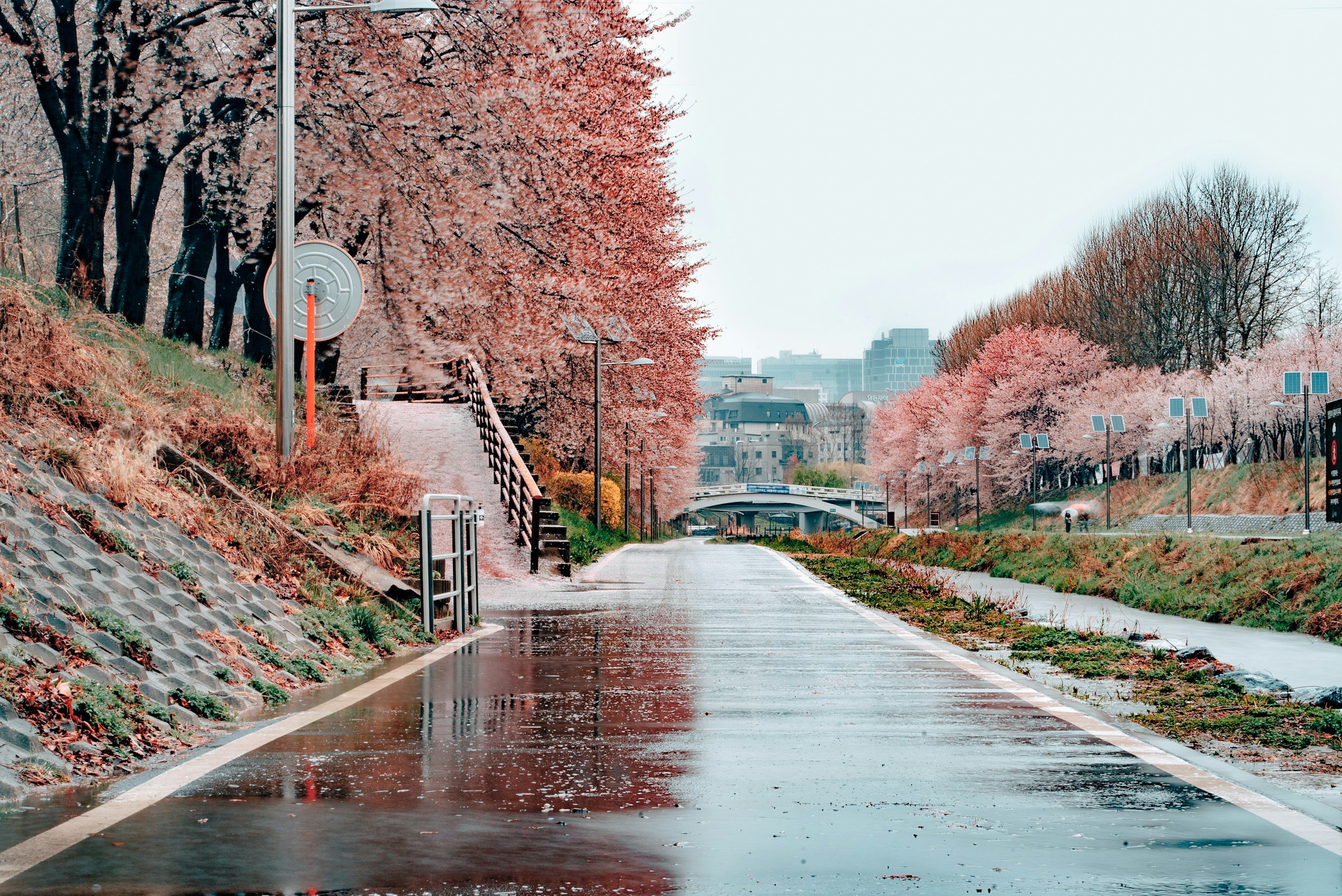
Day 1: Arrival in Seoul – Discovering South Korea’s Capital
Morning
Most international travelers arrive through Incheon International Airport, located around an hour from central Seoul. The AREX Airport Express train provides one of the fastest and easiest ways into the city, connecting the airport directly with Seoul Station. Before leaving the airport, consider picking up a T-money card, which can be used on public transportation throughout the country.
Afternoon
After checking into your hotel, spend your first afternoon exploring Myeongdong, one of Seoul’s most popular neighborhoods. Once known primarily as a shopping district, Myeongdong has evolved into one of the city’s best places to experience Korean street food. Vendors line the streets selling everything from tteokbokki and grilled seafood skewers to hotteok, a sweet pancake filled with brown sugar and nuts.
Beyond the food stalls, the neighborhood offers a glimpse into modern Seoul. Beauty stores, fashion boutiques, and department stores attract both locals and visitors, while narrow side streets reveal smaller cafés and restaurants hidden away from the busiest crowds.
Evening
As the sun sets, Myeongdong becomes even livelier. Neon signs illuminate the streets, food stalls grow busier, and the energy of the city becomes impossible to miss. Rather than rushing to major attractions on your first day, use the evening to settle into Seoul’s atmosphere, try a few local dishes, and recover from your flight before beginning a fuller day of sightseeing tomorrow.
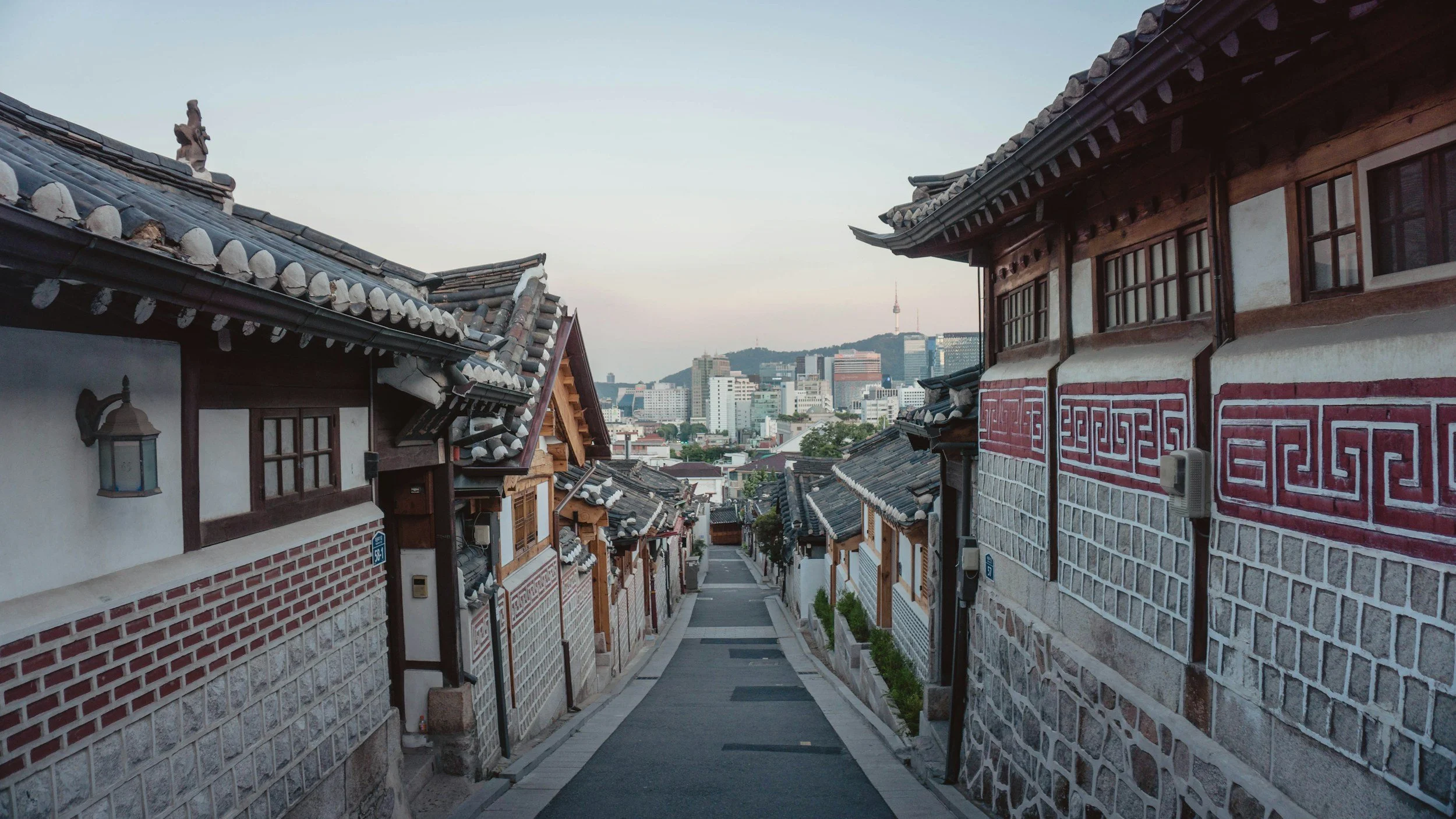
Day 2: Seoul – Palaces, Hanok Villages, and Traditional Korea
Morning
Start your first full day in Seoul at Gyeongbokgung Palace, the largest and most important of the city’s five grand palaces. Built in 1395 during the early years of the Joseon Dynasty, the palace served as the royal residence for centuries and remains one of South Korea’s most significant historical landmarks.
Arriving early allows you to explore the palace grounds before they become crowded. The complex covers a vast area filled with ceremonial halls, royal residences, peaceful courtyards, and decorative pavilions. One of the highlights is the Changing of the Guard ceremony, which recreates the traditions once performed during the Joseon era.
Many visitors choose to rent a hanbok, Korea’s traditional dress, from nearby rental shops. Besides creating memorable photos, wearing a hanbok also grants free entry to the palace grounds.
Afternoon
Just north of the palace lies Bukchon Hanok Village, one of the best places to experience traditional Korean architecture. The neighborhood sits between Gyeongbokgung Palace and Changdeokgung Palace and contains hundreds of preserved hanok houses dating back generations.
Unlike many historical districts, Bukchon remains a residential area, giving visitors the chance to see how traditional architecture still exists within modern Seoul. The narrow streets climb gentle hills and offer beautiful views across tiled rooftops toward the city’s skyscrapers in the distance.
After exploring Bukchon, continue to Insadong, a neighborhood known for its traditional tea houses, art galleries, craft stores, and restaurants. This area has long been associated with Korean culture and remains one of the best places to browse local artwork, handmade souvenirs, and traditional products.
Evening
For the evening, head to Hongdae, one of Seoul’s most energetic districts. Located near Hongik University, the neighborhood has become famous for its youthful atmosphere, independent cafés, live music venues, and street performances.
The area comes alive after sunset as musicians, dancers, and performers gather throughout the streets. It also offers some of the city’s best casual dining options, from Korean fried chicken restaurants to barbecue spots where diners grill meat directly at their tables.
The contrast between the historic palaces of the morning and the creative energy of Hongdae in the evening perfectly captures the different sides of Seoul.
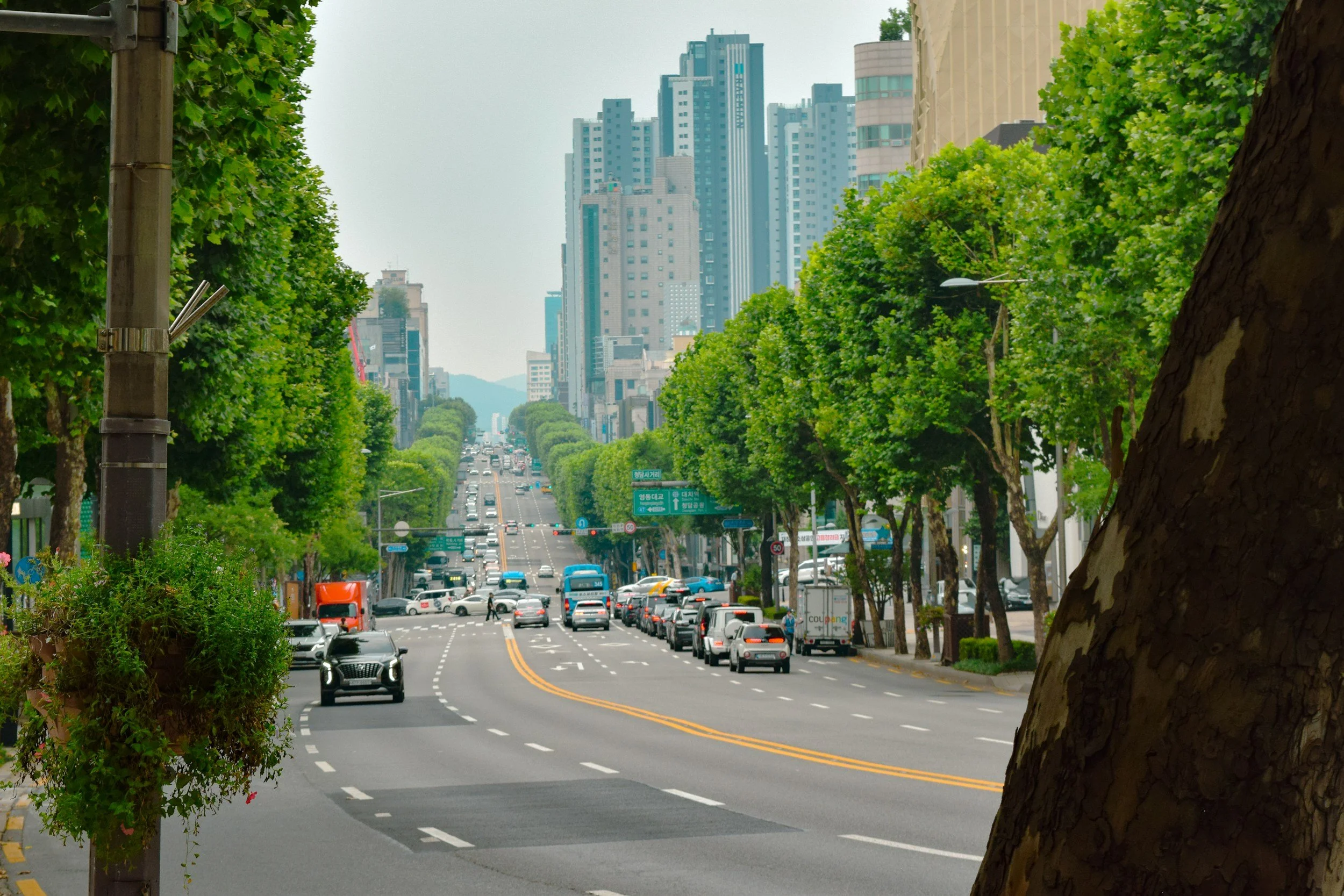
Day 3: Seoul – Namsan Tower and Gangnam
Morning
Begin the day with a visit to N Seoul Tower, one of the city’s most recognizable landmarks. Perched atop Namsan Mountain, the tower provides panoramic views across Seoul’s vast skyline.
Visitors can either take the cable car to the top or enjoy a scenic walk through Namsan Park. The observation deck offers a chance to appreciate the sheer scale of the capital, with mountains surrounding the city and the Han River cutting through its center.
The area around the tower is particularly peaceful during the morning hours, making it a welcome escape from the busier neighborhoods below.
Afternoon
Cross the Han River and spend the afternoon exploring Gangnam. While the district became internationally famous through pop culture, it remains one of Seoul’s most important business and commercial centers.
Wide boulevards, luxury shopping streets, modern architecture, and stylish cafés give Gangnam a very different character compared to the city’s historic districts. Areas such as COEX Mall and Starfield Library have become attractions in their own right, drawing visitors with their impressive design and enormous collection of books.
Gangnam showcases the side of South Korea that transformed the country into one of Asia’s leading economic powers.
Evening
No visit to South Korea feels complete without experiencing Korean barbecue. Dinner in Gangnam provides the perfect opportunity to try popular dishes such as samgyeopsal, thick slices of pork belly grilled at the table, or galbi, marinated beef short ribs.
The experience is as much about the atmosphere as the food itself. Meals are often shared among groups, accompanied by a variety of side dishes known as banchan, creating one of the most social dining traditions in Korean culture.
After dinner, take a walk through Gangnam’s illuminated streets before returning to your hotel.
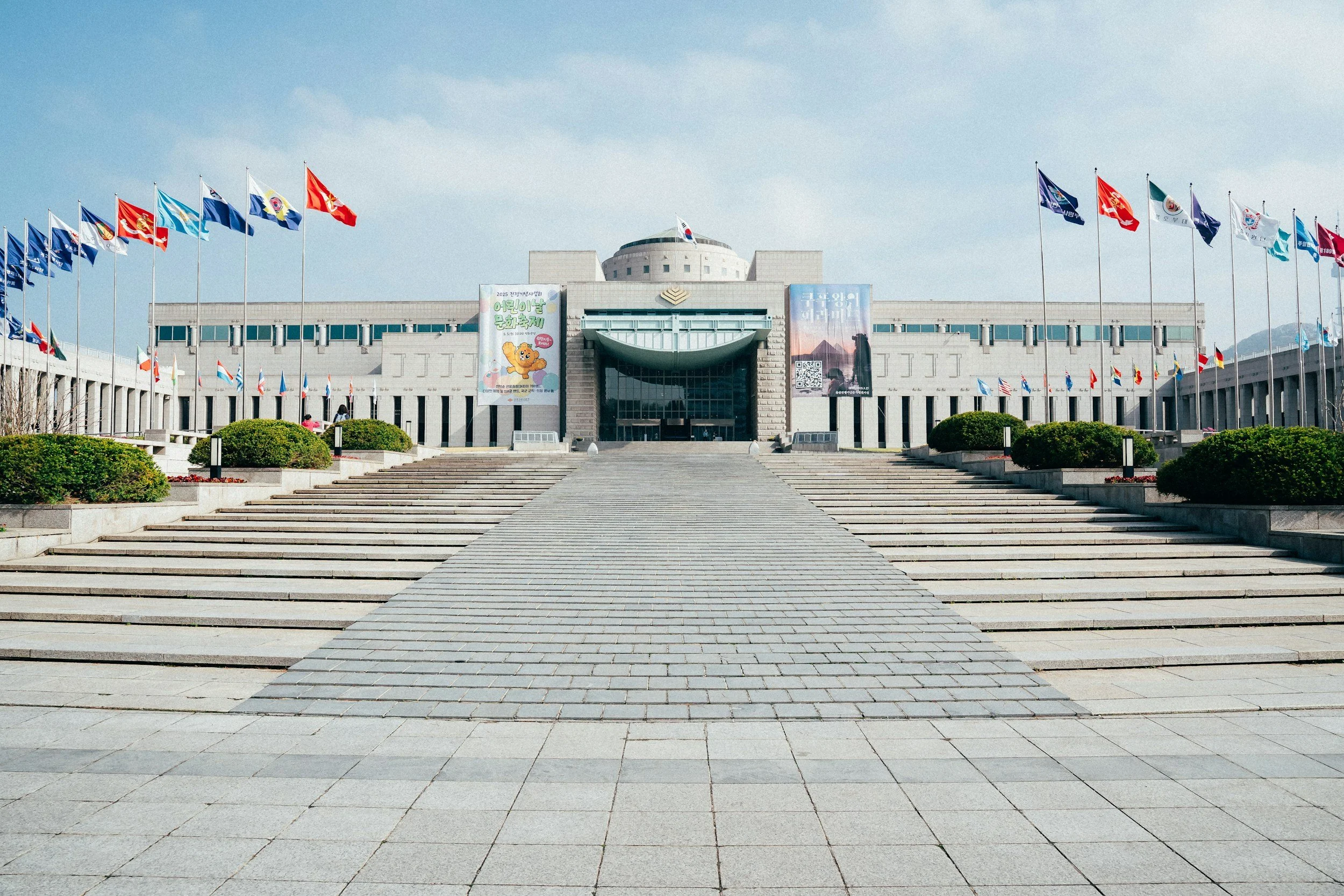
Day 4: Seoul – History, Culture, and a Final Night in the Capital
Morning
Dedicate your final day in Seoul to understanding the country’s modern history. The War Memorial of Korea offers one of the most comprehensive introductions to Korea’s past, covering everything from ancient conflicts to the Korean War.
The museum combines indoor exhibitions with an extensive outdoor collection of military equipment, aircraft, and historical displays. Even visitors without a particular interest in military history often find the exhibits engaging because they help explain many aspects of modern Korean society.
For travelers interested in contemporary history, a guided visit to the Demilitarized Zone (DMZ) can be a fascinating alternative. Located near the border between North and South Korea, the area remains one of the most unique political boundaries in the world.
Afternoon
Spend the afternoon at a slower pace. Seoul’s café culture is among the best in Asia, with countless independent coffee shops scattered throughout the city. Neighborhoods such as Seongsu-dong and Ikseon-dong have become particularly popular thanks to their blend of modern cafés, restored historic buildings, and creative local businesses.
This is also an ideal opportunity to revisit a favorite neighborhood or pick up any souvenirs before leaving the capital.
Evening
Enjoy one final evening in Seoul before tomorrow’s journey south.
Myeongdong remains a great choice for a final dinner, while the city’s countless restaurants offer everything from traditional Korean dishes to modern interpretations of local cuisine. As the streets fill with people and the city lights begin to glow, it’s easy to understand why Seoul consistently ranks among Asia’s most exciting destinations.
Tomorrow, you’ll leave the capital behind and travel to one of South Korea’s most historic cities: Gyeongju.
Day 5: KTX to Gyeongju – Discovering Korea’s Ancient Capital
Morning
After several days in Seoul, it’s time to experience a completely different side of South Korea.
Board a KTX high-speed train from Seoul Station to Singyeongju Station, a journey that takes around two hours. The train ride itself offers a glimpse of the Korean countryside, passing mountains, rivers, and smaller cities as you travel south.
Upon arrival, the atmosphere changes immediately. While Seoul is defined by skyscrapers and busy streets, Gyeongju moves at a much slower pace. Known as the ancient capital of the Silla Kingdom, the city served as the center of one of Korea’s most powerful dynasties for nearly a thousand years.
Often called “the museum without walls,” Gyeongju contains some of the country’s most important historical sites spread throughout everyday neighborhoods, parks, and hillsides.
Afternoon
Begin your exploration with Bulguksa Temple, one of South Korea’s most treasured cultural landmarks and a UNESCO World Heritage Site.
Originally constructed during the 8th century, the temple represents the height of Buddhist architecture during the Silla period. Stone staircases, elegant wooden halls, intricate carvings, and peaceful courtyards create an atmosphere that feels far removed from modern city life.
The temple was designed to symbolize the Buddhist vision of paradise, and many of its structures have survived centuries of conflict, reconstruction, and change.
From Bulguksa, continue to Seokguram Grotto, located high on the slopes of Mount Toham. The site houses a magnificent stone Buddha overlooking the East Sea and is considered one of the finest examples of Buddhist art in Asia.
The combination of religious significance, craftsmanship, and mountain scenery makes it one of South Korea’s most remarkable historical attractions.
Evening
Return to central Gyeongju and spend the evening exploring Hwangnidan-gil, one of the city’s most charming streets.
In recent years, many traditional hanok buildings have been transformed into cafés, bakeries, restaurants, and boutique shops while preserving their historic character. The result is a district that feels both modern and traditional at the same time.
As the crowds begin to thin, the area becomes particularly pleasant for an evening walk. Stop for coffee, browse local shops, or sample Gyeongju bread, a local pastry filled with sweet red bean paste that has become one of the city’s best-known specialties.
Day 6: Gyeongju – Royal Tombs and Ancient Astronomy
Morning
Today is dedicated to exploring the historical heart of the former Silla Kingdom. Start at the Daereungwon Tomb Complex, a large park containing the burial mounds of Silla kings, queens, and nobles. The grassy hills scattered throughout the landscape may appear natural at first glance, but each one hides an elaborate royal tomb beneath its surface.
Some of these burial sites date back more than 1,500 years and contain treasures that helped historians understand the wealth and sophistication of the Silla Kingdom. One of the most famous tombs, Cheonmachong, is open to visitors and displays artifacts discovered during archaeological excavations.
Walking through the park offers a fascinating reminder that much of Gyeongju’s history remains hidden beneath the ground.
Afternoon
Just a short walk away stands Cheomseongdae Observatory, one of the oldest surviving astronomical observatories in the world.
Built during the 7th century under Queen Seondeok, the structure demonstrates the advanced scientific knowledge possessed by the Silla Kingdom. Constructed from hundreds of carefully placed stones, it was used to observe the stars and track seasonal changes important for agriculture and governance.
Continue exploring nearby areas such as Gyochon Traditional Village, where restored hanok homes and quiet streets provide another glimpse into Korea’s architectural heritage.
The slower pace of Gyeongju encourages visitors to wander rather than rush from attraction to attraction.
Evening
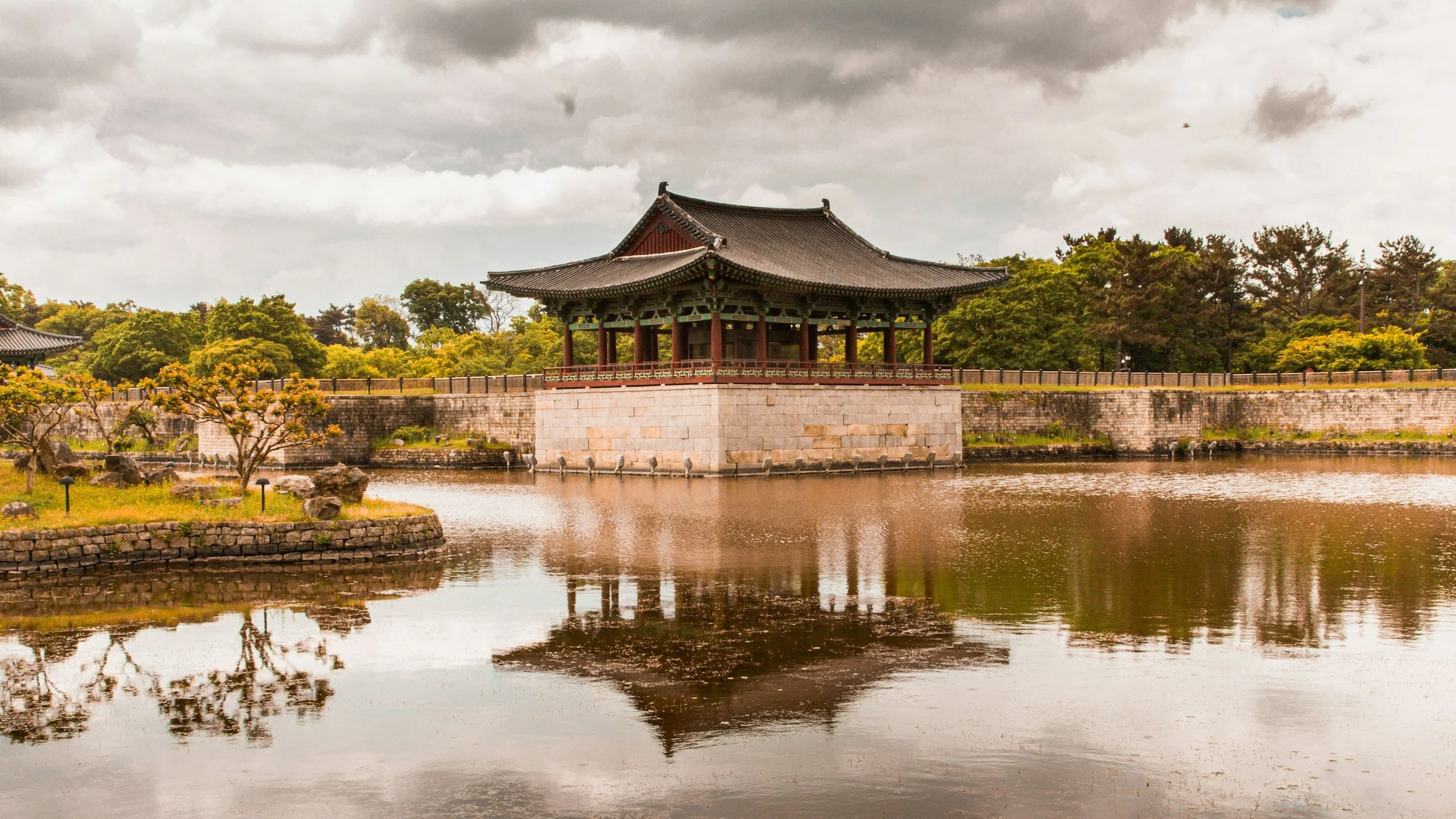
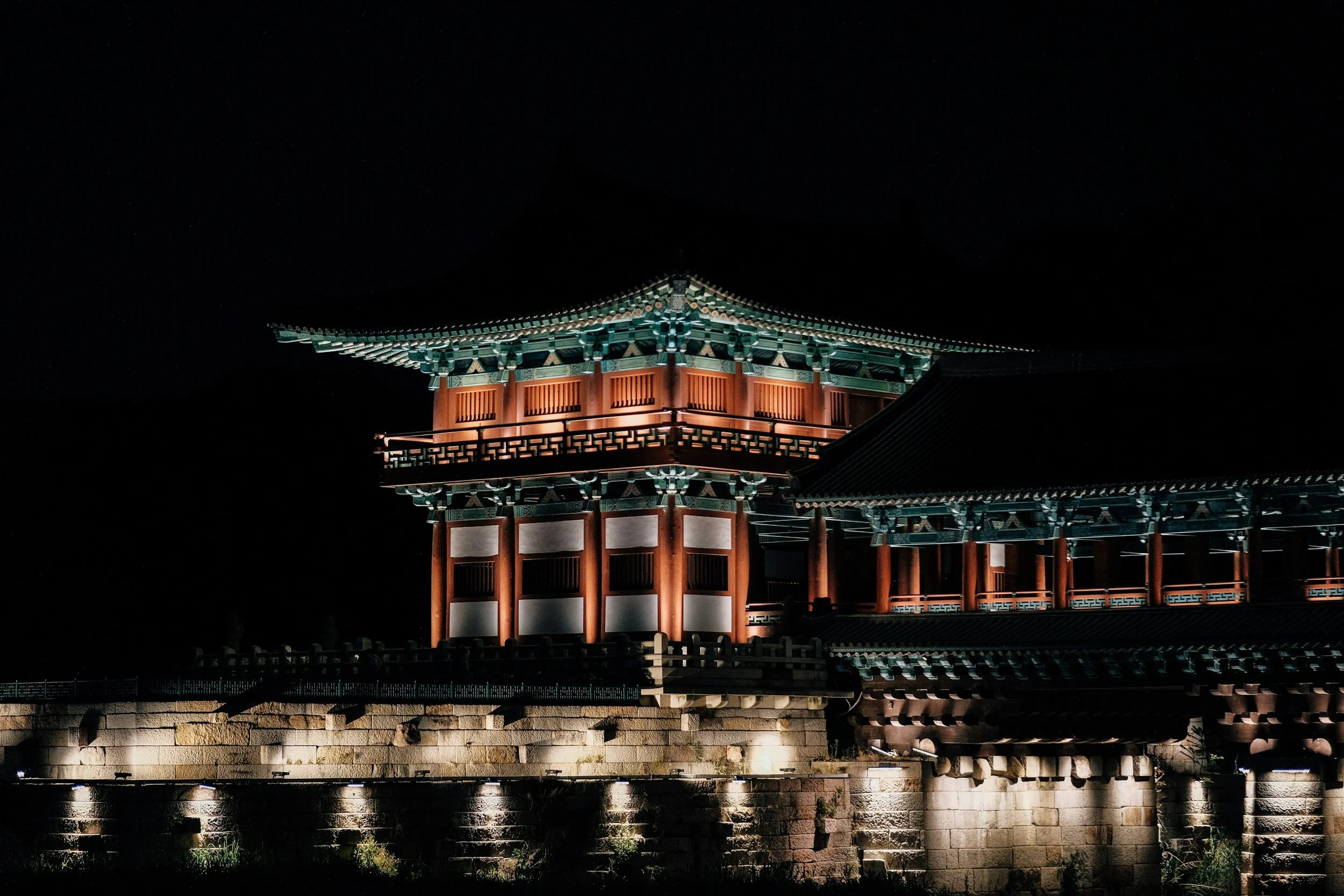
As sunset approaches, head to Donggung Palace and Wolji Pond, one of the most beautiful locations in South Korea after dark.
Originally built as part of a royal palace complex, the pond once hosted banquets and celebrations for Silla royalty. Although much of the original palace disappeared centuries ago, careful restoration has brought parts of the site back to life.
At night, illuminated pavilions reflect perfectly across the still water, creating one of the most photographed scenes in the country.
The atmosphere is peaceful, elegant, and unlike anything you’ll experience elsewhere on this itinerary.
Few places capture the beauty of Korea’s ancient past as effectively as Wolji Pond after sunset.
Day 7: Busan – South Korea’s Coastal Metropolis
Morning
A short KTX journey of around 30 minutes brings you from Gyeongju to Busan, South Korea’s second-largest city.
Where Seoul is defined by its scale and history, Busan is shaped by the sea. Mountains rise behind dense urban neighborhoods, beaches stretch along the coastline, and fishing traditions continue alongside modern development.
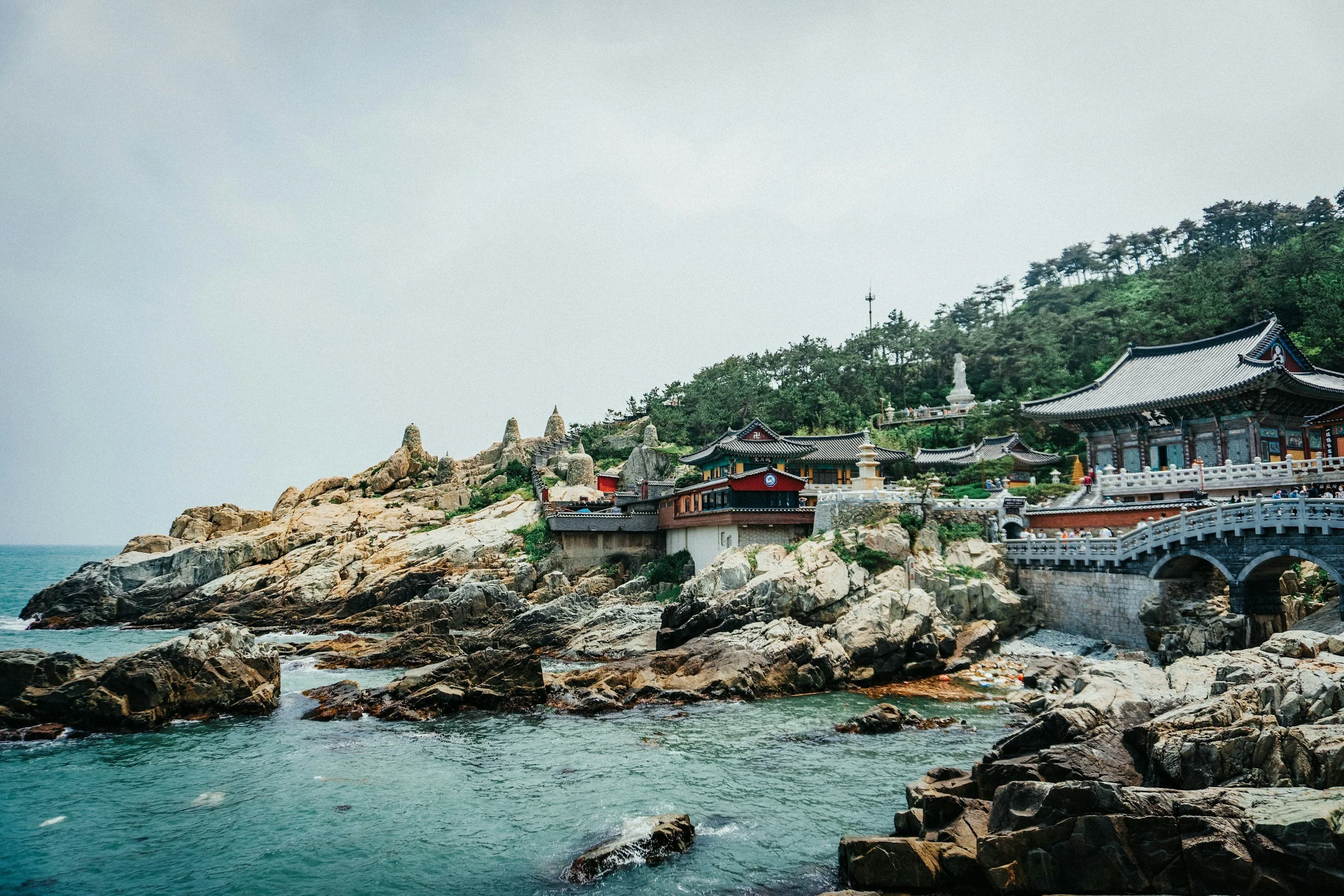
After checking into your accommodation, make your way to Haedong Yonggungsa Temple.
Unlike most Korean temples, which are typically hidden deep within mountain forests, Haedong Yonggungsa sits directly on the coastline. Founded during the 14th century, the temple overlooks rocky cliffs where waves crash against the shore below.
The dramatic setting makes it one of the most unique religious sites in the country.
Stone lanterns, statues, and temple halls are connected by staircases that wind through the complex, while ocean views appear around nearly every corner.
Afternoon
Continue to Gamcheon Culture Village, one of Busan’s most recognizable neighborhoods.
The area began as a hillside settlement built by refugees during the Korean War. For decades it remained a modest residential district until large-scale art projects transformed it into a colorful cultural destination.
Today, brightly painted houses cover the hillsides, connected by narrow alleyways, murals, galleries, and cafés.
The village rewards exploration. Around almost every corner you’ll find viewpoints overlooking the city, public art installations, or small local businesses hidden within the maze-like streets.
Evening
Spend your evening at Gwangalli Beach, one of Busan’s most popular waterfront districts.
The beach offers spectacular views of the illuminated Gwangan Bridge, which stretches across the bay and creates one of the city’s most iconic nighttime scenes.
Restaurants, cafés, and bars line the waterfront, making it an excellent place to relax after a day of sightseeing. Whether you choose fresh seafood, Korean barbecue, or simple street food, the combination of ocean views and city lights creates a memorable introduction to Busan.
For many visitors, this is where they truly begin to appreciate South Korea’s coastal character.
Day 8: Busan – Beaches, Markets, and Coastal Views
Morning
Start the day with one of Busan’s most popular attractions: the Haeundae Blueline Park Sky Capsule.
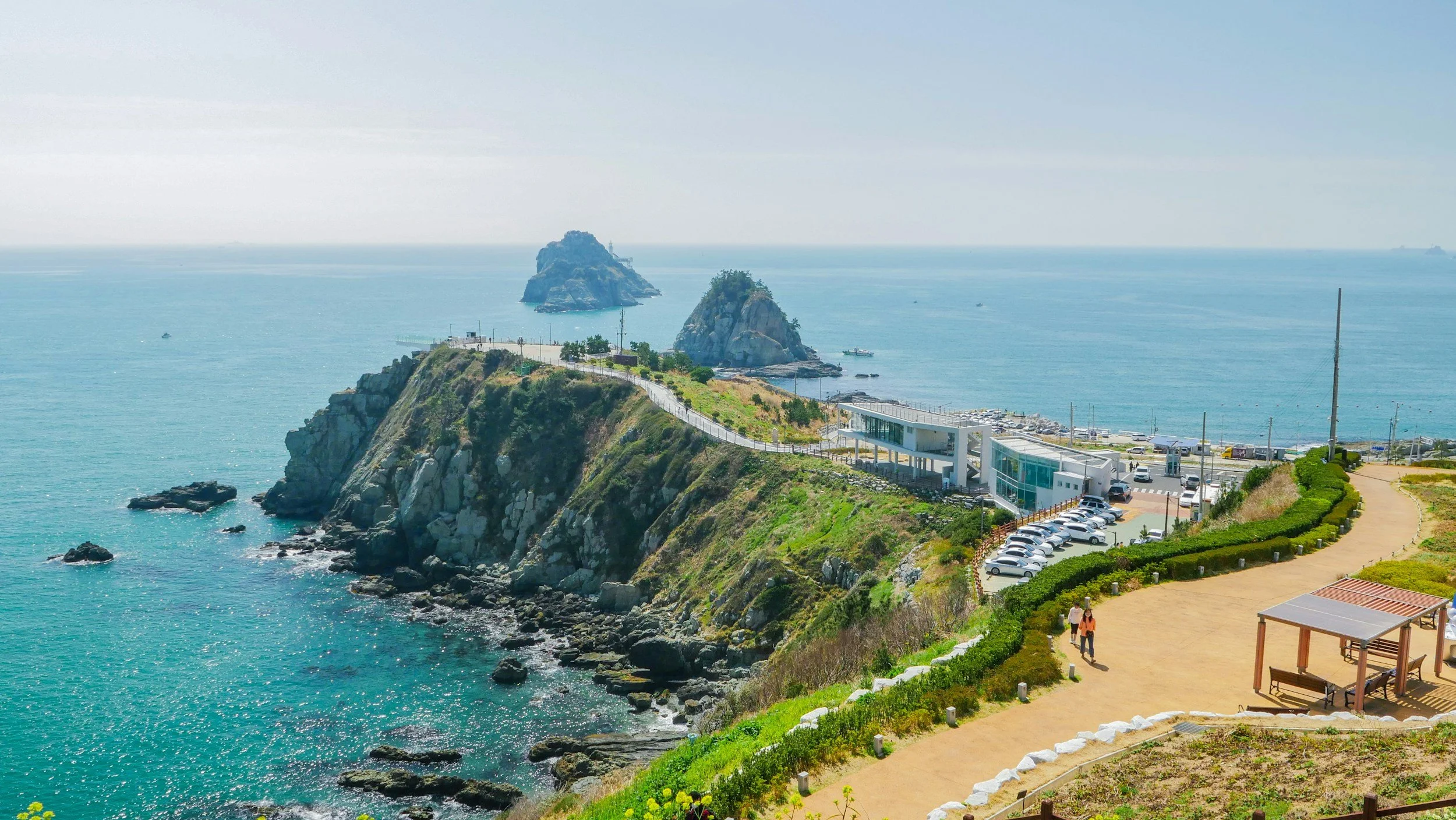
These colorful carriages travel slowly above the coastline, offering panoramic views of the sea and surrounding cliffs. The route between Mipo and Cheongsapo has become one of the city’s most photographed experiences, particularly on clear days when the ocean stretches endlessly into the distance.
The journey itself is relatively short, but the scenery makes it one of the highlights of any visit to Busan.
Afternoon
Afterwards, spend time at Haeundae Beach, South Korea’s most famous beach destination.
Although the beach becomes particularly busy during summer, its wide shoreline and surrounding cafés make it enjoyable throughout much of the year. The nearby waterfront area is ideal for a leisurely lunch or an afternoon walk.
Later, head to Jagalchi Market, Korea’s largest seafood market and one of Busan’s most important cultural landmarks.
For generations, fishermen have brought their daily catch here, creating a lively environment filled with tanks of live seafood, market stalls, and restaurants. Visitors can select seafood directly from vendors and have it prepared on-site.
The market provides a fascinating look into Busan’s long relationship with the sea.
Evening
For your final night in Busan, consider exploring Seomyeon, often regarded as the city’s downtown entertainment district.
The area offers a more local atmosphere than the beachfront neighborhoods, with countless restaurants, shopping streets, and cafés packed into a compact area.
It’s the perfect place to enjoy one last evening on the mainland before continuing to South Korea’s most unique island destination tomorrow.
Day 9: Jeju Island – Volcanic Landscapes and Coastal Roads
Morning
After breakfast, make your way to Gimhae International Airport for the short flight to Jeju Island. The journey takes around an hour, but the change in scenery feels much greater.
Often referred to as the “Hawaii of South Korea,” Jeju has a distinct identity shaped by volcanic activity, strong coastal traditions, and a slower pace of life. While Seoul, Gyeongju, and Busan are connected by rail, Jeju is best explored by car. Renting a vehicle upon arrival gives you the flexibility to discover the island’s beaches, volcanic formations, and countryside at your own pace.
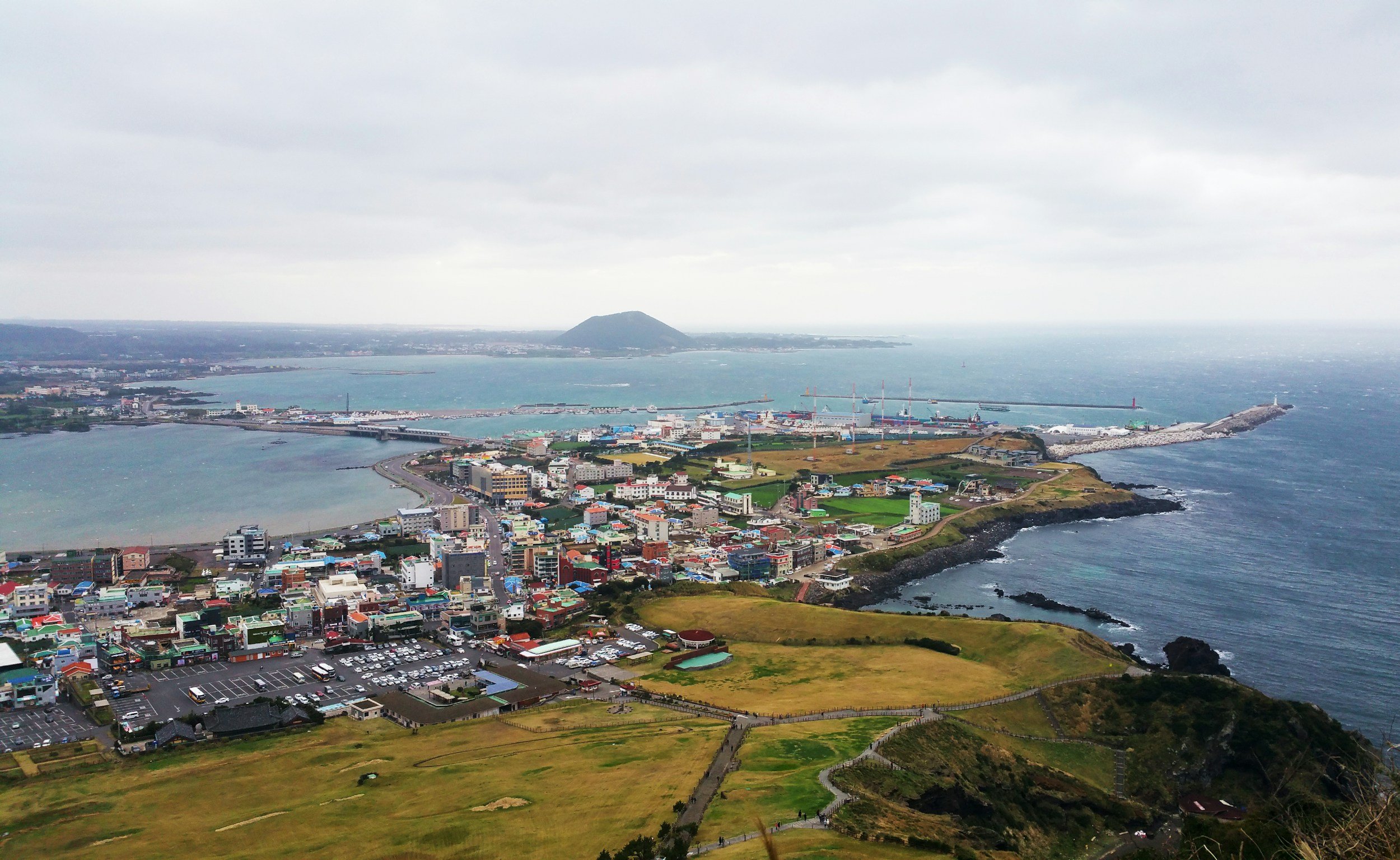
Begin your visit at Seongsan Ilchulbong, also known as Sunrise Peak. Formed by a volcanic eruption thousands of years ago, the crater rises dramatically from the sea on the island’s eastern coast. The relatively short climb to the top rewards visitors with sweeping views across the coastline and surrounding countryside.
At the base of the peak, you may also encounter the haenyeo, Jeju’s famous female free-divers. For generations, these women have harvested seafood from the ocean without the use of oxygen tanks, becoming one of the island’s most important cultural symbols.
Afternoon
Continue along Jeju’s eastern coastline, one of the most scenic drives in South Korea. The route passes small fishing villages, black volcanic beaches, and stretches of countryside that feel far removed from the country’s major cities.
Make your way toward Seogwipo, Jeju’s second-largest city and a convenient base for exploring the southern part of the island. Along the way, stop at viewpoints and coastal cafés that overlook the sea.
Once in Seogwipo, visit either Cheonjiyeon Waterfall or Jeongbang Waterfall. While many waterfalls eventually flow into rivers or lakes, Jeongbang is particularly unusual because its waters plunge directly into the ocean, creating one of Jeju’s most distinctive natural attractions.
Evening
Jeju has developed a food culture all its own, and tonight is the perfect opportunity to experience it.
The island is famous for Jeju black pork, a local specialty known for its rich flavor and tenderness. Fresh seafood is equally popular, particularly dishes featuring abalone, squid, and hairtail fish caught in the surrounding waters.
After dinner, take a walk along the coast before returning to your accommodation. Compared with the energy of Seoul and Busan, Jeju feels noticeably calmer, offering a refreshing change of pace before the final day of the trip.
Day 10: Jeju – Hallasan National Park and the Island’s West Coast
Morning
For your final day in South Korea, head toward Hallasan National Park.
Rising 1,947 meters above sea level, Hallasan is South Korea’s highest mountain and dominates the center of Jeju Island. The volcano shaped much of the landscape visitors see today, from the island’s lava tubes to its dramatic coastline.
While reaching the summit requires a full-day hike, shorter trails allow visitors to experience the mountain’s scenery without committing to the entire ascent. Routes such as Eorimok and Yeongsil pass through forests, volcanic terrain, and panoramic viewpoints that showcase the island’s natural beauty.
The cooler temperatures and quieter atmosphere make Hallasan a pleasant contrast to the busy cities visited earlier in the trip.
Afternoon
Spend the afternoon exploring Jeju’s western coast.
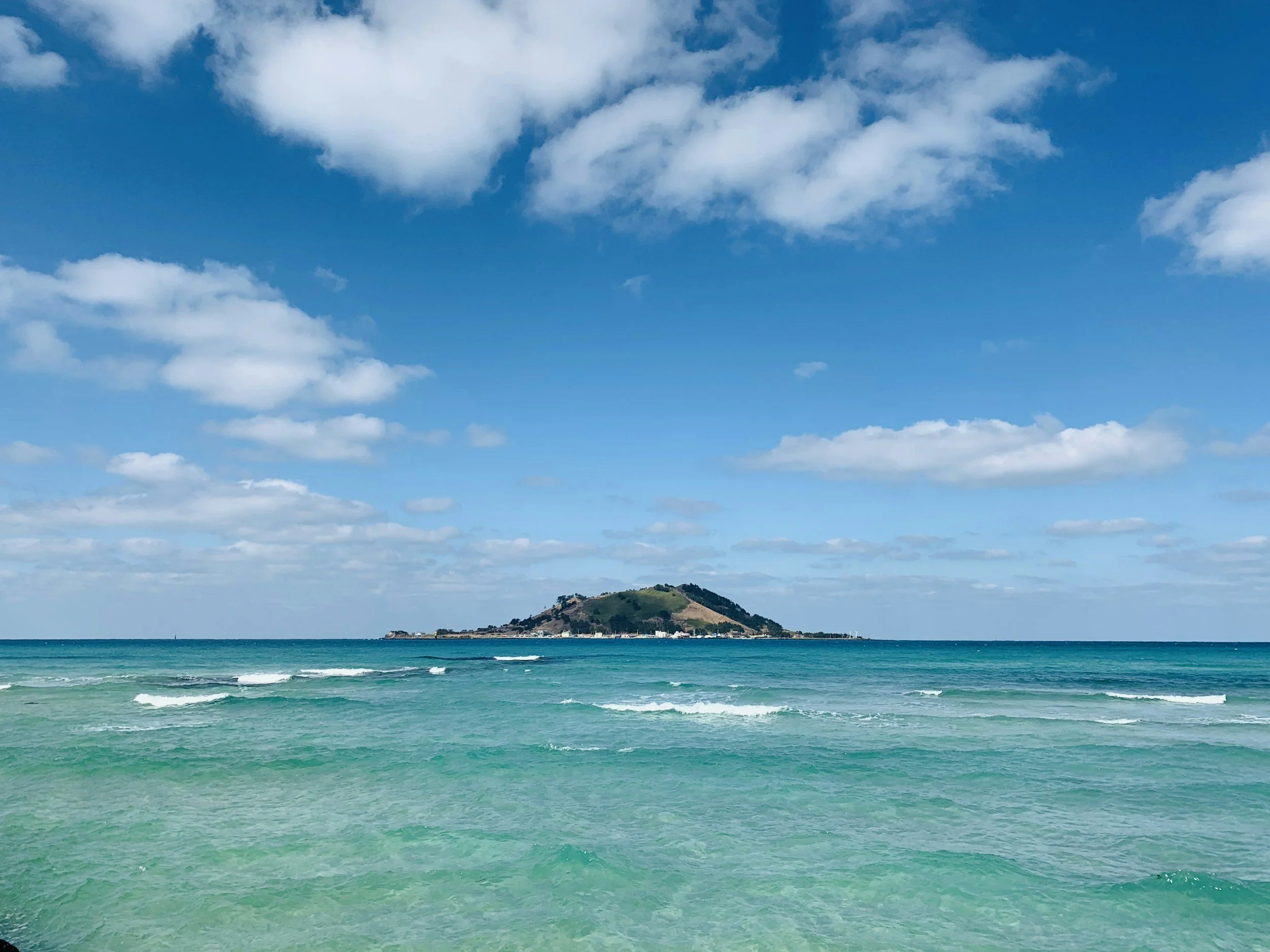
Hyeopjae Beach is one of the island’s most beautiful stretches of shoreline, known for its white sand and remarkably clear water. On a sunny day, the turquoise sea can feel more reminiscent of a tropical island than mainland East Asia.
Nearby, Hallim Park combines botanical gardens, walking trails, and lava caves, offering another opportunity to experience Jeju’s unique volcanic environment.
This part of the island feels more relaxed and spacious than the eastern coast, making it an ideal place to slow down and enjoy the final hours of your journey.
Evening
As your trip comes to an end, return your rental car and head to the airport for your departure flight. Depending on your travel plans, you may fly back to Seoul for an international connection or continue directly to another destination.
Ten days may seem like a short time, but few countries offer such variety within a relatively compact area. From Seoul’s royal palaces and vibrant neighborhoods to Gyeongju’s ancient heritage, Busan’s coastal energy, and Jeju’s volcanic landscapes, every destination reveals a different side of South Korea.
Top Tips for Your South Korea Itinerary
A few practical tips can make your trip smoother:
Download Naver Map or KakaoMap before arriving. Google Maps has limited functionality in South Korea, particularly for public transportation and walking directions.
Purchase a T-money card upon arrival. It works across metros, buses, and many taxis throughout the country.
Book KTX train tickets in advance if traveling during weekends or public holidays, as popular routes can sell out.
Carry a portable power bank. Navigation, translation, and transportation apps are likely to be used throughout the day.
If renting a car in Jeju, bring an International Driving Permit alongside your home driver’s license.
Leave extra time for flights to and from Jeju, particularly during periods of strong winds when delays occasionally occur.
5-Day and 7-Day South Korea Itinerary Alternatives
Not everyone has ten days to spend in South Korea, but shorter trips can still cover many of the country’s highlights.
A seven-day itinerary works well with four nights in Seoul, one night in Gyeongju, and two nights in Busan. This route allows visitors to experience royal palaces, traditional neighborhoods, ancient historical sites, and coastal scenery without feeling overly rushed.
For a five-day trip, focus on Seoul and Busan. Spending three nights in Seoul and two nights in Busan provides a balanced introduction to both modern and traditional South Korea while minimizing travel time between destinations.
Travelers with two weeks or more can expand the itinerary further by adding destinations such as Jeonju, known for its preserved hanok village and food culture, or Sokcho, the gateway to Seoraksan National Park.
A Journey Through Four Different Koreas
One of the most remarkable things about South Korea is how dramatically each destination differs from the last.
Seoul introduces visitors to a fast-moving global capital where royal palaces stand beside skyscrapers. Gyeongju reveals a thousand years of history through royal tombs, temples, and ancient observatories. Busan offers beaches, seafood markets, and coastal temples shaped by life beside the sea. Finally, Jeju presents a completely different landscape of volcanic peaks, waterfalls, and quiet fishing villages.
Together, these four destinations create an itinerary that captures the diversity of modern South Korea while providing an unforgettable introduction to one of Asia’s most fascinating countries.
✍️ This blog was written by Olivia.
