

The Split-Day Travel Method: How to Explore Europe During an August Heatwave
Europe in August can feel like two completely different destinations.
At 8:00 in the morning, the streets are quiet, the light is soft and you can reach the city’s biggest sights before the queues appear. By 2:00 in the afternoon, those same streets may be crowded, intensely hot and exhausting to navigate.
Trying to sightsee continuously from breakfast until dinner is rarely the best approach during a heatwave. Instead, restructure your day around the temperature.
The split-day travel method divides your sightseeing into two active periods: one in the morning and another in the evening. During the hottest part of the afternoon, you pause for lunch, rest or visit somewhere cool indoors.
You still experience the destination. You simply stop treating midday as the most important part of the day.
✍️ Olivia · August 4 2026

What Is the Split-Day Travel Method?
A conventional sightseeing day might begin around 10:00 and continue until 18:00. Unfortunately, that schedule places most of your walking during the hottest and busiest hours.
A split day looks different:
07:00–11:00: Outdoor sightseeing and high-priority attractions
11:00–15:30: Lunch, indoor attractions or a return to your accommodation
15:30–18:00: Rest and reset
18:00–22:30: Evening sightseeing, dinner and local activities
These times are only a starting point. Check the hourly forecast, local heat alerts and attraction schedules each day. On exceptionally hot days, the safer outdoor window may end earlier or begin much later.
The idea is simple: match your itinerary to the weather instead of forcing your body to follow a fixed itinerary.
Why Split Days Work So Well in August
Europe’s August heat is not merely uncomfortable. It can affect your energy, concentration and health—particularly when combined with long walks, limited shade and insufficient water.
The World Health Organization recommends avoiding strenuous activity during the hottest part of the day and, when possible, spending two or three hours in a cool place. The split-day method builds this advice directly into your travel schedule.
It also offers several practical advantages.
You reach popular attractions before the crowds
Major squares, historic centres and famous viewpoints are often calmer early in the morning. You may also spend less time waiting outside in direct sunlight.
You experience local evening life
In warmer European destinations, public life often continues well after sunset. Squares fill up, restaurants become livelier and waterfront promenades feel more comfortable.
You take better photographs
The softer light after sunrise and before sunset is generally more flattering than the harsh overhead light of midday.
You make fewer heat-induced decisions
When people are overheated and tired, even simple choices—where to eat, which train to take or whether to walk another kilometre—can become frustrating. A planned afternoon pause gives everyone time to recover.
A Practical Split-Day Schedule
Here is how to structure each part of your day.
07:00–08:00: Start before the city gets busy
Wake up earlier than you normally would on holiday. Drink water, eat a light breakfast and check the hourly forecast before leaving.
This is a good time to visit:
Famous squares and monuments
Outdoor viewpoints
Historic neighbourhoods
Markets that open early
Popular photo locations
Parks and waterfronts
Place the outdoor location you care about most at the beginning of the day. Do not save it for later and assume the temperature will remain manageable.
08:00–11:00: Complete your main sightseeing block
Use the rest of the morning for one major attraction or a compact walking route. Avoid crossing the entire city repeatedly. Select places within the same neighbourhood and move between them efficiently.
For example, a morning in Rome could include the Trevi Fountain, the Spanish Steps and Villa Borghese rather than several attractions spread across opposite sides of the city.
Reserve timed tickets when possible. Standing in a ticket queue under direct sun defeats the purpose of starting early.
11:00–13:00: Move indoors
As the temperature rises, switch to an indoor activity such as:
A museum or gallery
A long lunch
A covered food market
A historic church
A library or cultural centre
A workshop or cooking class
Do not assume that every indoor attraction will be cool. Many historic buildings have limited air conditioning, so check recent visitor reviews when extreme temperatures are forecast.
13:00–16:00: Take the midday pause seriously
Return to your hotel or apartment if it is convenient. Close the curtains, shower, refill your water bottles and rest.
This is not wasted holiday time. It is what allows you to enjoy the evening rather than reaching dinner exhausted.
If returning to your accommodation would require a long journey, find a reliable cool space nearby. Some European cities operate designated climate shelters in places such as libraries, civic centres and public buildings during periods of extreme heat.
Use the afternoon pause to:
Take a nap
Back up your photographs
Plan the following day
Make reservations
Wash and change clothes
Recharge your phone and power bank
Check local transport disruptions or heat alerts
16:00–18:00: Reset without rushing
Have a light snack and reassess the temperature. Sunset does not automatically mean cool weather, particularly after several consecutive hot days.
If conditions remain uncomfortable, delay your second sightseeing block. Your evening plans should remain flexible.
18:00–22:30: Explore the city after the heat eases
Evening is ideal for activities that do not depend on conventional museum opening hours:
River and waterfront walks
Sunset viewpoints
Evening food tours
Open-air cinemas
Night markets
Late-opening museums
Outdoor performances
Illuminated monuments
Dinner in a residential neighbourhood
Check the final return times for buses, trains and ferries before heading out. Reduced late-night transport can turn an enjoyable evening into an expensive taxi ride.
How to Build a Heat-Smart Itinerary
A good split day is not just a normal itinerary with a nap added. Each activity should be assigned to the safest and most comfortable time.
Step 1: Mark the non-movable activities
Start with reservations, transport departures and attractions that have limited opening hours.
Step 2: Identify exposed outdoor activities
Mark viewpoints, archaeological sites, long walking tours, beaches and large public squares. Schedule these as early as possible.
Step 3: Create an indoor backup list
Choose at least two nearby indoor alternatives for each day. This prevents you from desperately searching for somewhere cool when the temperature rises.
Step 4: Check distances, not just attractions
A route containing only three sights can still be exhausting if they are several kilometres apart. Group your itinerary by neighbourhood and use public transport between distant areas.
Step 5: Protect the midday gap
Do not fill your rest period simply because there appears to be space in the schedule. Treat it as a real appointment.
What to Carry on a Hot Sightseeing Day
Keep your day bag light, but include the essentials:
A refillable water bottle
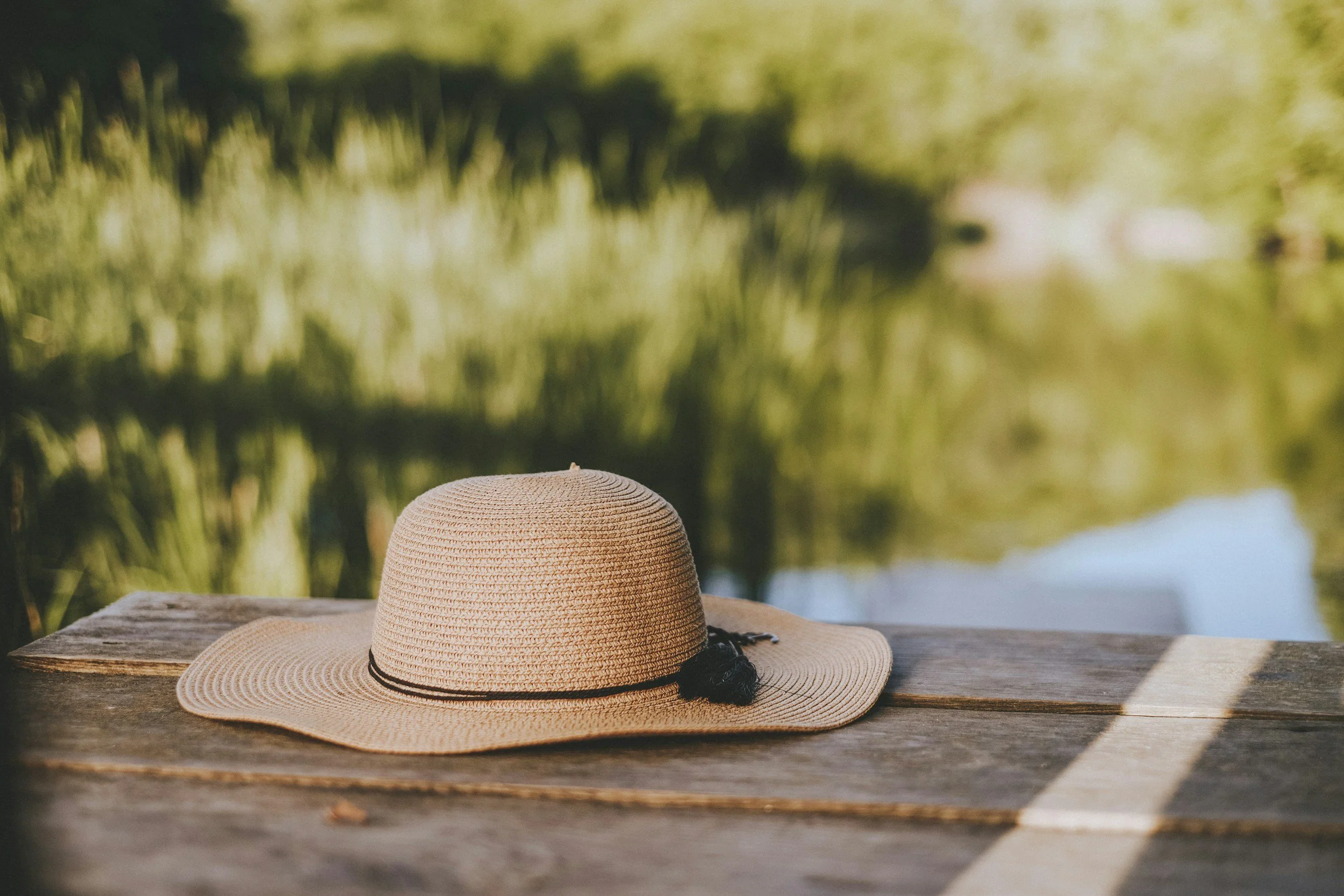
A sun hat with good coverage
Sunglasses
Broad-spectrum sunscreen
Light, loose-fitting clothing
A small snack
Any essential medication
Oral rehydration products if medically appropriate for you
A power bank
A lightweight layer for strongly air-conditioned interiors
A reusable water bottle is useful only if you know where it can be refilled. Save public fountains and refill points on your map before leaving your accommodation.
Avoid carrying a heavy backpack for hours. The extra weight and reduced airflow across your back can make walking less comfortable.
Common Split-Day Mistakes
Starting the morning too late
Leaving at 10:30 gives you little time before the strongest midday heat. If you want a slow morning, schedule it on a museum-focused day rather than an outdoor sightseeing day.
Scheduling a long journey during the break
A 45-minute trip back to your hotel may expose you to more heat than staying near the attraction. Select accommodation carefully or identify a nearby indoor alternative.
Assuming every hotel has effective air conditioning
“Air-conditioned” can mean different things. Read recent summer reviews and check whether cooling is available throughout the building, individually controlled or restricted to certain hours.
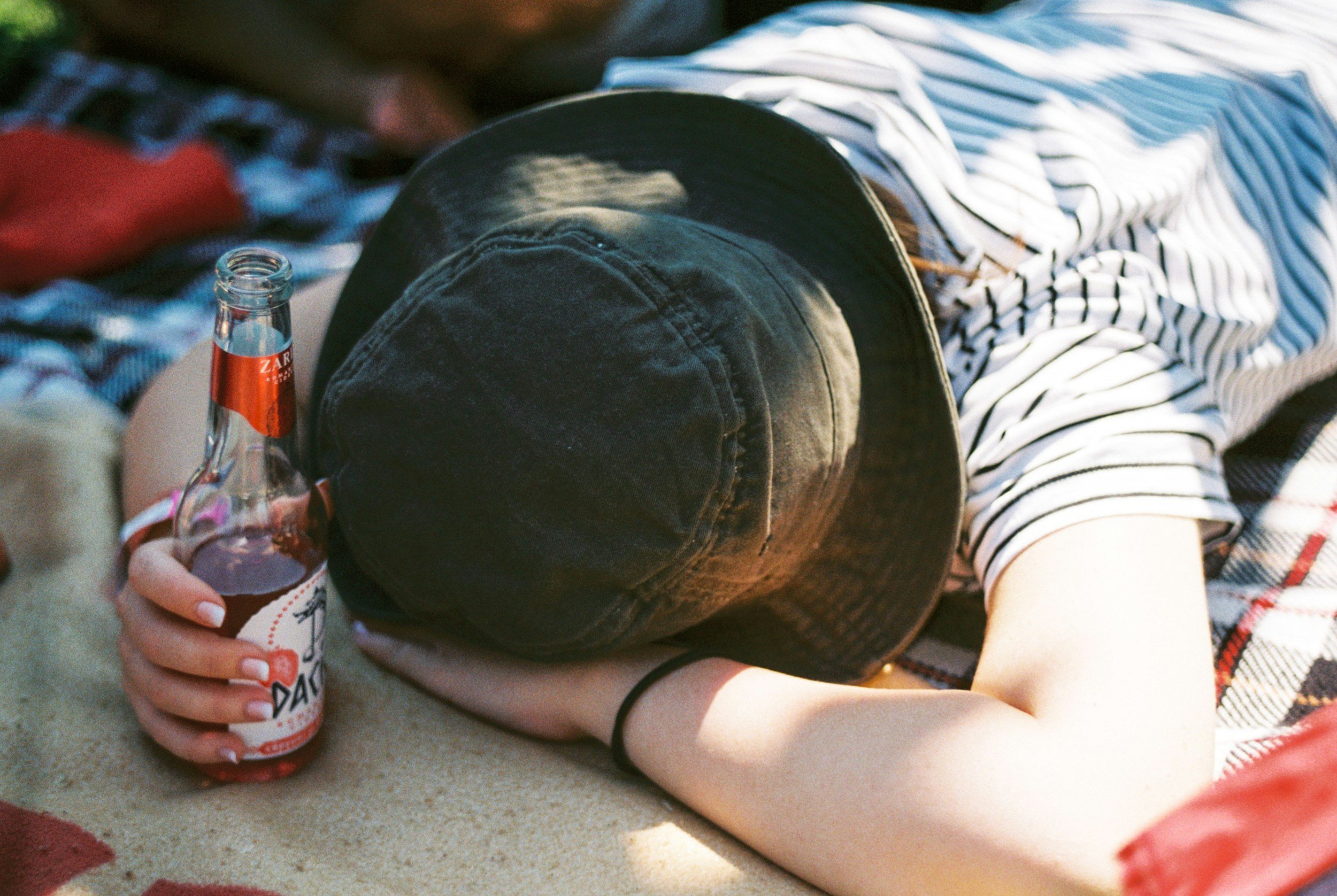
Drinking heavily at lunch
Alcohol can contribute to dehydration and may leave you feeling more tired during the second half of the day. Save it for later or alternate alcoholic drinks with water.
Booking every hour in advance
Heatwaves can affect transport, opening hours and your energy levels. Leave enough flexibility to shorten, move or cancel an activity.
Ignoring warm nights
Several hot nights in a row can make it harder for the body to recover. If you sleep badly, reduce the following day’s walking rather than trying to compensate with more caffeine.
Recognising Heat Exhaustion and Heatstroke
Heat exhaustion may include:
Dizziness or headache
Unusual tiredness
Nausea or vomiting
Heavy sweating
Pale or clammy skin
Muscle cramps
Strong thirst
Irritability
Move the affected person to a cool place, remove unnecessary clothing, cool their skin and provide fluids if they are conscious and able to drink. Stay with them and monitor their condition.
Heatstroke is a medical emergency. Warning signs can include confusion, poor coordination, seizure, loss of consciousness, very high body temperature, rapid breathing or hot skin that is not sweating.
Call the local emergency number immediately if heatstroke is suspected. 112 works throughout the European Union and in many other European countries. Do not leave the person alone while waiting for help.
People who are older, pregnant, very young, living with chronic health conditions or taking certain medications may face a greater risk during extreme heat. Speak to a qualified medical professional about personal precautions before travelling.
Is the Split-Day Method Right for Every Trip?
It works particularly well for city breaks, cultural trips and destinations where evening life is part of the experience.
It may be less practical when:
Your accommodation is far outside the centre
The attraction only offers midday admission
You are taking a full-day guided tour
Local transport stops early
Your plans involve a remote hiking route
In those situations, modify the method rather than abandoning it. Replace the hotel break with an indoor lunch, shorten the outdoor portion or move the activity to a cooler day.
Most importantly, a split-day schedule is not permission to continue sightseeing through dangerous conditions. If local authorities issue severe heat or wildfire warnings, follow their instructions and change your plans.
Frequently Asked Questions
What time should I stop sightseeing during a European heatwave?
There is no single safe time for every city or every traveler. Check the hourly forecast and local alerts. As a general planning framework, aim to finish strenuous outdoor sightseeing before late morning and resume only when conditions have eased.
Is sightseeing after sunset always safer?
Temperatures usually decline in the evening, but city streets can retain heat and humid conditions may remain uncomfortable. Check the actual temperature rather than relying only on sunset time.
Should I drink only when I feel thirsty?
WHO guidance recommends drinking water regularly during hot weather. Individual fluid needs vary, and travelers with conditions affecting their fluid intake should follow medical advice.
Can I use a café as my afternoon cooling stop?
Yes, provided it is genuinely cool and you are prepared to purchase something. Libraries, museums, shopping centres and official climate shelters may offer more dependable alternatives.
Does this method work when travelling with children?
It can work especially well for families because it protects nap and rest time. However, children can be particularly vulnerable to heat, so plans should remain flexible and outdoor exposure should be kept conservative.
The Bottom Line
You do not need to defeat the August heat to enjoy Europe. You need to plan around it.
Explore early, retreat before the most intense part of the day and return when the city becomes comfortable again. You may see fewer attractions in a single block, but you are more likely to remember them for the right reasons.
Use Trippl to organise morning and evening activities separately, keep indoor alternatives close at hand and adjust your route as conditions change.
Travel slower during the hottest hours—and enjoy more of the hours that actually feel good.
This article provides general travel information and is not a substitute for medical advice. Always follow current guidance from local authorities and health professionals.
✍️ This blog was written by Olivia.
