

12 Streets Every Traveler Should Walk Once
Some streets are simply roads. Others become the highlight of an entire trip. From colourful waterfronts and historic boulevards to lively shopping avenues and centuries-old alleyways, these are 12 streets every traveler should experience at least once.
Every great city has that one street everyone remembers. Sometimes it’s because of its history, sometimes because of its architecture, and sometimes simply because of the atmosphere. These are the places where locals meet for coffee, musicians perform on street corners, markets come to life, and visitors get their first real taste of a destination.
Whether you’re planning your next adventure or simply looking for travel inspiration, these iconic streets deserve a place on your bucket list.
✍️ Noah · July 10, 2026

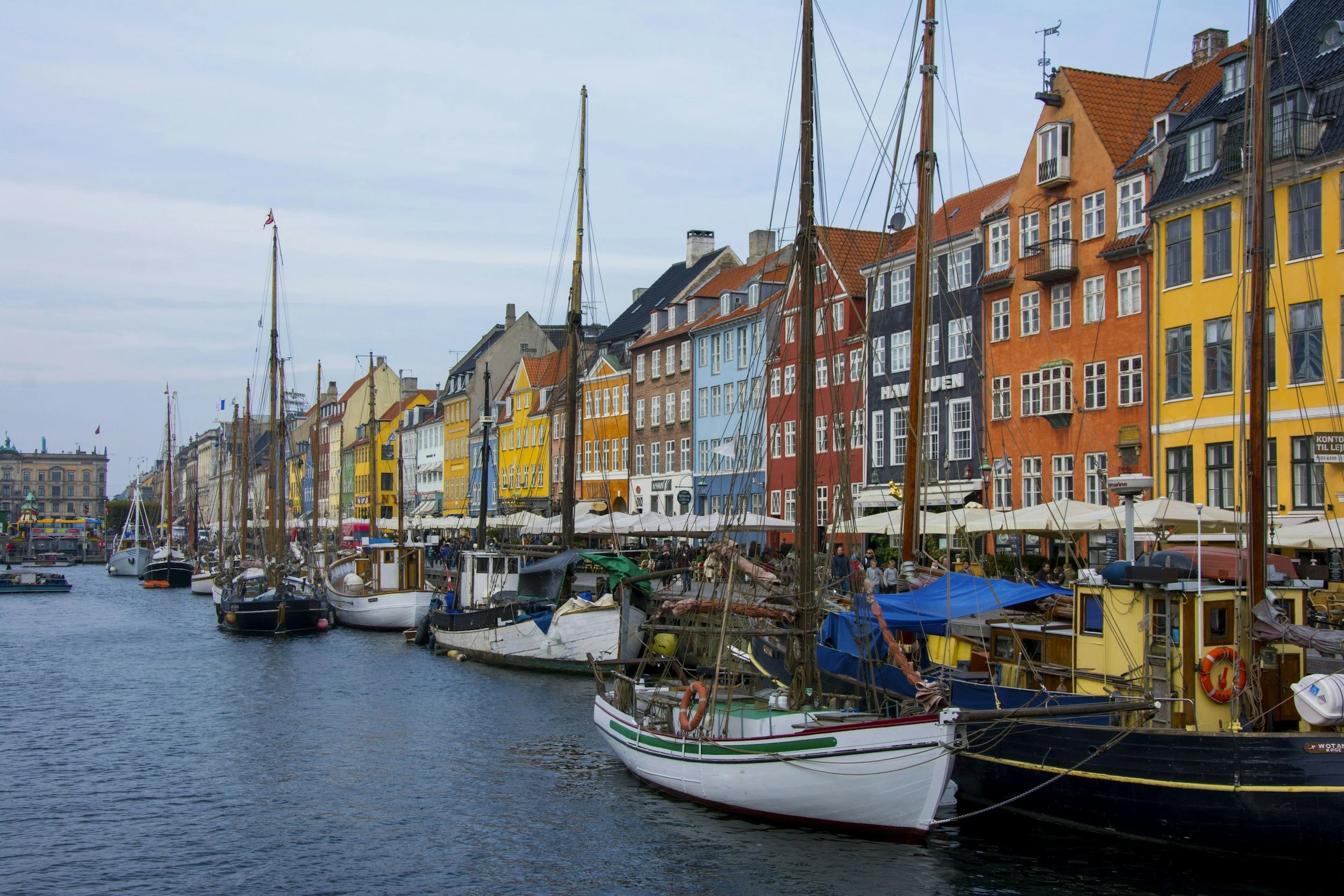
1. Nyhavn — Copenhagen, Denmark
No street captures Copenhagen’s charm quite like Nyhavn. Lined with brightly coloured 17th-century townhouses, historic wooden ships and bustling cafés, this picturesque waterfront has become one of the most photographed places in Scandinavia.
Originally built as a busy commercial harbour where sailors and merchants gathered, Nyhavn has transformed into one of Europe’s most inviting promenades. Today, visitors come to enjoy outdoor dining, canal cruises and the relaxed Danish atmosphere while watching boats drift through the harbour.
Whether you visit on a sunny summer afternoon or beneath Christmas lights in winter, Nyhavn perfectly captures the cosy feeling the Danes call hygge.
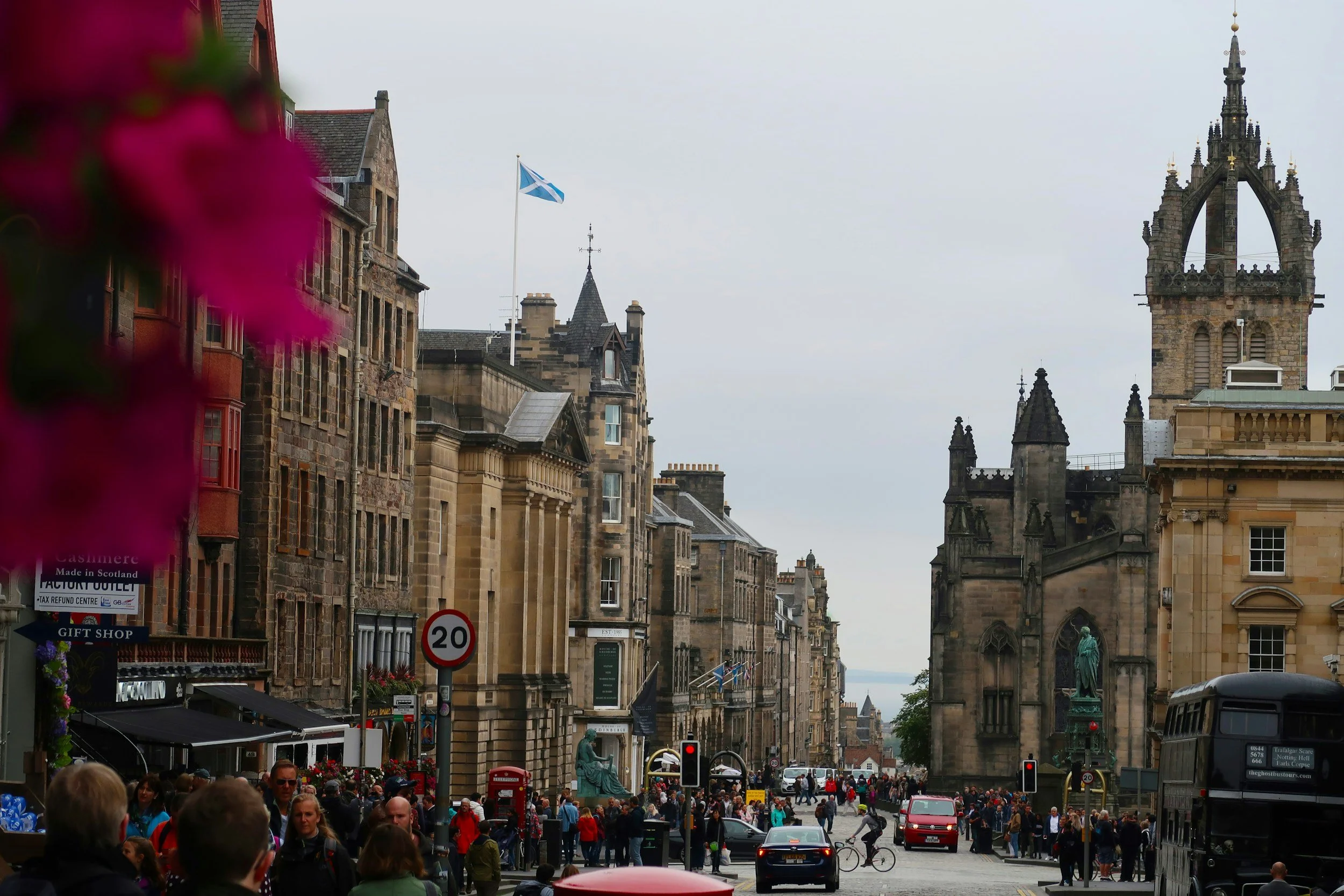
2. Royal Mile — Edinburgh, Scotland
Stretching between Edinburgh Castle and the Palace of Holyroodhouse, the Royal Mile is the historic backbone of Scotland’s capital. Every section of this medieval street tells a different story, from ancient closes and hidden courtyards to centuries-old pubs and Gothic architecture.
Street performers, bagpipers and independent shops give the Royal Mile its lively character throughout the year, while the Edinburgh Festival transforms it into one giant open-air stage every August.
Take time to step into the narrow alleyways branching off the main street—you’ll discover some of Edinburgh’s oldest buildings and its best hidden viewpoints.
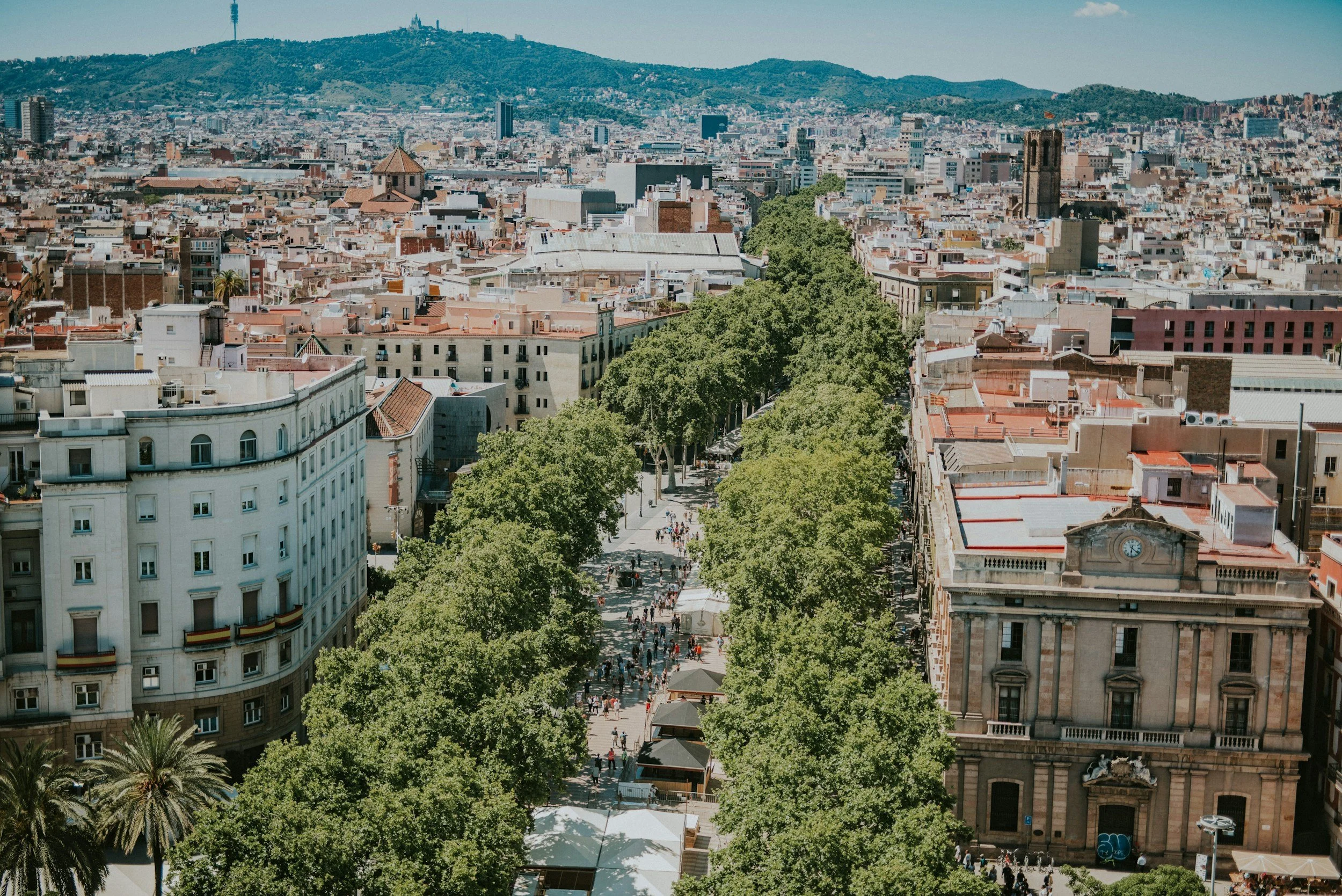
3. Las Ramblas — Barcelona, Spain
Running from Plaça de Catalunya to the Mediterranean, Las Ramblas is one of Europe’s most famous boulevards. The wide pedestrian avenue is constantly alive with flower stalls, artists, musicians, cafés and visitors from around the world.
Along the way you’ll pass attractions such as La Boqueria Market, the Gran Teatre del Liceu and countless side streets leading into Barcelona’s Gothic Quarter.
Although it’s one of the city’s busiest areas, Las Ramblas remains an essential first walk for anyone visiting Barcelona.
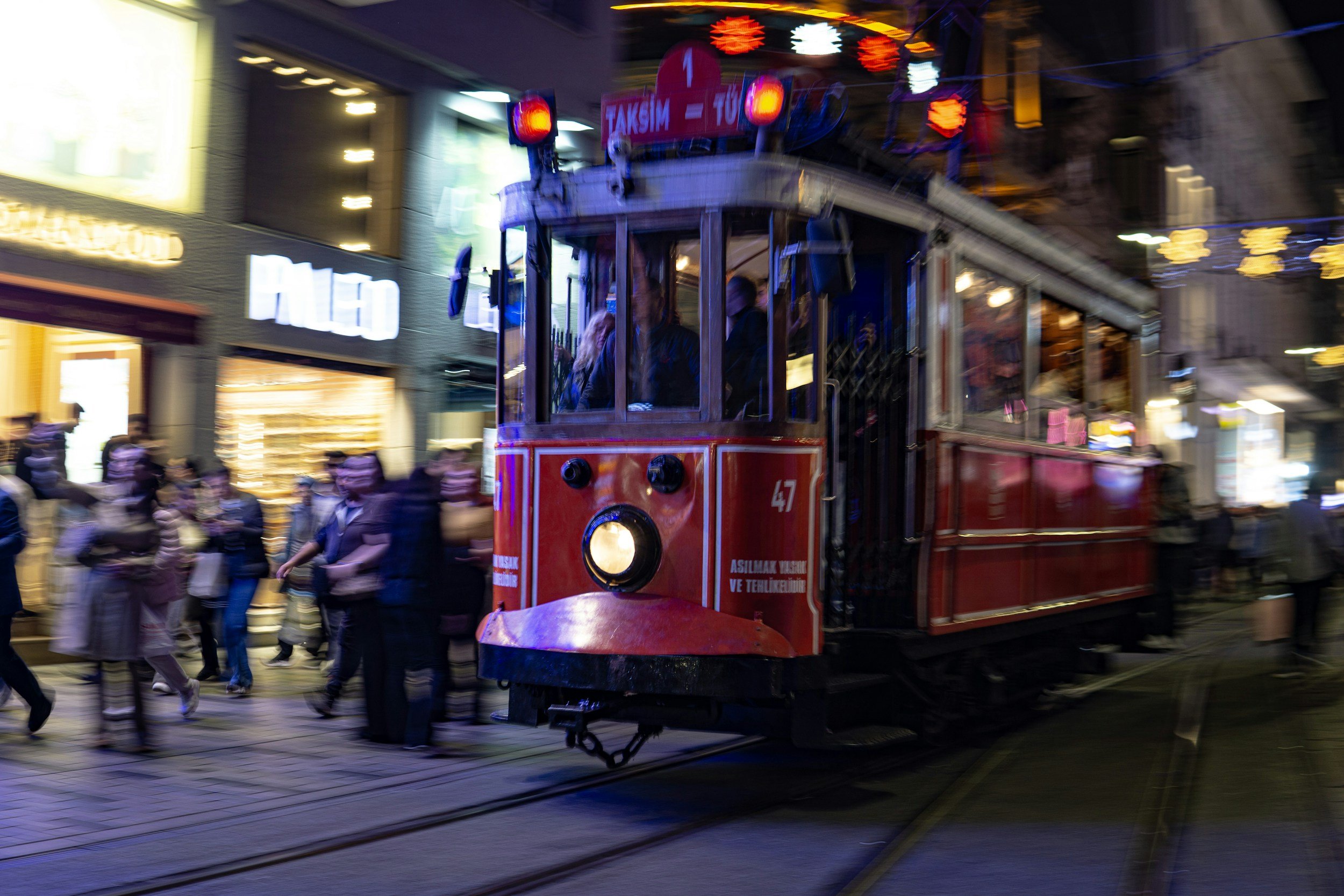
4. Istiklal Avenue — Istanbul, Türkiye
Connecting Taksim Square with the historic Galata district, Istiklal Avenue blends centuries of history with modern city life. Elegant European buildings, independent bookstores, historic arcades and lively cafés line the avenue, while the city’s famous red nostalgic tram slowly travels through the centre.
The surrounding side streets hide rooftop bars, art galleries, churches, synagogues and some of Istanbul’s best restaurants, making every visit feel slightly different.
Day or night, Istiklal remains one of the city’s most energetic places to experience contemporary Istanbul.
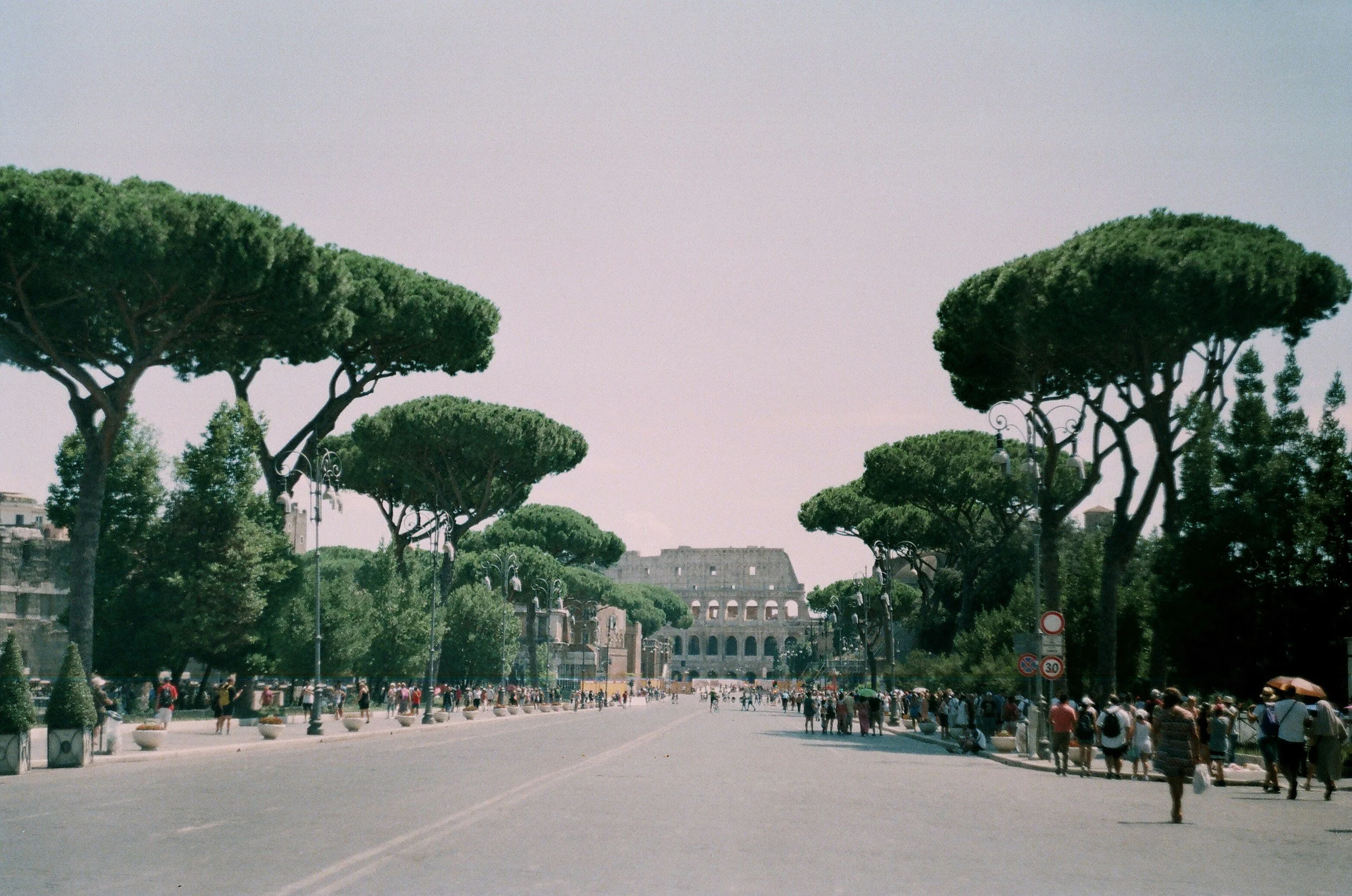
5. Via dei Fori Imperiali — Rome, Italy
Walking along Via dei Fori Imperiali is like travelling through two thousand years of history. The boulevard connects Piazza Venezia with the Colosseum while passing the remains of the Roman Forum and several ancient imperial forums.
Few streets in the world offer such an extraordinary combination of archaeological landmarks. As the sun sets and the monuments become illuminated, the atmosphere becomes even more unforgettable.
It’s easily one of the most rewarding walks anywhere in Europe.
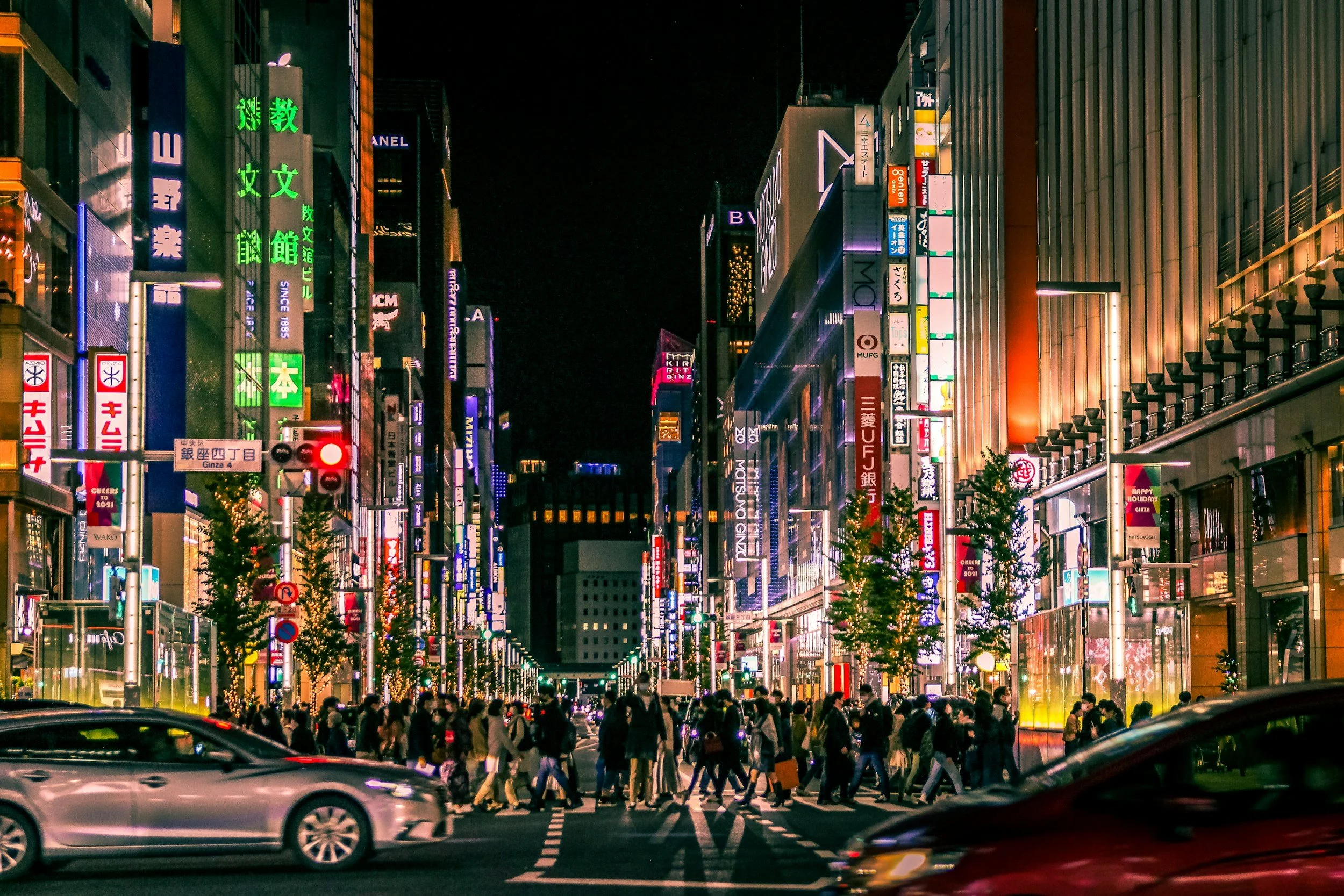
6. Ginza — Tokyo, Japan
Ginza is where Tokyo’s modern elegance takes centre stage. Wide avenues are lined with luxury boutiques, flagship stores, art galleries and some of Japan’s finest restaurants, creating one of the world’s most famous shopping districts.
While it’s known for its high-end brands, Ginza offers far more than shopping. Hidden down its side streets are traditional sushi counters, historic cafés and quiet shrines that reveal a different side of the neighbourhood. On weekends, the main boulevard closes to traffic, turning into a lively pedestrian promenade perfect for strolling.
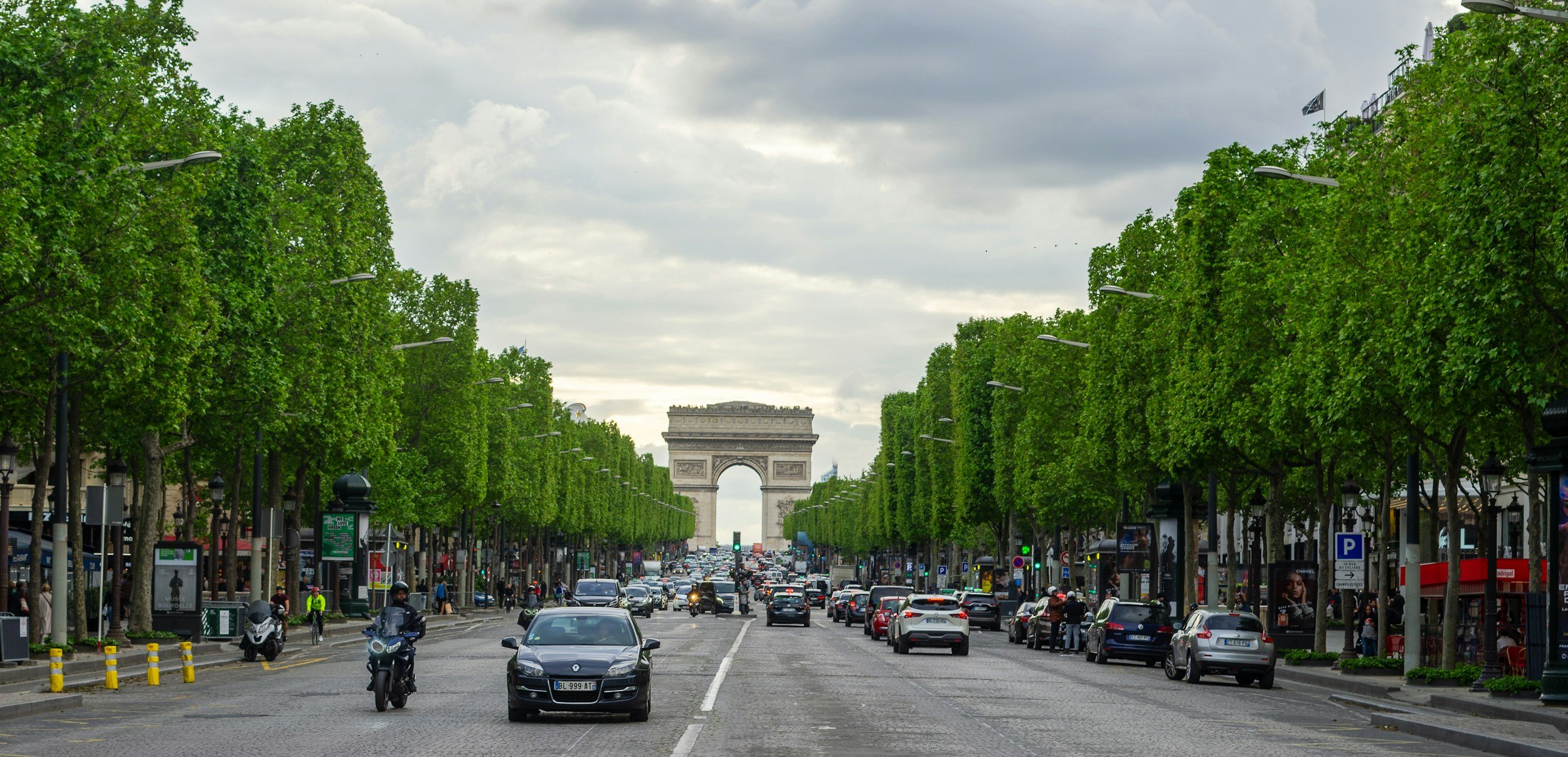
7. Champs-Élysées — Paris, France
Few streets are as instantly recognisable as the Champs-Élysées. Stretching from Place de la Concorde to the Arc de Triomphe, this grand boulevard has long been associated with Parisian elegance and national celebrations.
The avenue is home to flagship stores, theatres, cafés and luxury boutiques, but its greatest attraction is simply the walk itself. Whether you’re admiring the architecture, enjoying a café terrace or reaching the Arc de Triomphe at sunset, the experience remains one of Paris’ defining moments.
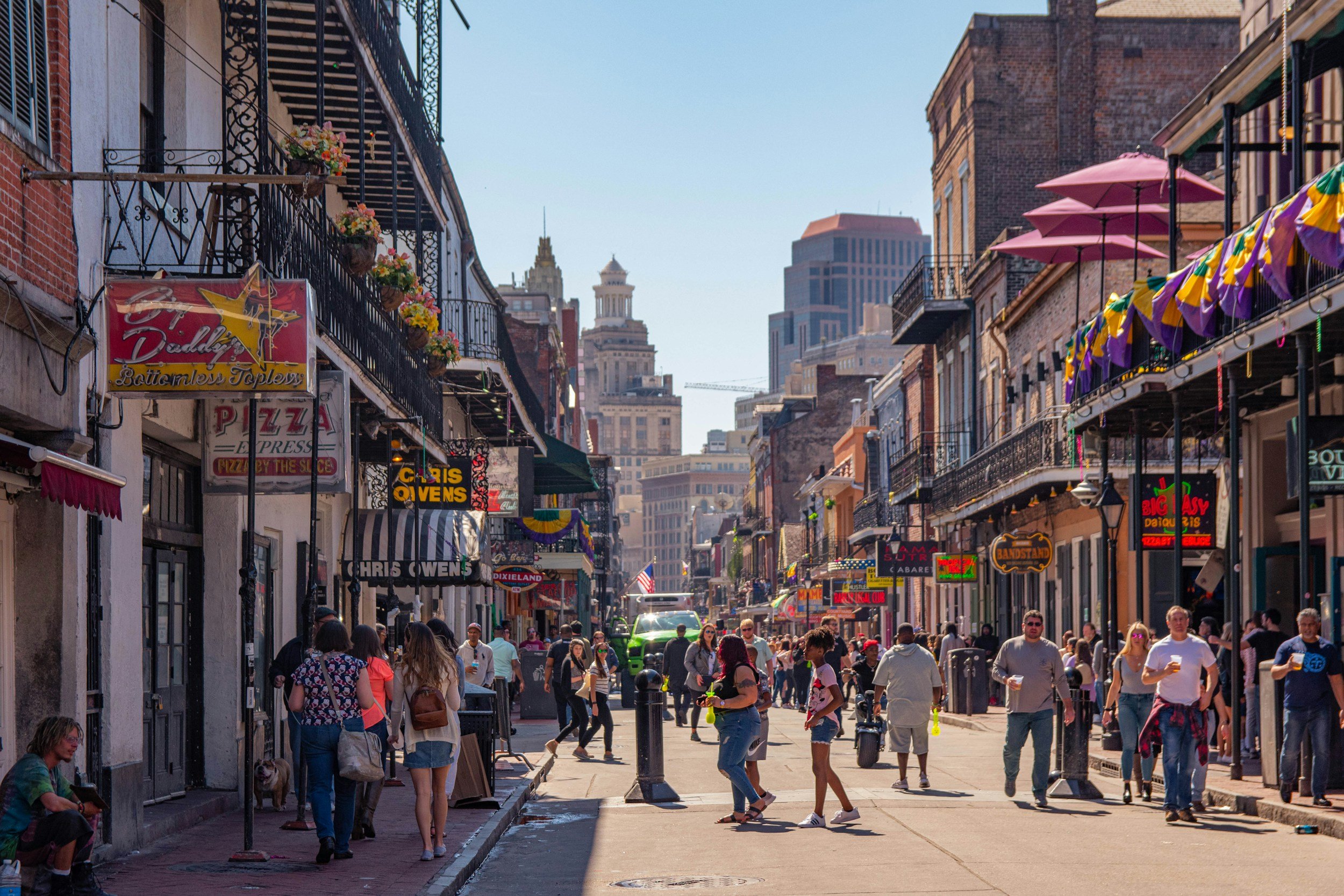
8. Bourbon Street — New Orleans, USA
At the heart of the French Quarter, Bourbon Street is one of America’s most famous streets. Known for its colourful balconies, live jazz, historic buildings and vibrant nightlife, it captures the unique spirit of New Orleans unlike anywhere else.
While evenings are famous for live music and celebrations, visiting during the day reveals beautiful Creole architecture, local restaurants and hidden courtyards that many visitors overlook. It’s a street that constantly changes character depending on the time of day.
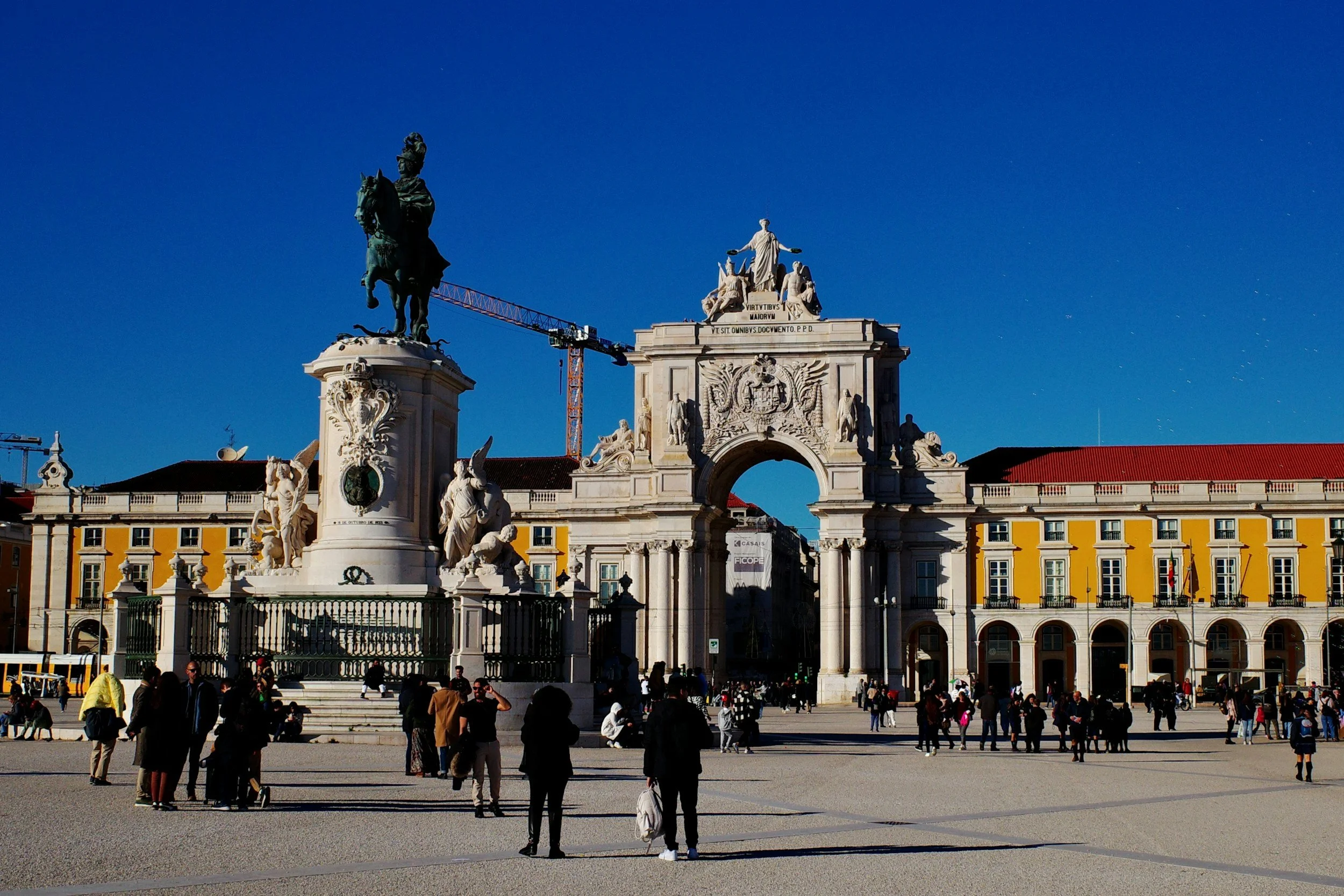
9. Rua Augusta — Lisbon, Portugal
Connecting Praça do Comércio with Rossio Square, Rua Augusta is Lisbon’s lively pedestrian boulevard. Street musicians, outdoor cafés and local performers create a welcoming atmosphere from morning until late evening.
The impressive Arco da Rua Augusta marks the entrance to the street and offers one of the city’s best viewpoints. Surrounded by elegant Pombaline architecture rebuilt after the 1755 earthquake, Rua Augusta perfectly combines Lisbon’s history with its relaxed modern lifestyle.
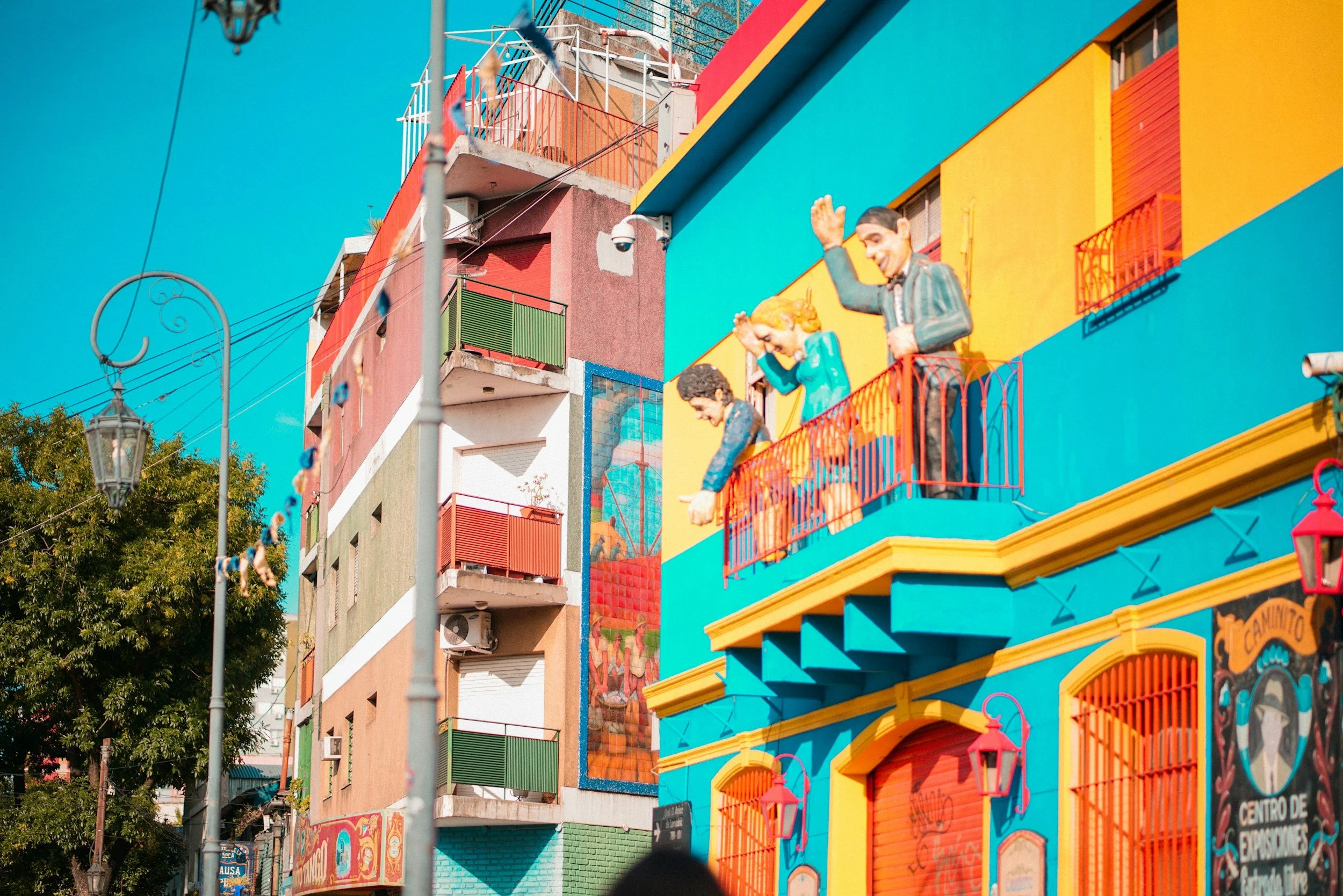
10. Caminito — Buenos Aires, Argentina
Brightly painted houses, tango dancers and colourful street art make Caminito one of South America’s most distinctive streets. Located in the historic La Boca neighbourhood, this short pedestrian street celebrates the city’s immigrant heritage and artistic identity.
Although compact, Caminito is filled with galleries, cafés, craft stalls and live performances that create a lively atmosphere throughout the day. It’s one of the best places to experience the vibrant culture that makes Buenos Aires so unique.
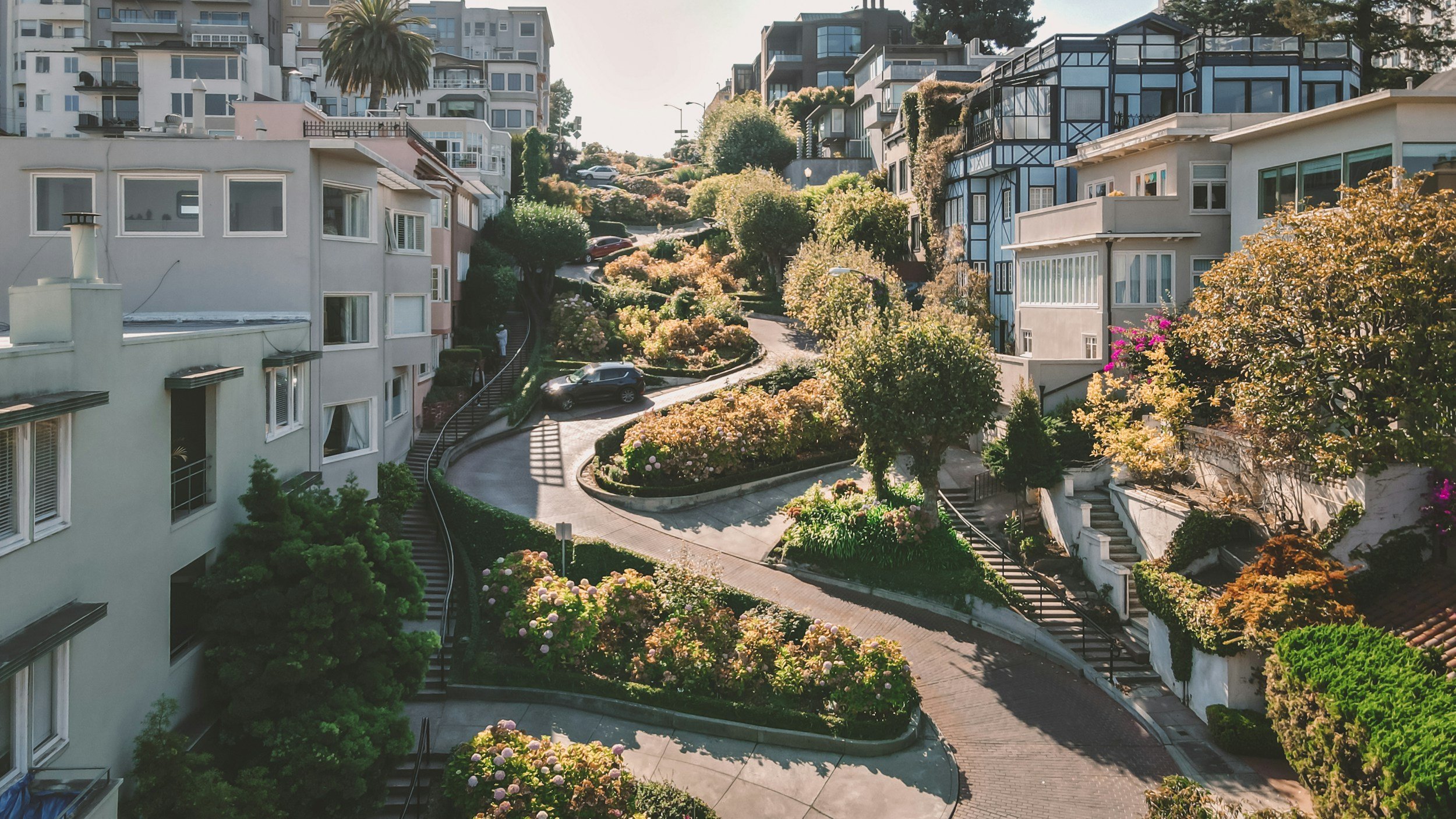
11. Lombard Street — San Francisco, USA
Often called the world’s crookedest street, Lombard Street has become one of San Francisco’s most famous landmarks. Its eight tight hairpin turns were designed in the 1920s to make the city’s steep hillside easier for vehicles to navigate.
Beautiful flower gardens surround the winding road, while visitors can either walk down its famous curves or admire them from the viewing areas below. Combined with views over the city and nearby Russian Hill, it’s a stop that continues to surprise first-time visitors.
12. Andrássy Avenue — Budapest, Hungary
Lined with Neo-Renaissance mansions, theatres and elegant cafés, Andrássy Avenue is Budapest’s grand boulevard and a UNESCO World Heritage Site. Often compared to Paris’ Champs-Élysées, it offers a quieter but equally impressive architectural experience.
The avenue leads to Heroes’ Square and City Park while passing landmarks such as the Hungarian State Opera House and the House of Terror Museum. Whether you’re interested in history, architecture or simply a beautiful walk, Andrássy Avenue is one of Budapest’s finest streets.
Good to Know
The best way to experience these streets isn’t by rushing from one landmark to another. Slow down, explore the side streets, stop at local cafés and take time to observe daily life. Many of these places are at their best early in the morning or later in the evening, when the crowds are smaller and the atmosphere feels more authentic.
Some streets are only a few hundred metres long, while others stretch for several kilometres. Comfortable walking shoes and a flexible itinerary will help you enjoy them far more than trying to see everything at once.
Why These Streets Belong on Every Bucket List
The world’s greatest streets are much more than routes from one attraction to another. They tell the story of a city’s history, culture and everyday life, often becoming the places visitors remember long after returning home.
Whether you’re watching boats glide past Copenhagen’s colourful waterfront, wandering Edinburgh’s medieval alleyways or listening to jazz in New Orleans, each street offers a completely different experience. Together, they prove that sometimes the most unforgettable part of a journey isn’t a monument or museum—it’s simply taking a walk.
✍️ This blog was written by Noah.
