

Traveling as a Woman: What Actually Changes Depending on the Country
Most travel content reduces this topic to one question: “Is it safe?”
That’s the wrong question. The real difference between countries is how much you can move without adjusting yourself. Not just where you can go — but how naturally you can exist in a space without thinking about it.
In some countries, you step outside and everything feels neutral. You sit alone, walk alone, eat alone, and no one notices. In others, nothing is technically stopping you — but you are constantly aware of yourself. That awareness is what changes the experience.
✍️ Sophia · March 3, 2026

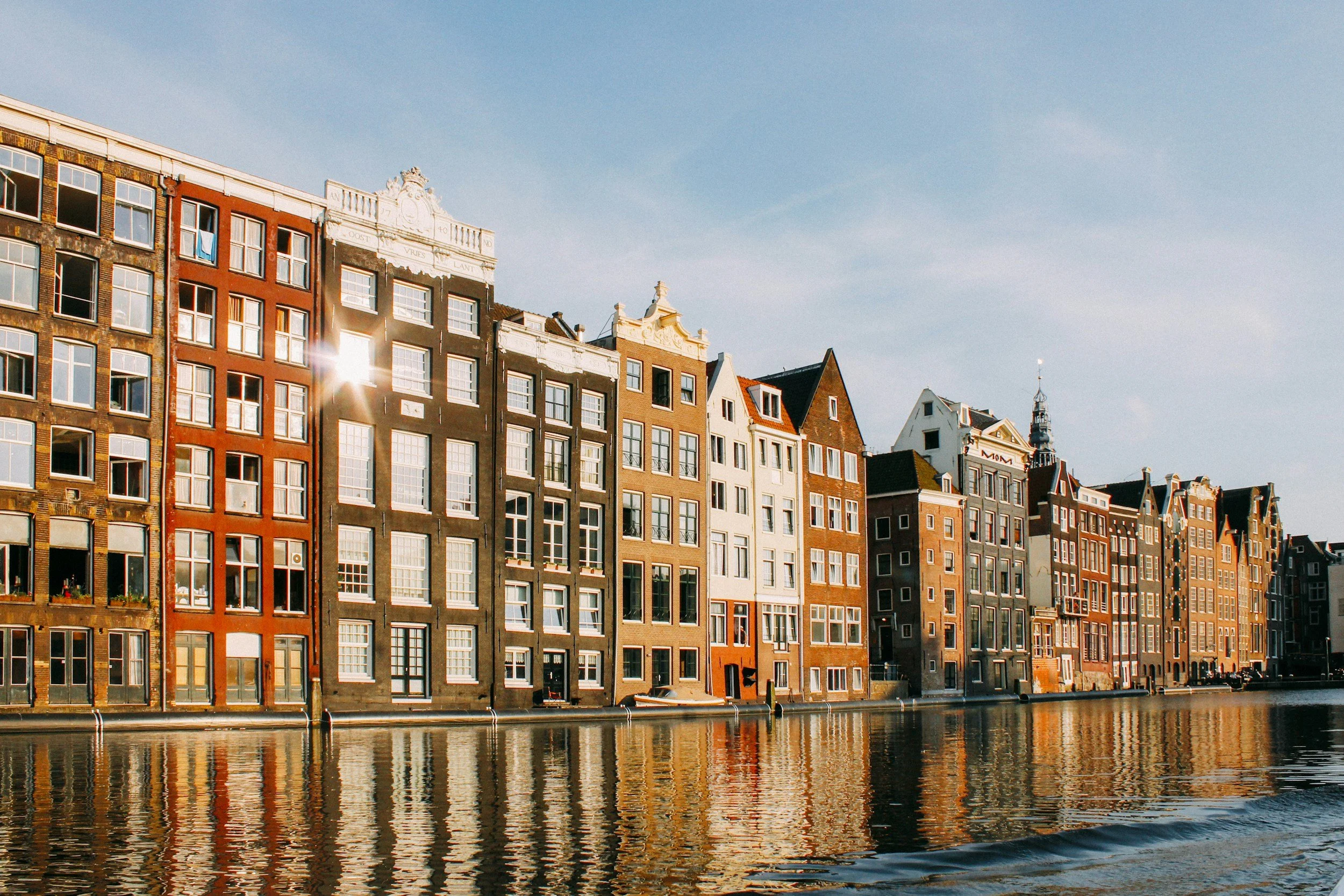
🇪🇸 🇫🇷 🇳🇱 Western Europe: Being Alone Feels Normal
In cities like Barcelona, Paris, or Amsterdam, traveling alone as a woman doesn’t feel like a situation — it just feels like life. Sitting alone at a café for two hours isn’t something people question. Walking into a restaurant alone doesn’t get a second look. You can move through the city at your own pace without needing to justify your presence.
That baseline matters more than people realize. It removes friction from everything — decision-making, movement, even small things like stopping somewhere spontaneously. You’re not managing perception, you’re just existing.
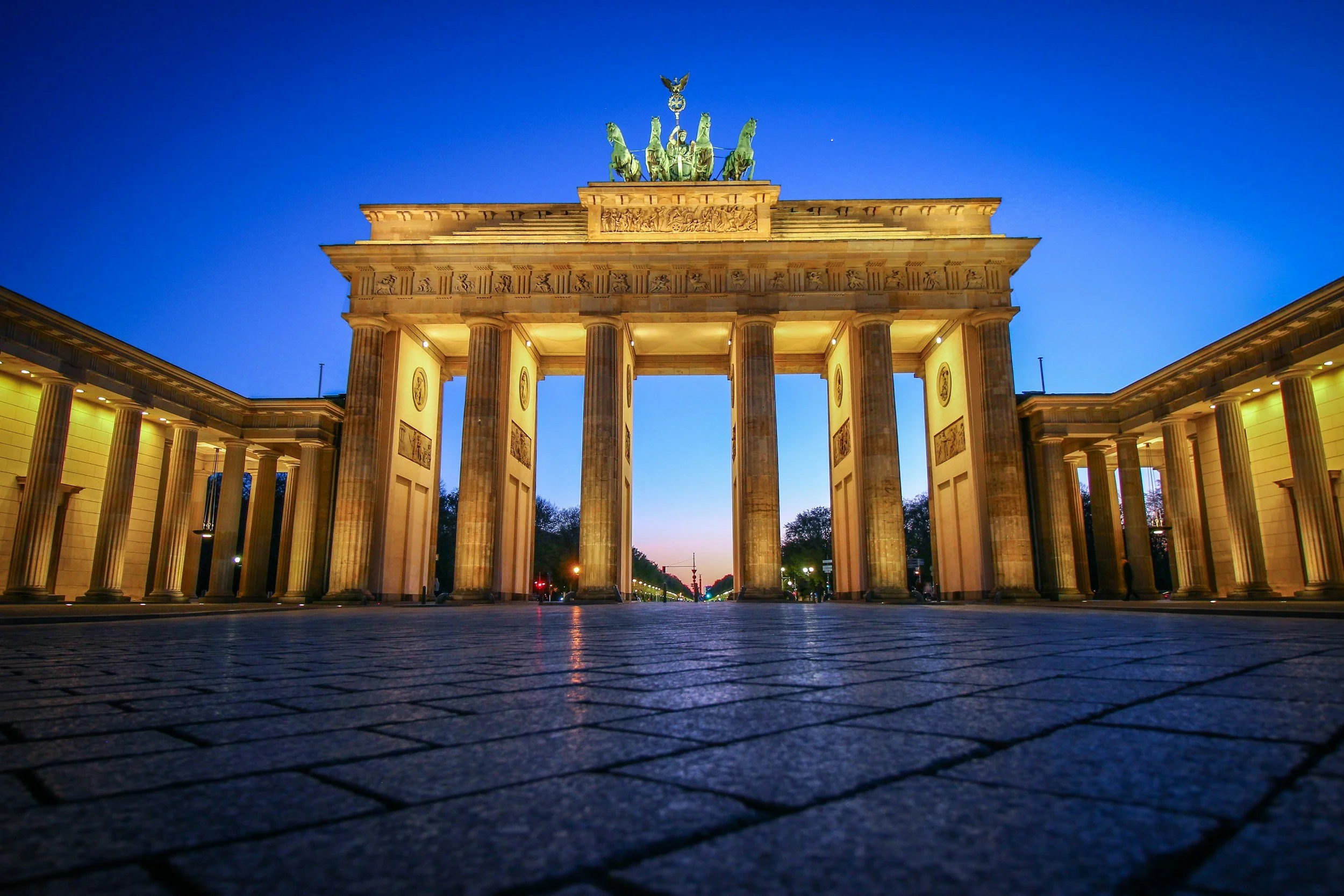
🇬🇧 🇩🇪 Northern Europe: Predictable, But More Distant
Cities like London or Berlin offer a similar level of independence, but with a different tone. It’s less social, more structured. People don’t engage much, but they also don’t interfere. You’re left alone — in both positive and neutral ways.
Late-night movement is generally fine in central areas, public transport is reliable, and interactions are straightforward. The experience is stable. You don’t think about your presence, but you also don’t feel particularly supported by the environment either. It’s neutral, not warm.
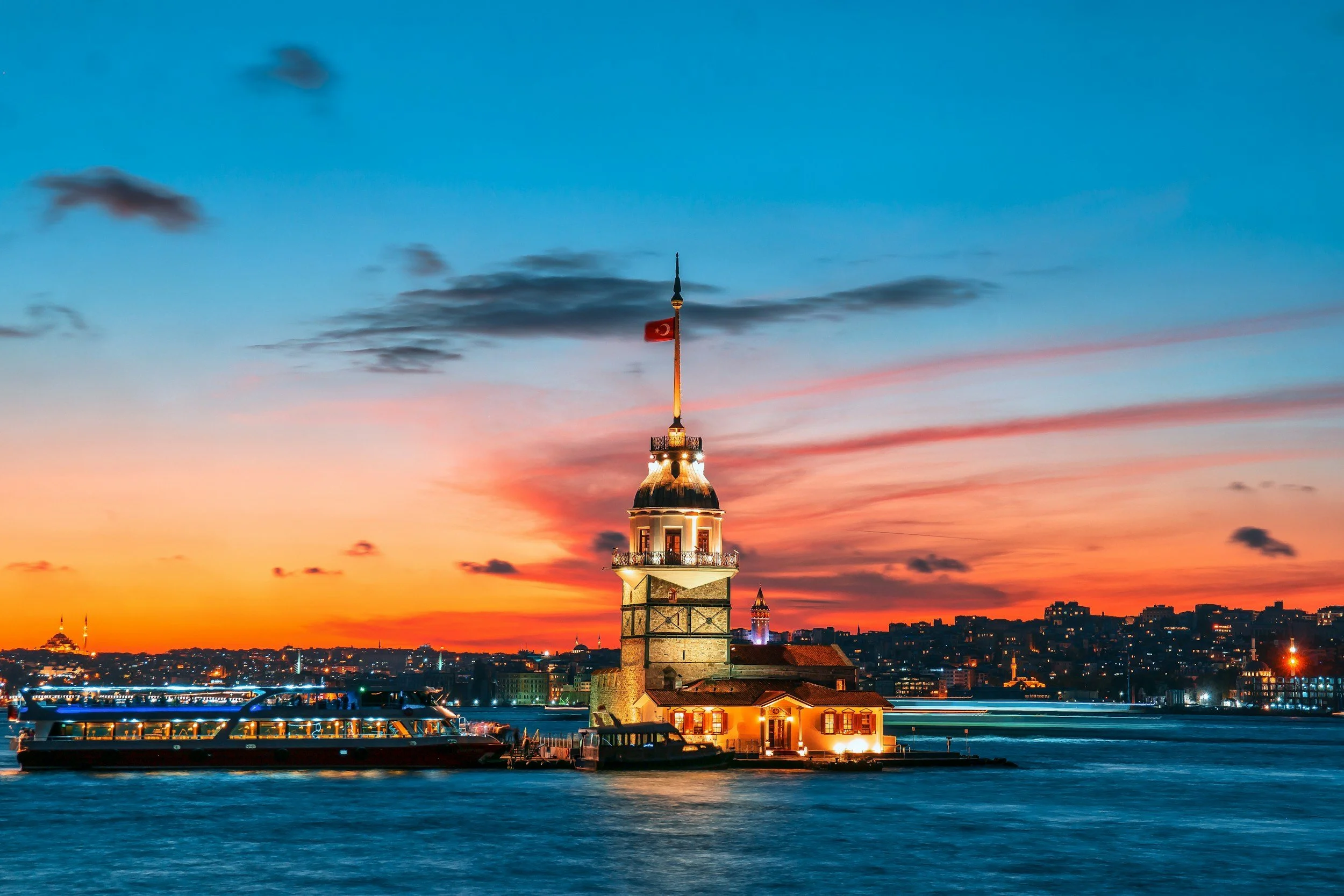
🇹🇷 Turkey: Context Changes Everything
Turkey doesn’t give you a single experience — it changes depending on where you are.
In places like Istanbul (especially areas like Kadıköy, Beşiktaş, Karaköy), moving alone feels normal. You can sit in cafés, walk at night in busy areas, and navigate the city without much friction. The environment is active, mixed, and used to solo movement.
But outside of those zones — smaller cities, more conservative districts — the experience shifts. You might get more looks, more attention, or a stronger sense that being alone stands out. It doesn’t block you from doing anything, but it changes how long you stay somewhere, where you go at night, and how comfortable you feel moving without a plan.
The key here is inconsistency. The same country can feel completely different within 20 minutes.
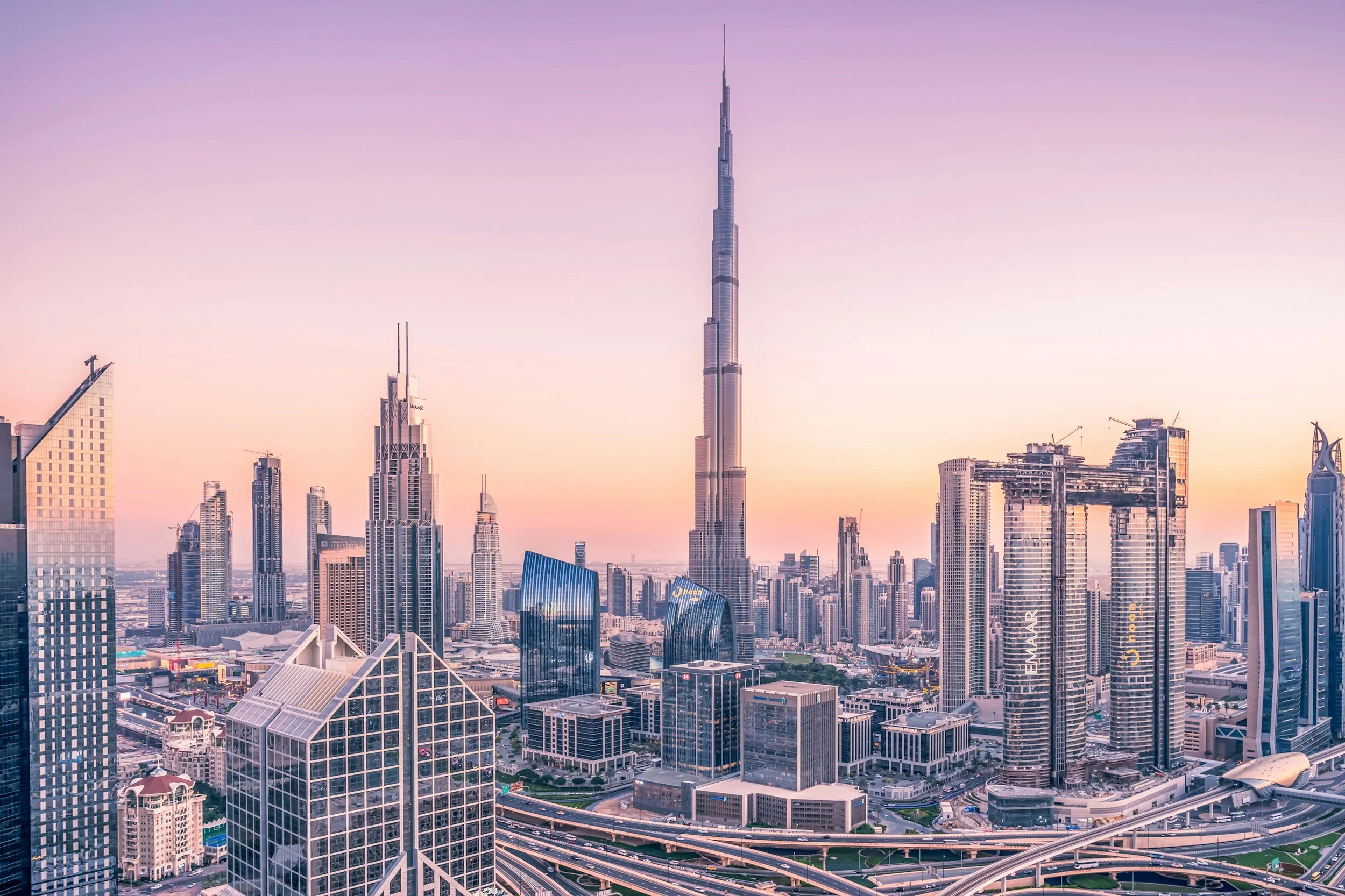
🇦🇪 UAE: Comfortable, But Controlled
The UAE is often described as “easy” for solo female travel — and it is, but not in the same way as Europe.
It’s not about blending in, it’s about structure. Spaces are designed to be controlled — malls, hotels, public areas all operate within clear boundaries. You can move freely, but the environment subtly defines what’s appropriate.
You’re unlikely to feel unsafe, but you are more aware of presentation — what you wear, how you act in certain areas, especially outside of tourist-heavy zones. It’s a smooth experience, but not a completely invisible one.
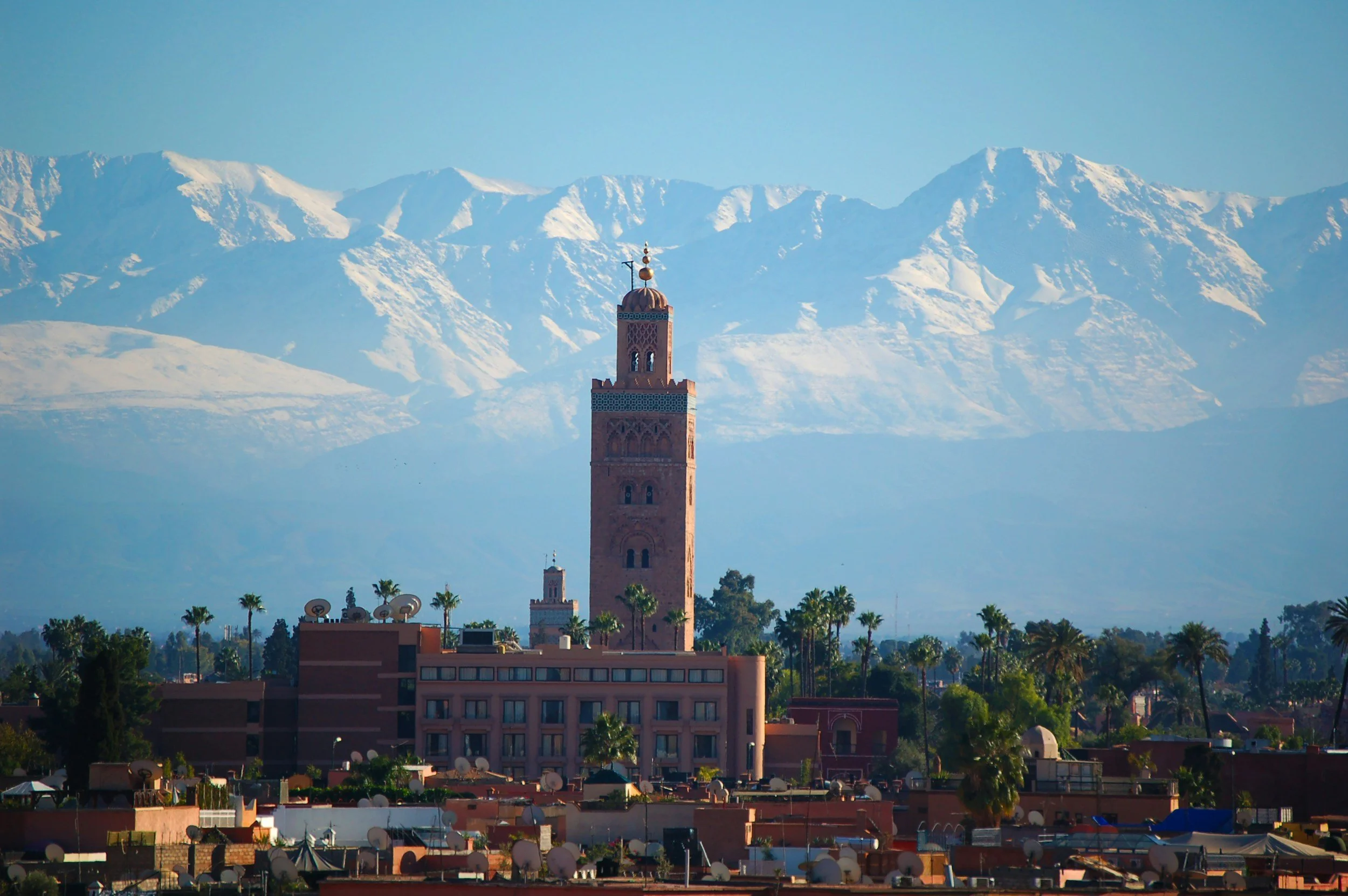
🇲🇦 Morocco: Attention Becomes Part of the Experience
Morocco is where the shift becomes very clear, very quickly.
In cities like Marrakech or Fes, walking alone as a woman often comes with constant attention — comments, attempts to engage, people trying to guide you, sell you something, or simply get your attention. It’s not necessarily aggressive, but it is persistent.
What changes here isn’t access — you can still go almost anywhere — but the effort required. You don’t just walk, you navigate. You ignore, you respond selectively, you stay more aware of your surroundings and your route.
Simple things like getting lost, wandering aimlessly, or stopping somewhere randomly don’t feel the same as they do in Europe. You become more intentional with your movement, even if you didn’t plan to be.
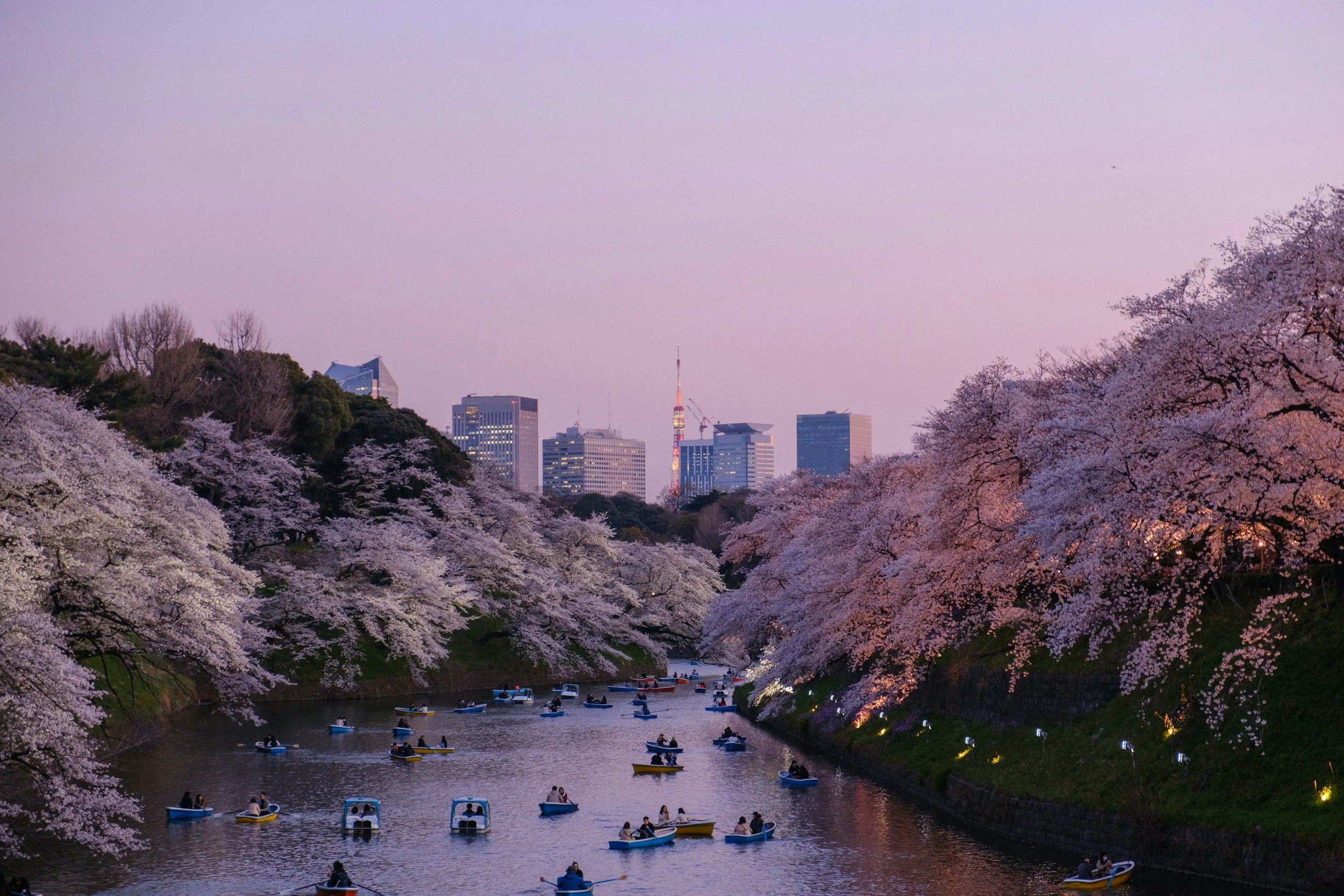
🇯🇵 Japan: Safe, But Socially Defined
Japan is often labeled as one of the safest countries in the world, and in many ways it is. But the experience is shaped less by safety and more by social structure.
Traveling alone as a woman is completely accepted, but there are subtle boundaries. Public behavior is quiet, organized, and expected to follow certain norms. You won’t get attention, but you also won’t get spontaneous interaction.
The result is a very smooth, low-friction experience — but one where you adjust to the environment rather than the environment adjusting to you.
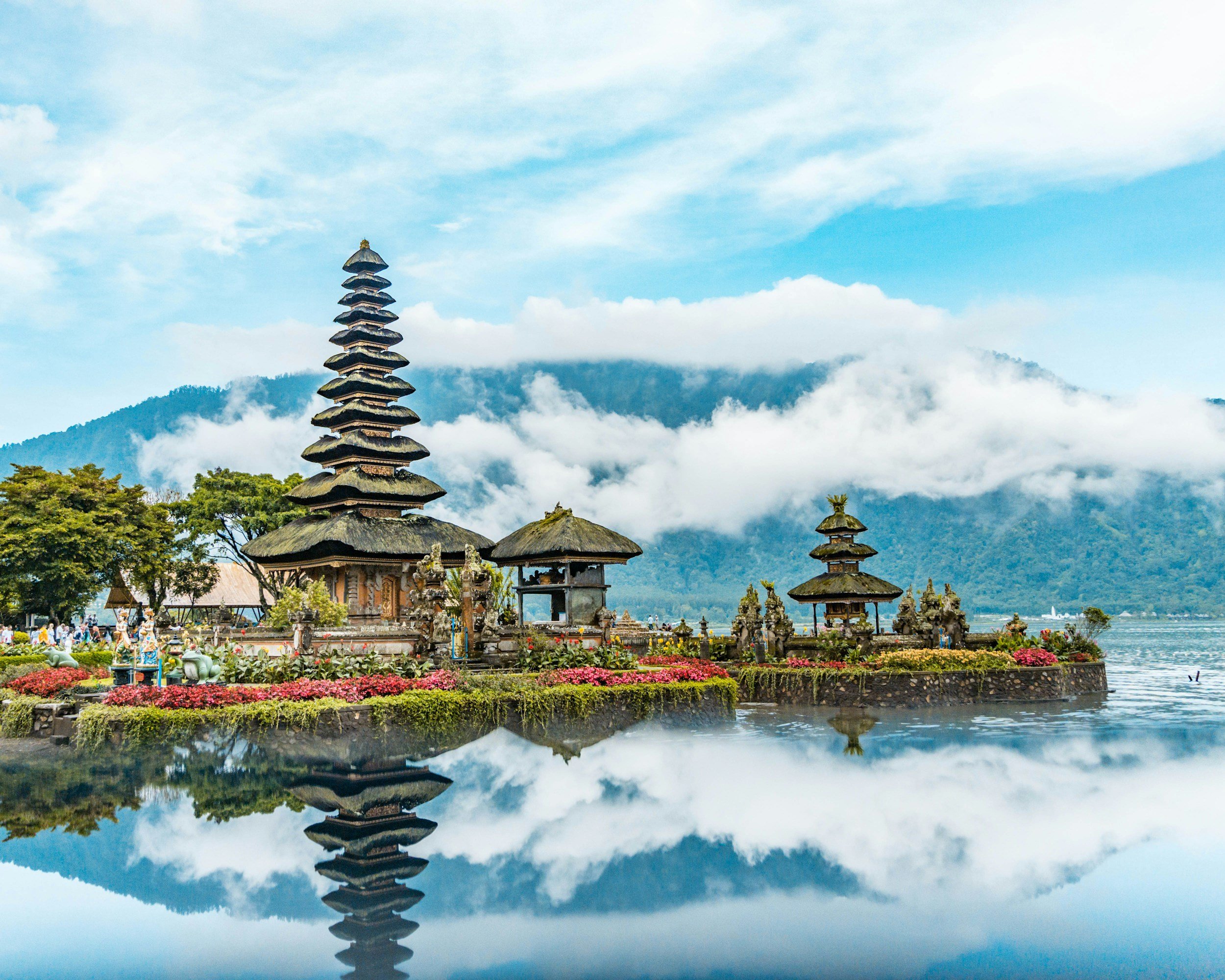
🌏 Southeast Asia (Thailand, Bali): Easy — Until You Leave Tourist Zones
In places like Bangkok or Bali, solo female travel feels extremely easy in tourist-heavy areas. Cafés, coworking spaces, and social environments are built around people moving alone. You can meet others quickly, navigate easily, and feel comfortable without much effort.
But once you move outside those zones, the experience shifts. Infrastructure becomes less predictable, language barriers increase, and attention levels can change. It’s not that it becomes unsafe — it just requires more awareness and planning.
The difference here is how fast the environment changes depending on location.
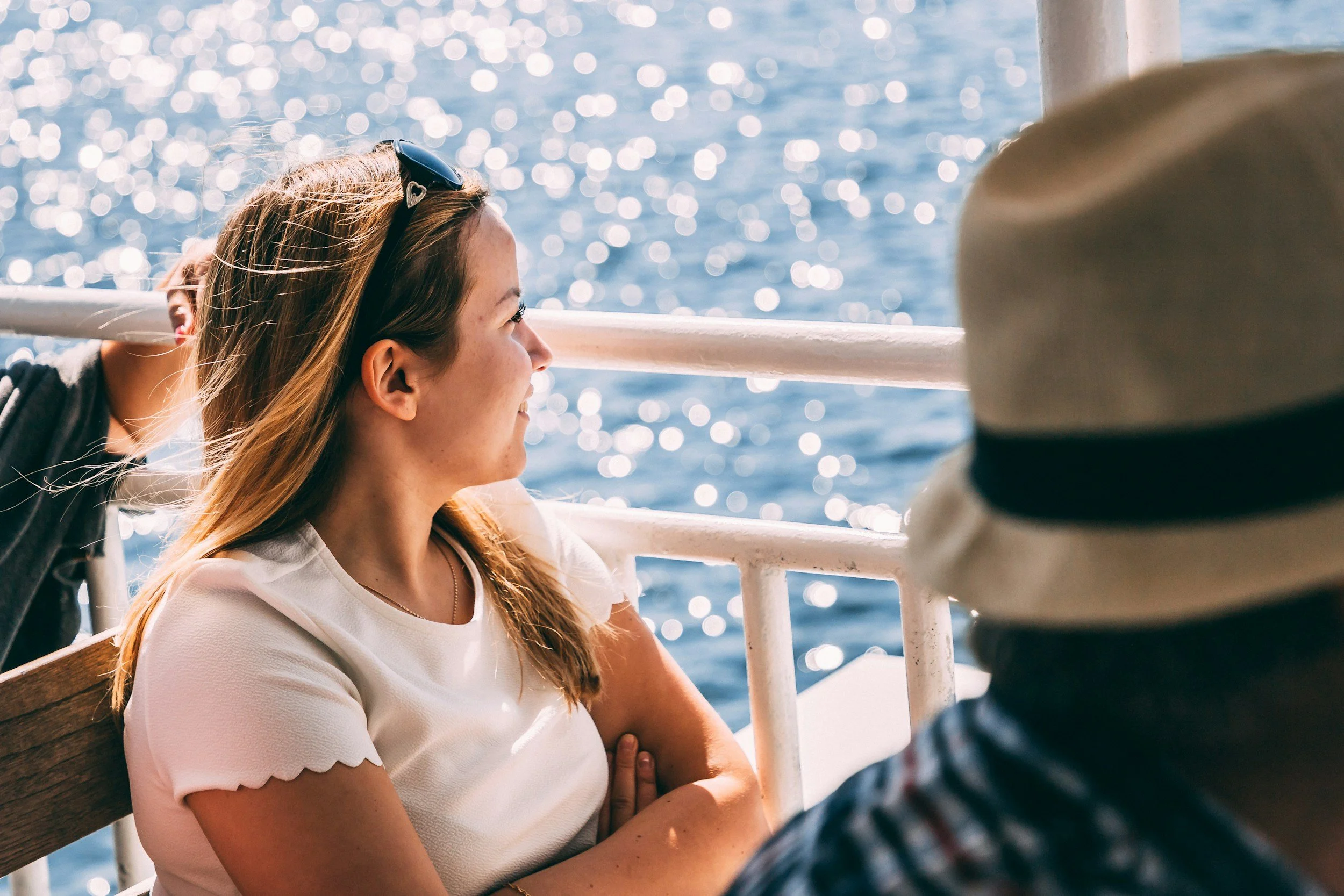
⚠️ What Actually Changes Across Countries
Across all of these places, three things consistently define the experience.
First, visibility — whether you stand out or blend in.
Second, effort — how much energy it takes to move freely.
Third, flexibility — whether you can make spontaneous decisions or need to think ahead.
These factors shape your trip more than any general safety label ever will.
Final Take
Traveling as a woman doesn’t limit where you can go. But it does change how much of the trip is automatic — and how much requires adjustment.
In some places, you move without thinking. In others, you move with awareness. And the difference between those two is what defines the experience — not the destination itself.
✍️ This blog was written by Sophia.
