

Traveling During Ramadan: What Actually Changes Across Different Countries?
The reality most people don’t expect, Traveling during Ramadan doesn’t make a destination harder — it just changes how the day works. The mistake most travelers make is expecting consistency across countries. There isn’t any. In some places, your trip will feel completely normal. In others, if you follow a typical daytime-heavy itinerary, things will feel off very quickly. The real shift is not about restrictions — it’s about timing. Daytime slows down, evenings take over, and depending on where you are, that shift can be subtle or extreme.
✍️ Olivia · March 5, 2026

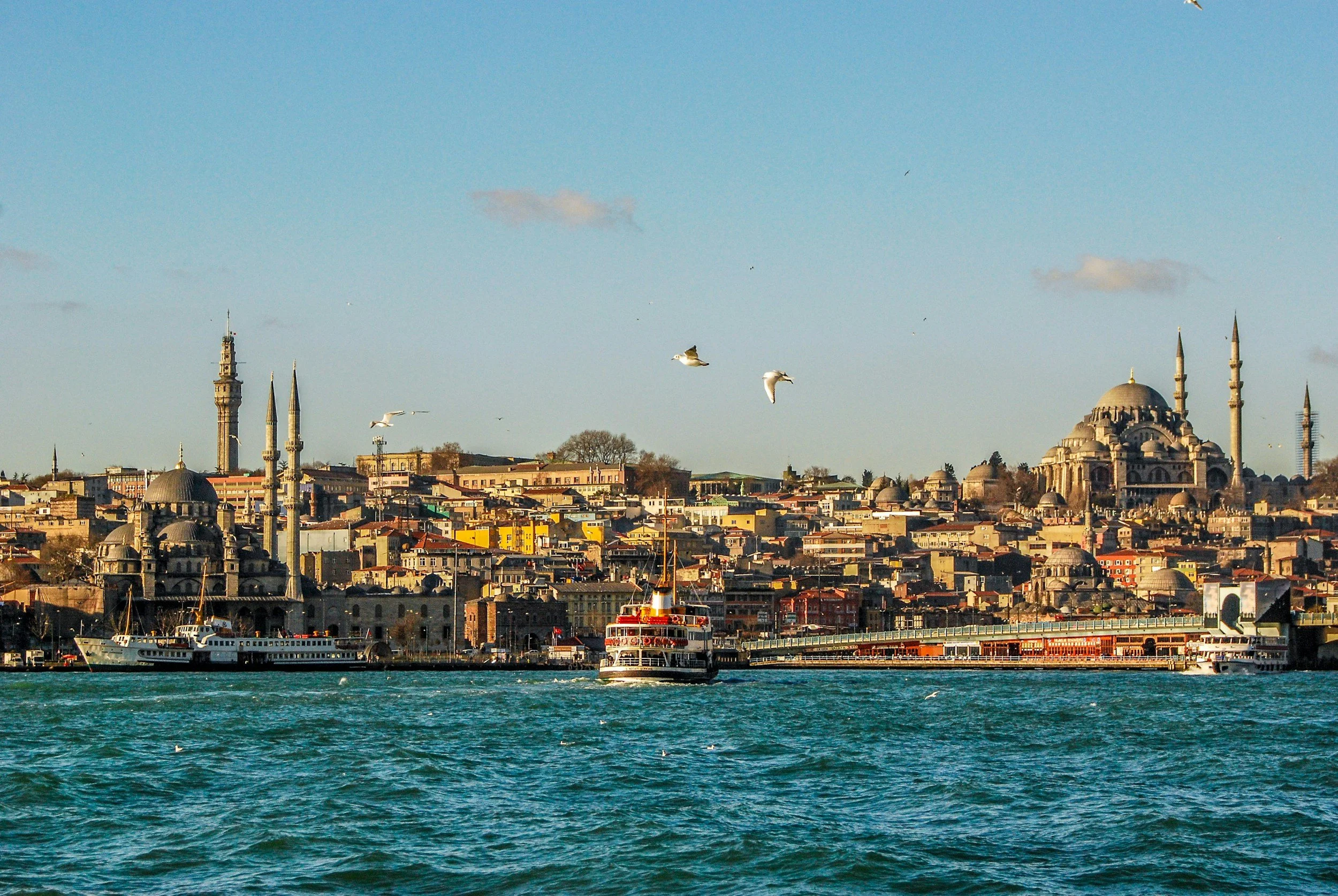
🇹🇷 Turkey: Mostly Normal, Just Better at Night
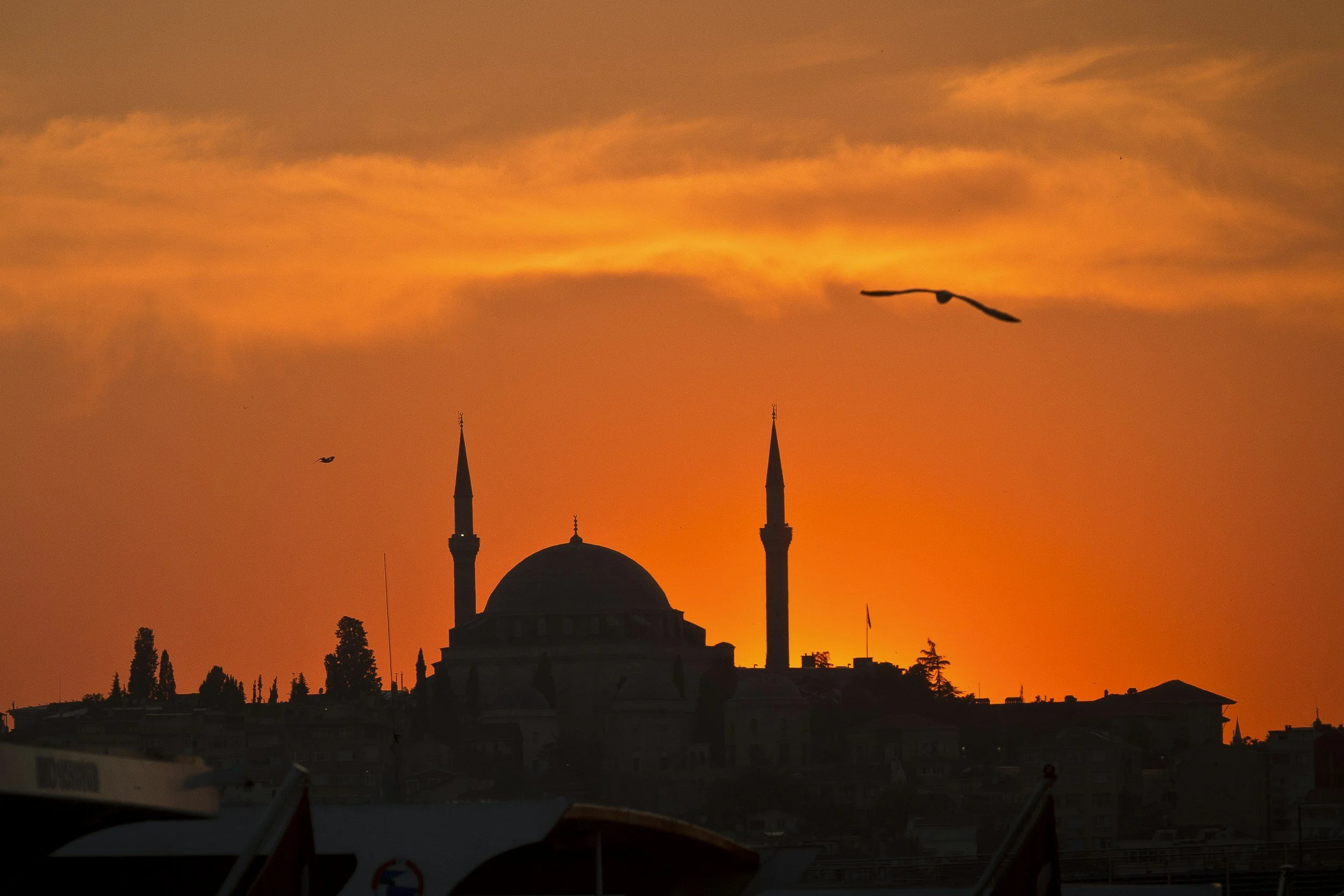
In Turkey, Ramadan blends into everyday life rather than replacing it. You can still go out during the day, sit in a café, eat, drink, and move around without thinking about it. Tourist areas especially don’t change much. But what you’ll notice is how the energy builds toward sunset. Restaurants start preparing for iftar, reservations become important, and there’s a clear moment where the entire city shifts into a more social, active mood. If you adjust your schedule slightly and treat evenings as the main event, you’ll experience a much more vibrant version of the same city you’d visit any other time.
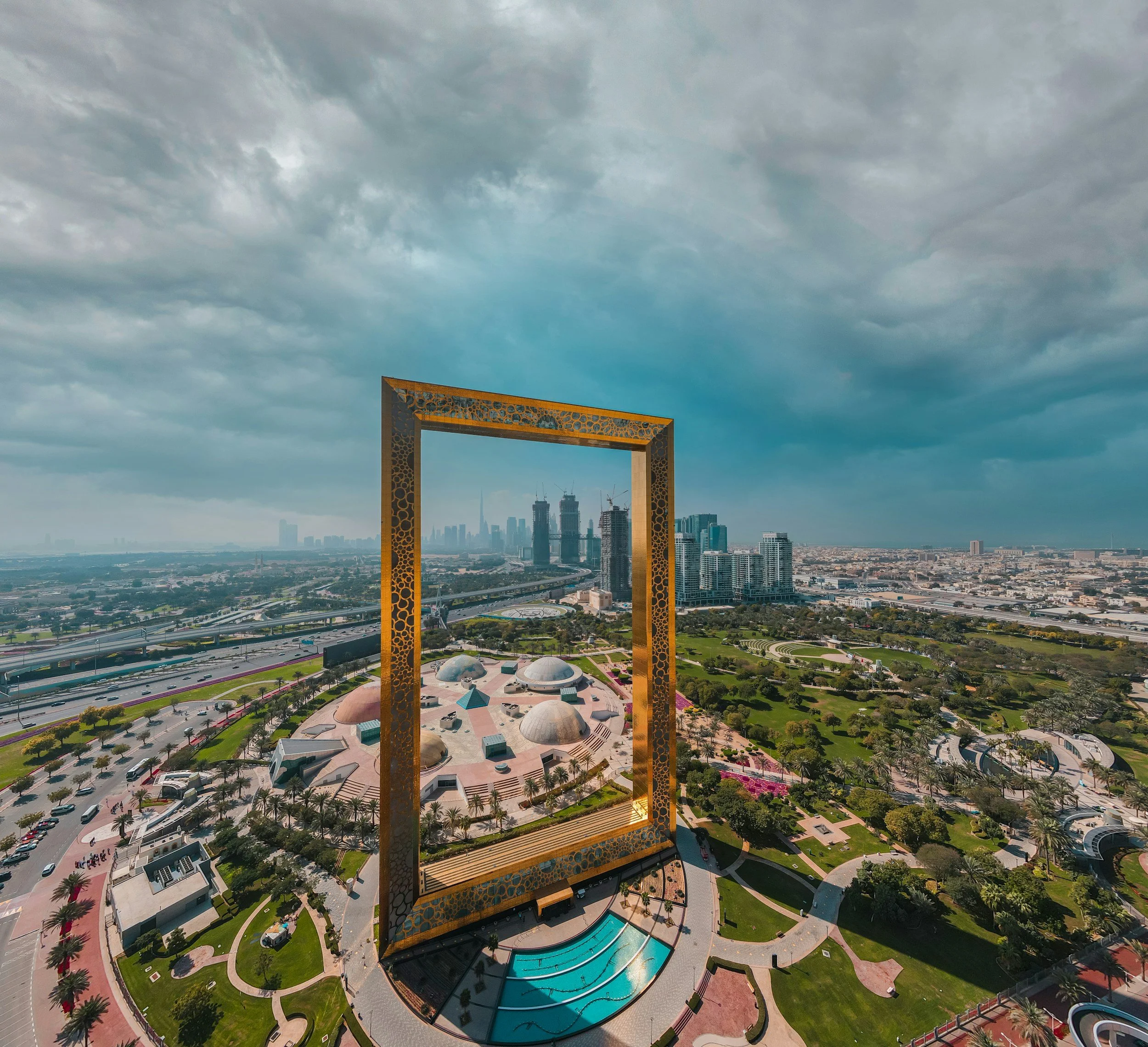
🇦🇪 UAE: Structured, Polished, and Controlled
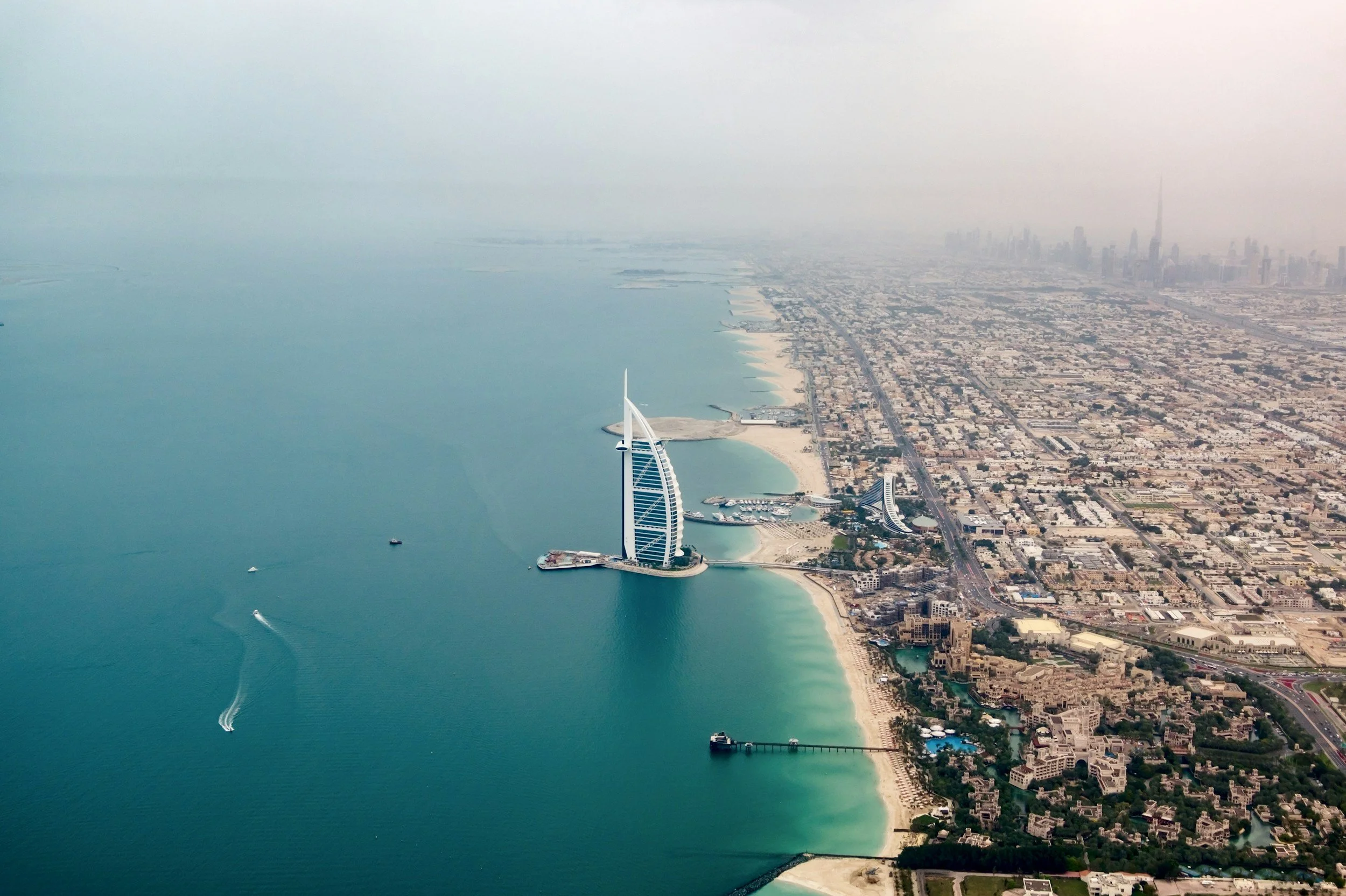
The UAE handles Ramadan in a more organized and visible way. Everything still functions — malls, hotels, attractions — but there’s a layer of awareness around daytime behavior. Eating and drinking are available, but often more discreet depending on where you are. The real difference comes at night, where Ramadan is almost turned into an experience: large iftar setups, extended opening hours, and a noticeable shift toward late-night activity. It doesn’t disrupt your trip, but it does shape how and when you do things.
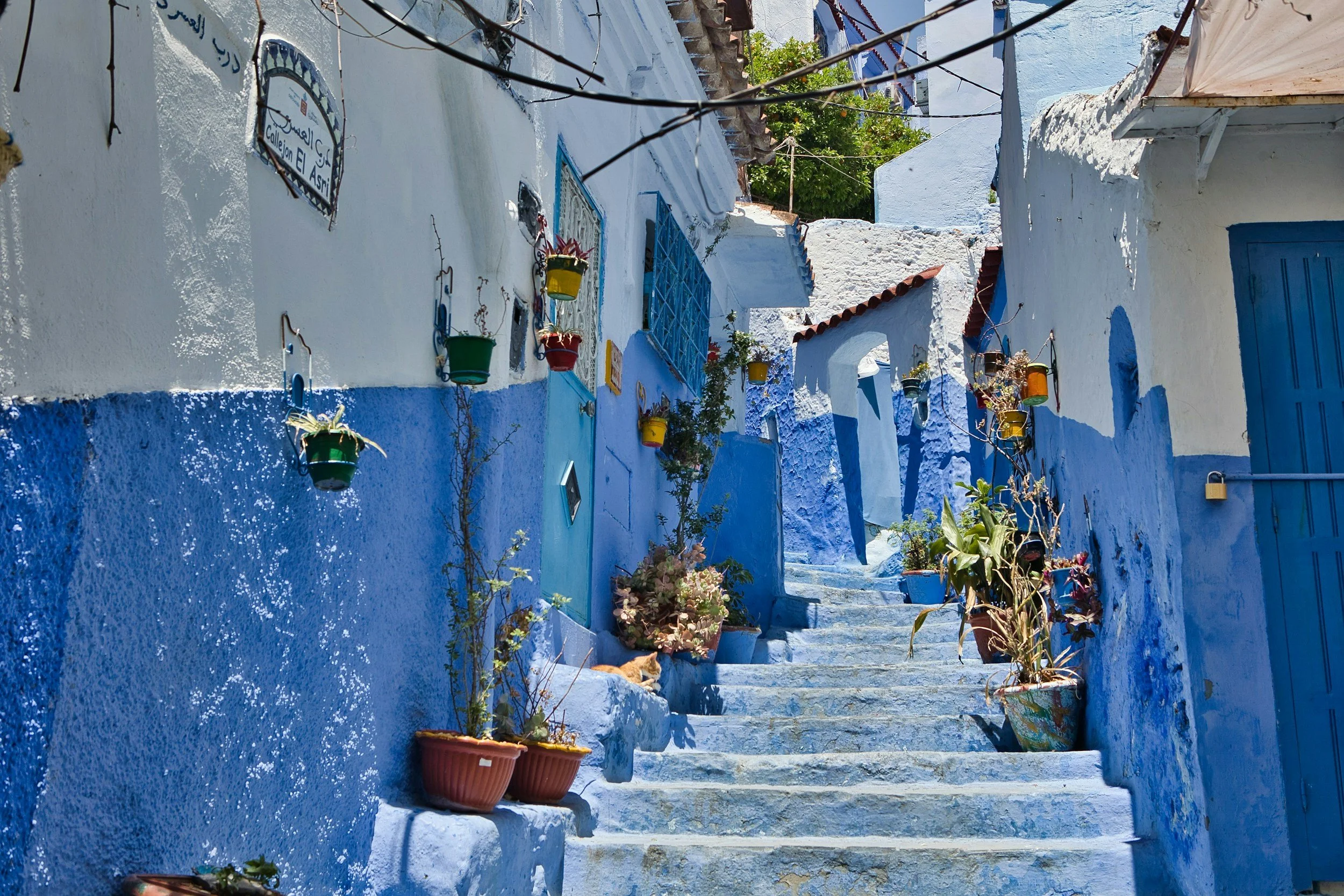
🇲🇦 Morocco: Quiet Days, Intense Nights
Morocco is where travelers feel the change the most. During the day, especially in non-tourist-heavy areas, the city can feel unusually slow. Many local cafés close, streets are less active, and service can be inconsistent. If you plan your day like you normally would, it can feel frustrating. But then sunset arrives, and everything flips. The same quiet streets fill up, people gather, food appears everywhere, and the energy becomes much stronger than usual. The experience here depends entirely on whether you adapt — if you do, nights become the highlight of your trip
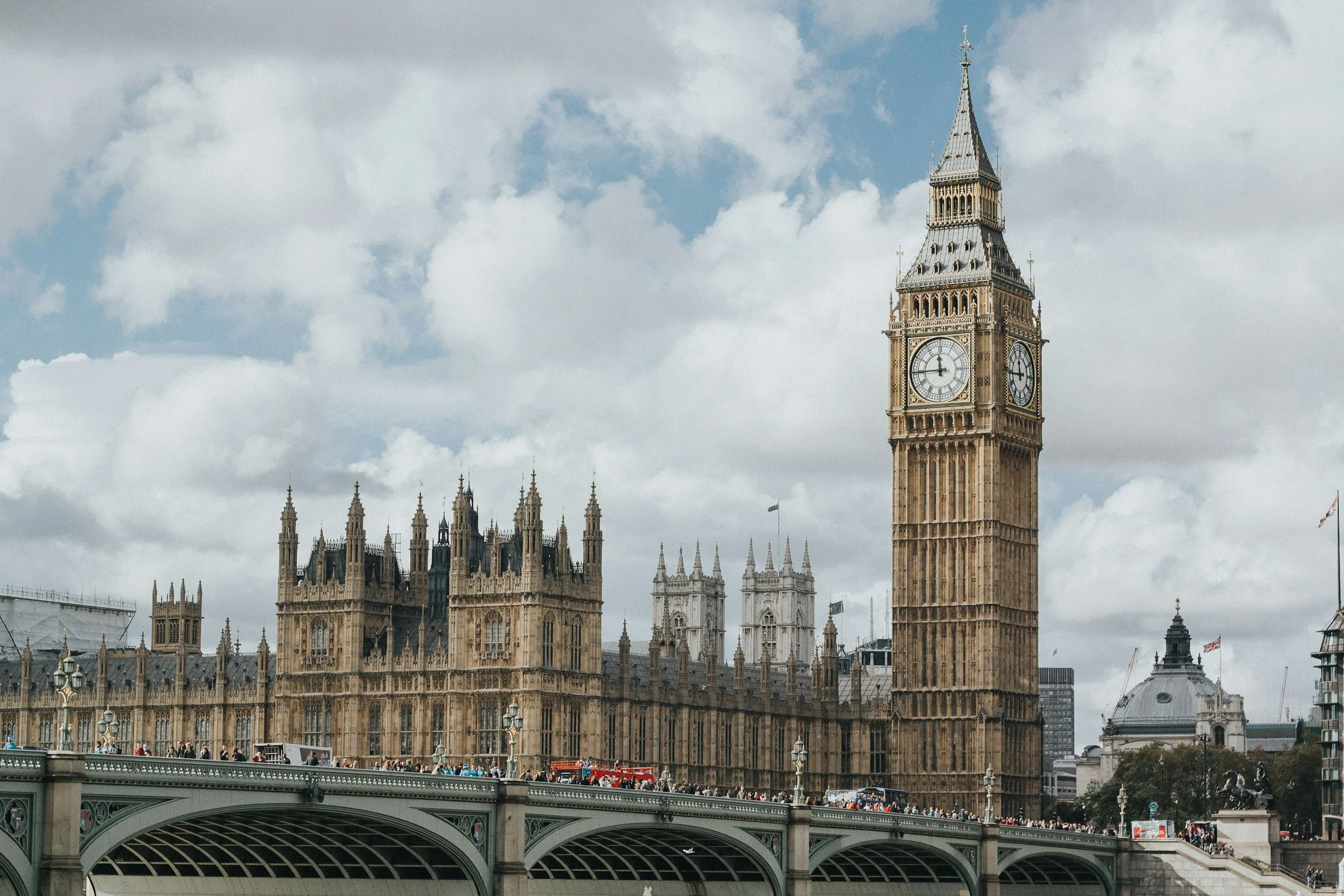
🇬🇧 UK & Europe: Almost No Impact
In non-Muslim-majority countries, Ramadan doesn’t affect travel in any meaningful way. Everything operates as usual, and you won’t face any restrictions. The only noticeable difference appears in specific neighborhoods with large Muslim communities, where evenings become more active and late-night food options increase. Outside of that, your trip will feel exactly the same as it would at any other time of year.
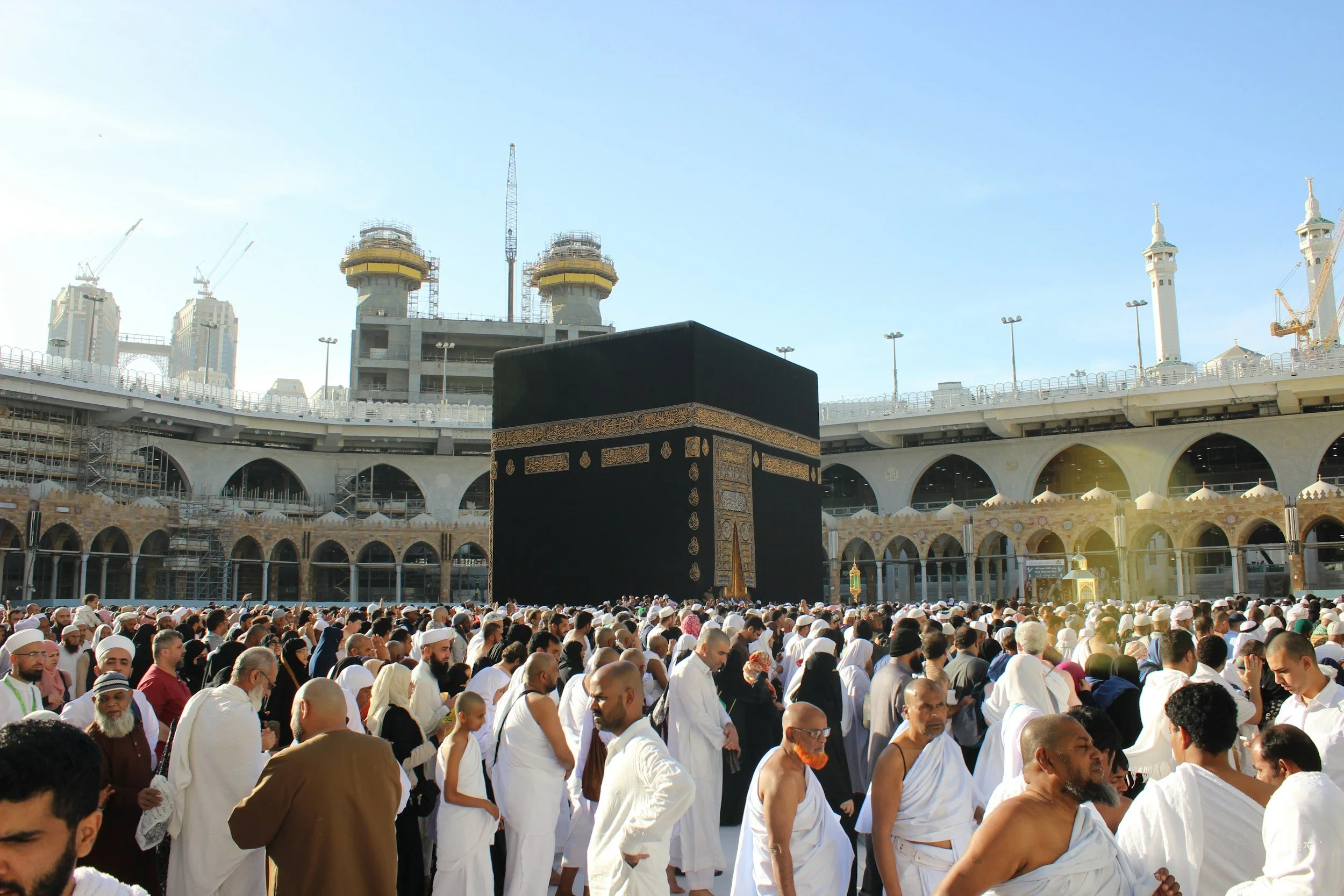
🇸🇦 Saudi Arabia: Full Schedule Flip
Saudi Arabia is the extreme case. Here, Ramadan reshapes the entire daily structure. Daytime can feel very quiet, with many places opening later or operating at reduced capacity. Nights, on the other hand, become the center of everything — dining, shopping, social life all shift after sunset. If you try to follow a normal travel schedule, it won’t work. You have to flip your routine, sleep later, go out later, and treat nighttime as your main window for exploring.
⚠️ What Actually Catches Travelers Off Guard
The issue isn’t restrictions — it’s misalignment. Travelers plan full daytime itineraries in places where the city is effectively paused, or they miss the evening entirely, which is when most of the experience happens. Another common mistake is assuming every country behaves the same, when in reality the difference between Turkey and Morocco, or Morocco and the UK, is huge. Ramadan isn’t one unified experience — it’s interpreted differently everywhere.
✔️ How to Adjust Without Overthinking It
You don’t need to redesign your entire trip. You just need to shift your expectations slightly. Treat afternoons as slower hours in countries where Ramadan is more deeply observed. Plan your main meals and social activities around sunset. In cities where evenings are important, make reservations early. And most importantly, observe how locals move — if the city comes alive at night, follow that rhythm instead of forcing your own.
Final Take
Ramadan doesn’t limit travel — it reveals how different cultures organize daily life. In some places, you’ll barely notice it. In others, it will quietly reshape your entire experience. The difference between a frustrating trip and a great one comes down to one thing: whether you adjust to the rhythm, or ignore it.
✍️ This blog was written by Olivia.
