
Umbria During Olive and Truffle Season: Norcia, Spello and Trevi
Late October and early November reveal a different version of Umbria.
The vineyards are quieting down, olive nets appear beneath the trees and working mills begin producing intensely green olio nuovo. In the mountains around Norcia, autumn truffles reach restaurant menus alongside lentils, pecorino and the cured meats that made the town’s name synonymous with Italian pork butchery.
This is not one single harvest season. Olives and different truffle species follow separate calendars, and understanding that distinction makes the trip far more rewarding.
Spello, Trevi and Norcia provide three different ways into the region: Renaissance art and olive-covered hills in Spello, active oil culture in Trevi and the mountain food traditions of the Valnerina in Norcia.
✍️ Noah · October 26, 2026

Spello: Frescoes, Roman Gates and the Beginning of the Oil Story
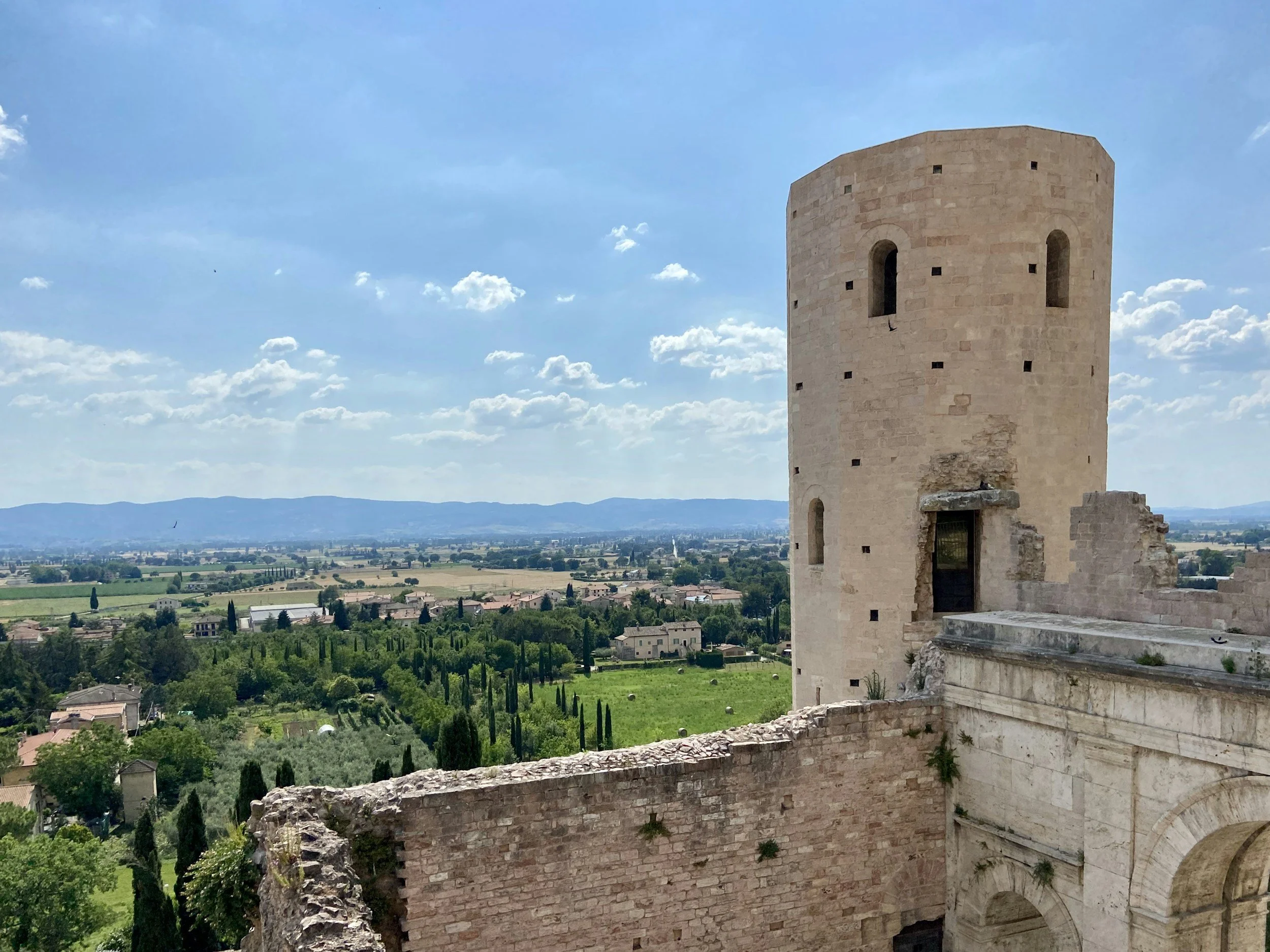
Spello is often presented as a town of flower-covered lanes. By November, most of those summer displays have disappeared, allowing its Roman and medieval structure to become more visible.
Enter through Porta Consolare and follow the rising streets towards Santa Maria Maggiore. Inside, the Baglioni Chapel contains Pinturicchio frescoes whose rich colours offer a striking contrast to the town’s pale stone. Continue towards the Roman-era Porta Venere, flanked by the Towers of Propertius, before exploring the smaller lanes above the centre.
The surrounding hills belong to the Colli Assisi–Spoleto olive-growing area. Moraiolo is the defining variety, producing oil known for its green, bitter and peppery character. Olives around Spello, Foligno and Trevi are commonly harvested during October and November and pressed shortly afterwards.
Book a visit to a working frantoio rather than expecting every mill to accept spontaneous visitors. Harvest season is its busiest production period. A proper visit may allow you to watch the olives being cleaned, crushed and separated before tasting oil that was pressed only hours or days earlier.
Taste it on plain bread or by itself before pairing it with anything stronger. Fresh oil can smell of cut grass, artichoke or green almond, followed by bitterness and a peppery sensation in the throat. Those characteristics are not defects; they are often signs of fresh oil rich in polyphenols.
Spello’s major olive celebration, L’Oro di Spello, takes place later in November. Travelling at the beginning of the month means missing the festival but encountering the harvest before the town becomes busier.
Trevi: Where Olive Oil Is the Main Subject
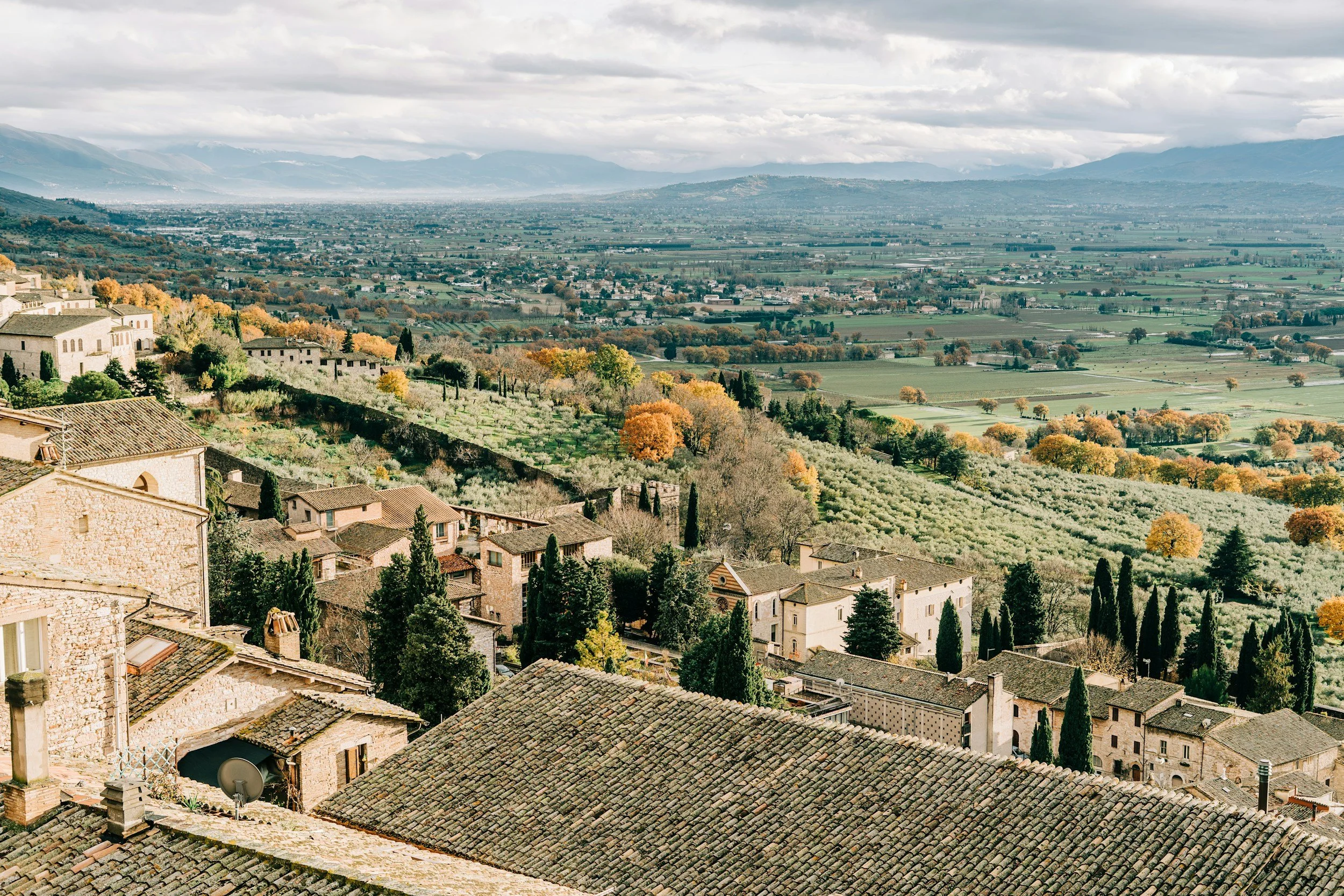
Trevi rises steeply above the Umbrian valley, surrounded by slopes covered with olive trees.
Olive oil here is not simply a regional product added to restaurant shelves. It has shaped the landscape, local economy and identity of the town. Approximately 80% of the olives used in Trevi’s oil are Moraiolo, supported by Frantoio, Leccino and smaller quantities of other varieties.
Begin in the historic centre, then visit the San Francesco Museum Complex. Its Museum of Olive Civilisation explains cultivation, pressing, storage and the role oil once played in domestic and religious life. Opening days are reduced in November, so check the current calendar before arranging the day.
Outside the centre, the olive landscape matters as much as the museum. The hills between Assisi and Spoleto form a cultivated band of terraces and groves developed over centuries. Short walks around Trevi reveal stone walls, working farms and views across the valley rather than a landscape created purely for tourism.
The official regional tourism board identifies October through December as the principal harvest period in Trevi. During production, participating mills offer tastings and, on selected dates, guided visits through the regional Frantoi Aperti programme.
When reserving, ask whether you will see an active pressing or only visit the shop. Both can be worthwhile, but they are different experiences.
Oil sold as olio nuovo is very fresh and often unfiltered. Its vivid flavour will soften over time. Buy it in a dark bottle or metal container, protect it from heat and light and use it rather than saving it indefinitely as a souvenir.
Norcia: Know Which Truffle You Are Eating
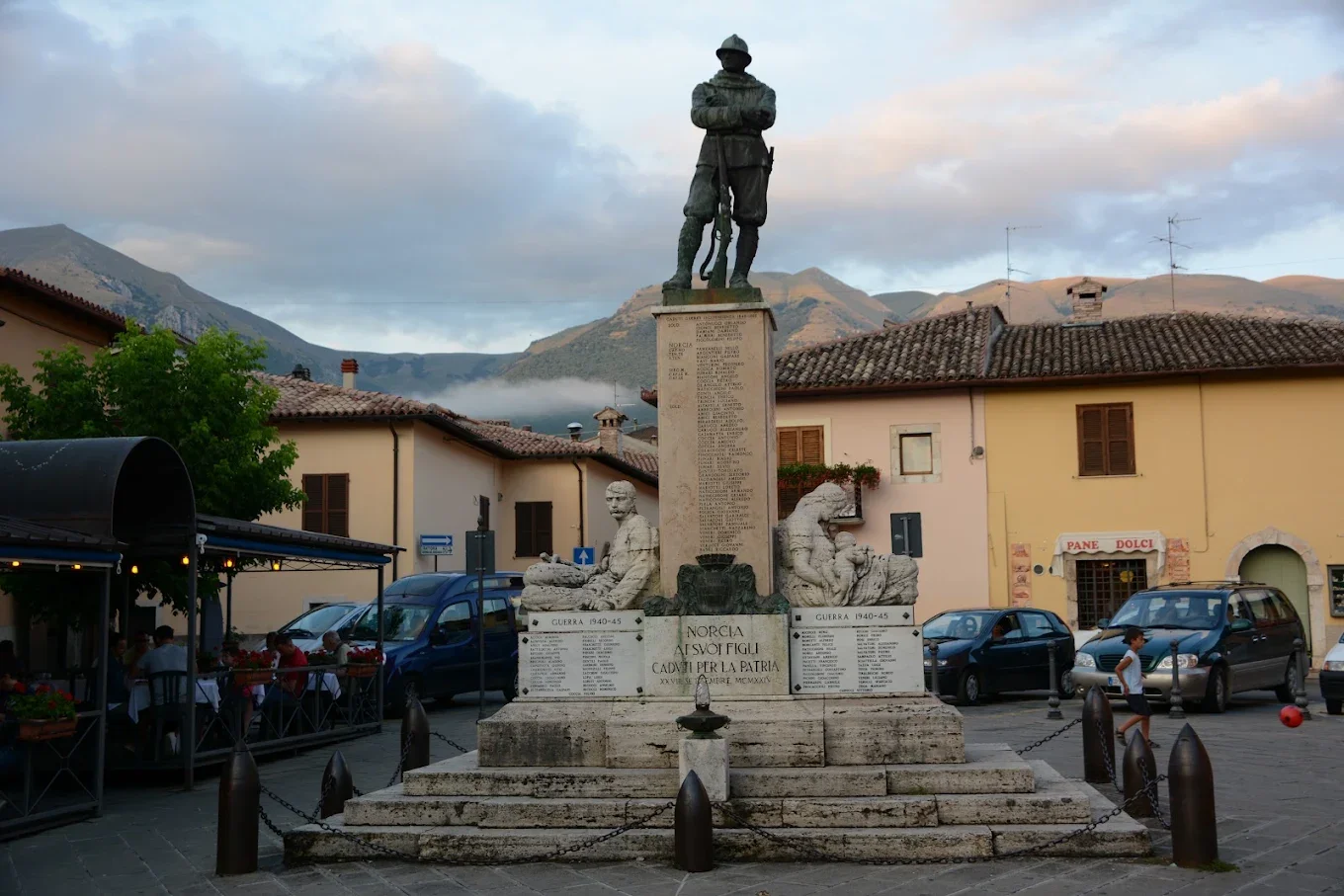
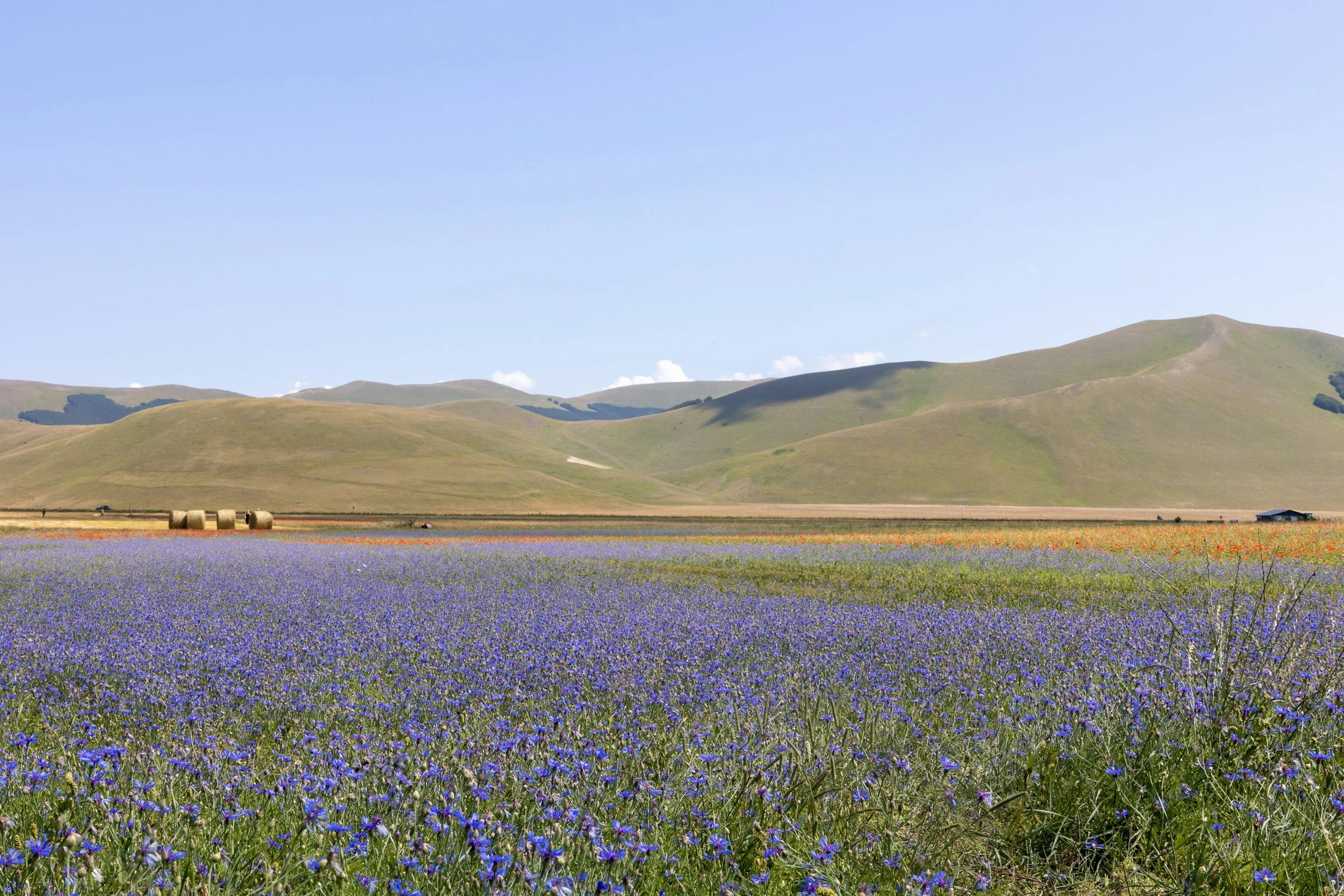
Norcia sits in a colder, more mountainous part of Umbria, surrounded by the Sibillini Mountains and the upper valleys associated with the region’s black truffles.
Its name is strongly connected with the prized black truffle, Tuber melanosporum. However, that does not mean every black truffle served in Norcia at the beginning of November is the prized winter variety.
Late autumn is associated more closely with the autumn scorzone, or Tuber uncinatum. It is related to the summer truffle and has a milder aroma than the prized black truffle that matures later in winter. Umbria’s official tourism information places scorzone collection within the broader May-to-December period, while the famous Nero Norcia market dedicated to the prized black truffle is held in February.
This distinction does not make an early-November truffle meal inauthentic. It simply means you should know what is being served.
Ask the restaurant:
Which truffle species is used?
Is it fresh or preserved?
Is the price included or calculated by weight?
Is the aroma produced entirely by truffle or supported by flavoured oil?
Fresh truffle should generally be used on simple food that does not bury its aroma. Look for it shaved over handmade pasta, eggs or warm crostini rather than hidden inside a heavily seasoned sauce.
Norcia’s food identity extends far beyond truffles. Norcineria refers to the craft of processing pork into products such as prosciutto, capocollo and salami. The town is also an excellent place to try pecorino, Castelluccio lentils and dishes from the mountain communities of the Valnerina.
See Norcia as a Living Town, Not Only a Food Stop
Norcia was severely affected by the 2016 earthquakes, and reconstruction remains part of its modern story. Some monuments and streets may have restricted access or changing conditions.
Walk through Piazza San Benedetto and pay attention to what has been restored, what remains under construction and how shops and restaurants have returned around the historic centre. Confirm access before travelling specifically for one church or museum.
The surrounding mountains can already feel wintry in early November. Conditions around Castelluccio and the higher passes may differ sharply from those in Spello and Trevi. Carry warmer layers, monitor the forecast and avoid assuming that a route described as an autumn drive will remain straightforward after the first snow.
How Much Time Should You Allow?
Spello works well with one full day and an overnight stay. Trevi deserves another day if you want both the historic centre and a proper mill visit. Give Norcia at least one night rather than treating it as a lunchtime detour.
The sequence also follows the landscape. Spello introduces the art and olive-covered foothills, Trevi takes you inside the oil culture, and Norcia moves into a higher, colder world of forests, truffles and preserved mountain foods.
Late October and early November are not a generic “food season” in Umbria. They are a point where several different agricultural calendars overlap. The best experience comes from asking what has actually been harvested—not merely ordering whatever the menu describes as seasonal.
✍️ This blog was written by Noah.
