

The University-City Accommodation Trap: Why Some European Cities Become More Expensive in September
September is often recommended as a cheaper time to visit Europe. Summer holidays are ending, temperatures are becoming more comfortable and the largest tourist crowds should be returning home.
Then you search for a room in Edinburgh, Amsterdam or Bologna and find prices that look more like midsummer than shoulder season.
The problem is not always tourism. In university cities, September creates its own temporary accommodation rush. Thousands of students arrive at the same time, often accompanied by parents, while academics, conference guests and ordinary travellers continue booking the same limited supply of rooms.
The result is the university-city accommodation trap: a destination appears to be entering its quiet season just as another type of demand begins.
✍️ Ava · September 9, 2026

What Actually Happens in September?
The pressure begins before classes do.
New students arrive for registration, orientation and accommodation viewings. International students may need several nights in a hotel while opening bank accounts, collecting documents or waiting for a rental contract to begin. Parents frequently stay for a weekend while helping them move.
Returning students can also need temporary accommodation when leases do not align neatly with the academic calendar. At the same time, universities welcome visiting researchers, new employees and conference participants.
These groups do not necessarily occupy tourist rooms for an entire semester. Even a short period of overlapping demand, however, can affect prices in a compact city with limited hotel capacity.
At the University of Edinburgh, for example, the 2026–27 induction period begins on 7 September and teaching follows a week later. Some University of Bologna programmes begin classes in mid-September. Academic calendars differ between institutions, but the arrival rush commonly concentrates around the first weeks of the month.

Why the Effect Can Feel So Sudden
Hotel pricing responds to expected demand, not simply to whether a destination is officially in high or low season. When booking systems detect that rooms are filling quickly, rates can rise across the remaining inventory.
The cheapest rooms usually disappear first. Hostels, budget hotels and simple apartments are exactly the properties most useful to students and cost-conscious travellers. A city may still have accommodation available, but what remains can be disproportionately expensive.
September also remains a significant travel month in its own right. International tourism now extends beyond August, and the EU recorded nearly 3.1 billion nights in tourist accommodation during 2025, according to Eurostat. University demand is therefore added to an active tourism market rather than replacing an empty one.
Then there are conferences, trade fairs and cultural events. Universities frequently restart their public programmes in September, while businesses return from the summer break. One large event can tighten availability even further.

Which Cities Are Most Vulnerable?
The effect is strongest where the university is large relative to the city and where the historic centre contains a limited number of affordable rooms.
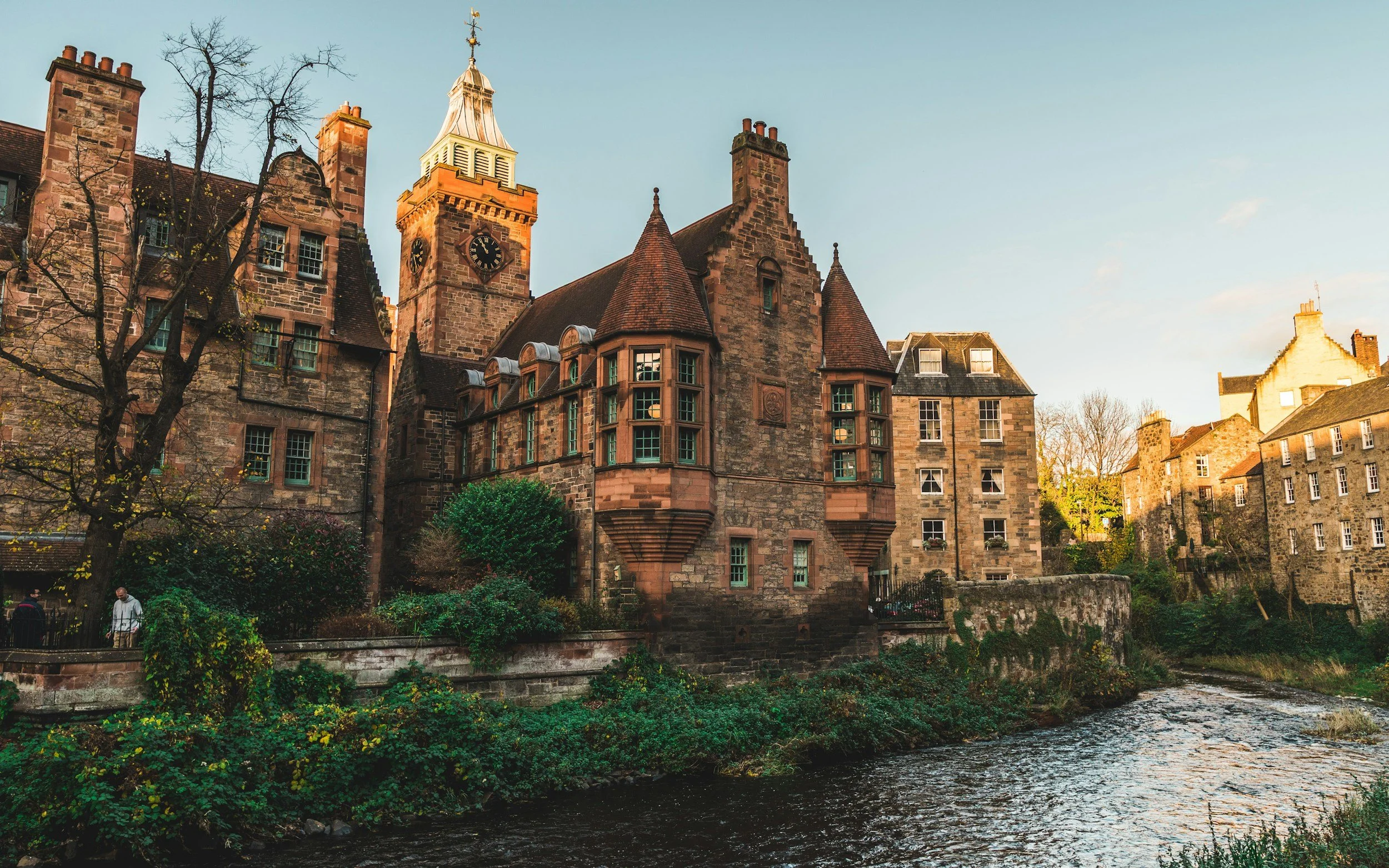
Edinburgh is a clear example. Its festival season dominates August, but accommodation does not necessarily become cheap immediately afterwards. Student arrivals begin while leisure demand remains strong.
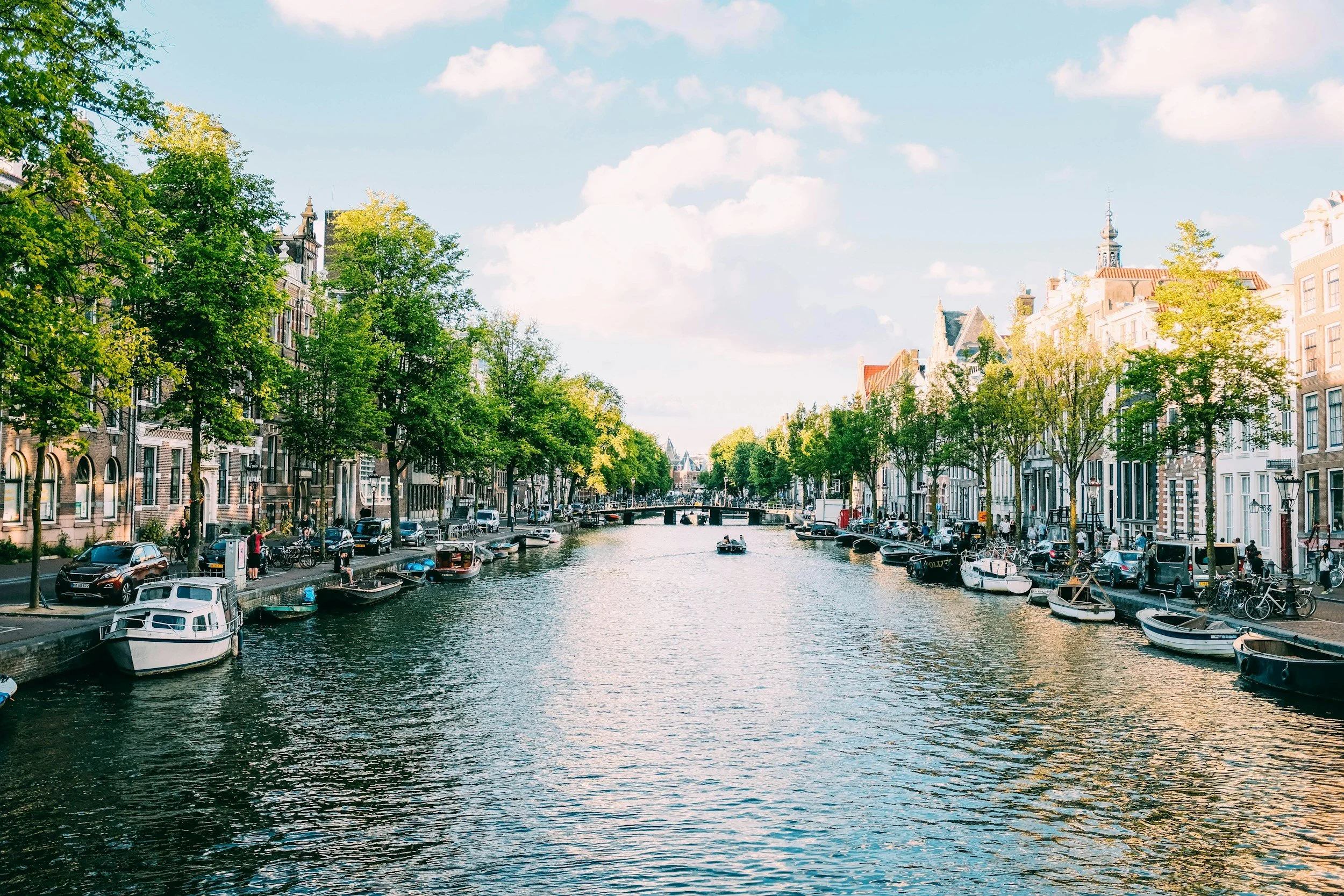
Amsterdam combines several pressures: international students, business travel, conferences and year-round tourism. Travellers expecting September to produce a dramatic price drop may find only a modest difference.
Bologna’s enormous student population overlaps with food tourism, exhibitions and autumn business events. Its compact centre means visitors, students and conference guests often compete for accommodation in the same neighbourhoods.
Similar patterns can appear in Heidelberg, Leuven, Lund, Coimbra, Oxford and Cambridge. Smaller university cities may have fewer tourists, but they also have fewer hotels. A relatively small increase in demand can therefore produce a visible price jump.
Not every university city becomes expensive for the entire month. The pressure may be limited to several arrival weekends, which is why checking exact academic dates matters.
How to Recognise the Trap Before Booking
Start by searching for three separate date combinations: your planned dates, one week earlier and one week later. If the price changes sharply rather than gradually, a local event or arrival period may be responsible.
Next, check the academic calendars of the city’s largest universities. Look for orientation, welcome week, registration and the beginning of teaching—not only the official start of the academic year.
Search the municipal events calendar and the schedule of the main conference centre. A university move-in weekend combined with a medical congress or trade fair can make an otherwise ordinary week surprisingly expensive.
Also examine the remaining room types. When dorm-style hostel beds and basic hotels have vanished but premium properties remain available, budget demand has probably absorbed the lower end of the market.

The Simplest Ways to Avoid It
Moving the trip by three or four days can sometimes save more than changing neighbourhoods. Sunday-to-Thursday stays may also be cheaper because visiting parents and leisure travellers frequently concentrate around weekends.
Consider a neighbouring town with a direct railway connection. Staying outside the centre works only when the journey is frequent, simple and inexpensive, so calculate the full transport cost before booking.
Reserve refundable accommodation early, then check prices again closer to the trip. This protects you from the initial shortage while allowing you to rebook if rooms are released after student housing is confirmed.
Do not rely entirely on short-term apartments. They represented about a quarter of EU tourist accommodation nights in 2025, but availability can fluctuate sharply by city and local regulation. Compare hotels, hostels, aparthotels and university guest accommodation rather than assuming one category will always be cheaper.
September Is Not One Travel Season
A coastal resort may become quieter in September while a university city moves in the opposite direction. Both destinations are experiencing shoulder season—but their local calendars create completely different accommodation markets.
Before treating September as automatically affordable, ask who else needs a room that week. In a major university city, the answer may include several thousand students, their families, researchers, conference delegates and tourists who received the same advice about travelling after August.
The weather may be cooler, but the accommodation market has already gone back to work.
✍️ This blog was written by Ava.
