

Flight Numbers: What They Actually Mean (And Why They’re Not Random)
Every boarding pass has one. You glance at it, maybe double-check the gate, and move on.
But that code — like TK 1983 or BA 15 — isn’t random at all. It’s one of the few parts of air travel that still follows a quiet logic most people never notice.
Once you see it, you can’t unsee it.
✍️ Ethan · April 25, 2026

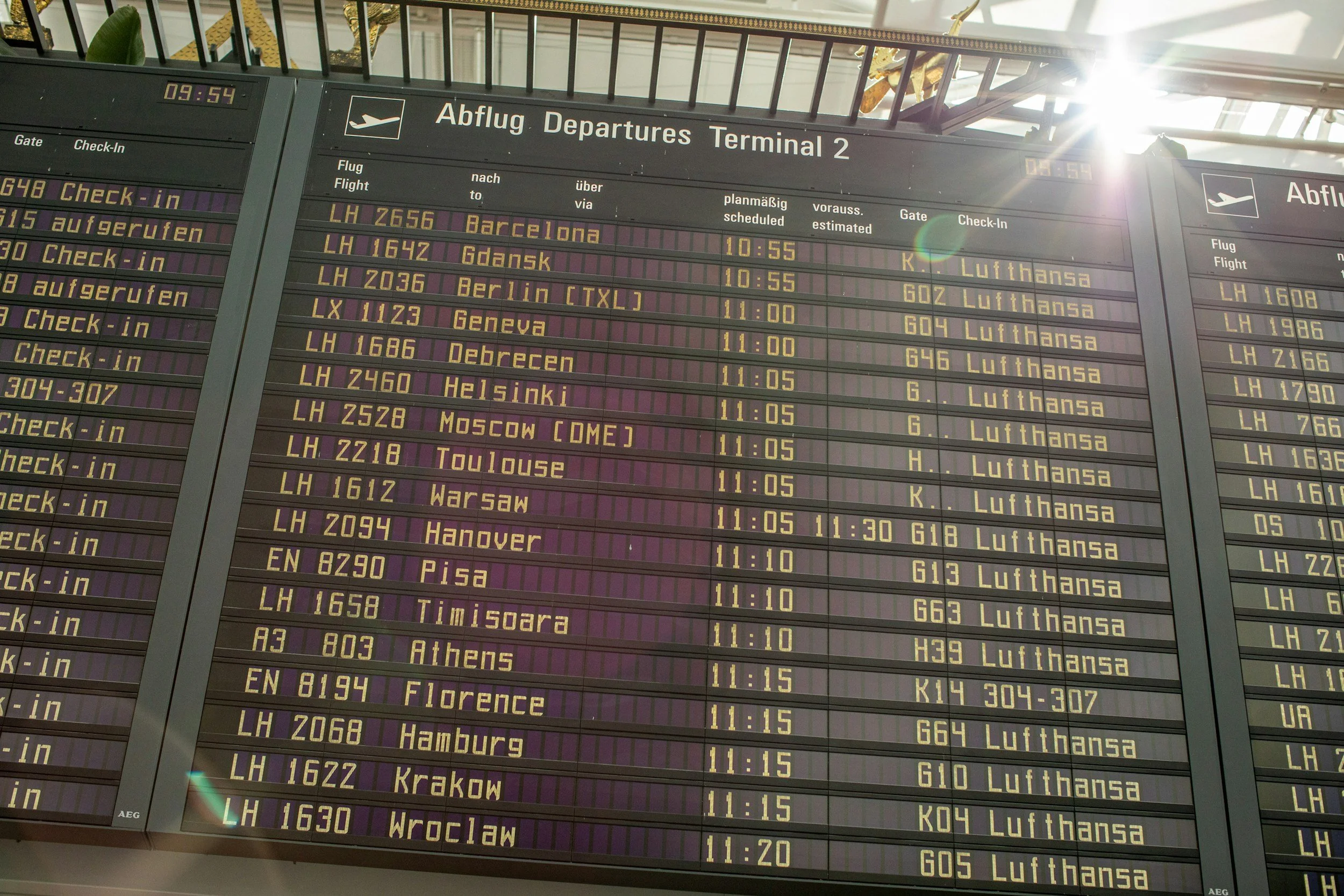
It Always Starts With the Airline
The first part is the easiest.
Every flight begins with a two-letter airline code assigned by the International Air Transport Association. That’s how systems, airports, and airlines all speak the same language.
Some are obvious:
TK → Turkish Airlines
BA → British Airways
Others make no sense unless you know the backstory. That’s because many airlines didn’t get their first choice — the “logical” codes were already taken decades ago. So what you see today is often a workaround, not a perfect abbreviation.
The Numbers Are Where It Gets Interesting
After the airline code comes the part people ignore — the numbers.
They’re not random. But they’re also not universal.
Each airline assigns its own numbers, which means there’s no single rulebook. Still, patterns exist, and once you know them, you start reading flights differently.
Lower numbers usually mean more important routes. Think flagship routes, high-frequency flights, or historically significant ones. A flight numbered “1” or “10” isn’t just another departure — it’s something the airline cares about.
Higher numbers tend to be less central routes, seasonal operations, or secondary connections.
Direction Is Hidden in Plain Sight
There’s a pattern most airlines loosely follow:
Even numbers → flights going north or east
Odd numbers → flights going south or west
It’s not perfect, and airlines break it when needed, but the logic shows up often enough that it’s not a coincidence.
Once you know this, airport departure boards start looking different. You’re no longer just seeing destinations — you’re seeing direction.

Outbound and Return Flights Are Connected
Another pattern shows up when you look at round trips.
The outbound flight is often assigned a number just below the return. For example, a flight might go out as 101 and come back as 102.
It’s a small detail, but it reflects how airlines structure routes internally. You’re not just booking a seat — you’re stepping into a system that’s been mapped out long before you arrived.
Some Numbers Are Chosen on Purpose
Airlines occasionally use numbers to signal something specific.
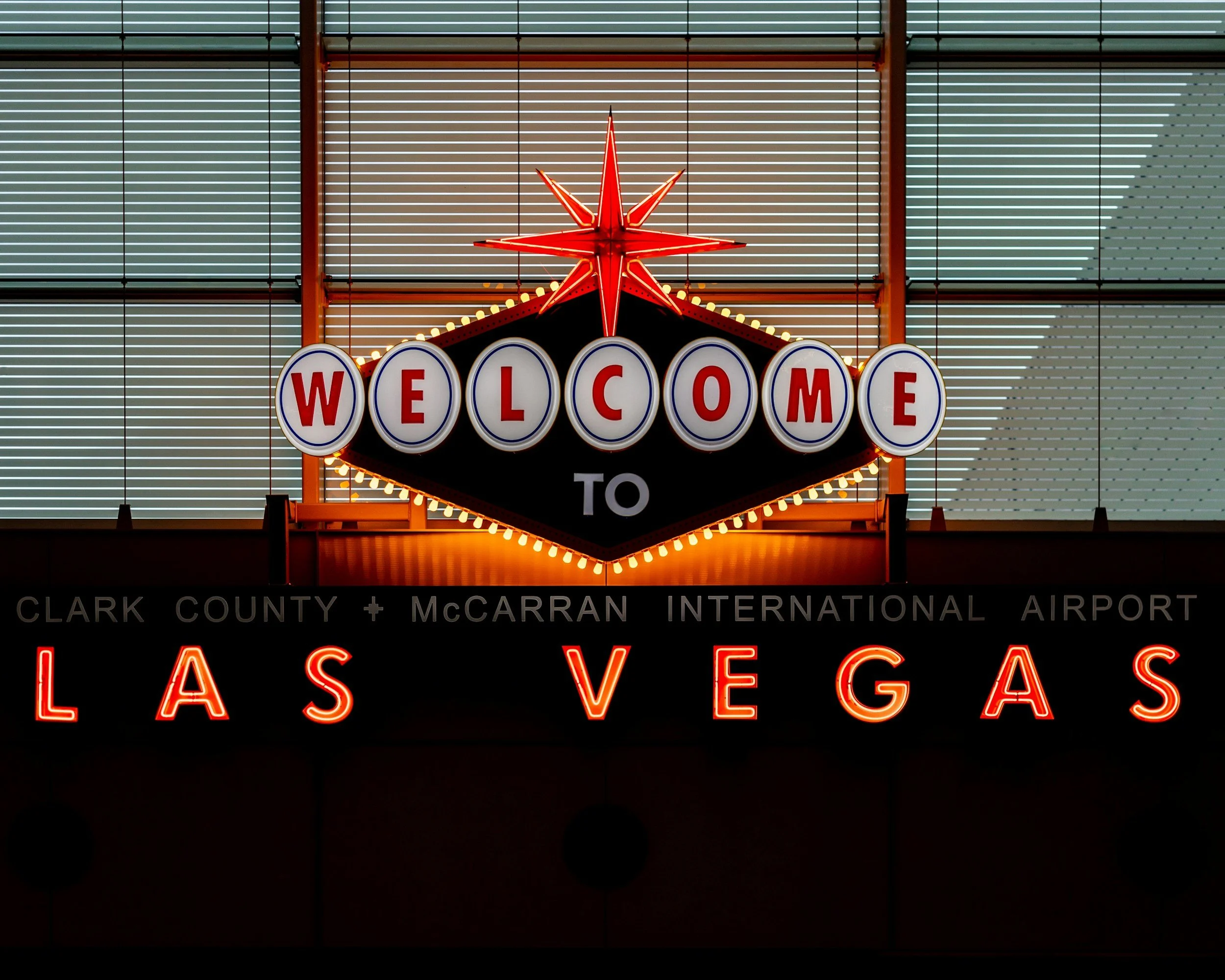
Routes tied to major events or cities sometimes get symbolic numbers. Flights going to places like Las Vegas often use numbers like 777 — not by accident, but because of the association with luck.
It’s subtle branding, hidden inside something that looks purely operational.

And Some Numbers Are Avoided Completely
This is where logic gives way to perception.
Certain numbers almost never appear:
13 (for obvious superstition reasons)
666 (same idea, different audience)
Others disappear after major incidents. Airlines retire those numbers permanently, even if the route continues. It’s not about logistics — it’s about memory and public perception.
That’s why some flight numbers you’d expect to see simply don’t exist anymore.
Flight Number vs Confirmation Code
This is where people mix things up.
A flight number identifies the route.
A confirmation code identifies you.
They’re not interchangeable. Your confirmation code is tied to your booking. Your flight number is shared by everyone on that plane.
It sounds basic, but it matters when things go wrong — delays, changes, rebookings. Knowing the difference saves time.
What Happens on Connecting Flights
If you have a layover, your confirmation stays the same.
But your flight number changes.
Each segment of your journey is treated as a separate flight, even if it feels like one continuous trip. And if you switch airlines, the entire code changes with it.
That’s why one trip can have multiple flight numbers but only one booking reference.
So What Do Flight Numbers Actually Tell You?
At first glance, not much.
But once you understand the patterns, they start to reveal:
which routes matter more
how airlines structure their networks
even the direction you’re flying
It’s not something you need to know to travel.
But it’s one of those details that quietly changes how you see the entire system. Next time you’re at the airport, look at the board again. It won’t feel random anymore.
✍️ This blog was written by Ethan.
