

What Is Noctourism? Everything You Need to Know About the Travel Trend Taking Place After Dark
For decades, travel has largely revolved around daylight. Tourists wake up early to visit landmarks, spend afternoons exploring cities, and return to their hotels after sunset. Entire itineraries are built around making the most of daylight hours.
But a growing number of travelers are doing the exact opposite.
Instead of focusing on what a destination looks like during the day, they’re planning trips around what happens after dark.
This travel trend is known as Noctourism.
From chasing the Northern Lights in Arctic regions and watching bioluminescent beaches glow at night to exploring vibrant night markets and experiencing cities illuminated after sunset, noctourism is changing the way people think about travel.
So what exactly is noctourism, and why is it becoming one of the fastest-growing travel trends in the world?
✍️ Sophia · June 20, 2026

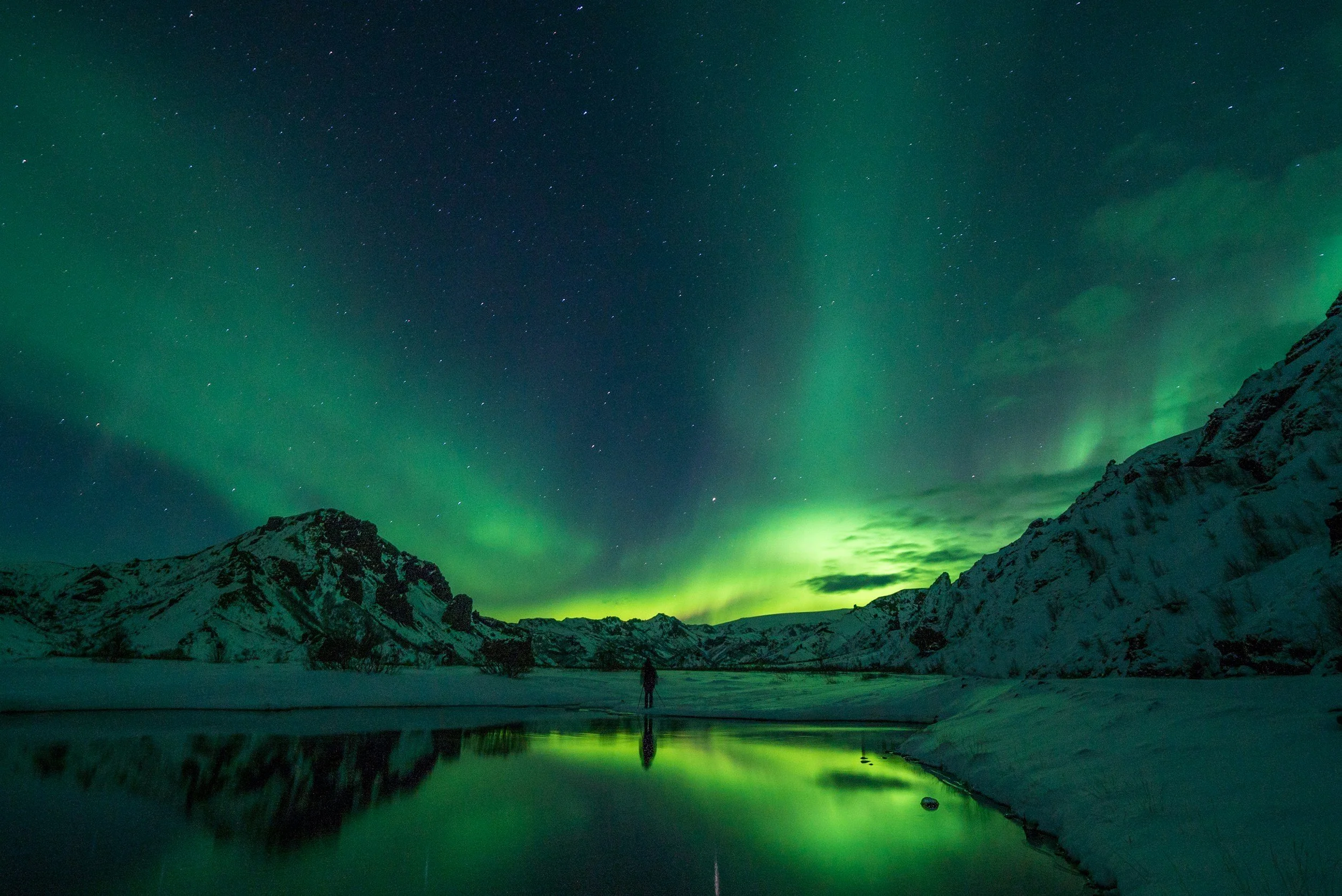
What Is Noctourism?
Noctourism refers to travel experiences that primarily take place at night.
Rather than treating nighttime as the end of the day, noctourism treats it as the main event.
For some travelers, that means witnessing natural phenomena that only appear after sunset. For others, it means exploring cities that come alive at night through food, culture, entertainment, and local traditions.
The concept has gained significant popularity in recent years as travelers increasingly search for unique experiences that go beyond traditional sightseeing.
Many destinations also benefit from noctourism because it helps spread visitor activity throughout the day rather than concentrating everyone at the same attractions during the same hours.
In some places, the nighttime experience has become just as important as the daytime one.
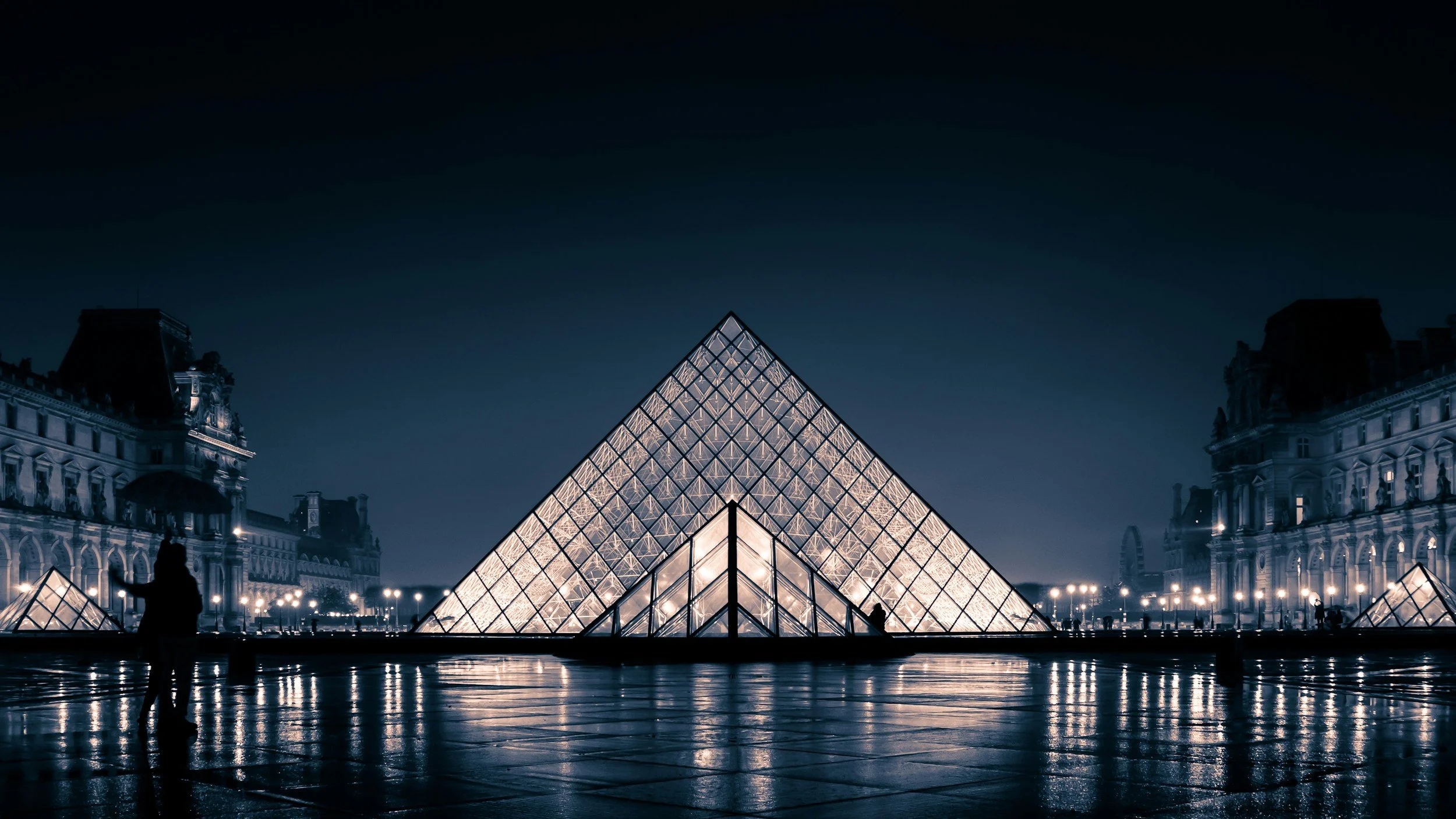
Why Is Noctourism Becoming So Popular?
One reason is simple: people are looking for experiences they can’t easily find at home.
A museum may be beautiful.
A historic landmark may be impressive.
But standing beneath a sky filled with dancing Northern Lights or walking through a glowing night market creates a different kind of memory.
Social media has also played a role.
Night photography, illuminated skylines, stargazing destinations, and unique after-dark experiences often create striking images that travelers are eager to share.
At the same time, many destinations have invested heavily in nighttime attractions, recognizing that visitors increasingly want experiences beyond traditional sightseeing hours.
The result is a growing travel category that appeals to everyone from photographers and nature lovers to food enthusiasts and city explorers.
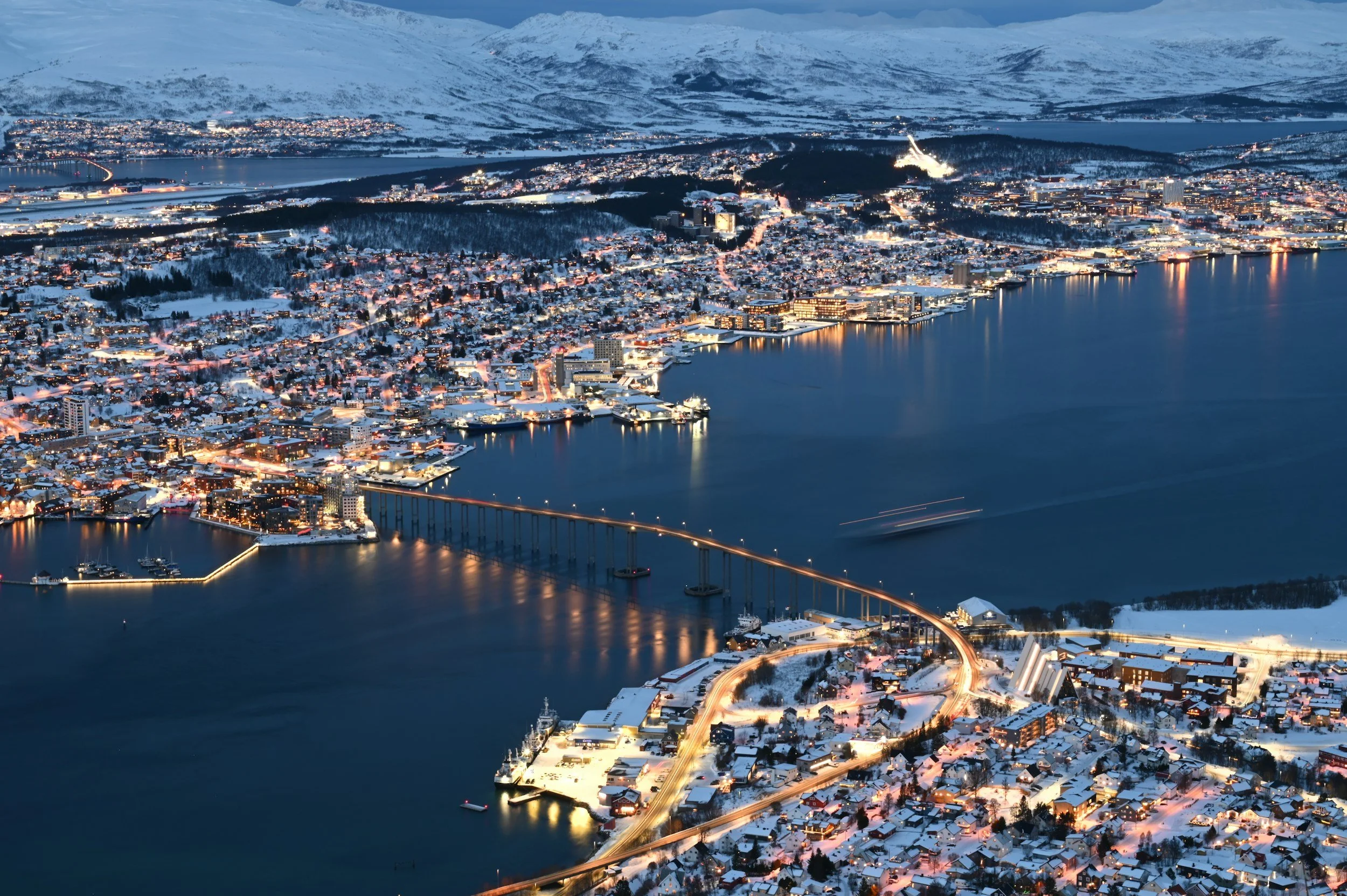
Chasing the Northern Lights
For many people, noctourism begins with one of nature’s most spectacular nighttime displays.
The Northern Lights.
Also known as the Aurora Borealis, this natural phenomenon occurs when charged particles from the sun interact with Earth’s atmosphere, creating ribbons of green, purple, pink, and blue light across the night sky.
Destinations such as:
Tromsø, Norway
Reykjavik, Iceland
Rovaniemi, Finland
Abisko, Sweden
Yukon, Canada
have become major noctourism hotspots because of their opportunities to witness the aurora.
Unlike traditional sightseeing attractions, no two aurora displays are ever exactly the same. The unpredictability is part of the appeal.
Travelers often spend hours outside in freezing temperatures simply for the chance to witness a few minutes of extraordinary light dancing across the sky.
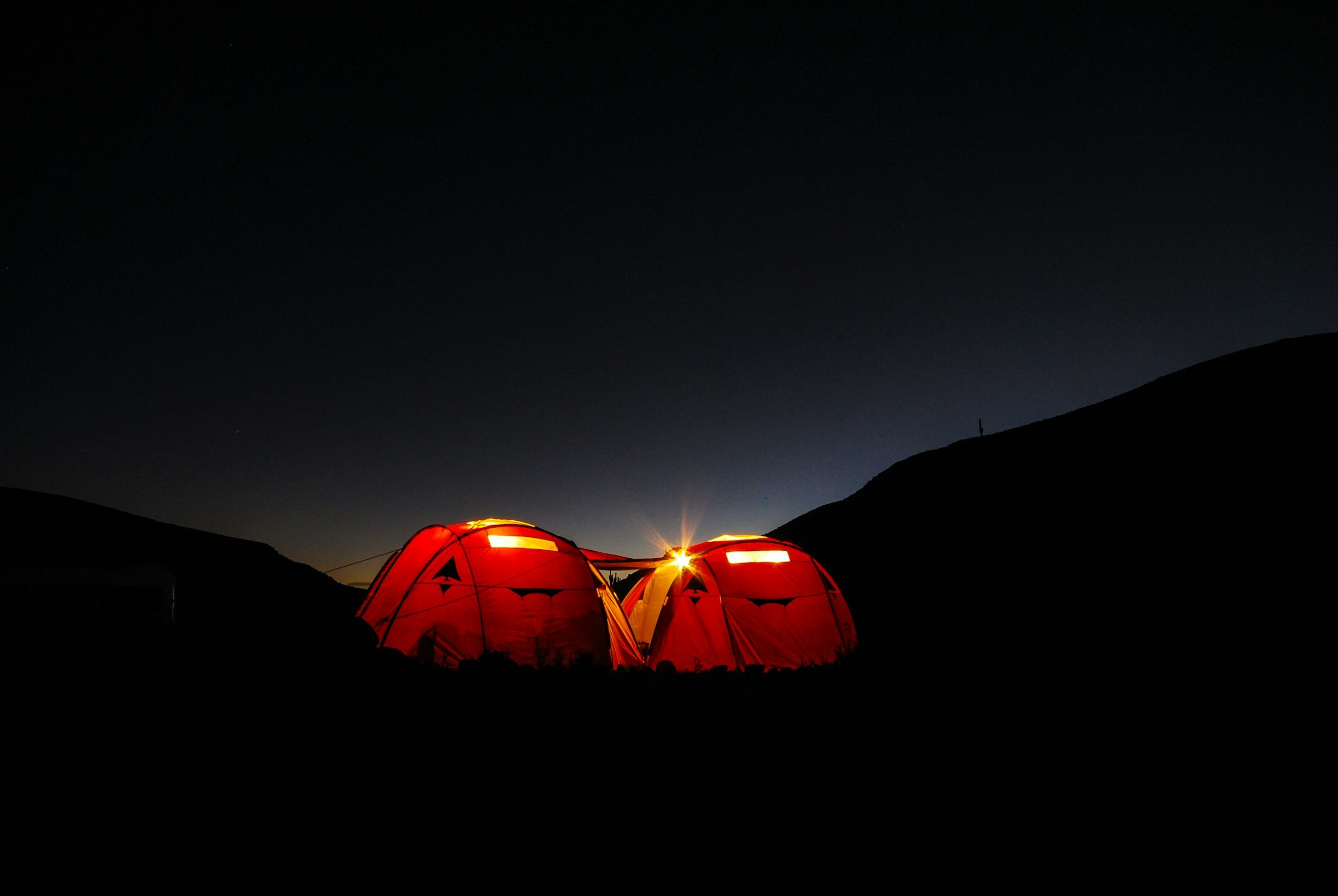
The Rise of Stargazing Tourism
Not all noctourism involves cities.
Some of the most popular nighttime experiences require escaping them entirely.
As urban areas become brighter, truly dark skies are becoming increasingly rare. This has led to growing interest in destinations known for exceptional stargazing conditions.
Places with low light pollution allow visitors to see thousands of stars, distant galaxies, and even the Milky Way with the naked eye.
Some of the world’s most famous stargazing destinations include:
Atacama Desert, Chile
Aoraki Mackenzie Dark Sky Reserve, New Zealand
Namib Desert, Namibia
Death Valley National Park, USA
La Palma, Spain
For many travelers, seeing a genuinely dark night sky for the first time can be every bit as memorable as visiting a famous landmark.
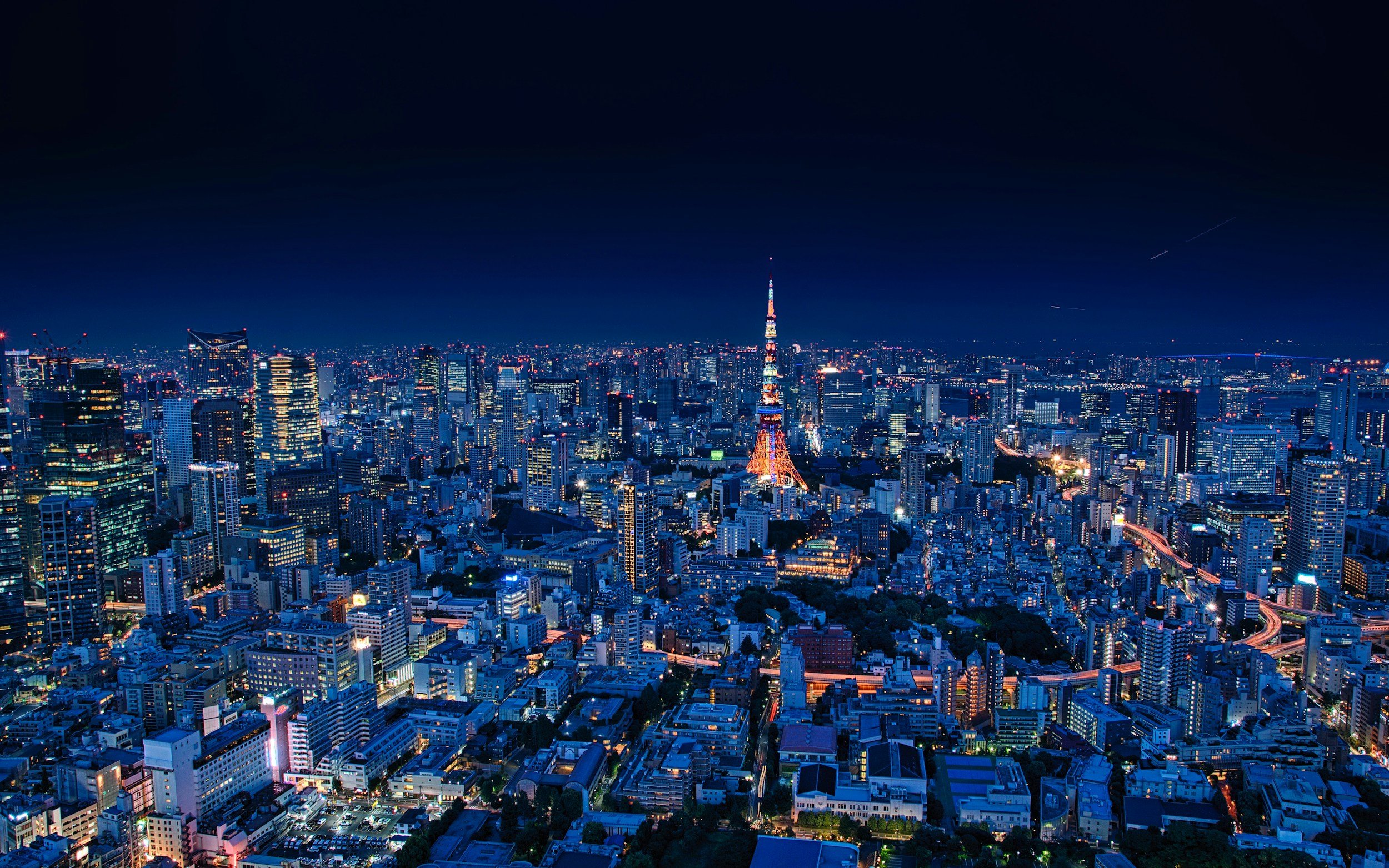
Cities That Come Alive After Sunset
Noctourism isn’t limited to nature.
Many of the world’s most exciting destinations transform completely after dark.
Cities like Tokyo, Seoul, Bangkok, Hong Kong, and Taipei are often considered nighttime capitals of the world.
Neon lights illuminate entire districts, restaurants stay open late, and local life continues long after sunset.
In these destinations, nighttime isn’t simply an extension of the day.
It’s when the city reveals its true personality.
Night markets have become particularly popular among travelers seeking authentic local experiences. Unlike traditional tourist attractions, they offer a chance to experience everyday life while sampling regional food and culture.
Whether it’s street food in Bangkok or late-night ramen in Tokyo, some cities are best experienced after dark.
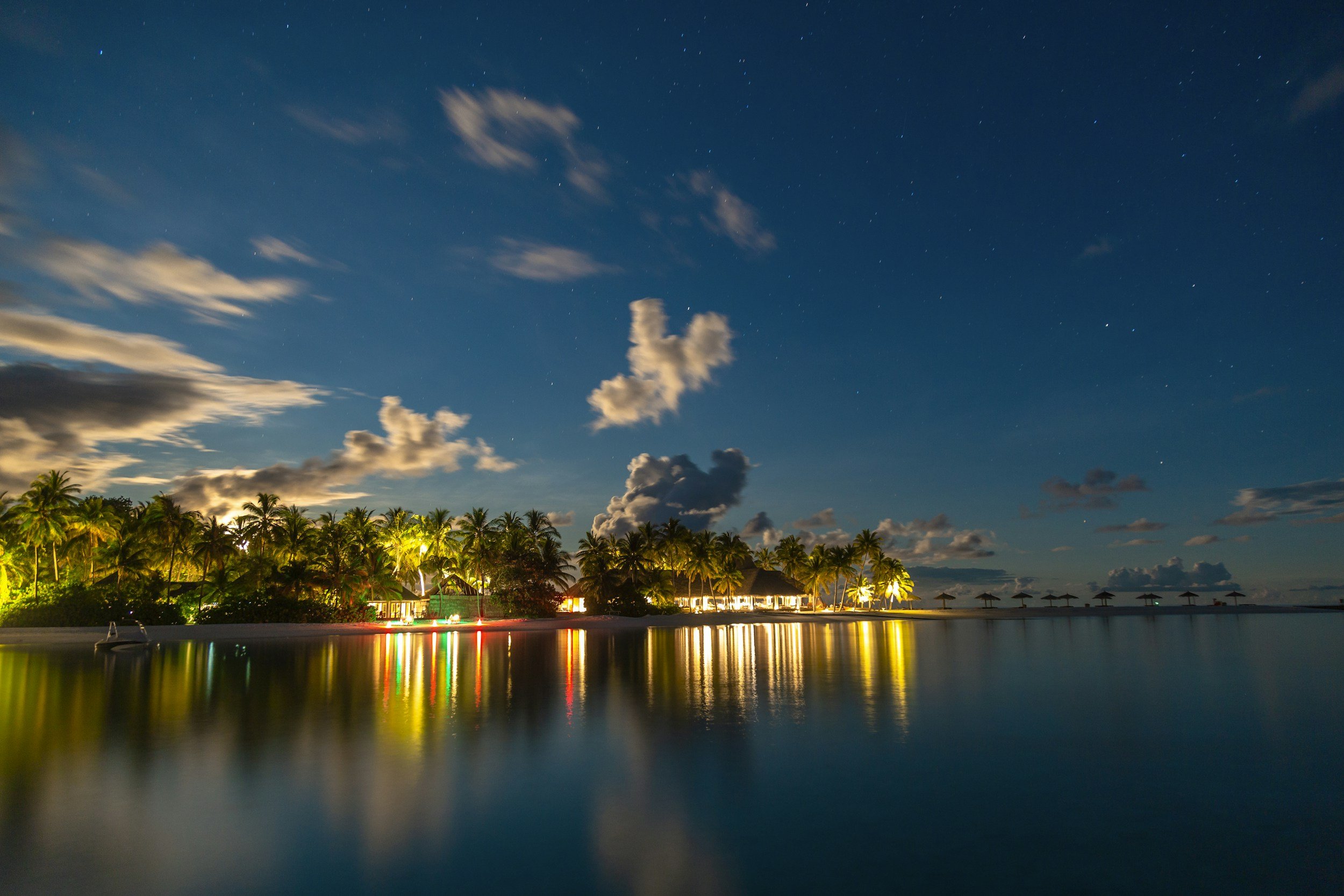
Bioluminescent Beaches and Natural Night Wonders
Some noctourism experiences feel almost impossible to believe until you see them yourself.
Bioluminescence is one example.
In certain coastal destinations, microscopic organisms emit light when disturbed, causing the water to glow with shades of electric blue.
The effect can make waves appear illuminated and create one of the most magical nighttime experiences found anywhere in nature.
Some of the best-known locations include:
Vaadhoo Island, Maldives
Mosquito Bay, Puerto Rico
Toyama Bay, Japan
These natural spectacles attract travelers specifically seeking experiences that can only happen after sunset.
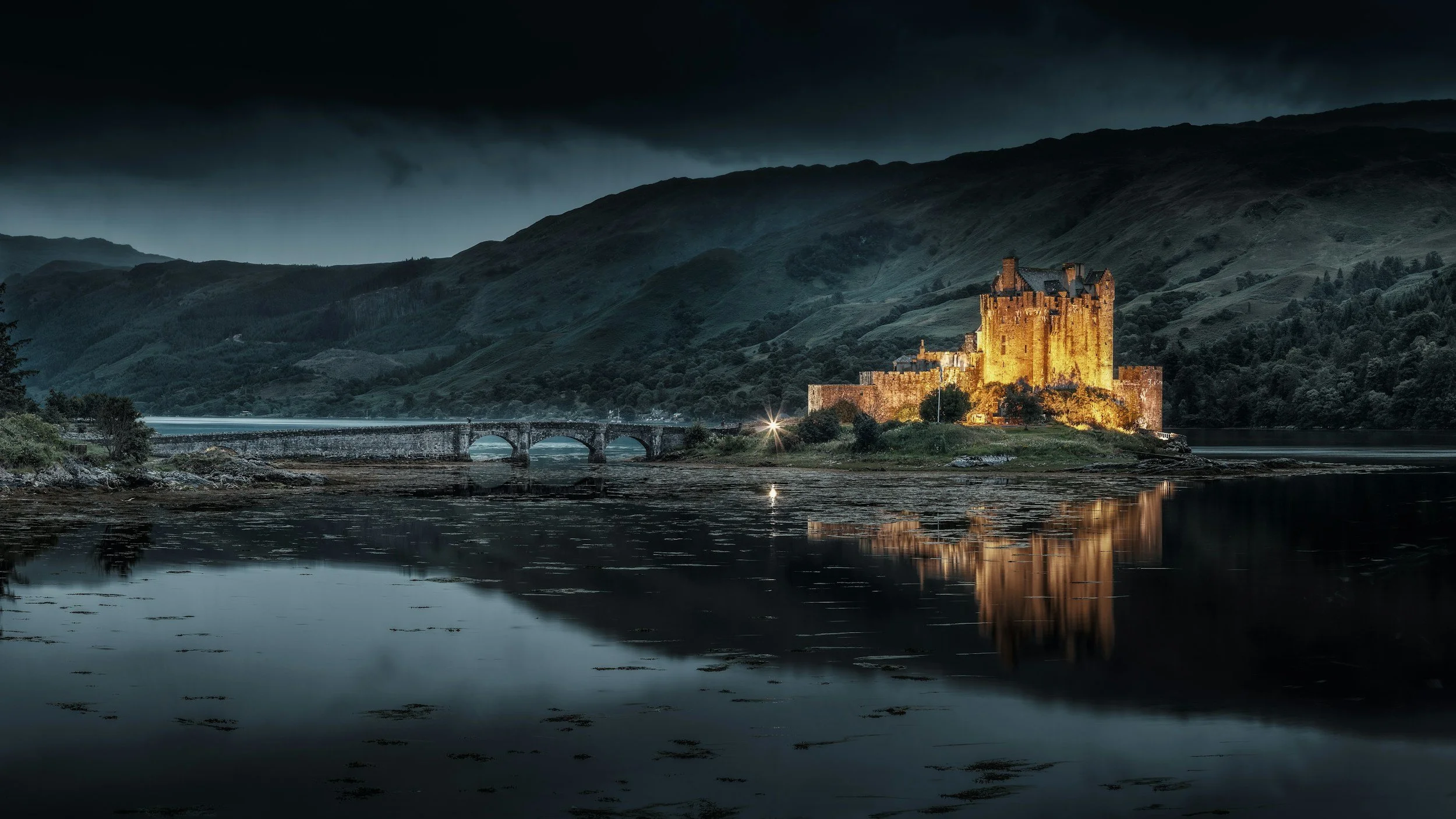
Night Tours and After-Hours Experiences
Many destinations have begun embracing noctourism by offering experiences designed specifically for nighttime visitors.
Historic castles host evening tours.
Museums organize after-hours events.
Botanical gardens create illuminated walking trails.
Even wildlife experiences have expanded into nighttime adventures, allowing travelers to observe species that are rarely active during the day.
These experiences often provide a completely different perspective on places that visitors thought they already knew.
A familiar landmark can feel entirely different when viewed beneath the stars.
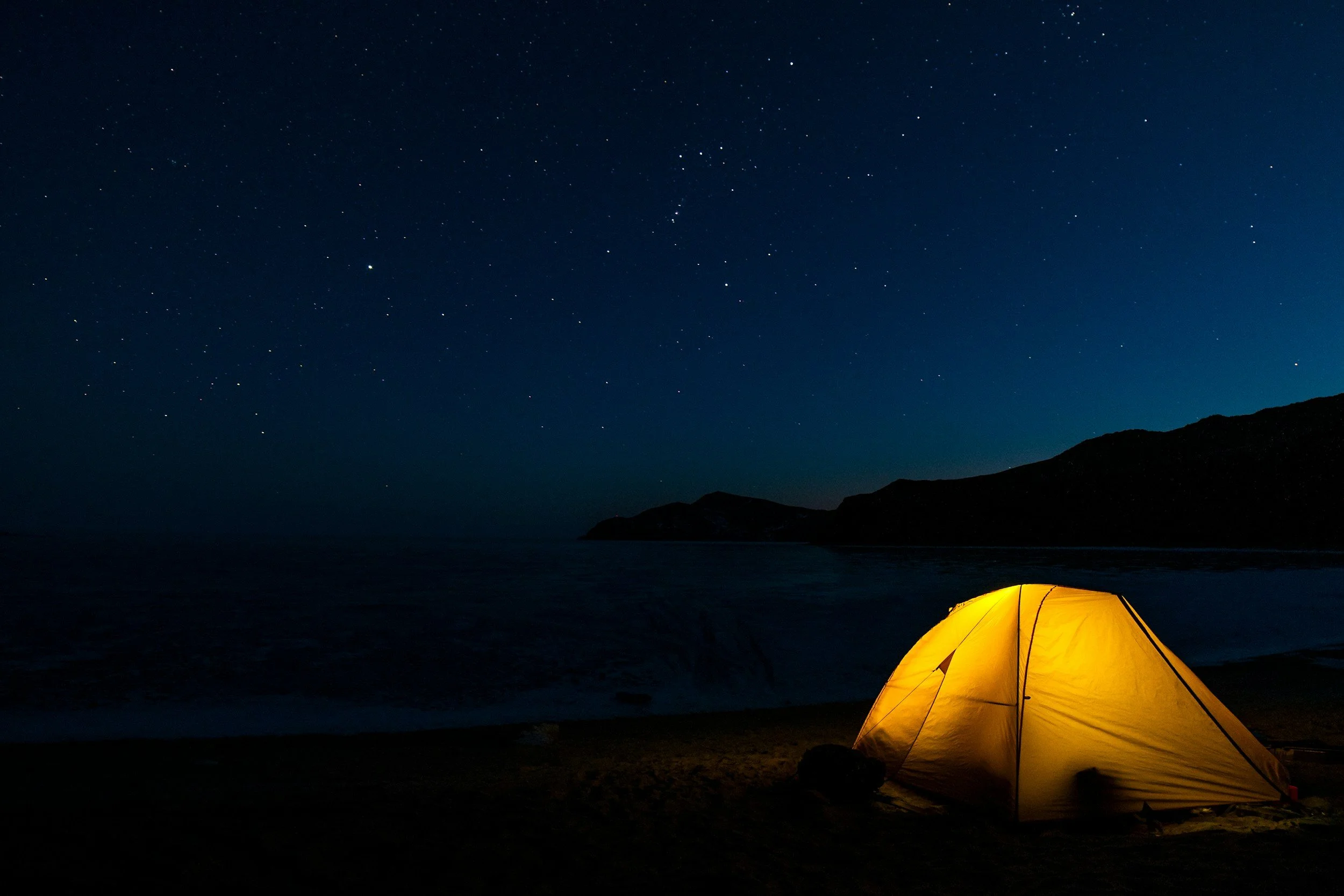
Is Noctourism Right for You?
Not every traveler enjoys waking up before sunrise.
And not every traveler enjoys staying out late.
But for those who do, noctourism offers a different way to experience the world.
It encourages slower observation, unique photography opportunities, and experiences that simply don’t exist during daylight hours.
Some travelers discover that their favorite memories happen after dark—not because the attractions change, but because the atmosphere does.
The crowds shrink.
The temperatures cool.
The lights come on.
And familiar destinations suddenly feel completely different.
Why the Future of Travel May Be After Dark
As travelers increasingly search for unique experiences rather than simply famous landmarks, noctourism is likely to continue growing.
Destinations are investing in nighttime attractions, dark-sky conservation efforts are gaining momentum, and travelers are becoming more interested in experiences that feel rare and memorable.
Whether it’s watching the Northern Lights above the Arctic Circle, wandering through a night market in Asia, stargazing in the desert, or walking through an illuminated city skyline, noctourism offers something traditional sightseeing often cannot.
A chance to see the world from a completely different perspective.
Sometimes, the best part of the journey begins when the sun goes down.
✍️ This blog was written by Sophia.
