

September Is Becoming the New August—So Where Is the Real Shoulder Season Now?
September used to be Europe’s reliable travel shortcut: warm weather, lower prices and major attractions without the summer crowds.
That formula has become less dependable. Flexible working, travellers without school-age children and the search for milder temperatures have extended the European summer season. International visitors now remain particularly active in September; according to Eurostat’s 2024 tourism data, the month accounted for 11.1% of annual accommodation nights booked by foreign visitors in the EU.
September has not literally become August. Schools reopen, domestic holidays decline and some resort towns become quieter. But in places such as Rome, Lisbon, Dubrovnik and the Greek islands, early September can still feel like high season—with high-season accommodation prices to match.
So where did the real shoulder season go? The answer depends on what you are travelling for.
✍️ Noah · September 2, 2026

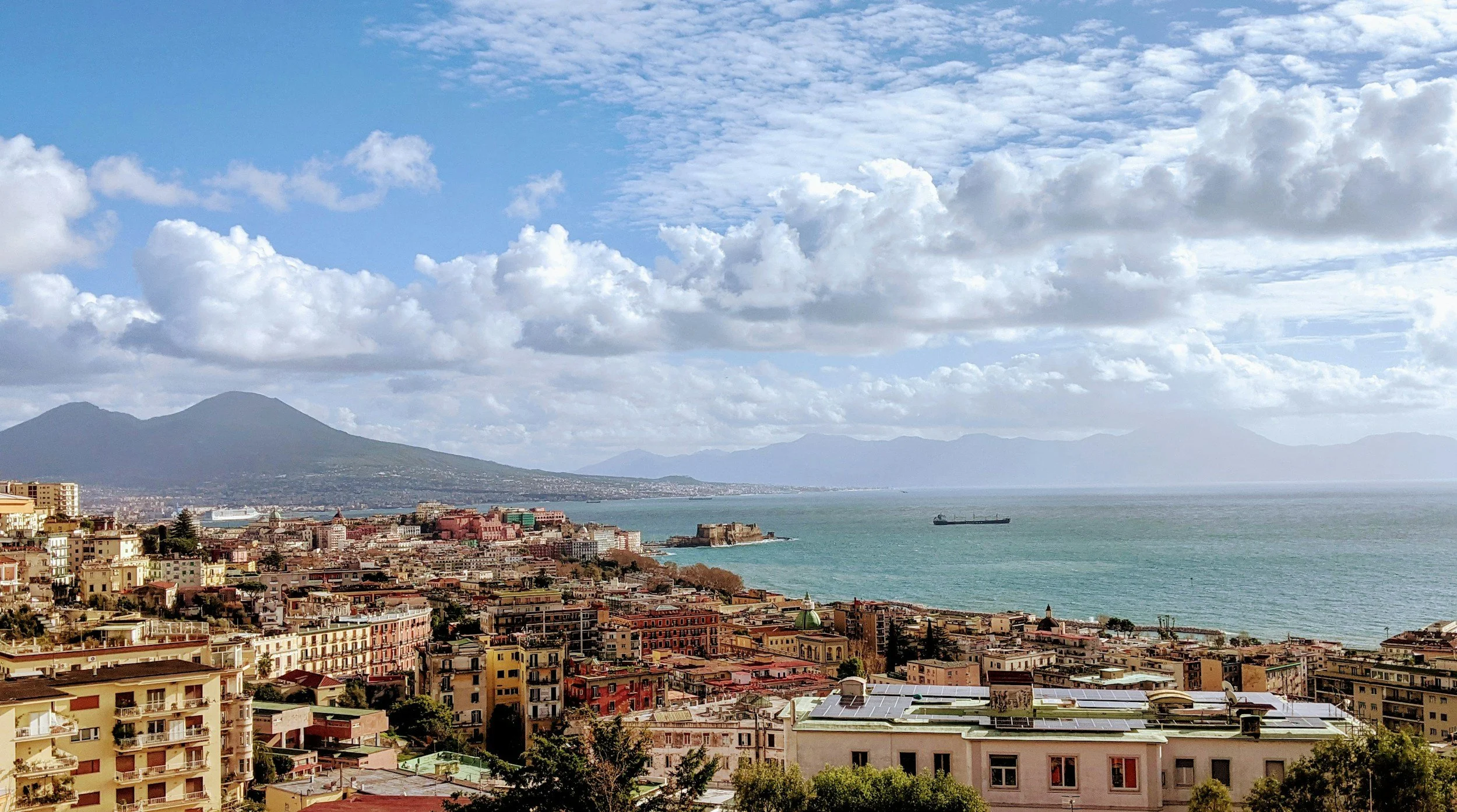
For Mediterranean Cities: Look at Late October
September remains hot and busy across much of southern Europe. In cities where sightseeing means walking between exposed archaeological sites, steep streets and crowded historic centres, the temperature difference may not be enough to improve the experience.
Late October is increasingly the more useful shoulder-season window for Rome, Naples, Athens, Seville, Lisbon and similar cities. Days are shorter and rain becomes more possible, but daytime temperatures are generally better suited to walking. Restaurants and museums remain open because these are functioning cities rather than purely seasonal resorts.
The trade-off is reduced predictability. You may get four bright days or several wet afternoons. Build an urban itinerary that can switch between outdoor neighbourhoods and indoor museums instead of planning every hour around sunshine.
Avoid assuming that late October will automatically be cheap. School holidays, conferences, football matches and major cultural events can temporarily raise hotel prices.
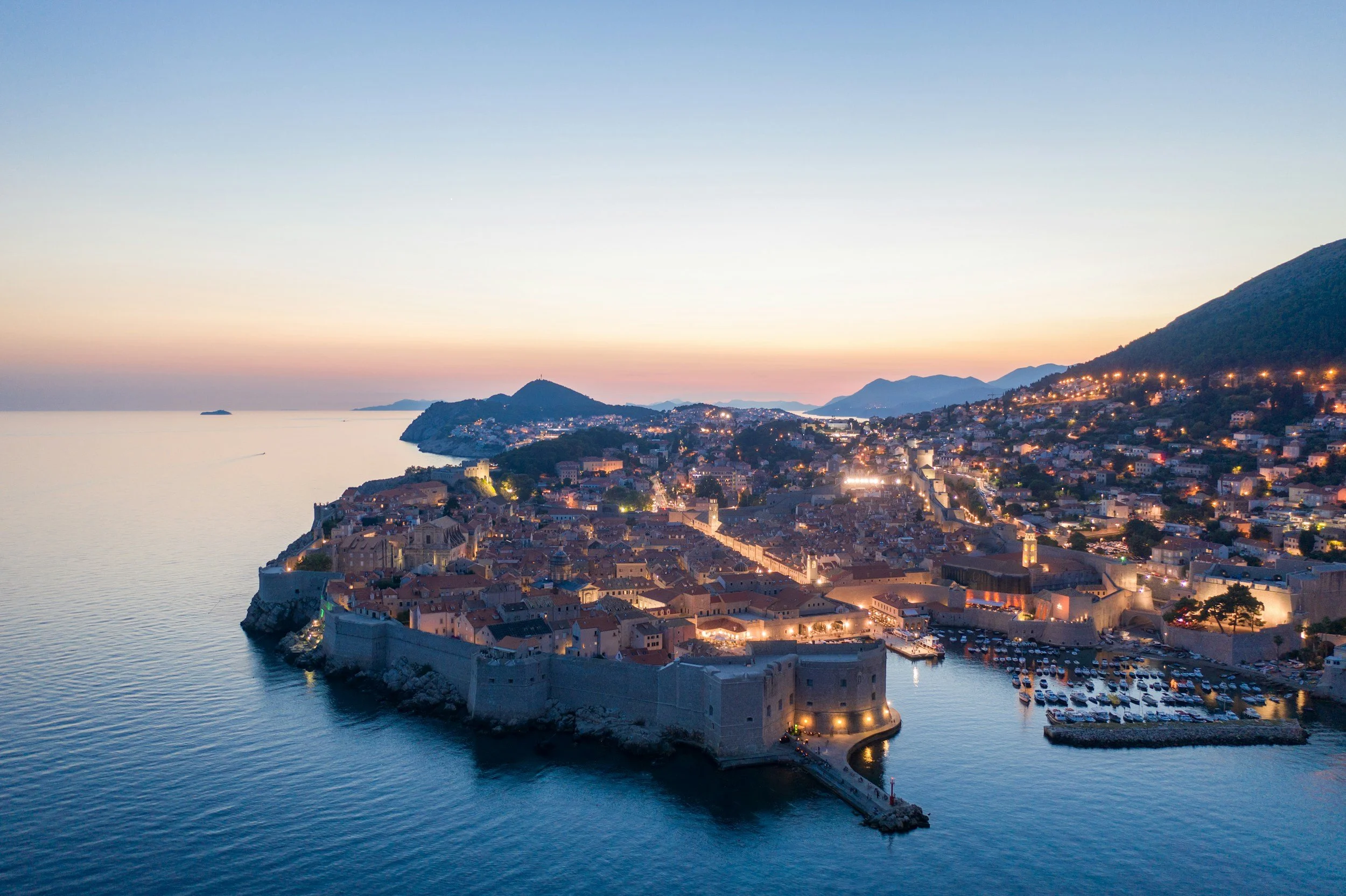
For the Adriatic Coast: Move Beyond the Famous Stops
September crowds are concentrated unevenly. Dubrovnik, Split and the best-known Croatian islands can remain busy because cruise schedules and international flights continue after the traditional summer holiday period.
The real shoulder-season opportunity may therefore be geographic rather than calendar-based.
Instead of moving the trip into November, keep the pleasant September weather and change the destination. Consider Šibenik, the Pelješac Peninsula, Lastovo or inland Istria rather than building another Dubrovnik–Hvar–Split itinerary.
This principle works elsewhere too. September may no longer feel quiet in Florence, Santorini or Barcelona, but that does not mean every town in Tuscany, the Cyclades or Catalonia is full. Shoulder season can still exist thirty kilometres away from the places dominating social media and tour itineraries.
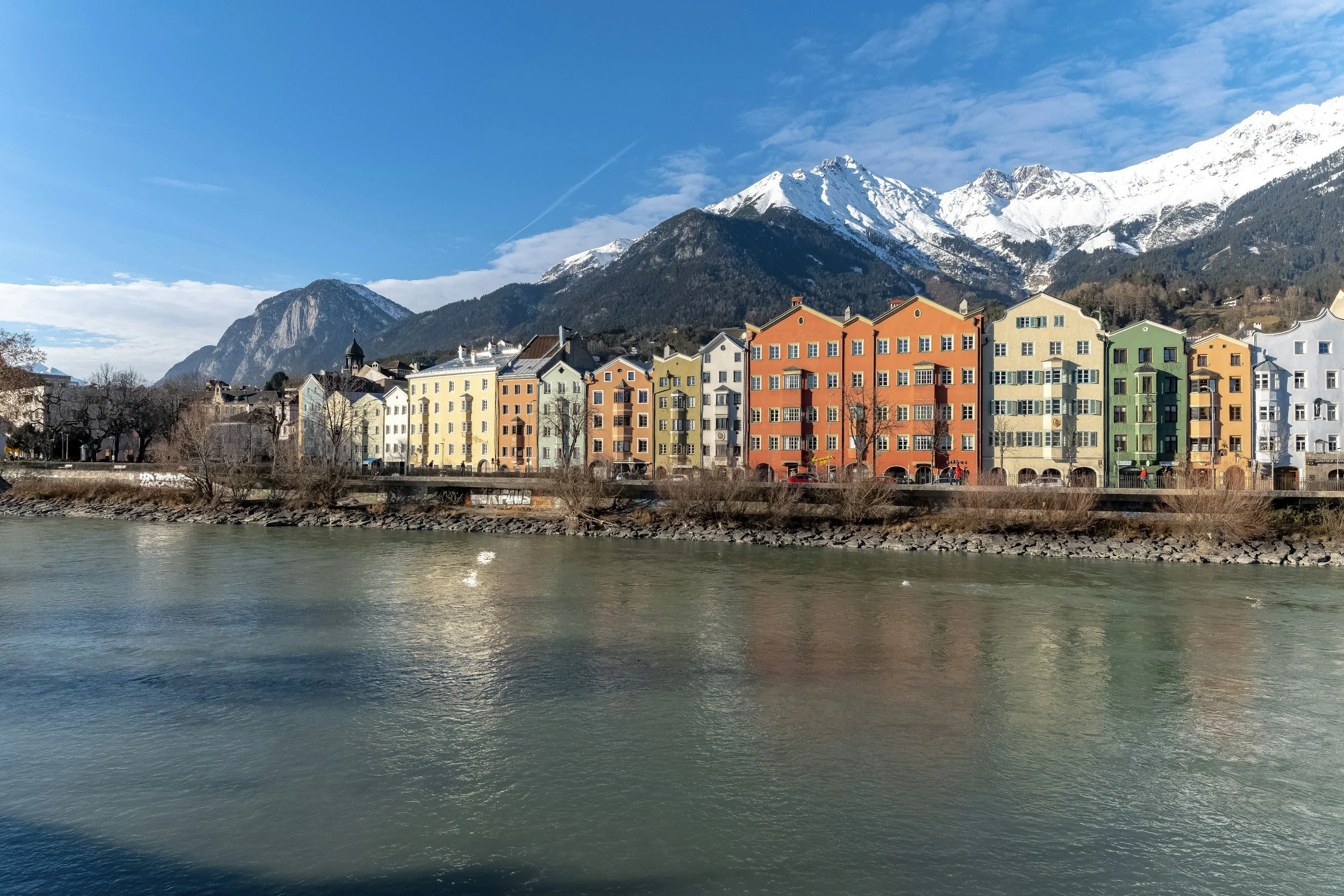
For the Alps: Travel Between Summer and Ski Season
Mountain destinations follow a different calendar. September can be popular with hikers, while December begins the ski and Christmas-market period.
Late October and early November appear quieter, but this is a risky window for an activity-focused trip. Cable cars may close for maintenance, mountain huts shut for the season and higher trails can receive early snow.
If the goal is relaxation rather than ambitious hiking, this gap can still work beautifully. Base yourself in a year-round town such as Innsbruck, Bolzano or Lucerne and treat mountain excursions as weather-dependent bonuses.
For a proper hiking trip, late June may be the more practical shoulder period—after lower trails reopen but before the busiest school-holiday weeks. Always check lift and trail operations individually.
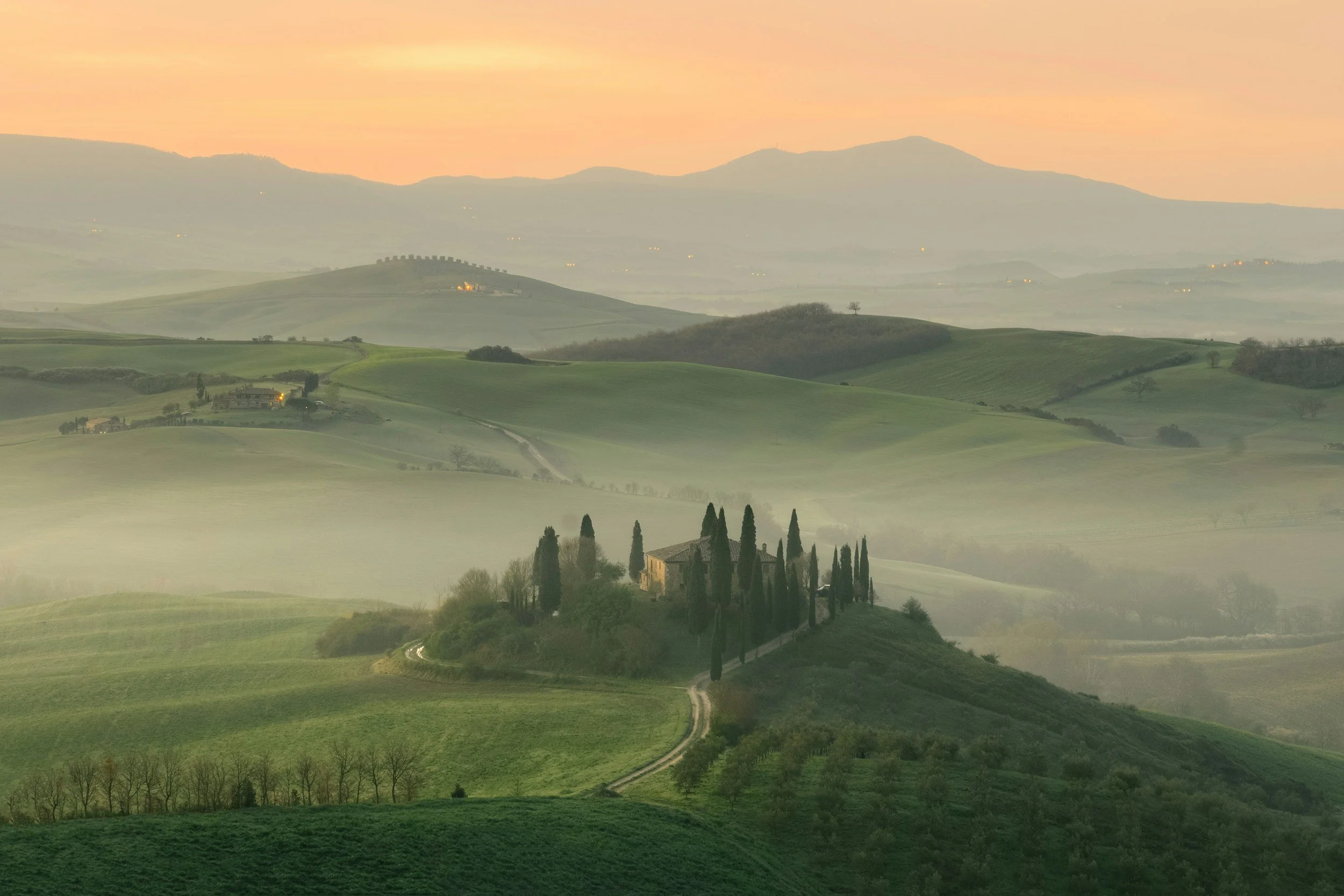
For Wine Regions: Follow the Harvest, Not the Month
September is attractive in European wine regions because the harvest makes them feel alive. It is also one of the busiest periods for producers.
In Tuscany, Burgundy, the Douro Valley or Slovenia’s wine country, a September visit may provide beautiful landscapes without guaranteeing easy access to wineries. Small producers are working, not waiting for spontaneous visitors.
Late October can be better for autumn colour and cellar visits, while early June offers long days and green vineyards without harvest traffic. Whichever period you choose, reserve tastings directly. A vineyard being visible from the road does not mean its cellar accepts walk-ins.
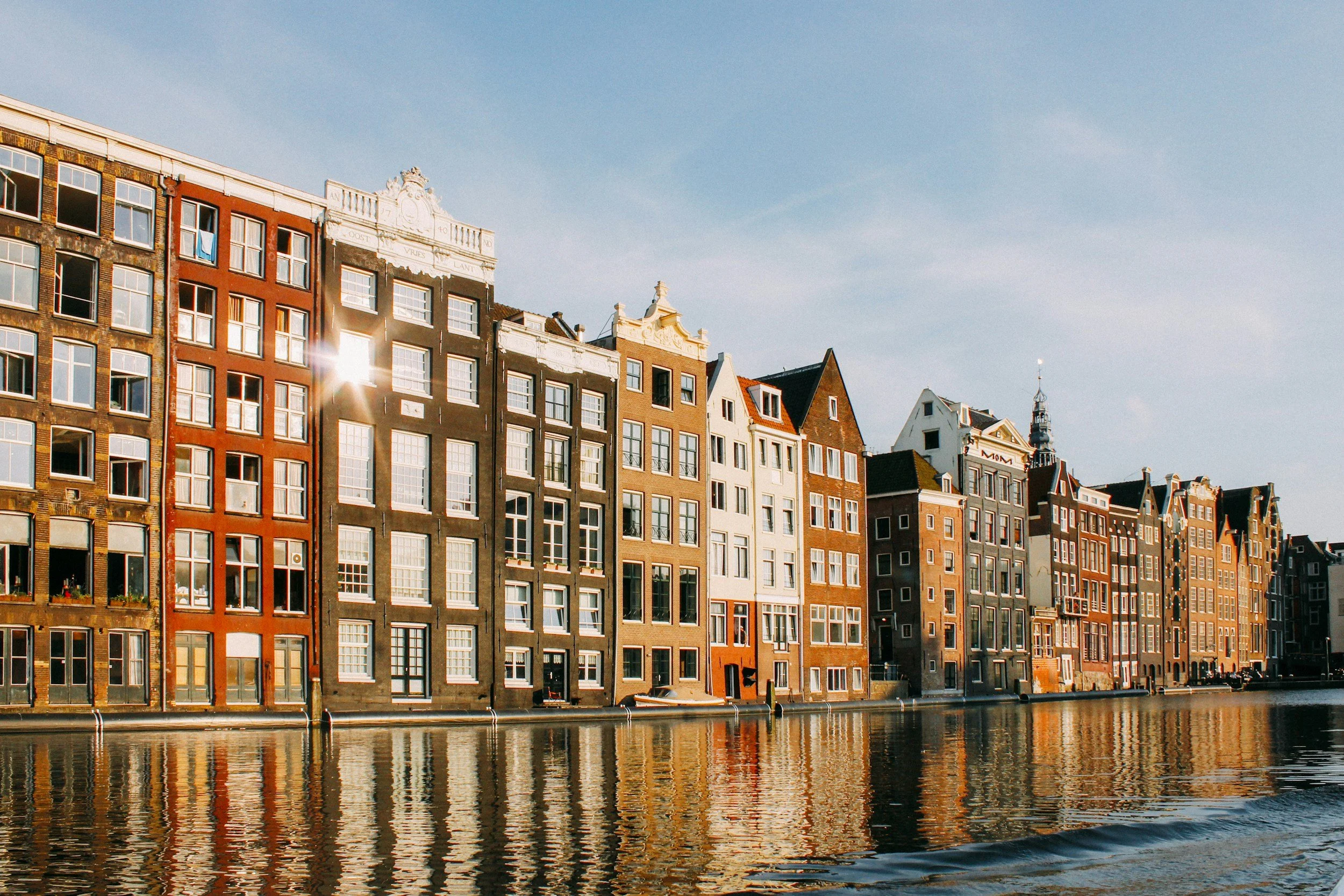
For Major Capitals: There May Be No True Shoulder Season
Cities such as Paris, London and Amsterdam now attract visitors throughout the year. September brings fashion, business and cultural events; December brings festive travel; spring brings school trips and Easter holidays.
For these destinations, searching for an empty month may be less useful than searching for quieter days. Arrive from Sunday to Thursday, avoid major events and visit famous attractions at opening time. Compare several weeks rather than assuming October must cost less than September.
Eurostat recorded more than three billion nights in EU tourist accommodation in 2024, illustrating how broadly demand has spread beyond one short summer peak. The European Travel Commission also reported stronger momentum during September and October 2025, particularly in destinations actively trying to extend their seasons.
Stop Treating Shoulder Season as a Fixed Month
The old calendar divided Europe neatly: July and August were expensive, September was peaceful and winter was quiet. Today’s travel patterns are more fragmented.
The new shoulder season might be late October in a Mediterranean city, May on an island, June in the mountains or September in a lesser-known town. Sometimes it is not a season at all—it is a carefully chosen weekday between two major events.
Before booking, compare hotel prices across several dates, check cruise arrivals, inspect school-holiday calendars and confirm that seasonal transport is operating. Weather matters, but it is only one part of the calculation.
September is still an excellent month to travel. It simply no longer guarantees that you have outsmarted everyone else.
✍️ This blog was written by Noah.
