

The Rise of Digital Detox Travel
More travelers are choosing to disconnect from their devices and reconnect with the world around them. Here’s why digital detox travel is becoming one of the fastest-growing travel trends.
For years, travel has become increasingly connected. From boarding passes and digital maps to restaurant reviews and social media updates, smartphones have become an essential part of almost every trip. But a growing number of travelers are now doing the opposite—switching off notifications, putting away their phones and choosing experiences that help them disconnect from the digital world.
Digital detox travel isn’t about avoiding technology completely. Instead, it’s about creating space to be more present. Whether it’s spending a weekend in a remote cabin without Wi-Fi, checking into a hotel that encourages guests to leave their phones behind, or simply limiting screen time during a city break, more people are discovering that some of their best travel memories happen when they’re not looking at a screen.
✍️ Ava · July 15, 2026


Why Is Digital Detox Travel Growing?
Many travelers spend their everyday lives constantly connected. Emails, messages, social media feeds and endless notifications leave little room to truly switch off. Vacations are increasingly becoming an opportunity to escape not only work, but also the digital noise that comes with modern life.
Studies have also shown that constant smartphone use can reduce attention, increase stress and make it harder to fully enjoy experiences in the moment. By intentionally stepping away from screens, travelers often report feeling more relaxed, sleeping better and forming stronger memories of the places they visit.

It’s Not About Going Completely Offline
Despite its name, digital detox travel doesn’t mean throwing your phone away for a week. Most travelers still use technology for navigation, boarding passes, translations or emergency communication. The difference is how—and when—they use it.
Instead of documenting every meal or checking notifications every few minutes, digital detox travelers use their devices only when necessary. The rest of the time is spent exploring neighbourhoods, talking with locals, enjoying meals without distractions or simply taking in a view without immediately reaching for a camera.

Hotels Are Embracing the Trend
As demand grows, hotels around the world are beginning to adapt. Some now offer digital detox packages that encourage guests to disconnect by removing televisions, limiting Wi-Fi access or providing lockboxes for phones during their stay.
Others focus on experiences that naturally replace screen time, including guided hikes, wellness programmes, yoga sessions, meditation classes and outdoor activities. Rather than forcing guests offline, these hotels simply make it easier to enjoy time away from constant notifications.

Nature Leads the Way
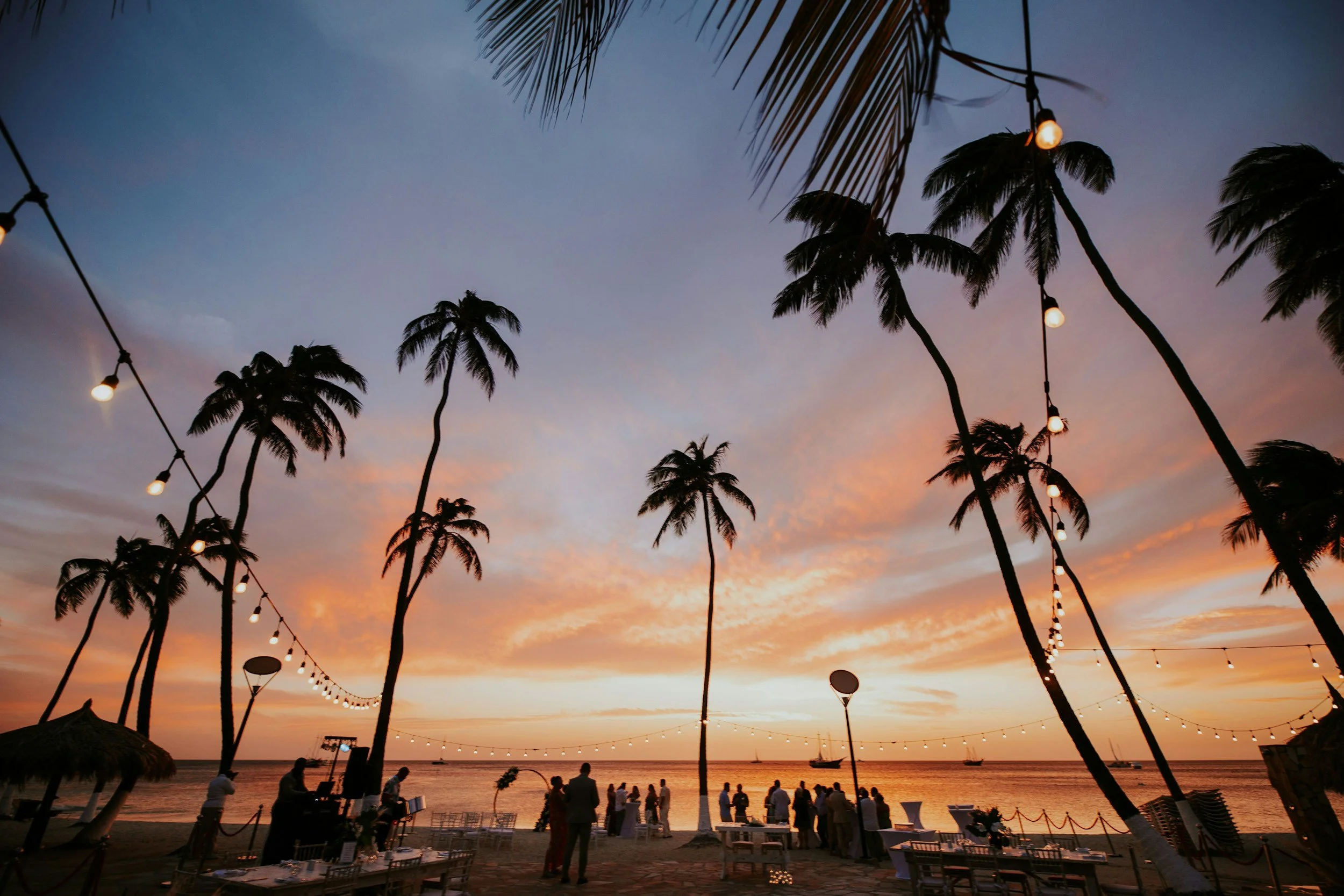
Many digital detox trips take place far from busy cities. Mountain lodges, national parks, forests, islands and countryside retreats naturally encourage slower days and fewer distractions. Without constant internet access, travelers often find themselves spending more time reading, hiking, watching sunsets or simply enjoying quiet surroundings.
Even short escapes can have a noticeable impact. A weekend without social media or work emails is often enough to help people return home feeling mentally refreshed.
Even Cities Can Be a Digital Detox
Digital detox travel isn’t limited to remote destinations. Many travelers are choosing to experience cities differently by putting their phones away for a few hours and exploring without constantly following maps or checking reviews.
Getting intentionally lost in historic neighbourhoods, sitting in local cafés, visiting museums without photographing every room or walking through parks without headphones can create a much deeper connection with a destination than viewing it through a screen.
Is Digital Detox Travel Right for You?
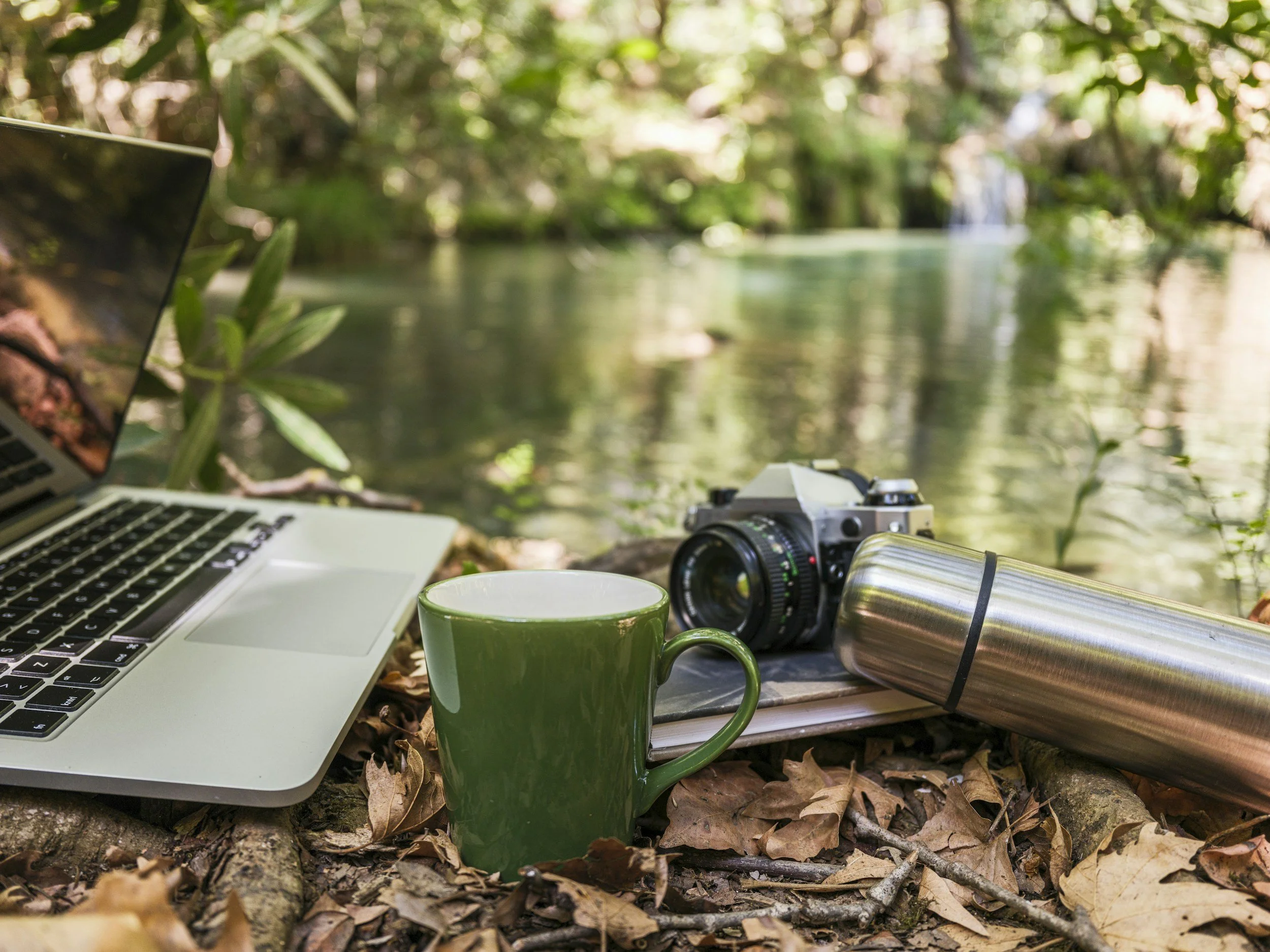
Digital detox travel isn’t about rejecting technology—it’s about finding a healthier balance. Smartphones remain incredibly useful travel tools, but they don’t have to shape every moment of the journey.
As more travelers seek slower, more mindful experiences, digital detox travel is likely to continue growing. Sometimes the most memorable part of a trip isn’t the photo you post—it’s the moment you were fully present enough to simply enjoy it.

Signs You Might Need a Digital Detox Trip
You don’t need to feel overwhelmed by technology to benefit from disconnecting. Sometimes, small habits are enough to tell you it’s time for a break.
If you find yourself checking work emails by the pool, reaching for your phone every few minutes, planning every moment around taking photos or scrolling through social media instead of enjoying the place you’re visiting, a digital detox could completely change the way you travel. The goal isn’t perfection—it’s simply becoming more present.

How to Start Without Going Completely Offline
A successful digital detox doesn’t have to be extreme. In fact, the best approach is often the most realistic.
Try setting aside specific “phone-free” hours each day, keeping your device in your bag while exploring a neighbourhood, or waiting until the evening to post photos. Download maps before heading out so you won’t need constant internet access, and consider bringing a notebook to jot down memories instead of relying solely on your camera roll.
These small changes often feel surprisingly freeing and make it easier to enjoy the destination rather than constantly documenting it.
Digital Detox Destinations Worth Considering
Some places naturally encourage you to slow down and disconnect.
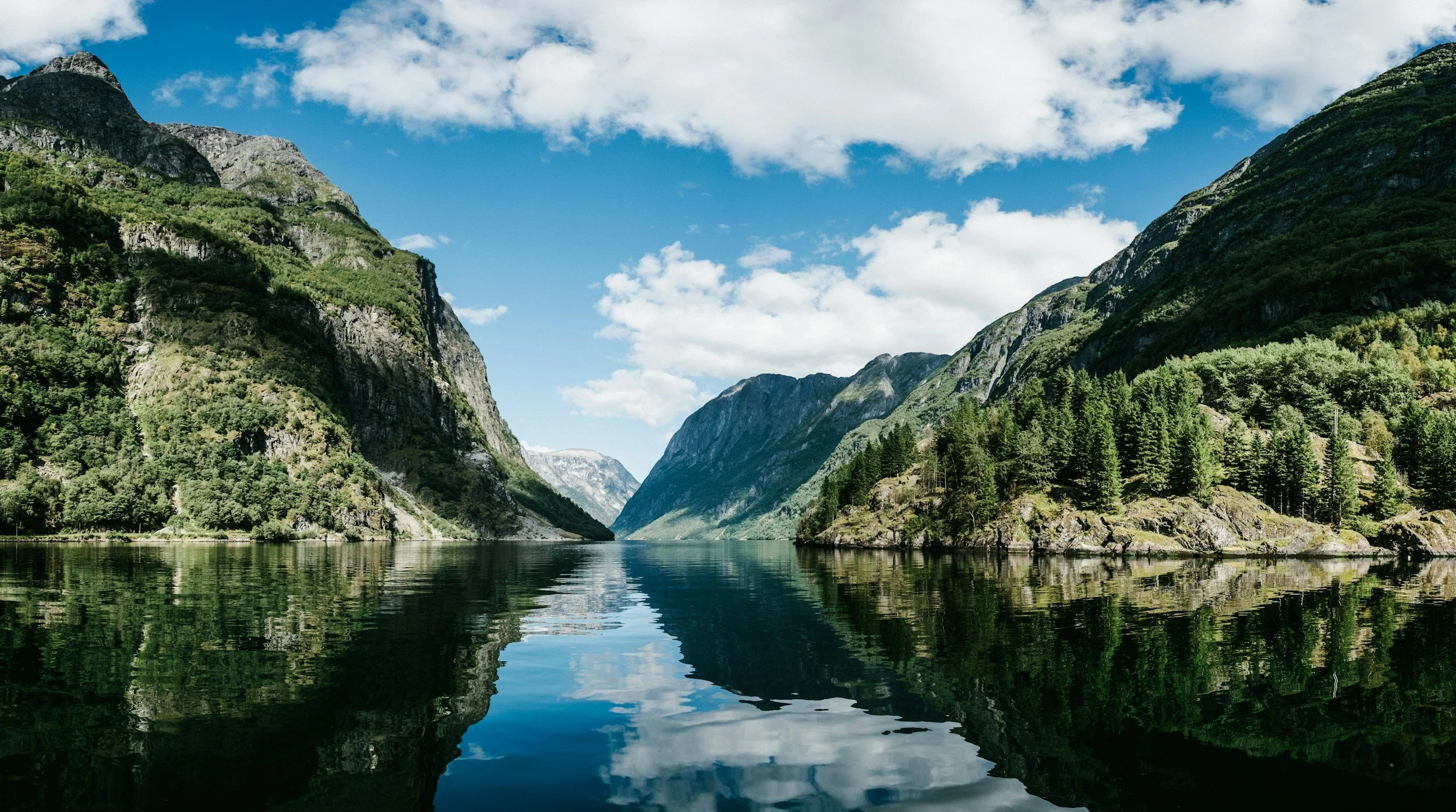
Norwegian Fjords – Quiet villages, dramatic landscapes and limited distractions.
Scottish Highlands – Endless hiking routes and remote scenery far from busy cities.
Madeira, Portugal – Ocean views, mountain trails and peaceful villages.
Kyoto, Japan – Temples, traditional gardens and mindful experiences.
Faroe Islands – Small communities surrounded by untouched nature.
Patagonia – One of the world’s most spectacular regions for completely switching off.
Of course, you don’t need to travel somewhere remote. Even spending a weekend exploring your own city without constantly looking at your phone can create many of the same benefits.
A Trend That’s Here to Stay
Digital detox travel reflects a wider shift in the way people want to experience the world. Rather than collecting as many destinations as possible or sharing every moment online, more travelers are choosing quality over quantity and presence over constant connectivity.
Technology will always remain an important part of modern travel, but many are discovering that the best moments often happen when the screen is off. Whether it’s watching a sunrise without reaching for your camera, getting lost in a quiet street or enjoying dinner without notifications, these simple experiences are becoming the real luxury of travel.
For many travelers, disconnecting isn’t about missing out—it’s about finally paying attention to everything that’s happening around them.
✍️ This blog was written by Ava.
